I should start an “en-ghostify” service so that people can ensure they can haunt people and places after they die.
I don’t want cloud gaming to be the a thing.
I already tried this with Stadia, it was terrible, and everything I bought—with real money—disappeared when Stadia was discontinued.
Never again. If the game doesn’t exist on local storage, it’s dead to me.
Just watched the first episode of the Halo TV show, and it’s actually very good.
I’ve played lots of Halo, read the books, watched the animations—and this is everything I wanted in a live action Halo TV show.
To me, this is better than Star Wars.
Pu’ehr tea in a cake. I’ve had this one for awhile. I think it’s almost 20 years old.

It’s fairly apparent that many politicians in Western countries have been compromised by Russia. Former Austrian foreign minister Karin Kneissl just scratches the surface.
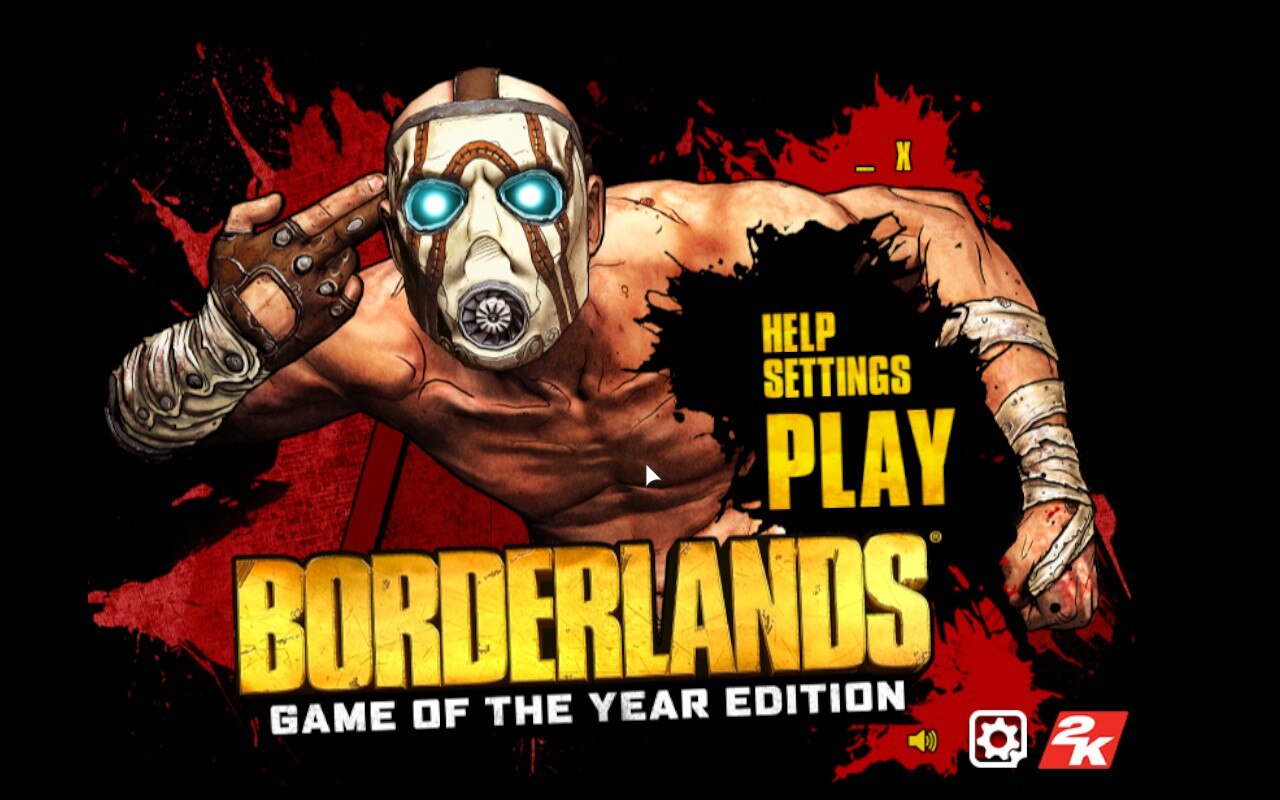
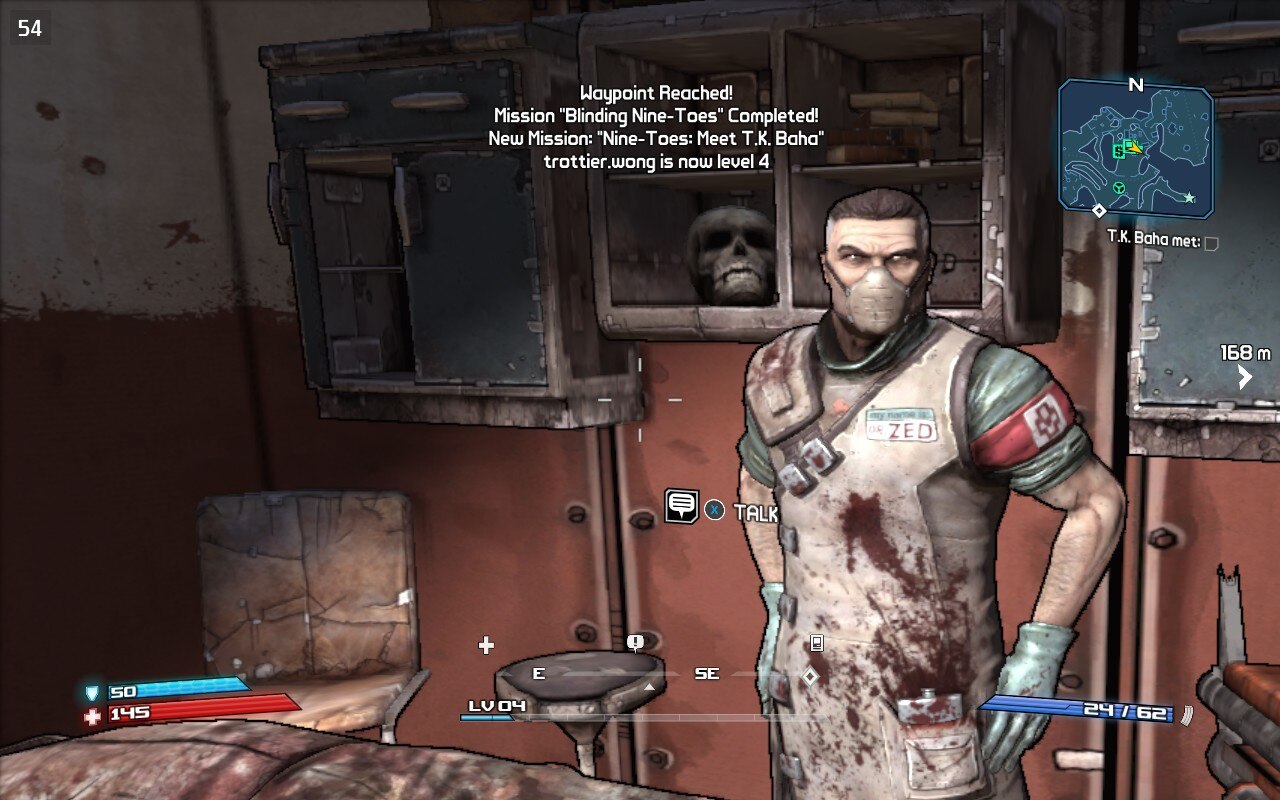
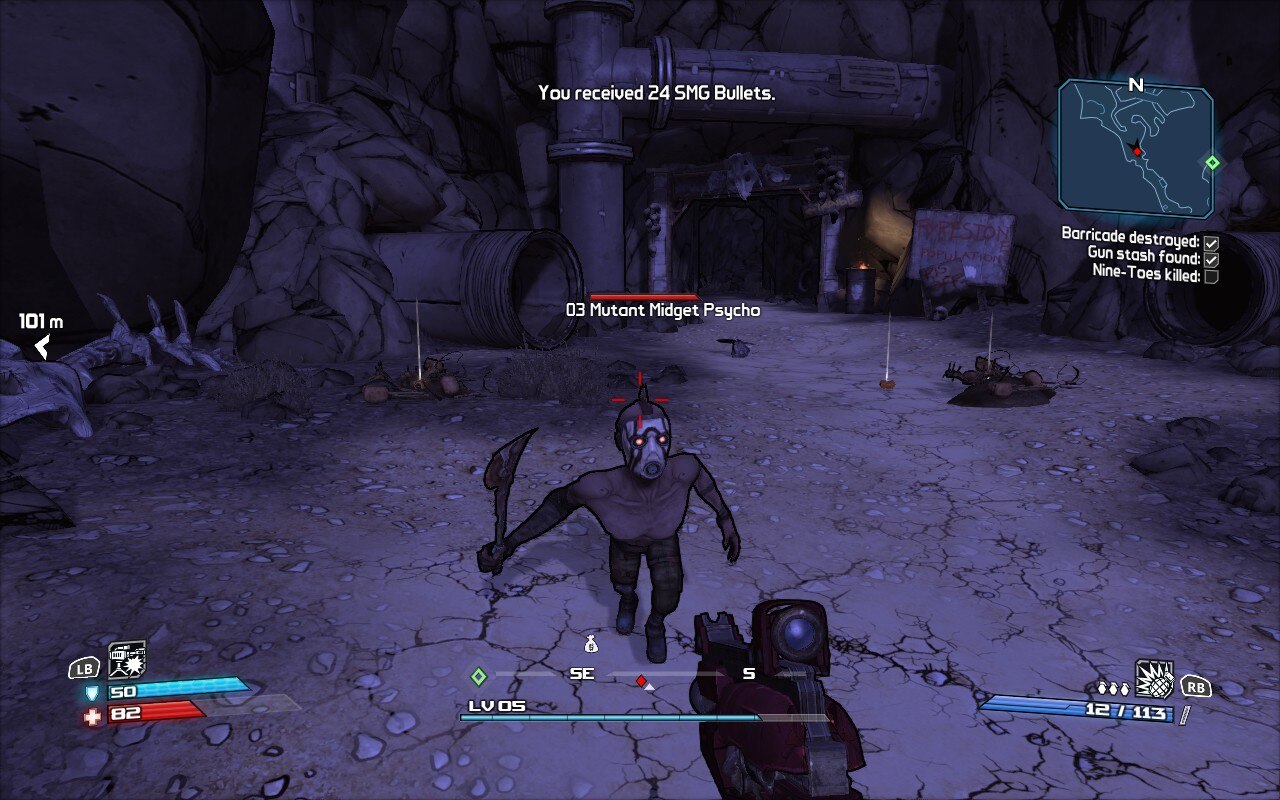
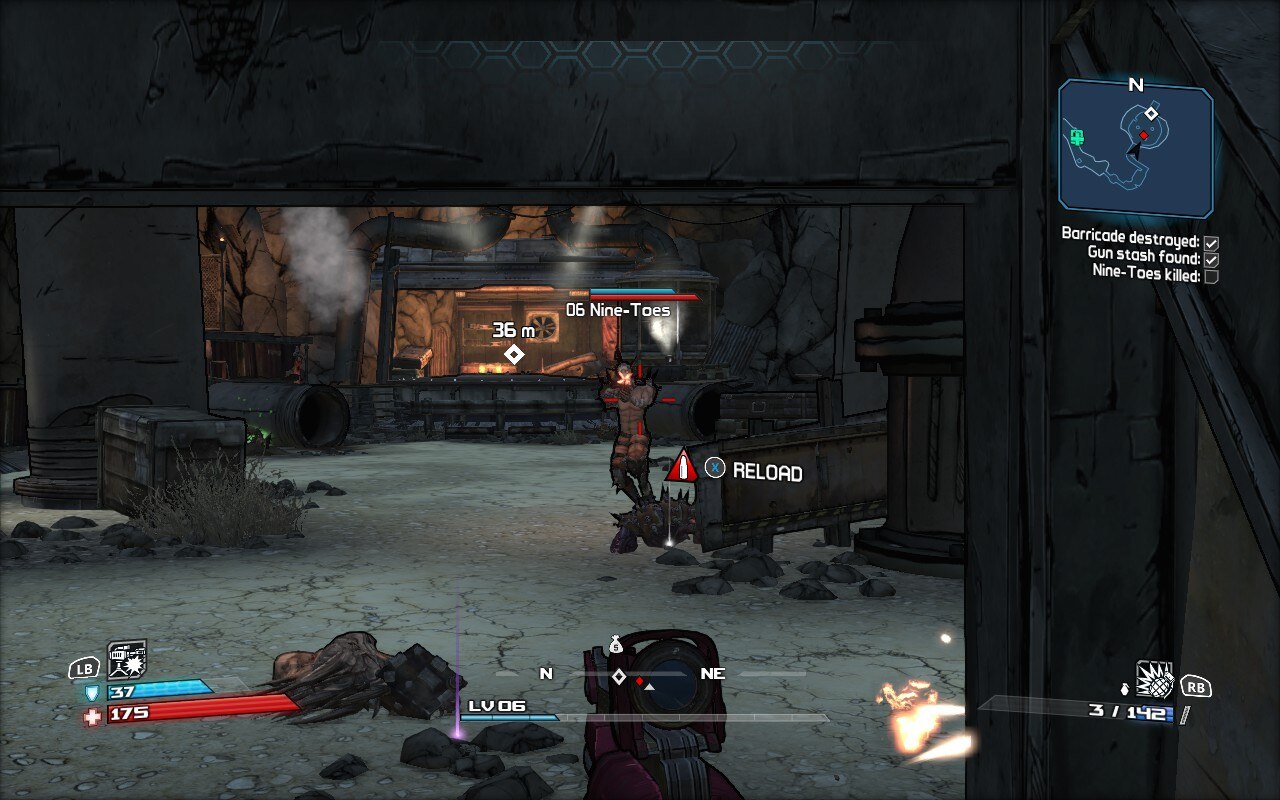
Released in 2019, Borderlands: Game of the Year Enhanced (B:GOTYE) is a re-master of the original Borderlands, which was released in 2009 – and was the first game in the Borderlands series. It is a looter shooter (FPS) with RPGS elements. While I don’t think this game is bad, I also feel it’s overrated.
B:GOTYE concerns vault hunters in search of a fabled vault on the planet Pandora. When they arrive in a town called Fyrestone, a woman named “Guardian Angel” sends telepathic transitions telling you to talk to a robot. From here, shenanigans ensue.
Okay, Borderlands has many horrible symptoms that occur quite a lot with many modern FPS games. The biggest problem is that it’s way too complicated for something that is, at its core, quite simple.
It’s got a long, long tutorial. You can’t skip it. Even though it largely plays like every other FPS, it wants to teach you all that stuff all over again. After 4 hours of solid play, it still wanted to teach me new stuff.
Then there’s the actual loot. Yes, I get that loot is the point. However, the loot doesn’t seem all that good. There’s lots of guns, but they’re not particularly memorable, and I find myself not giving a damn after awhile. In Serious Sam, for contrast, every gun is memorable and you look forward to using them. But in B:GOTYE, I pretty much just stick with sniper rifle and shotgun, which pretty much does the job. There’s so much fluff for something that should be simple.
The maps are big, but they also take lots of repetitive traversing, and you tend to meet the same enemies again and again – there seems to be no point in clearing out an area other than you might be able to raid their bodies and find more loot.
Graphically, I feel mixed. On one hand, I like the cartoon quality, which give it a unique look. However, I found myself staring at a sea of brown and beige seemingly forever. Remember when I talked about the brown that infested games during the 2000s? Behold, Borderlands.
That said, B:GOTYE has a few advantages over the original Borderlands. It now has a mini-map, and there’s extra texture detail. In that regard, yes, this is good work.
The sound is the high point. The music is excellent. I liked the Western-inspired soundtrack. The voice work is well-done. And yes, I liked the general sound effects.
All of this might sound like I despise B:GOTYE, but this isn’t the case. If there’s a good aspect about B:GOTYE, it’s the RPG elements. Levelling up is fun, and it’s great to be able to build your character’s abilities.
The combat, when it’s not repetitive, can be decent – particularly the boss fights. And I also love the NPCs, who seem to have more character in them than the playable characters that you select.
As well, unlike Destiny 2 or Warframe, at least there’s no micro-transaction bullshit. So if micro-transactions are something you want to avoid, Borderlands might be suitable for you.
To run B:GOTYE, you need a 2.6Ghz dual core CPU, 4GB of RAM, 2GB of VRAM, and 25GB of space. While this was made natively for Windows, I got it running fine on Linux via Proton. Initially, B:GOTYE complained about my Steam Deck not being able to run the game properly. But ignored this. And you know what? It played at a steady 60fps at high settings.
In addition to PC, B:GOTYE was released on PS4, Xbox One, and Nintendo Switch. The original Borderlands was released on PC, Xbox 360, Xbox One, PS3, and OnLive.
Developer Gearbox is considered one of the premiere AAA developers for FPS games. They’re known for making Brothers in Arms, Battleborn, and the infamous Duke Nukem Forever.
On Steam, B:GOTYE has an 86% approval rating. People clearly like this one, calling it the game that defined the looter shooter. However, other people point out bugs, a stealth DRM system, and that the game hasn’t aged well.
Borderlands was an okay game, but “Game of the Year”? In 2009, Street Fighter IV came out. But also, Plants vs. Zombies as well. We also got Punch-Out!! for Wii. These are all games I’d rather play than Borderlands.
Neither do I think Borderlands was the best FPS released in 2009. No, that honour goes to Left 4 Dead 2 – which I still return to even now because that game slaps!
Maybe I have certain preferences due to my age. However, Borderlands is now 14-years-old. While looter shooters are still a thing, I don’t think Borderlands holds a candle to modern looter shooters. Did it help define a genre? Yes, but it’s certainly nowhere close to being the best looter shooter ever.
Call it a hunch but I feel that nowadays Borderlands is seen by most people through the rose-tinted glasses of nostalgia. It was good for its time. It was not great, but it had some unique ideas.
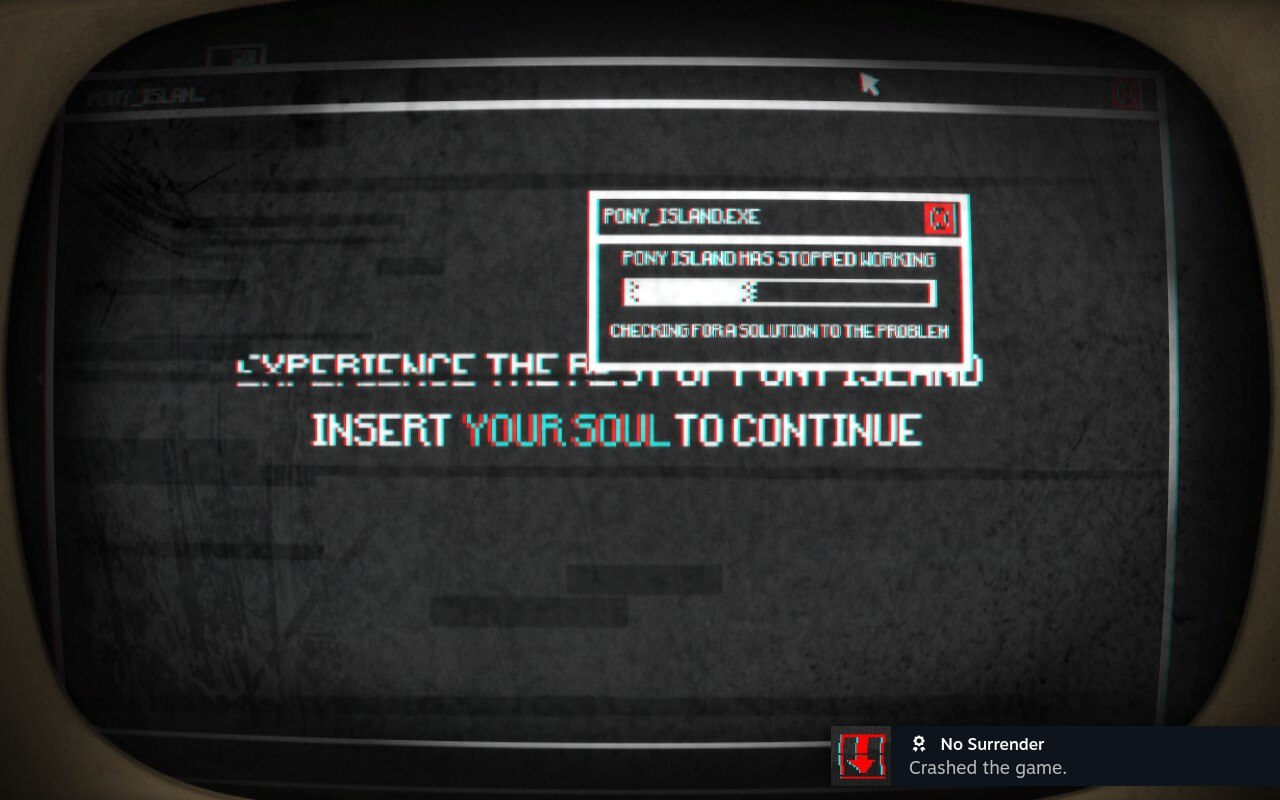
Released in 2016, Pony Island is a puzzle arcade that’s also a hacking simulator and a psychological horror. It is also one of the most bizarre and creative games I’ve ever played.
Unlike what the name indicates, it’s not about ponies. Instead, it’s about an evil and broken arcade cabinet possessed by Satan. You are trapped inside of it.
It seems you’re destined to continuously play this awful arcade game for the rest of your life, but unbenownst to the devil, you have coding skills and can hack the game’s code. Perhaps you can use your skills to free yourself from Pony Island.
Funny enough, this game is accurate to a certain degree. I remember in the 90s and early 00s, when I used to frequent various hacking spots, we used to play certain pranks like this on each other all the time. You know, you put a “mysterious” pop-up on someone’s screen, and when they go to click on it, you suddenly move the dialog box.
As an aside, I wish code was as “easy” to fix in real life as it is in Pony Island. When something is broken on Pony Island, it is very apparent. But in my experience, finding broken code in real life is a painstaking process. I’m glad Pony Island didn’t go for simulating an authentic broken code because that would have been a less entertaining game.
It is highly recommended that you play Pony Island with a keyboard and mouse. A trackpad will do but it’s nowhere near as precise as a mouse. I managed to play this on my Steam Deck, and while it was playable, if I were to try this again, I’d play it on my tower instead.
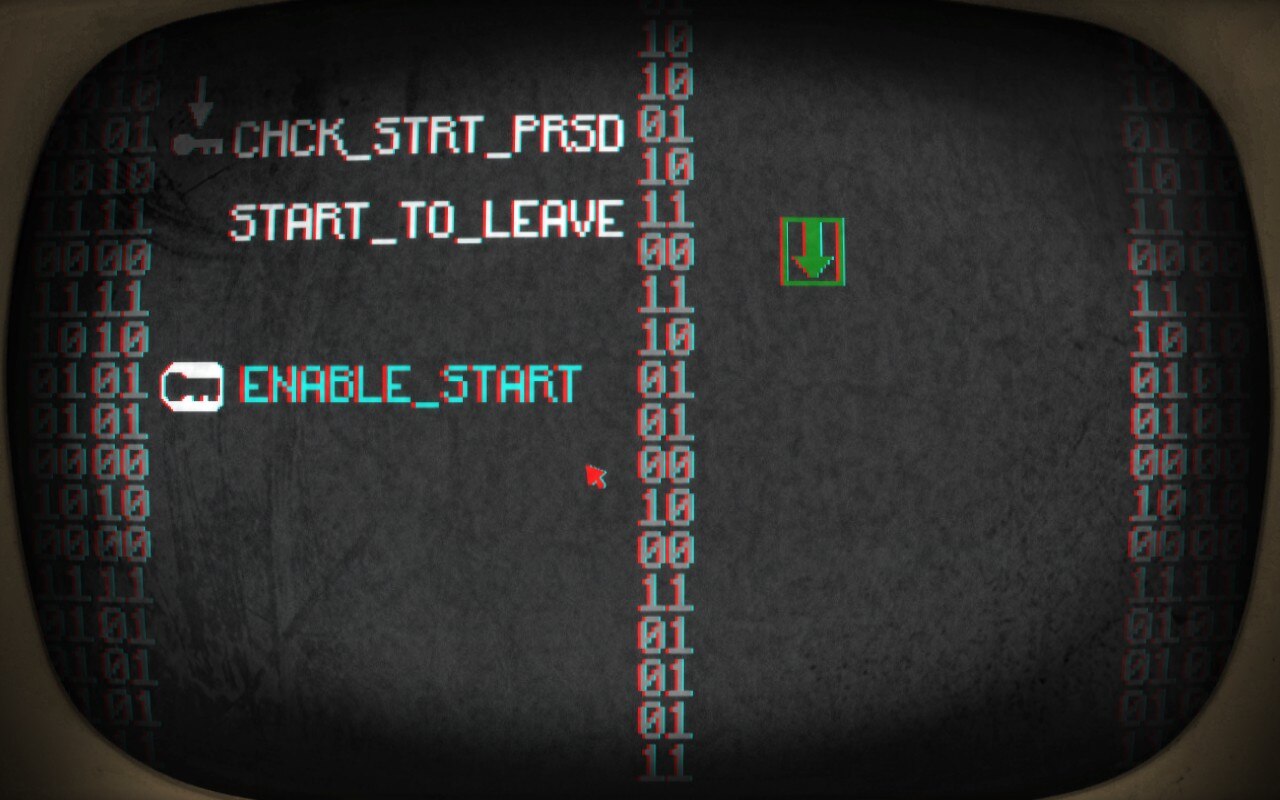
The graphics are something else. Pony Island is supposed to be an arcade game, but it also has a GUI, and looks like a terminal made in the 1970s too. The graphics are largely monochromatic with red used for accenting. This is haphazardly retro but not period specific – which makes Pony Island very creepy. Who, in their right mind, would make such a cursed machine?
The sound effects are great. Again retro, but not period specific. I quite like the sounds that happen when you do something the machine doesn’t like. In terms of the soundtrack, it’s 80s-inspired chiptune music but is much more complex than what would be found in 80s chiptunes – again, giving it a creepy effect. Composer Jonah Senzel did a great job.
Most modern machines can run Pony Island just fine. Almost any modern CPU will do. You need 2GB of RAM and 400MB of space. It has been released natively for Windows, Mac, and Linux. Pony Island is “verified” on Steam Deck, though I wouldn’t recommend that route unless you’re docking it.
Apart from PC, Pony Island has been released on the Blacknut streaming service. No console has ever had a release, and I don’t think it would be a good experience there.
Pony Island is a solo development project by Daniel Mullins. In addition to Pony Island, Daniel Mullins has also made Inscryption and The Hex.
On Steam, Pony Island has a 91% approval rating, and I can see why. It’s a daring, creative, and intense game with a captivating story that blends many disparate game genres together. The people who don’t like it compare it to a bad Flash game. However, Flash games are rarely this ambitious nor complex.
It is awesome that Pony Island is only $5.49, and it offers a more intense and immersive experience than games that are charging 10x as much. It’s also great that Pony Island often goes on sale. Right now, you can get it for 80% off.
If you’re easily spooked, you might want to avoid Pony Island – this isn’t a game for children. But if you want something that will freak you out and is also off the beaten path, then Pony Island is a must-play.
Don’t go watching YouTube playthroughs if you want to make the most out of Pony Island. It’s best when you go in totally unaware of what will happen.
Pony Island is indie gaming at its best: an incredible novel experience that cannot be delivered through any other medium.


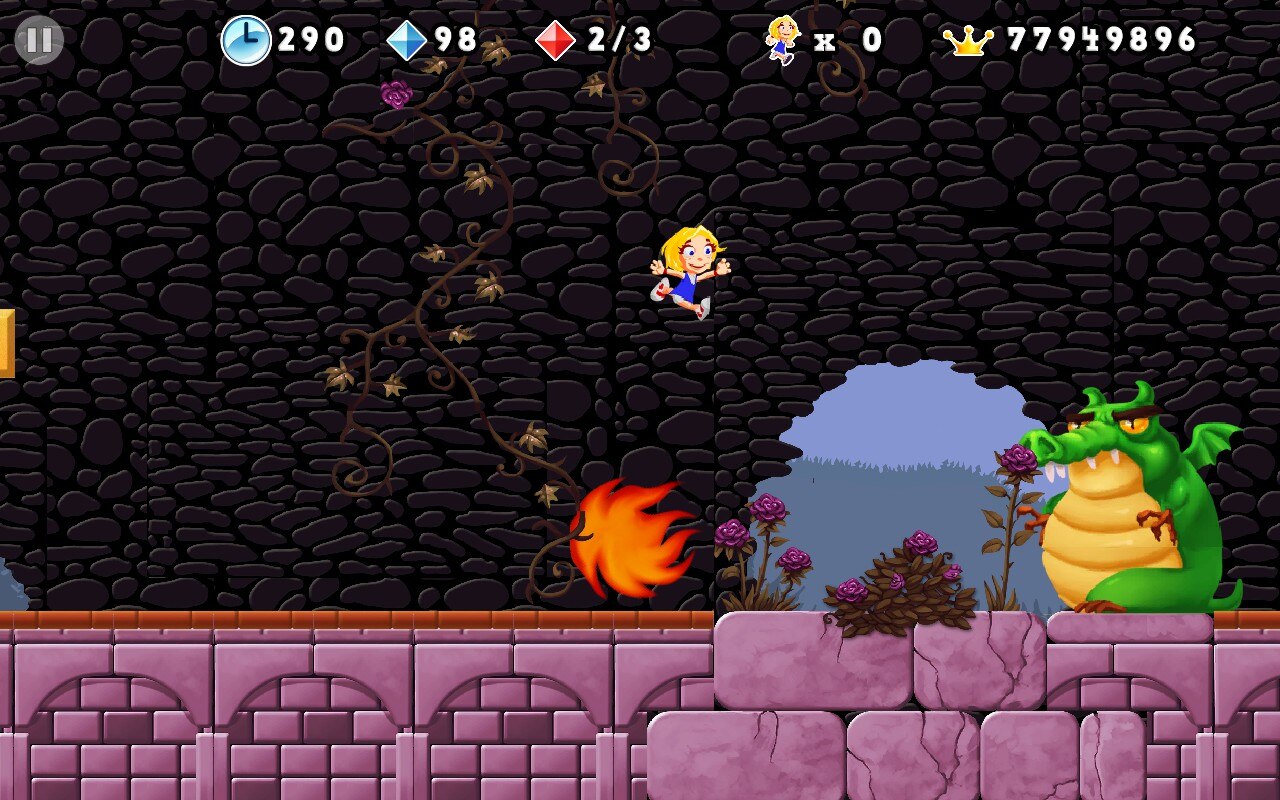
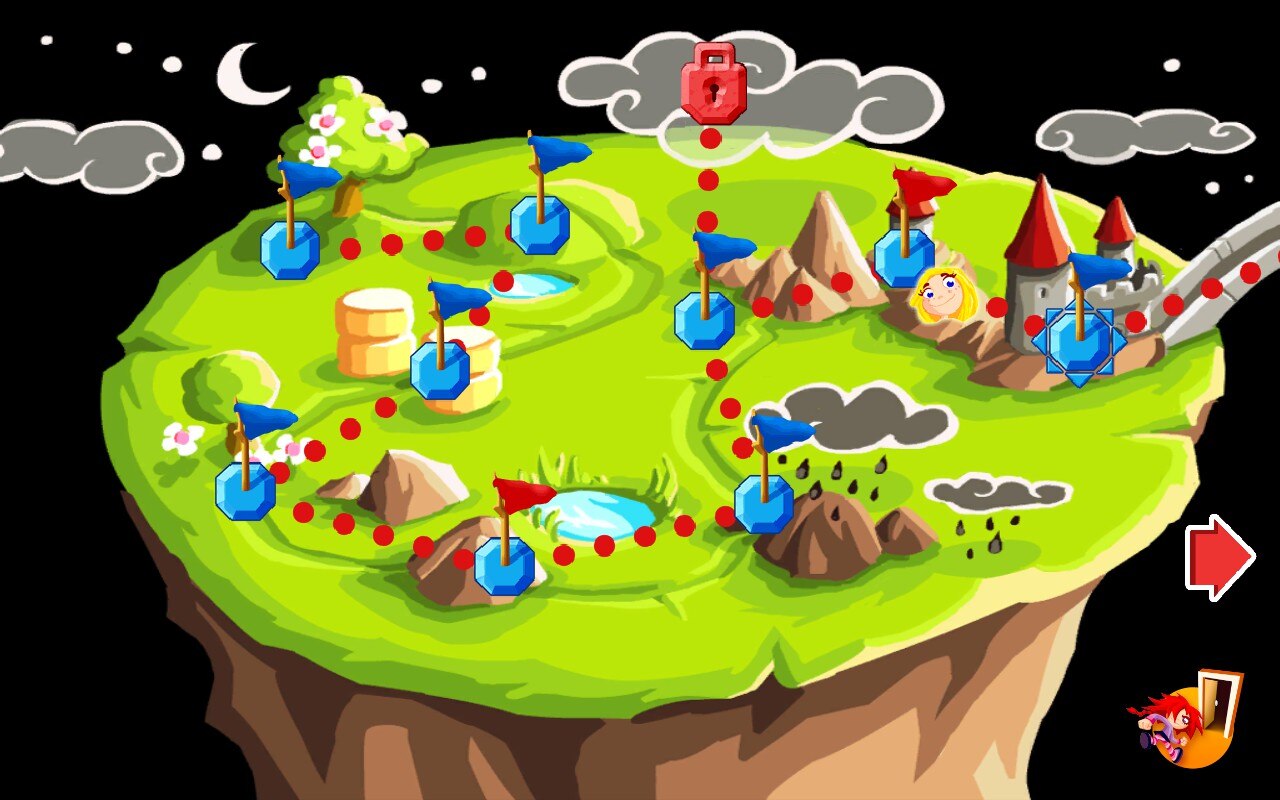
Released in 2009, Giana Sisters 2D (a.k.a, Giana Sisters DS) is the sequel to The Great Giana Sisters, released in 1987 for the Commodore 64. This game has an incredible history.
If you had a Commodore 64, you might be familiar with The Great Giana Sisters. It was a clone of Super Mario Bros, and looked quite similar too. Unlike many clones, The Great Giana Sisters had very good level design, and a soundtrack by Chris Huelsbeck that proved iconic.
Unfortunately, this caught the attention of Nintendo. Nintendo threatened the developers with a lawsuit, and they complied by removing The Great Giana Sisters from sale.
But the game proved incredibly popular amongst Commodore 64 fans, so much so that it was pirated immensely. I, myself, had an unauthorized copy. It gave me hours of fun.
Fast forward to 2009. Somehow the original designer Armin Gessert acquired the IP of the original game, and he made Giana Sisters DS as a sequel. It looks nothing like the original Great Giana Sisters – for obvious reasons – but you know what? What he produced was great – and on the DS too, a Nintendo platform no less! Critics praised the level design, great controls, and catchy music.
Tragically, Gessert passed away a few months after Giana Sisters DS was released, but at least he lived to see the Giana Sisters vindicated.
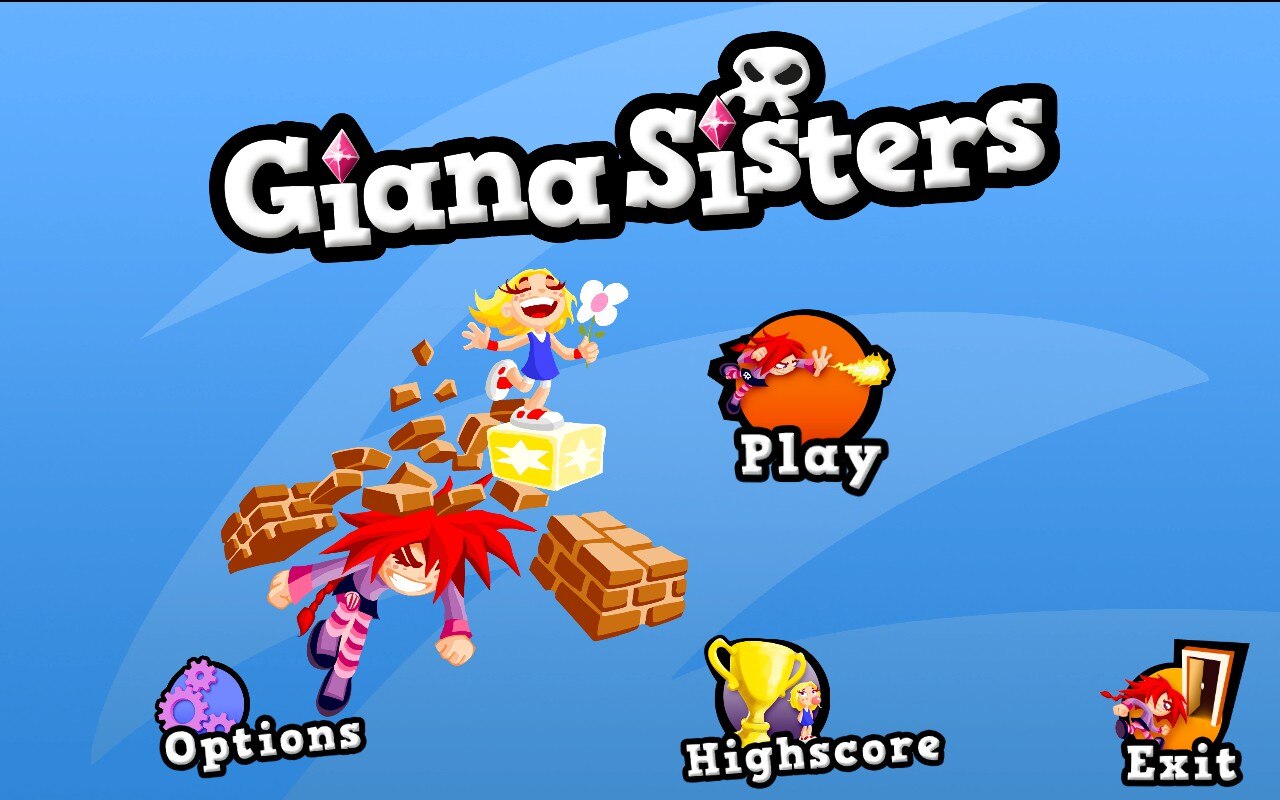
In 2015, Giana Sisters DS got an HD re-master for Windows called Giana Sisters 3D – although the loading screen just says Giana Sisters.
As for the plot? It concerns a young girl named Giana who falls asleep admiring her treasure chest. As she falls asleep, the treasure chest falls to the floor, causing the lid to open – resulting in Giana disappearing into a black hole. When she wakes up, she discovers she’s in a new world where she must uncover the mystery of the chest.
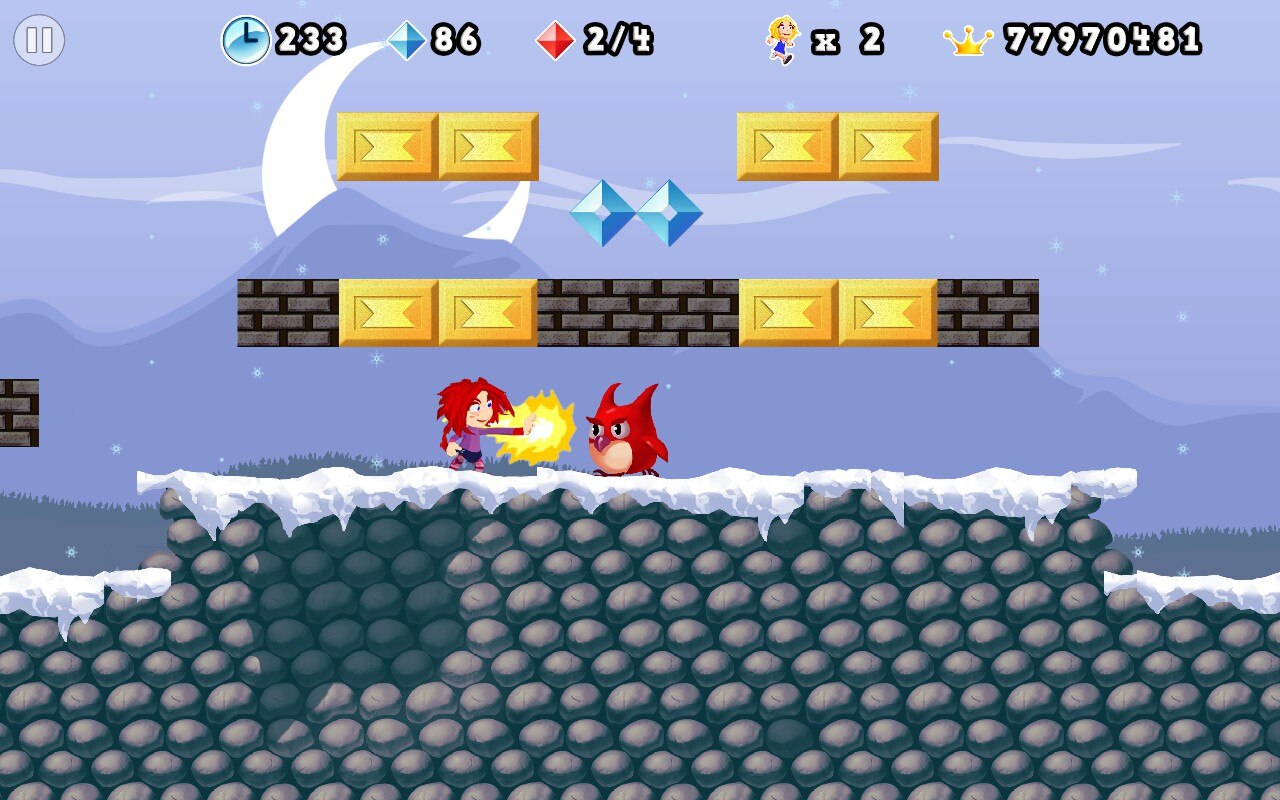
You might be wondering where the other sister comes into play. Well, when she uses a power-up, Giana becomes “punk” Giana, who now has the ability to throw fireballs. That’s the other Giana sister.
Giana Sisters 2D still controls a lot like Super Mario Brothers. It’s basic platforming 101.
The graphics have a certain style that was en vogue during the early 2010s for 2D platformers. I would have preferred retro-style pixel art, but perhaps that would have opened a certain can of worms with die hard fans.
I also would have preferred Chris Huelsbeck to come back as the composer, but I won’t bemoan Fabian Del Priore who did a very capable job here.
To run Giana Sisters 2D, you need a 2.8Ghz dual core CPU, 2MB(?) of RAM, 256MB of VRAM, and 2GB of space. There’s apparently an OS X version, but I don’t see that available on Steam. Linux runs this fine via Proton. And I confirm this is very playable on a Steam Deck.
In addition to DS, Windows, and Mac, Giana Sisters DS was also released on iPhone, iPad, Android, and Ouya.
Spellbound Entertainment, which Gessert founded, has also made Airline Tycoon, Chicago 1930, and the Arcania series. In 2012, they were re-founded as Black Forest Games. They’ve developed three more Giana Sisters games, which are Giana Sisters: Twisted Dreams, Giana Sisters: Twisted Dreams - Rise of the Owlverlord, and Giana Sisters: Dream Runners.
On Steam, Giana Sisters 2D has a 66% positive rating. It seems a number of people are upset this is not the original Great Giana Sisters. Others complain that this HD version is not as good as the original DS version – which makes sense since the DS version utilized the touch screen and microphone, which is not present on the PC version.
But by itself, Giana Sisters 2D is great. This isn’t just my opinion, my kid loves it. And when I put this on for my kid’s friends, they love it too. Giana Sisters 2D is a great game to get children into platforming.
It’s also nice that girls get to see someone like themselves in a fun adventure. If you want to introduce a young girl to video games, Giana Sisters 2D is a great place to start.
I like Giana Sisters 2D quite a lot. It has a permanent home on my Steam Deck.
It’s also wonderful that a “forbidden” classic got a sequel.

nostr:npub1ztqwadaanm0vekselzp37vkglmyhfhf2nq4k2m4xphfgr7ry62pq6rr2j6 Too much edge gets you killed.
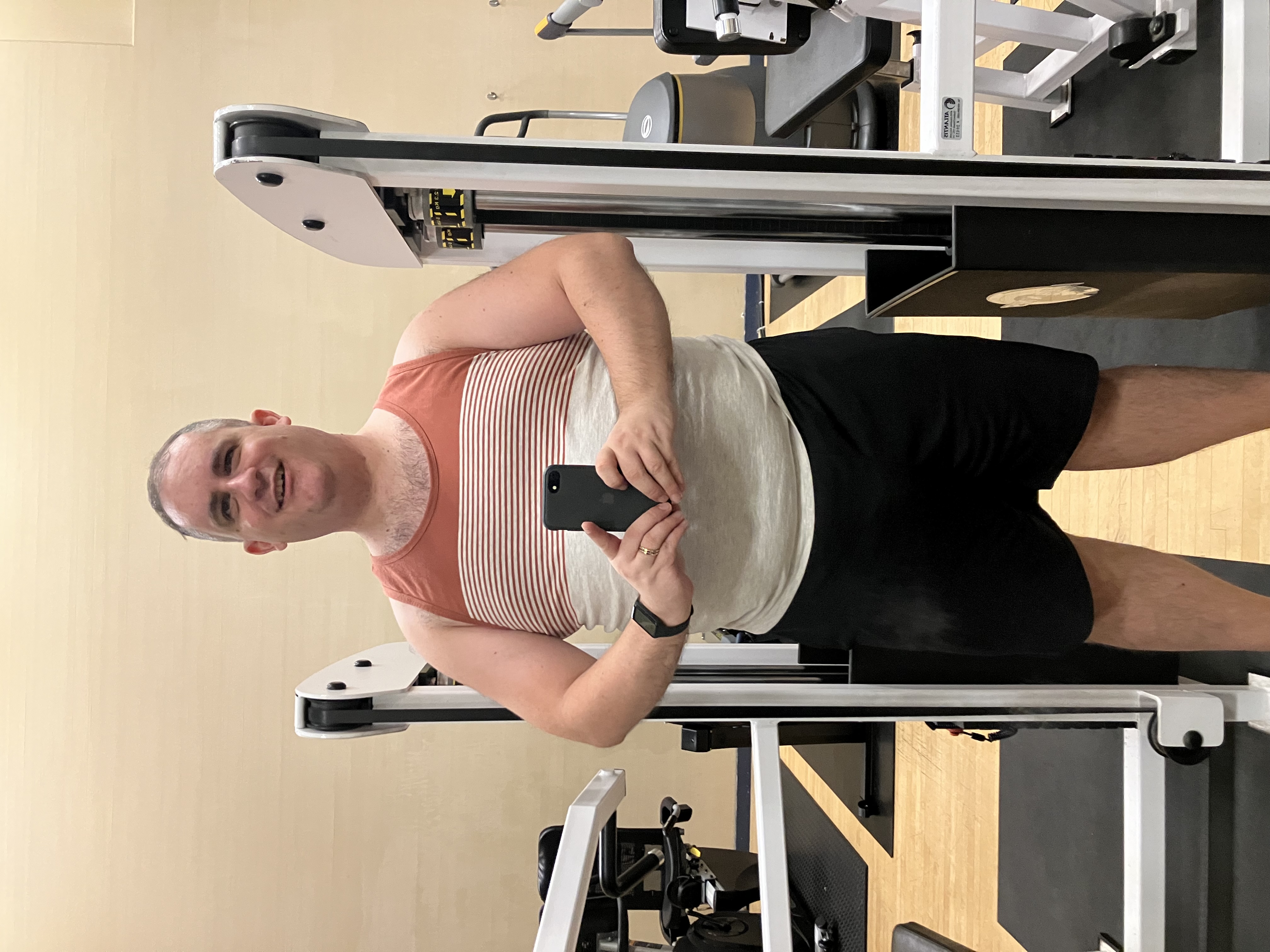
What 10 months of weightlifting got me.
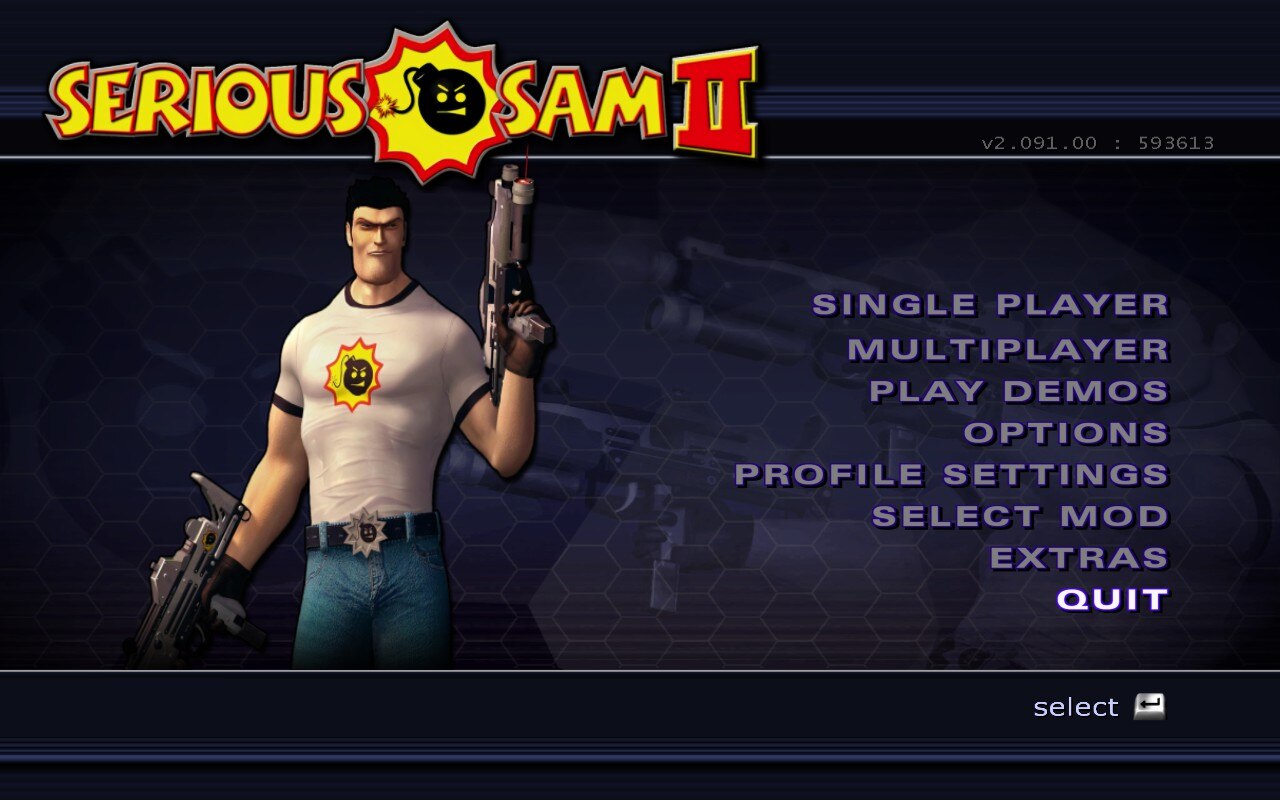
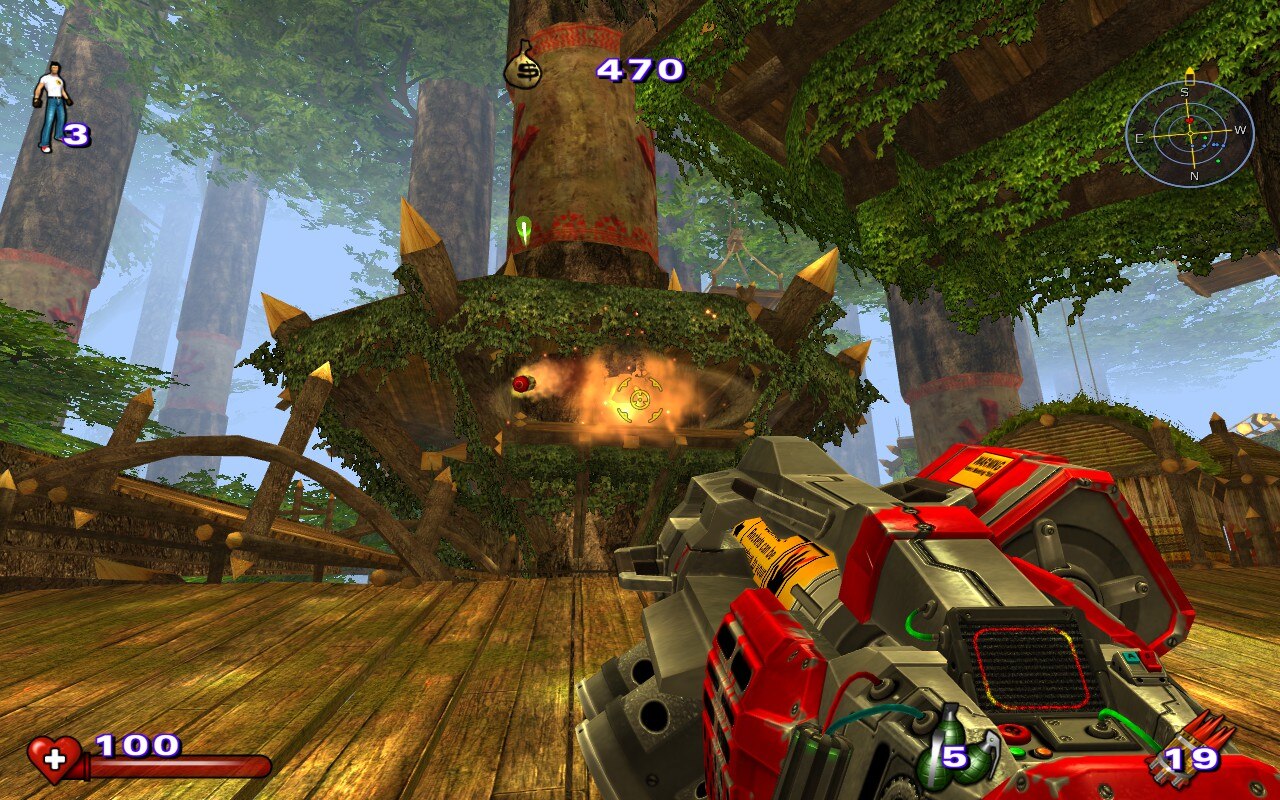
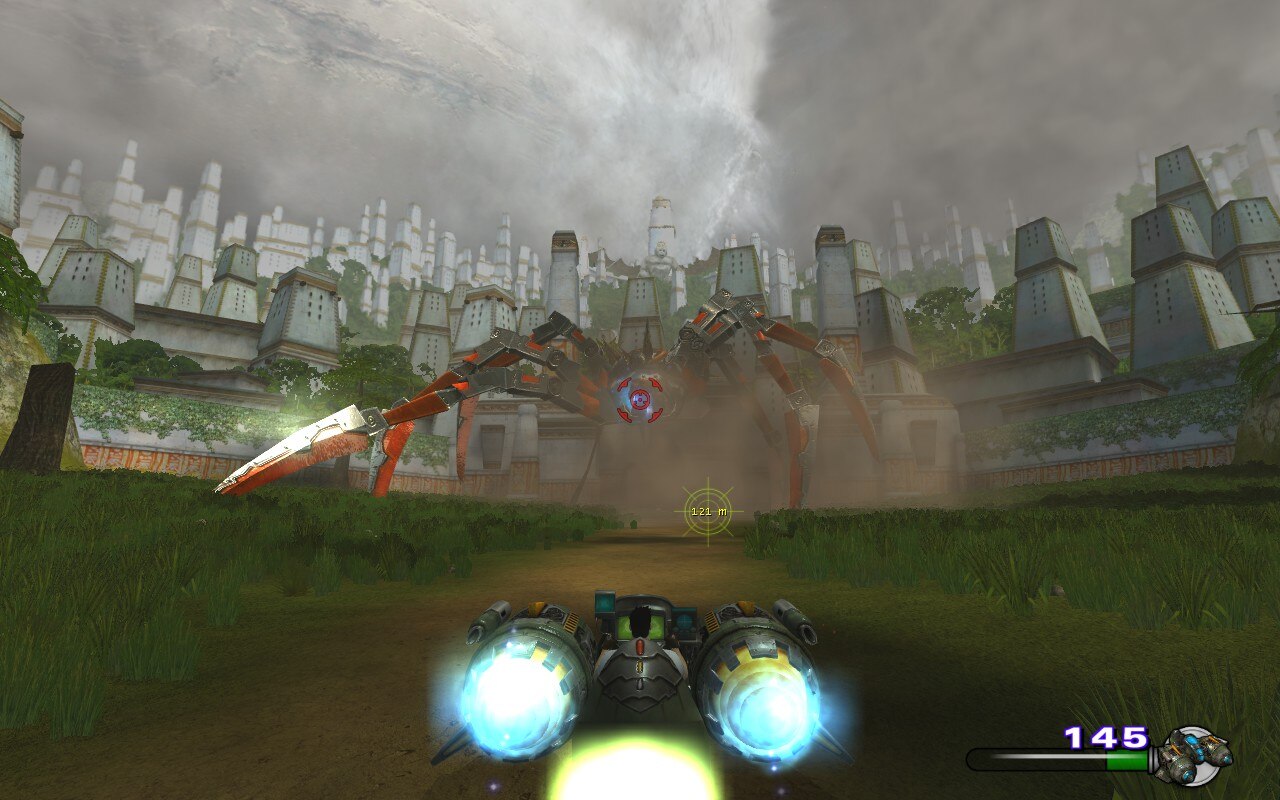
Released in 2005, Serious Sam II is an FPS, specifically of the “boomer shooter” variety. A strange and bizarre game even by Serious Sam standards, it is also my favourite in the series.
At this point, Serious Sam is now the spiritual successor of Duke Nukem 3D. Or, as others put it, Croatian Doom. But Serious Sam II is more over-the-top for either Duke Nukem or Doom – and that’s quite an accomplishment!
In this game, you have to collect medallions from different planets in order to defeat the super villain Mental. But quite honestly, the story isn’t important. This is all about the destruction!
Back in 2007, I originally encountered Serious Sam II when a roommate of mine wanted to show off his media PC (as we were calling them back then) on his new-fangled 1080P TV. My roommate always commented on how beautiful the grass and textures looked. Working for Xbox customer support at the time, I suggested that we invest in Xbox controllers for the PC – and we went nuts in multiplayer.
To understand Serious Sam II, it’s essential to know that this is an arcade shooter in the truest sense of the word. I don’t mean in the sense of video game cabinets. I mean in the sense of those shooting gallery games you played with actual physical guns at carnivals.
Except in Serious Sam II’s case, you get more guns. And what you’re shooting shoots back. And it all seems like a fever dream.
Explaining the controls seems silly. This is a typical FPS, and controls like one. The new mechanic that devs added to the series was vehicles, and that’s not all that unique. Vehicles were available in the original Halo.
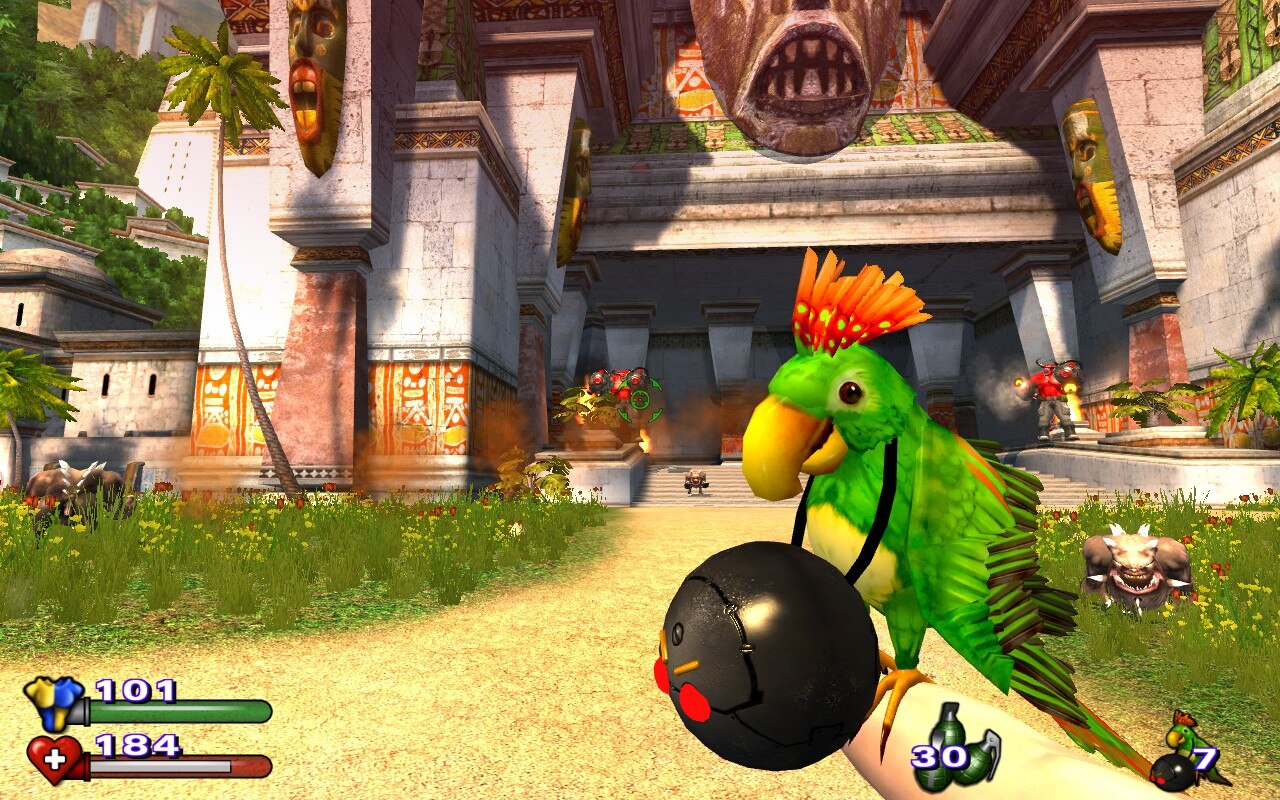
What is unique are the visuals. At a time when games, especially of the FPS variety, were “gritty”, “realistic”, and (shudder) brown, Serious Sam II eschewed all that and went with shocking and bright colour.
To look at Serious Sam II is to think you’re watching a Saturday Morning cartoon while on LSD – and the hallucinations get violent!
The enemies are ridiculous. For example, zombie stockbrokers. How many games have enemies like that?
Even more bizarre are the worlds you visit. There’s an Elvis planet. That’s right, a planet that is all about Elvis – and you must help them out.
Everything is a wild technocolour swirl with fantastic and unusual stuff that I have to wonder what drugs the devs used to imagine this stuff. Seriously, which drugs?
But in all honestly, I think the visuals have held up. If you asked me which game I’d rather look at, Call of Duty or Serious Sam II, I’d pick Serious Sam II. Even now, it looks beautiful.
The sound is also incredible. Sam’s quips are always welcome, the sound effects are fun, and what a soundtrack! Composed by Damjan Mravunac, the music is lush with an emphasis on percussion.
Almost all modern PCs can run Serious Sam II. You need a 1.5Ghz single core CPU, 256MB RAM, almost any 3D accelerator, and 3GB RAM. While this was only made natively for Windows, Linux runs it fine mostly fine via Proton. There are some hiccups with the cut scenes, but the game play itself works well. On a Stream Deck this is perfectly playable though I suggest tweaking the controls.
In addition to PC, was also released for the original Xbox. No further ports were made.
Croteam, from Croatia, made Serious Sam II along with most games in the series. And while Serious Sam is considered low brow by many, they also developed the very cerebral first person puzzle game The Talos Principle – which I’ve reviewed previously.
Serious Sam has an 89% approval rating on Steam. Even though certain YouTubers seem to hate it, it seems that most people who actually own Serious Sam II love it. There are some detractors, with many decrying the lack of story and the many enemies that come at you.
But, in my opinion, complaining about Serious Sam II’s lack of heavy narrative is kind of like complaining that the game of tennis lacks a heavy narrative. It’s missing the point of what the game is fundamentally designed to deliver: fast-paced action and unrelenting challenges, not an intricate storyline.
In fact, the reason Serious Sam is generally popular is because it throws dirt at the notion that an FPS should be, well, serious. It’s a silly, frivolous game that’s really just about destruction and mayhem.
It has been quite influential, though. Dare I say it, some of Serious Sam II’s fantastical elements were later found in the 2013 reboot of Shadow Warrior. Or really, any game published by Devolver Digital.
If you enjoy FPS games, I think Serious Sam II is a must-play. It’s a classic, even if a bit of a hidden gem.
I lifted 195lbs today.
I’m very close to lifting every single weight on the machine.
Remember when Pong came out and nobody was impressed due to its terrible frame rate? Nobody had fun, and video games were ruined forever.
This hits close to home 😅
There’s thousands of games in my backlog that I still haven’t played. Steam Deck has given me a reason to clear my backlog, but I’ll probably never get to all of them.
https://hard-drive.net/hd/technology/steam-deck-enables-man-to-not-play-hundreds-of-games-on-the-go/
You might be wondering how I got thousands of games.
Bundle deals and 90% off sales. Sometimes there are free game giveaways too.I haven’t paid full price for a PC game in years.
And these aren’t all indie games. Some of them are AAA titles. For example, I got Payday 2 and Dirt 3 for free.
This hits close to home 😅
There’s thousands of games in my backlog that I still haven’t played. Steam Deck has given me a reason to clear my backlog, but I’ll probably never get to all of them.
https://hard-drive.net/hd/technology/steam-deck-enables-man-to-not-play-hundreds-of-games-on-the-go/
Taiwanese espresso latte—with an emphasis on latte. Cold, of course.

If you want a window into Taiwanese culture, go to a bubble tea shop.
Come for the tea. Stay for the Mandopop, plushies, mascots, and crafts.
So I gained weight, and thought, “Did I get fatter?”
But then today, I put on a t-shirt that I wasn’t able to fit 6 months ago. Suddenly, it’s loose on me.
This whole weight lifting thing is wild.
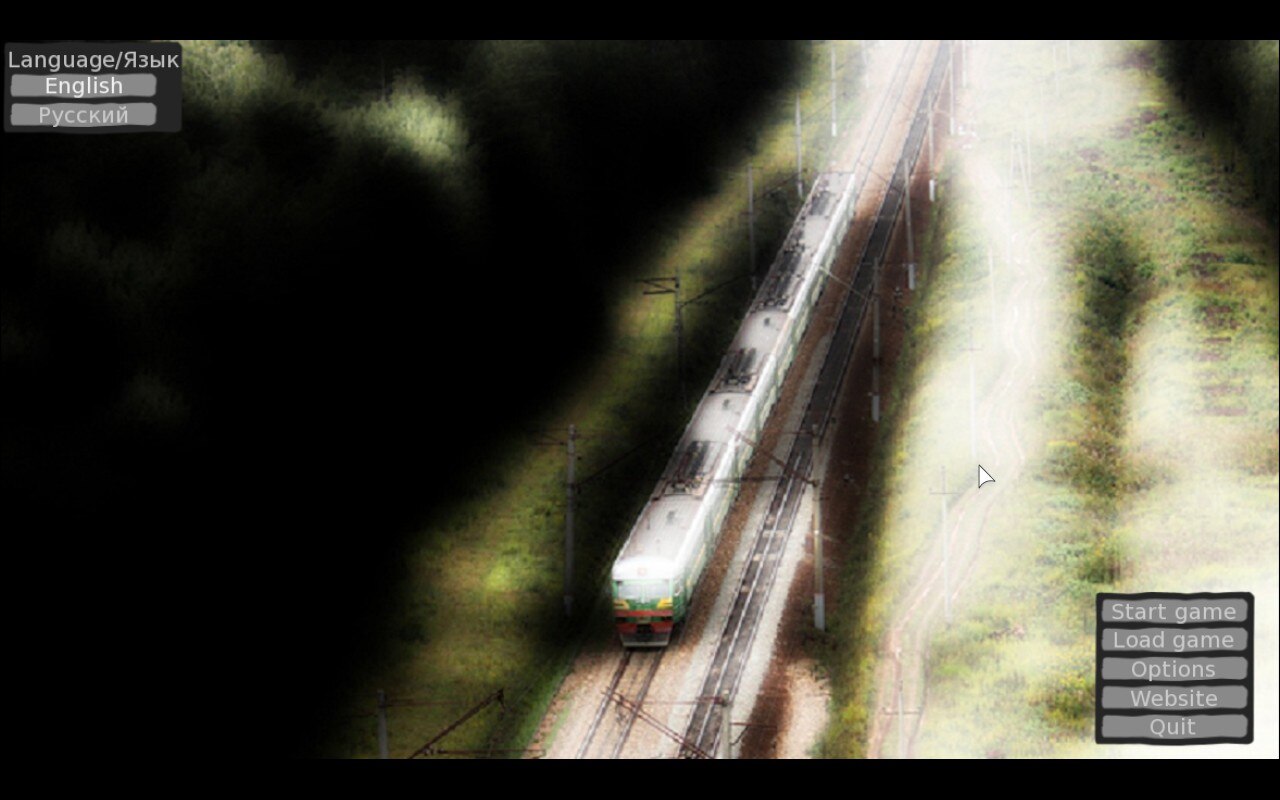
Made in 2016, Sixtieth Kilometer is a survival horror visual novel set in Russia. It has mature themes, and not suitable for minors.
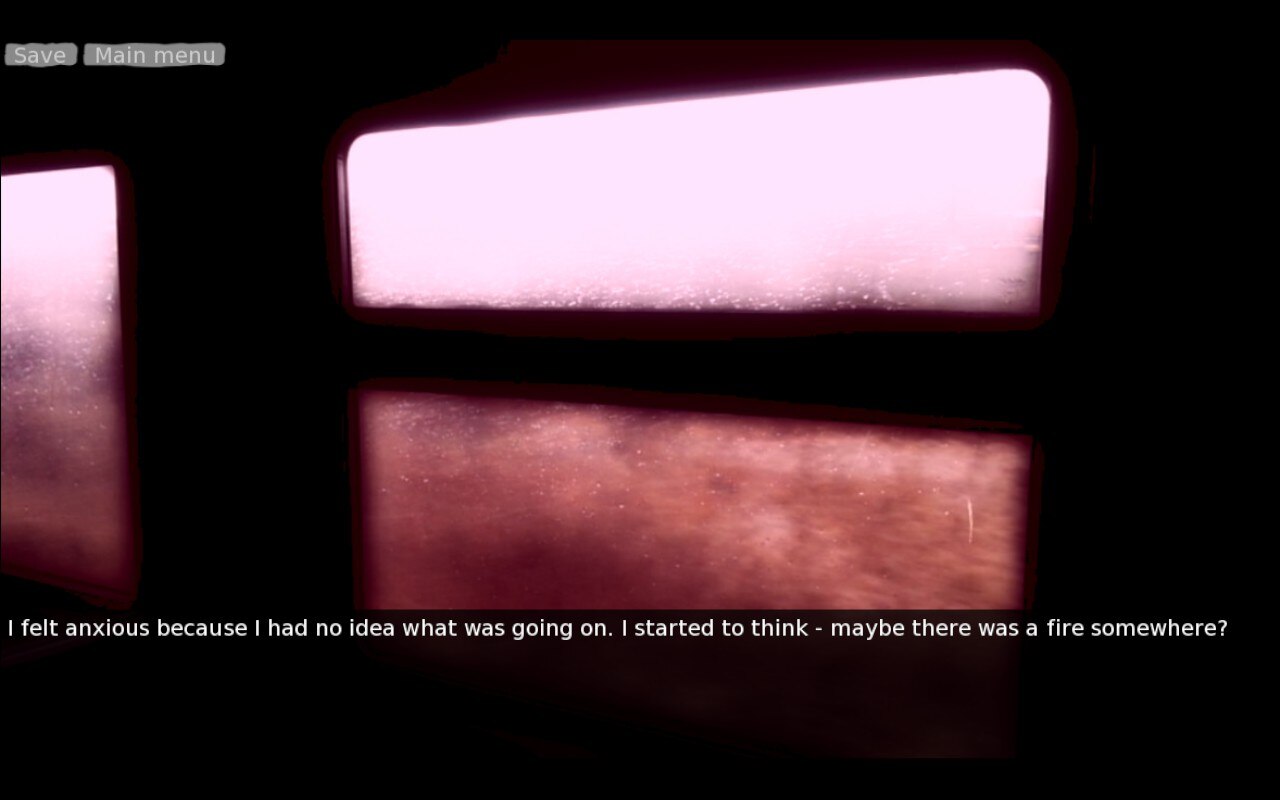
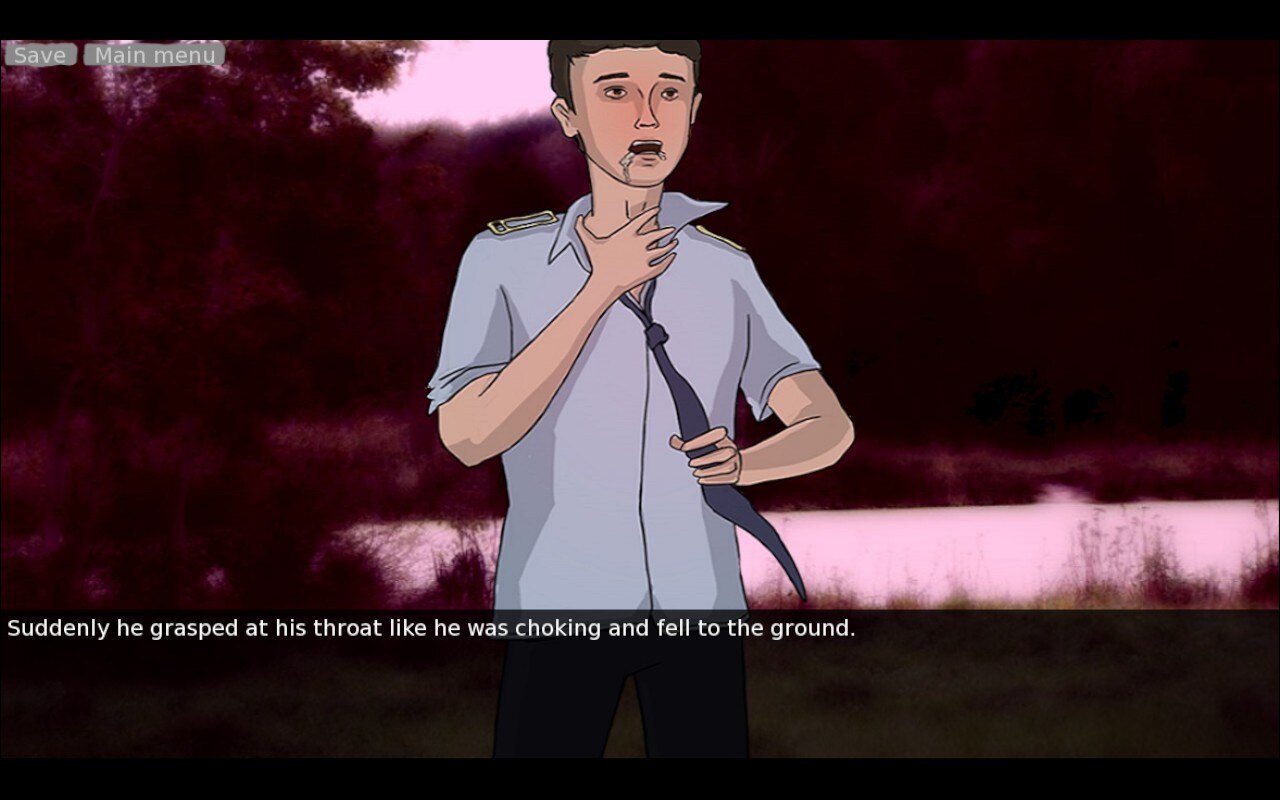
In this visual novel, you are on a train going to work when a pink mist descends all around you, killing everything in its path. You, and everyone on the train, must survive this mist and somehow find your way to safety.
As a game, it’s pretty much a “choose your own adventure”, though occasionally you must press specific buttons to proceed. It’s not made for gamepad, a keyboard is required. That said, gameplay isn’t the focus here, it’s the story.
The story is very good. It’s set in a newly post-apocalyptic world where your character has to uncover mysteries, and the story has several unique characters.
There’s not much to wow you in the graphical department. It is low resolution and the UI is spare. That said, it is nice that the visuals are hand-painted, and the character models are okay.
I do like the sound, as the music gives off an eerie vibe in keeping with the theme. There’s not much in the way of sound effects, but they work.
Sixtieth Kilometer is great for low spec machines. You need a 1.5Ghz single core CPU, 256MB RAM, and 500MB space. It is also has native support for Windows and Linux. I was able to play this on Steam Deck, but it wasn’t a fun experience. You’d do better to play this on a conventional PC.
You can also find this game on Android, but there’s no console release.
Developer Talentplace has made two other games: Red Lake, which is an FPS; and Rise of the Ancients, which is a tower defence game.
As a story, this is pretty good. It got highly invested in it, and it gave me chills.
But as a game, I think most people will find it quite limiting. Which is why I think you shouldn’t approach Sixtieth Kilometer as a game but almost as a choose-your-own-adventure novel. On that front is succeeds.

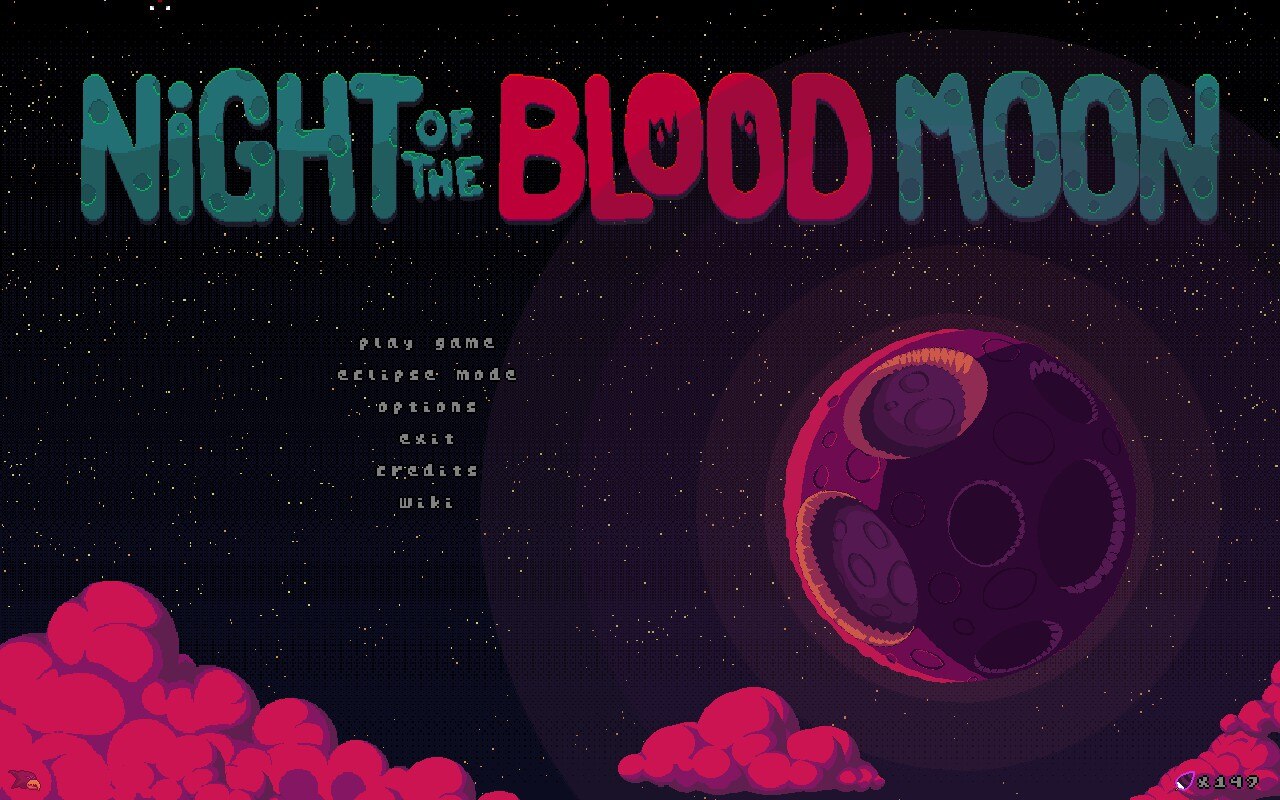
Released in 2018, Night of the Blood Moon is a rogue-lite action RPG. It reminds me slightly of Adventure Time.
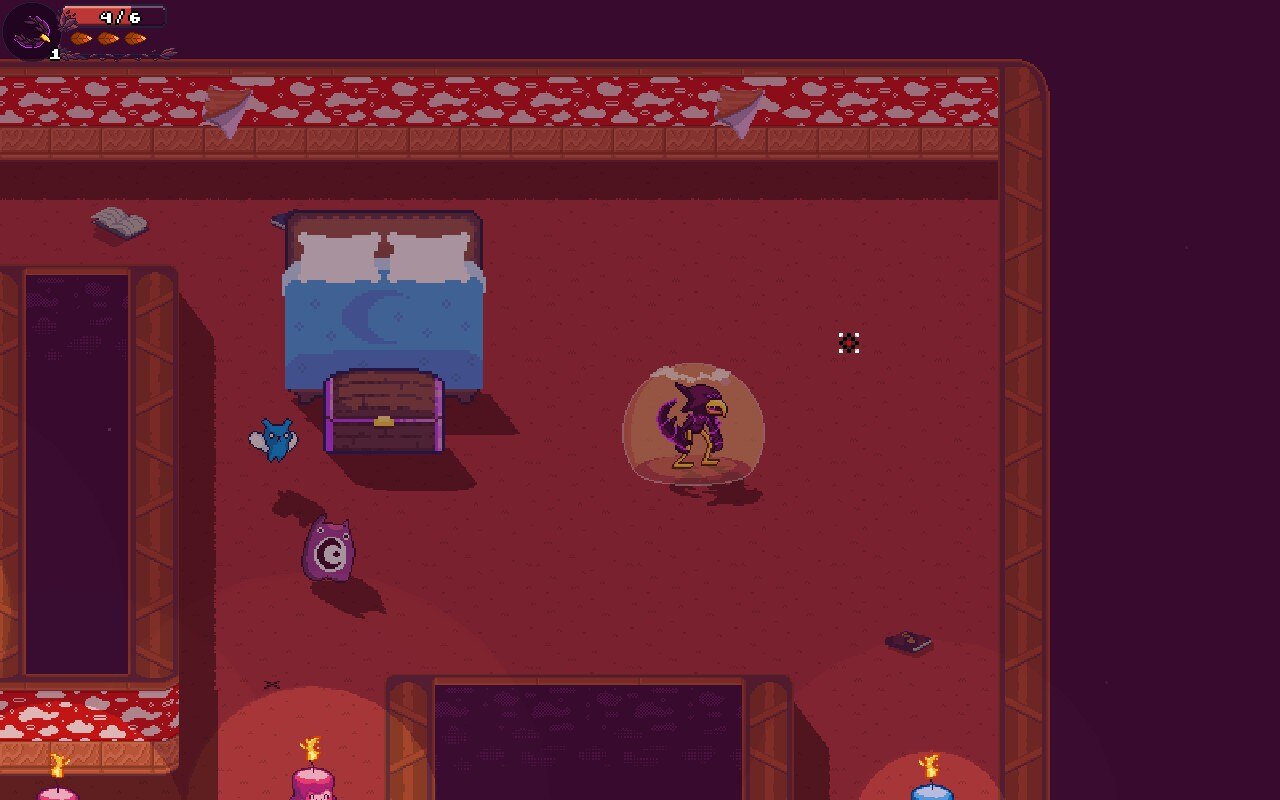
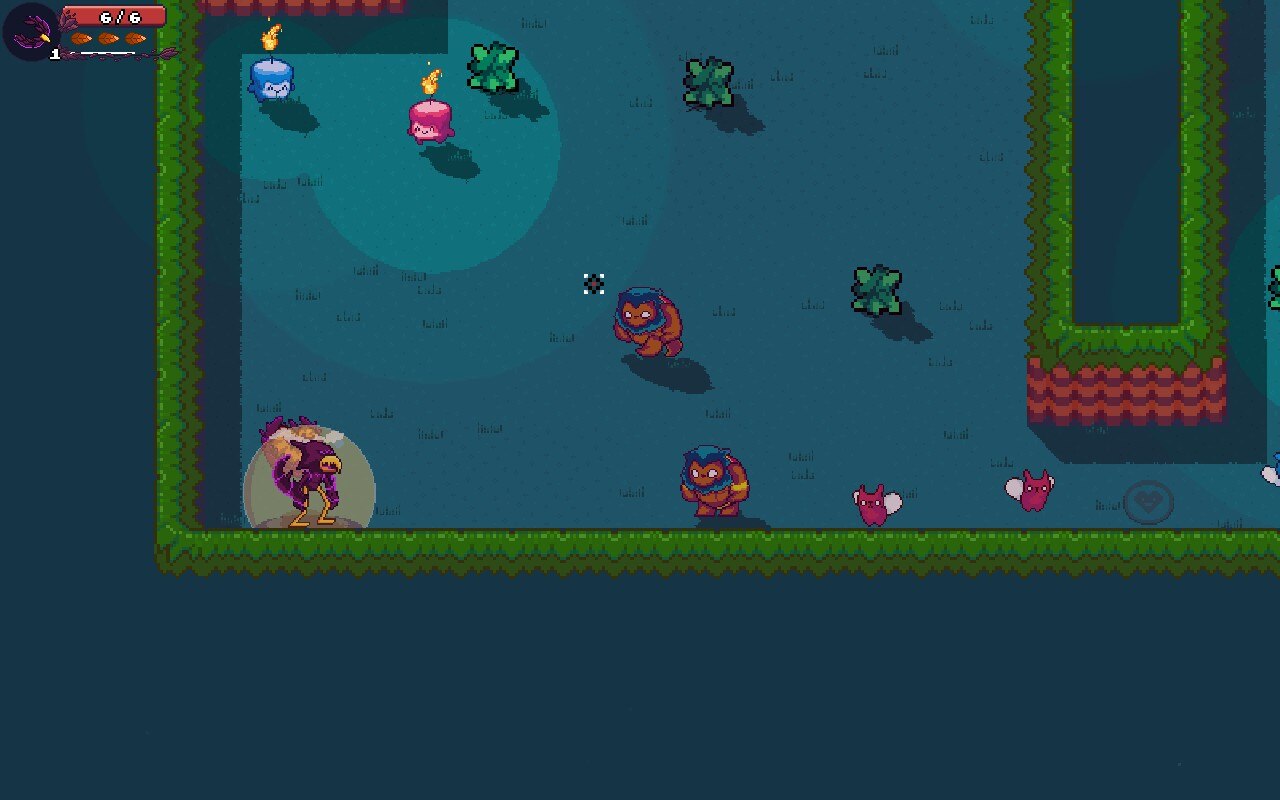
You are a bird-like nightmarish creature trying to take over the dream world. To do this, you must kill every cute creature you encounter. But the story doesn’t really matter, truth be told. The game really is about inflicting as much damage as possible on enemies.
You have a main attack, which is a melee. You also have a secondary attack which is usually a projectile. The projectiles are quite limited because you don’t have much ammo – so you have to use it sparingly. I don’t think this game works very well with controls because you must be very precise with your aiming. So if you want a good time, be sure to use either a mouse or a trackpad.
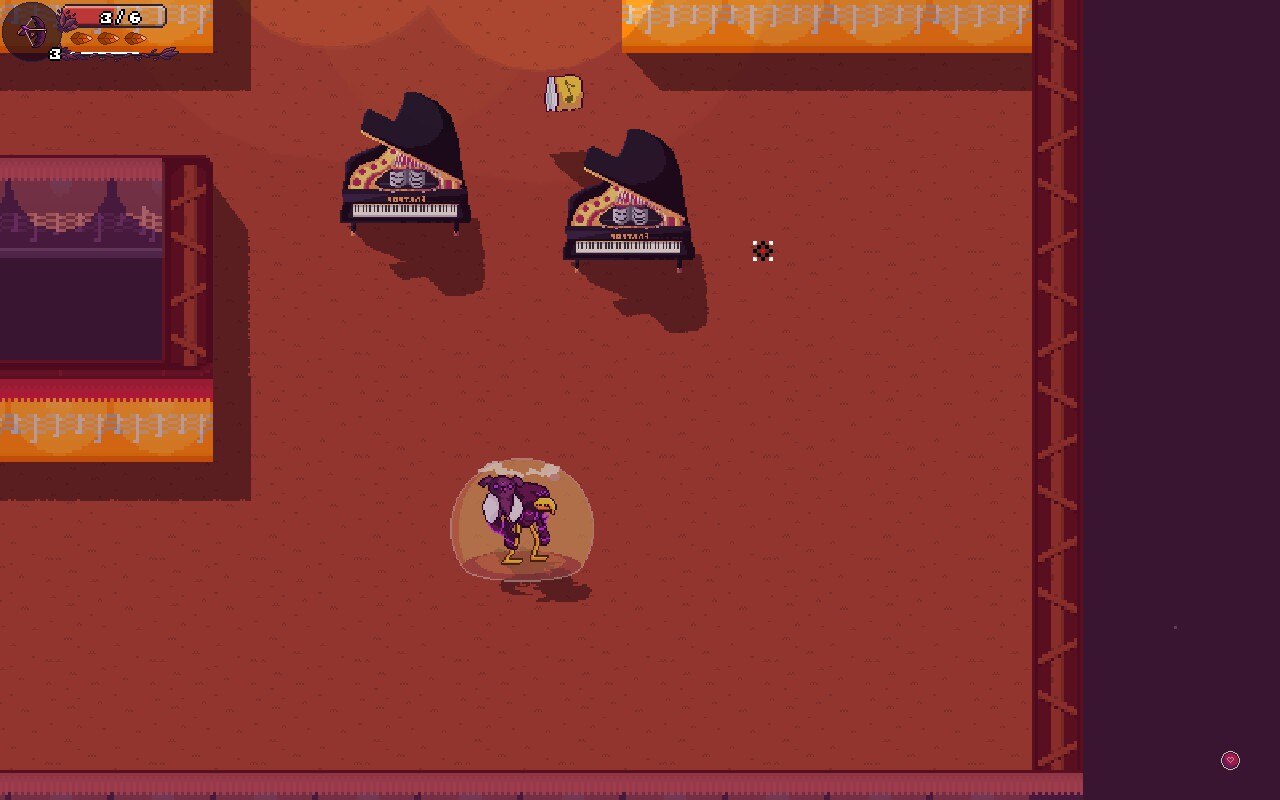
The graphics have that 16-bit quality which I personally find appealilng. I love the colour palette. As befitting of the theme, it focuses on a dark red. I likewise like the fluid animation.
I like the sound effects, though they seem drowned out by the music. Speaking of which, while I liked the music at first, I found that it gets way to repetitive. I was this game had more variation in tunes.
Virtually any modern PC can play this game. You need 1.2Ghz single core CPU, 1GB RAM, 256MB RAM, and 300MB space. It is also natively supported on Windows, Mac, and Linux. This is more than playable on Steam Deck, but I found myself preferring this on my tower.
Night of the Blood Moon is a PC exclusive. It has yet to have a console release. Personally, I think it would be great on Switch, though I acknowledge the controls might prove challenging.
Tyler McDermott is the lone developer for Night of the Blood Moon, and this is the lone game he’s made. I hope he makes another one because he shows great promise.
That said, apart from the great aesthetic, I found Night of the Blood Moon to be quite bare bones. I’ve played many similar games, and I don’t think this adds that much to the party. You walk in, kill everything, collect money, try to level up, buy a better weapon. That’s par for the course for rogue-lite action RPGs.
But I did have fun, and that’s what matters. Yes, there’s many games like this one, but I won’t begrudge playing an evil bird that kills cupcakes.