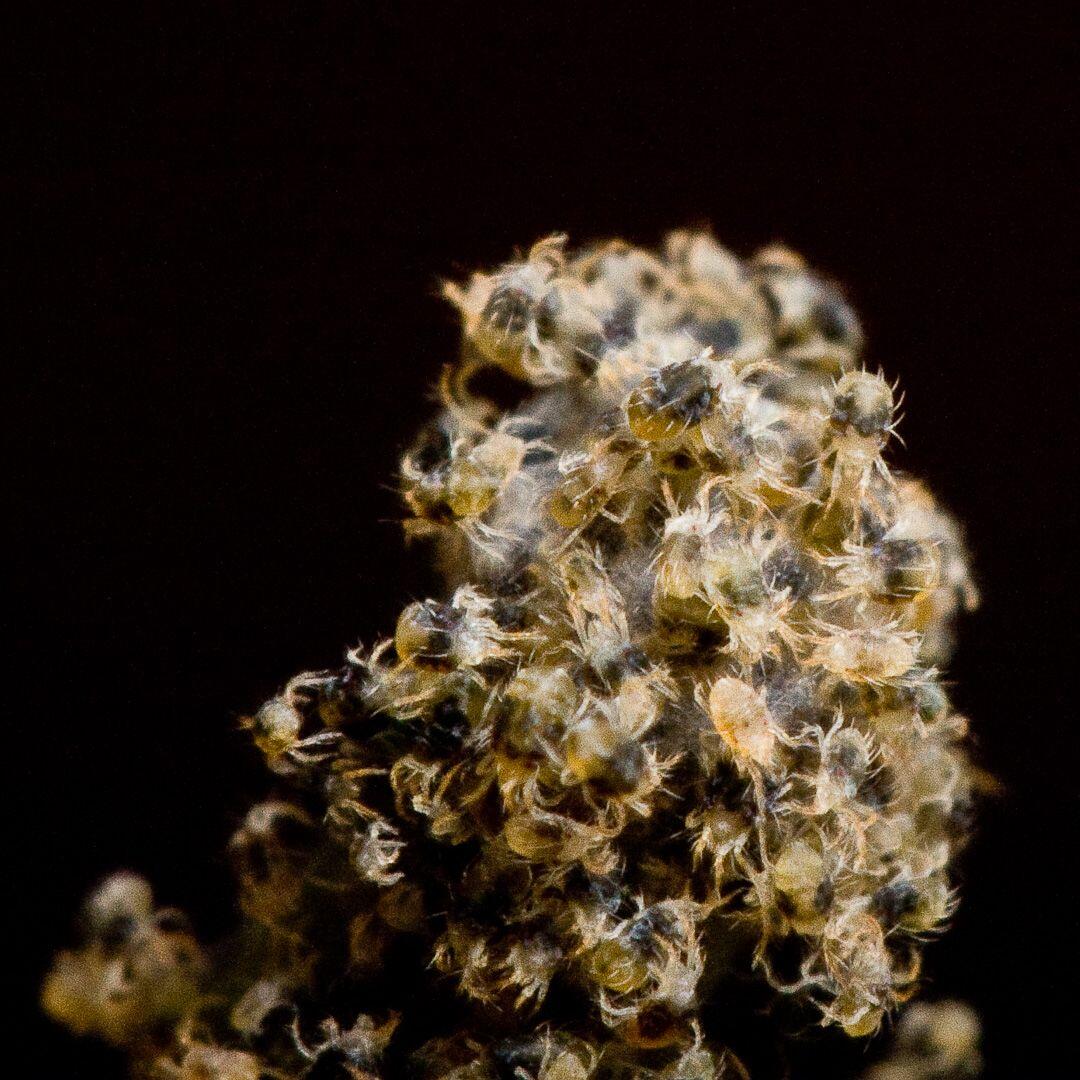

Good morning!
#cannabis #cannabistr #weed #weedstr #420 #GM 
This post was published in our blog but you don't need to leave Nostr to read it.
https://www.dinafem.org/en/blog/the-power-of-ascophyllum-nodosum-extract-in-cannabis-cultivation/
#cannabis #weed #cannabistr #weedstr #blog #seaweed #seaweedstr #420 #dinafem
The Power of Ascophyllum Nodosum Extract in Cannabis Cultivation
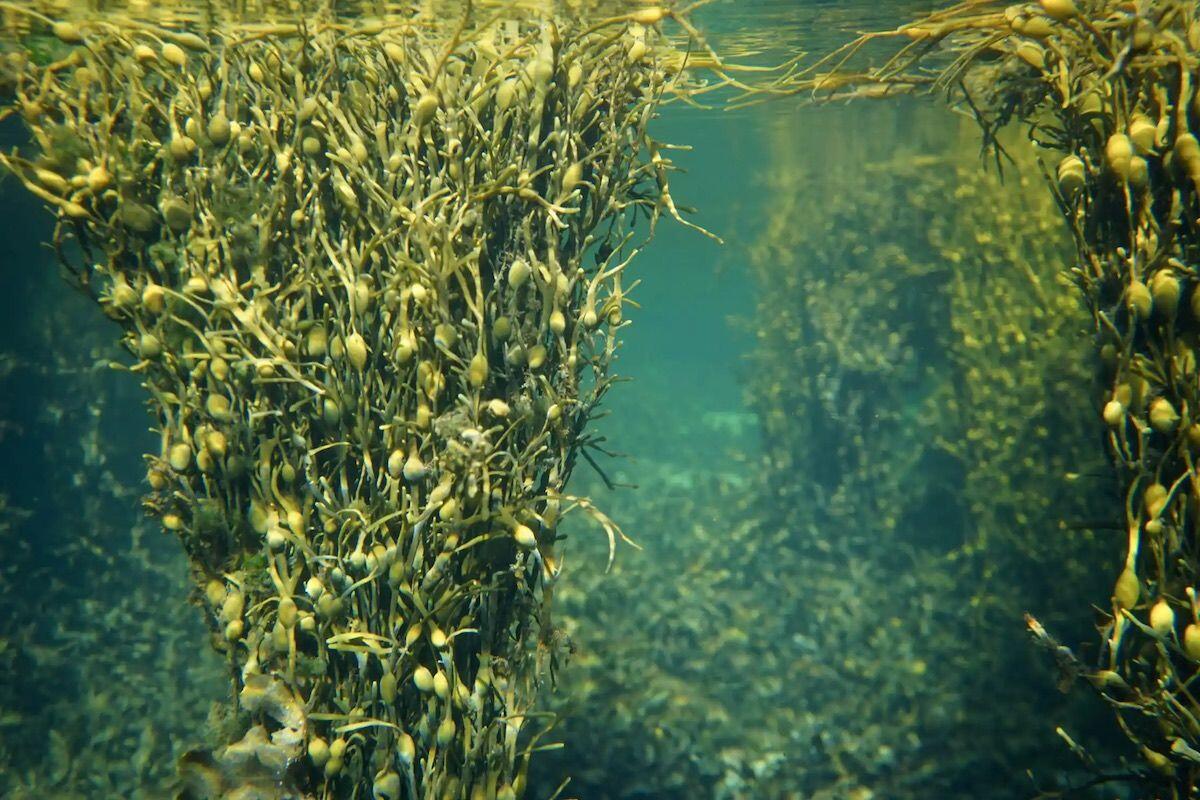
In recent years, the use of natural biostimulants in agriculture has gained significant prominence. One product that has captured considerable attention is the extract of the marine alga Ascophyllum nodosum.
Commonly found along the North Atlantic coasts, this alga is renowned for its ability to enhance plant growth and increase resilience to various types of stress.
In cannabis cultivation, Ascophyllum nodosum extracts have shown unique properties that contribute to improving both the quality and yield of crops.
The use of seaweed extracts in agriculture and horticulture has a history dating back thousands of years. However, it is only recently that the active ingredients responsible for making these extracts a valuable resource for plant growth and development have been identified and understood.
Seaweed extracts are particularly rich in natural plant growth hormones and beneficial trace elements, which makes them key components of many biostimulant products available on the market today.
The best seaweed extracts come from the species Ascophyllum nodosum, a brown alga that grows in mineral-rich waters such as those near Norway and Nova Scotia. Exposed to extreme conditions like temperature changes, flooding, drought, salt stress, and intense solar radiation, these algae develop high levels of hormones and protective agents (particularly auxins, cytokinins, and gibberellins) which are incredibly useful to plants.
Benefits of Hormones in Plant Development
Auxins, for instance, are produced in the leaves for then being transported to roots and growth tips to initiate crucial physiological changes, such as root formation. In horticulture, synthetic auxins are used in rooting powders and cloning gels to stimulate root growth. However, seaweed extracts contain natural auxins that, when combined with cytokinins, promote a larger root mass, thereby improving water and mineral absorption and strengthening the plant's resistance to stress.
Cytokinins are also abundant in seaweed extracts and play a critical role in rapid cell division and the formation of new cell walls. If applied just before the flowering starts, these hormones can also stimulate the development of more lateral buds, resulting in better flower and fruit production.
Gibberellins are also found in seaweed extracts. They are known for their influence on stem elongation and flower development, and also play a fundamental role in seed germination. By soaking the seeds in seaweed extracts before sowing, gibberellins activate dormant seeds to produce enzymes that break down the stored starches into energy, thereby facilitating germination.
Why Ascophyllum Nodosum?
Ascophyllum nodosum extract is rich in these types of hormones, as well as in a variety of bioactive compounds such as polysaccharides, amino acids, and trace elements. All of these make it a versatile biostimulant for various agricultural applications.
According to recent research https://www.ncbi.nlm.nih.gov/pmc/articles/PMC6548832 this extract can help in multiple aspects of plant development:
* Enhanced Root Development: Due to its content of natural growth hormones like cytokinins and auxins, it promotes robust root development, which improves nutrient and water absorption.
* Drought Stress Resistance: Ascophyllum nodosum improves the ability of plants to withstand drought conditions, which is crucial for maintaining crop health in environments where water access is limited.
* Growth Stimulation: This alga acts as a plant growth stimulant, increasing plant biomass and fostering more robust development, which is key to maximising cannabis production.
* Root-Microbiome Interaction: It also improves interactions between plant roots and soil microorganisms, promoting the colonisation of mycorrhizae. These symbiotic associations between fungi and roots are essential for improving nutrient absorption and disease resistance.
* Better Quality Flowers and Buds: By enhancing chlorophyll production, Ascophyllum nodosum can lead to higher photosynthesis rates. This translates into more energy for growth and flower production, resulting in denser and more resinous buds, which improves both the quantity and quality of the final product.
* Tolerance to Biotic and Abiotic Stresses: The compounds in this extract also help increase plant resistance to stresses like pests, diseases, and adverse weather conditions, reducing the need for chemical products and promoting more sustainable growing.
There are specific studies https://www.researchgate.net/publication/276458449_The_effect_of_Ascophyllum_nodosum_extract_on_the_growth_yield_and_fruit_quality_of_tomato_grown_under_tropical_conditions which demonstrate the potential of Ascophyllum nodosum extract to improve both productivity and fruit quality in tomato cultivation, when applied as a foliar spray in tropical environments. The extract appears to stimulate plant growth, stress tolerance, and fruit development through multiple mechanisms.
In some field experiments, for instance, foliar sprays containing 0.2 - 0.5% Ascophyllum nodosum extract significantly increased plant height (10 - 37%) and fruit yield (51 - 63%) in comparison to control plants. In greenhouse experiments, spraying with 0.5% of this extract increased plant height (20%), root mass (99%), shoot mass (38%), the number of fruit clusters (81%), and fruit yield (54%) in comparison to controls.
The treatment also improved various fruit quality parameters, including size, colour, firmness, total soluble solids, and mineral/vitamin content, leading researchers to conclude that this alga offers clear benefits for improving tomato yield and quality in tropical growing conditions. This is likely due to its content of plant hormones, minerals, and other bioactive compounds.
Application in Cannabis Cultivation
Cannabis is a demanding plant that requires a perfect balance of nutrients and growing conditions. This is where Ascophyllum nodosum extract has proven to be particularly effective. By increasing resistance to water stress and improving root/microbiome interactions, this extract enhances the ability of cannabis plants to absorb essential nutrients such as nitrogen, phosphorus, and potassium, resulting in more vigorous growth and higher-quality flower production.
Additionally, the use of this alga helps reduce the need for chemical pesticides and fertilisers, aligning with organic and sustainable growing practices that many cannabis growers seek today.
It is interesting to note that, although the use of Ascophyllum nodosum is not always explicitly mentioned in the description of some growing products, this ingredient is the main active component in plant stimulators, such as those by Green Hope (specifically in products like Floramax and Rootmax). While Ascophyllum nodosum is not clearly specified in the technical data sheets of these products, this extract plays a central role in their formulation, contributing to the benefits observed in cannabis crops by maximising plant growth and resistance to adverse conditions.
In Summary...
Ascophyllum nodosum extract has become a powerful ally for growers looking to improve the quality and yield of their crops, including cannabis. Its ability to enhance stress resistance, promote growth, and foster soil and plant health makes it an essential tool in modern agriculture.
As more growers adopt sustainable practices, it is likely that we will see an increase in the use of natural biostimulants based on this marine alga, leveraging all its incredible potential to achieve healthier and more abundant crops.
This post was published in our blog but you don't need to leave Nostr to read it.
https://www.dinafem.org/en/blog/the-power-of-ascophyllum-nodosum-extract-in-cannabis-cultivation/
#cannabis #weed #cannabistr #weedstr #blog #seaweed #seaweedstr #420 #dinafem
The Power of Ascophyllum Nodosum Extract in Cannabis Cultivation
In recent years, the use of natural biostimulants in agriculture has gained significant prominence. One product that has captured considerable attention is the extract of the marine alga Ascophyllum nodosum.
Commonly found along the North Atlantic coasts, this alga is renowned for its ability to enhance plant growth and increase resilience to various types of stress.
In cannabis cultivation, Ascophyllum nodosum extracts have shown unique properties that contribute to improving both the quality and yield of crops.
The use of seaweed extracts in agriculture and horticulture has a history dating back thousands of years. However, it is only recently that the active ingredients responsible for making these extracts a valuable resource for plant growth and development have been identified and understood.
Seaweed extracts are particularly rich in natural plant growth hormones and beneficial trace elements, which makes them key components of many biostimulant products available on the market today.
The best seaweed extracts come from the species Ascophyllum nodosum, a brown alga that grows in mineral-rich waters such as those near Norway and Nova Scotia. Exposed to extreme conditions like temperature changes, flooding, drought, salt stress, and intense solar radiation, these algae develop high levels of hormones and protective agents (particularly auxins, cytokinins, and gibberellins) which are incredibly useful to plants.
Benefits of Hormones in Plant Development
Auxins, for instance, are produced in the leaves for then being transported to roots and growth tips to initiate crucial physiological changes, such as root formation. In horticulture, synthetic auxins are used in rooting powders and cloning gels to stimulate root growth. However, seaweed extracts contain natural auxins that, when combined with cytokinins, promote a larger root mass, thereby improving water and mineral absorption and strengthening the plant's resistance to stress.
Cytokinins are also abundant in seaweed extracts and play a critical role in rapid cell division and the formation of new cell walls. If applied just before the flowering starts, these hormones can also stimulate the development of more lateral buds, resulting in better flower and fruit production.
Gibberellins are also found in seaweed extracts. They are known for their influence on stem elongation and flower development, and also play a fundamental role in seed germination. By soaking the seeds in seaweed extracts before sowing, gibberellins activate dormant seeds to produce enzymes that break down the stored starches into energy, thereby facilitating germination.
Why Ascophyllum Nodosum?
Ascophyllum nodosum extract is rich in these types of hormones, as well as in a variety of bioactive compounds such as polysaccharides, amino acids, and trace elements. All of these make it a versatile biostimulant for various agricultural applications.
According to recent research https://www.ncbi.nlm.nih.gov/pmc/articles/PMC6548832 this extract can help in multiple aspects of plant development:
* Enhanced Root Development: Due to its content of natural growth hormones like cytokinins and auxins, it promotes robust root development, which improves nutrient and water absorption.
* Drought Stress Resistance: Ascophyllum nodosum improves the ability of plants to withstand drought conditions, which is crucial for maintaining crop health in environments where water access is limited.
* Growth Stimulation: This alga acts as a plant growth stimulant, increasing plant biomass and fostering more robust development, which is key to maximising cannabis production.
* Root-Microbiome Interaction: It also improves interactions between plant roots and soil microorganisms, promoting the colonisation of mycorrhizae. These symbiotic associations between fungi and roots are essential for improving nutrient absorption and disease resistance.
* Better Quality Flowers and Buds: By enhancing chlorophyll production, Ascophyllum nodosum can lead to higher photosynthesis rates. This translates into more energy for growth and flower production, resulting in denser and more resinous buds, which improves both the quantity and quality of the final product.
* Tolerance to Biotic and Abiotic Stresses: The compounds in this extract also help increase plant resistance to stresses like pests, diseases, and adverse weather conditions, reducing the need for chemical products and promoting more sustainable growing.
There are specific studies https://www.researchgate.net/publication/276458449_The_effect_of_Ascophyllum_nodosum_extract_on_the_growth_yield_and_fruit_quality_of_tomato_grown_under_tropical_conditions which demonstrate the potential of Ascophyllum nodosum extract to improve both productivity and fruit quality in tomato cultivation, when applied as a foliar spray in tropical environments. The extract appears to stimulate plant growth, stress tolerance, and fruit development through multiple mechanisms.
In some field experiments, for instance, foliar sprays containing 0.2 - 0.5% Ascophyllum nodosum extract significantly increased plant height (10 - 37%) and fruit yield (51 - 63%) in comparison to control plants. In greenhouse experiments, spraying with 0.5% of this extract increased plant height (20%), root mass (99%), shoot mass (38%), the number of fruit clusters (81%), and fruit yield (54%) in comparison to controls.
The treatment also improved various fruit quality parameters, including size, colour, firmness, total soluble solids, and mineral/vitamin content, leading researchers to conclude that this alga offers clear benefits for improving tomato yield and quality in tropical growing conditions. This is likely due to its content of plant hormones, minerals, and other bioactive compounds.
Application in Cannabis Cultivation
Cannabis is a demanding plant that requires a perfect balance of nutrients and growing conditions. This is where Ascophyllum nodosum extract has proven to be particularly effective. By increasing resistance to water stress and improving root/microbiome interactions, this extract enhances the ability of cannabis plants to absorb essential nutrients such as nitrogen, phosphorus, and potassium, resulting in more vigorous growth and higher-quality flower production.
Additionally, the use of this alga helps reduce the need for chemical pesticides and fertilisers, aligning with organic and sustainable growing practices that many cannabis growers seek today.
It is interesting to note that, although the use of Ascophyllum nodosum is not always explicitly mentioned in the description of some growing products, this ingredient is the main active component in plant stimulators, such as those by Green Hope (specifically in products like Floramax and Rootmax). While Ascophyllum nodosum is not clearly specified in the technical data sheets of these products, this extract plays a central role in their formulation, contributing to the benefits observed in cannabis crops by maximising plant growth and resistance to adverse conditions.
In Summary...
Ascophyllum nodosum extract has become a powerful ally for growers looking to improve the quality and yield of their crops, including cannabis. Its ability to enhance stress resistance, promote growth, and foster soil and plant health makes it an essential tool in modern agriculture.
As more growers adopt sustainable practices, it is likely that we will see an increase in the use of natural biostimulants based on this marine alga, leveraging all its incredible potential to achieve healthier and more abundant crops.
The power of Ascophyllum nodosum!
#cannabis #weed #cannabistr #weedstr #420 #blog #Ascophyllum
https://www.dinafem.org/en/blog/the-power-of-ascophyllum-nodosum-extract-in-cannabis-cultivation/
#meme #CBD
We stole this meme from nostr:nprofile1qqsqfjtqf9a0vx9wrr63g7e7tscfau7c5cj3w69pczpquqkfxa5vcwcpffmhxue69uhkxun9v968ytnwdaehgu3wwa5kueg2pfmhxue69uhkxun9v968ytnwdaehgu3wwa5kueg2pg3kummnw3ezqgmjv4kxz7fqydnhymmhdehhxarj0wkync It was about vegans originally 😂
#meme #CBD #420 #weed #weedstr #dinafem #cannabis 
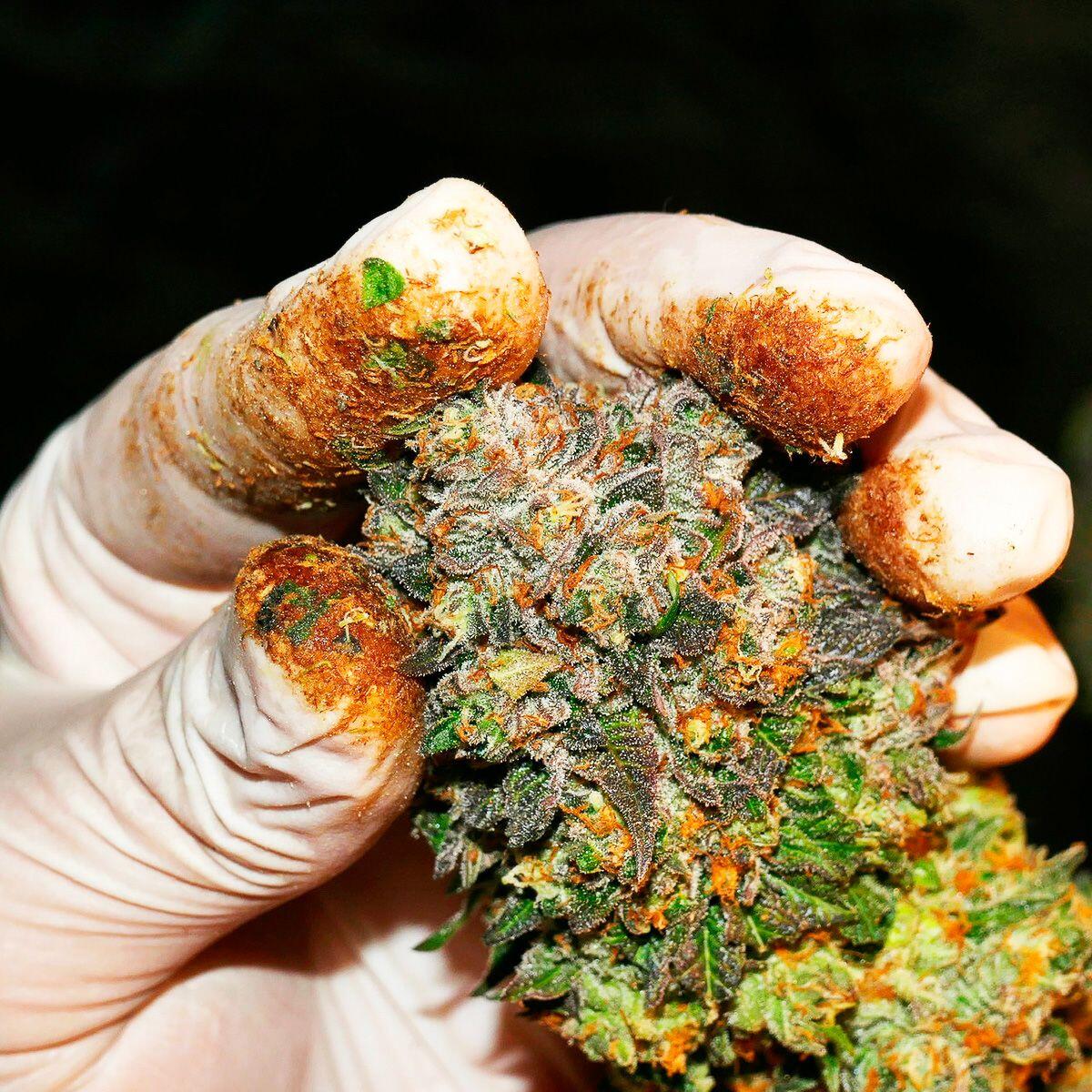
Sometimes touching grass requires gloves 👀
#cannabis #cannabistr #weed #weedstr #dinafem #touchinggrass #420
Good morning frens!
#Dinamed #CBD #420 #weed #weedstr #dinafem #cannabis 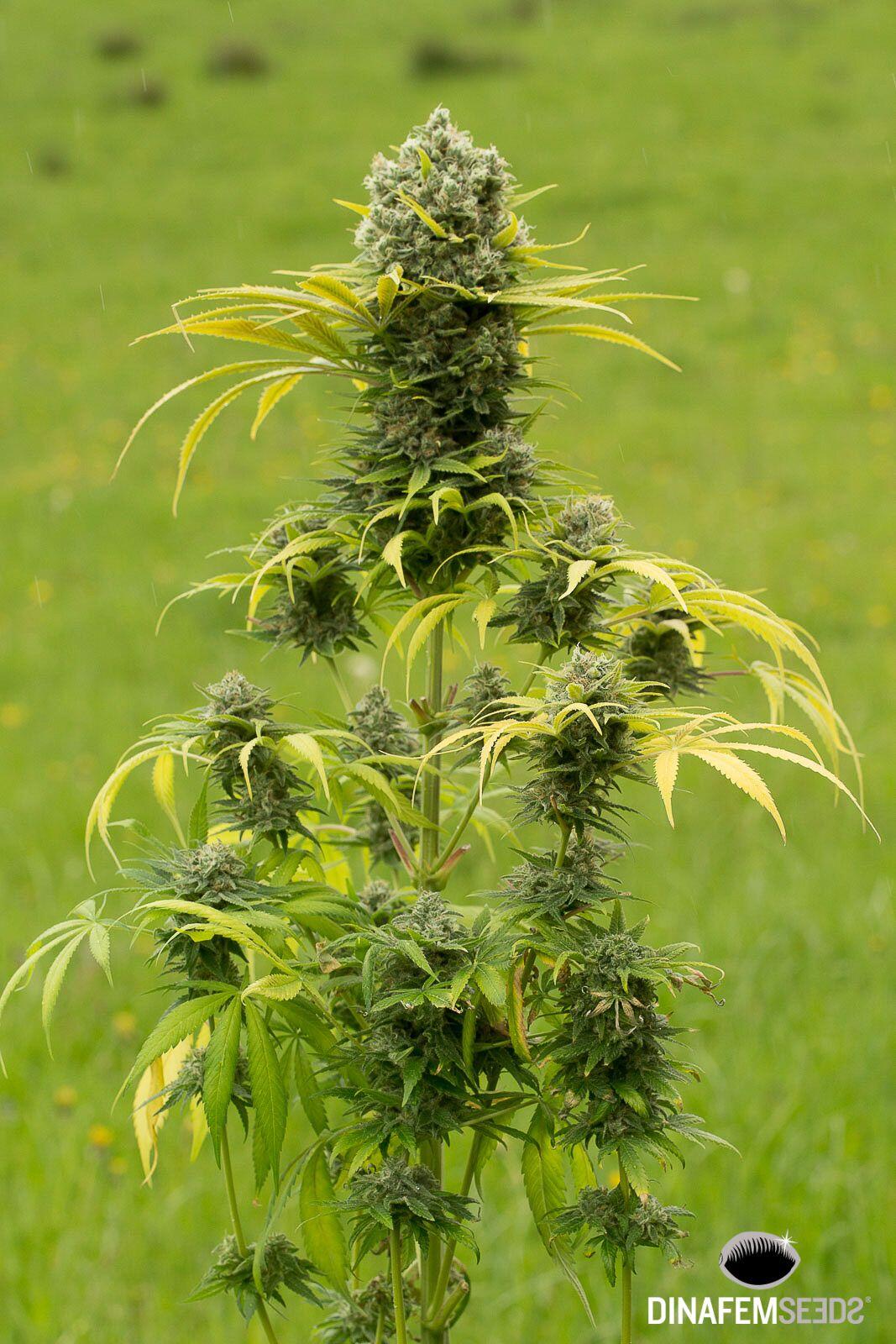
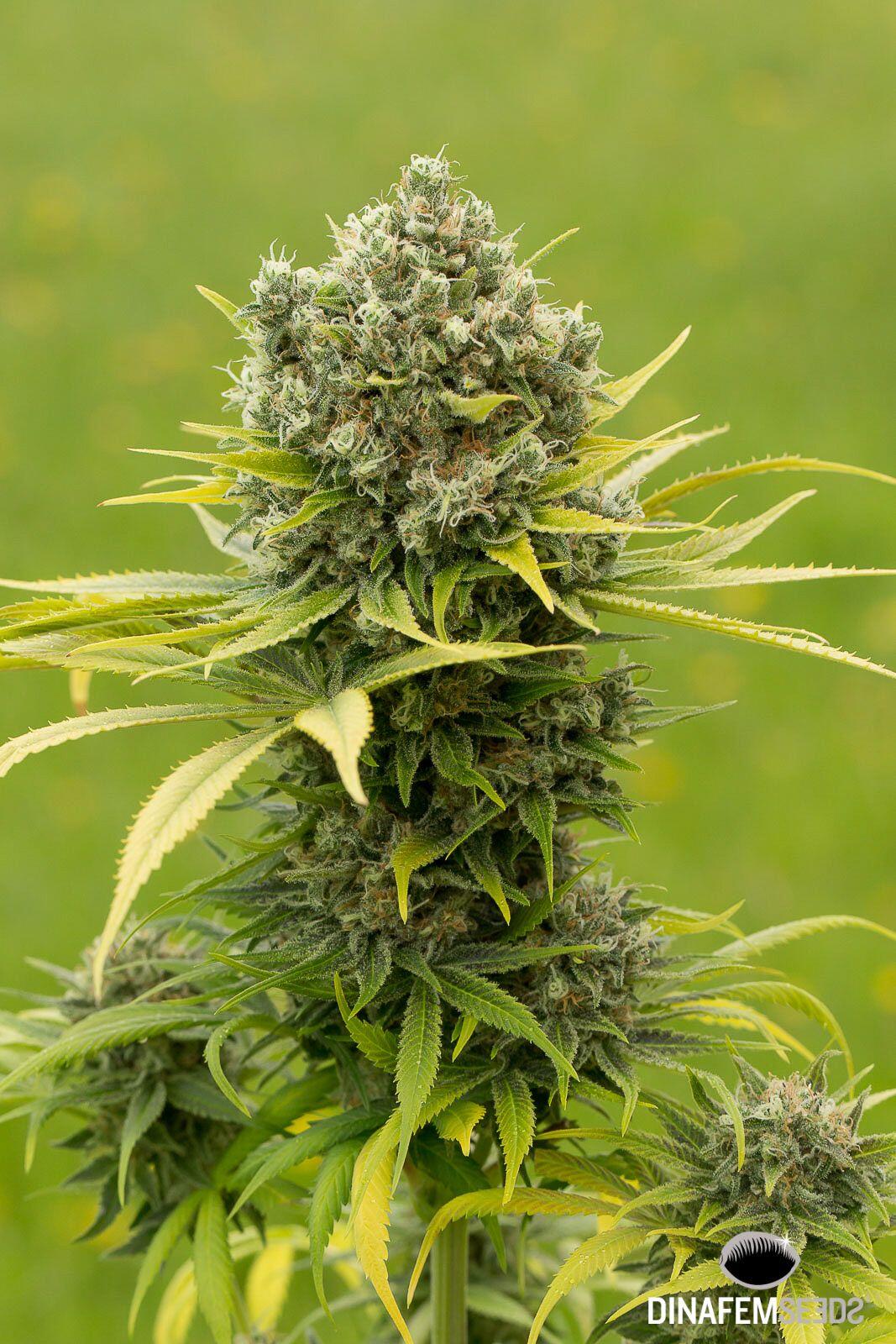
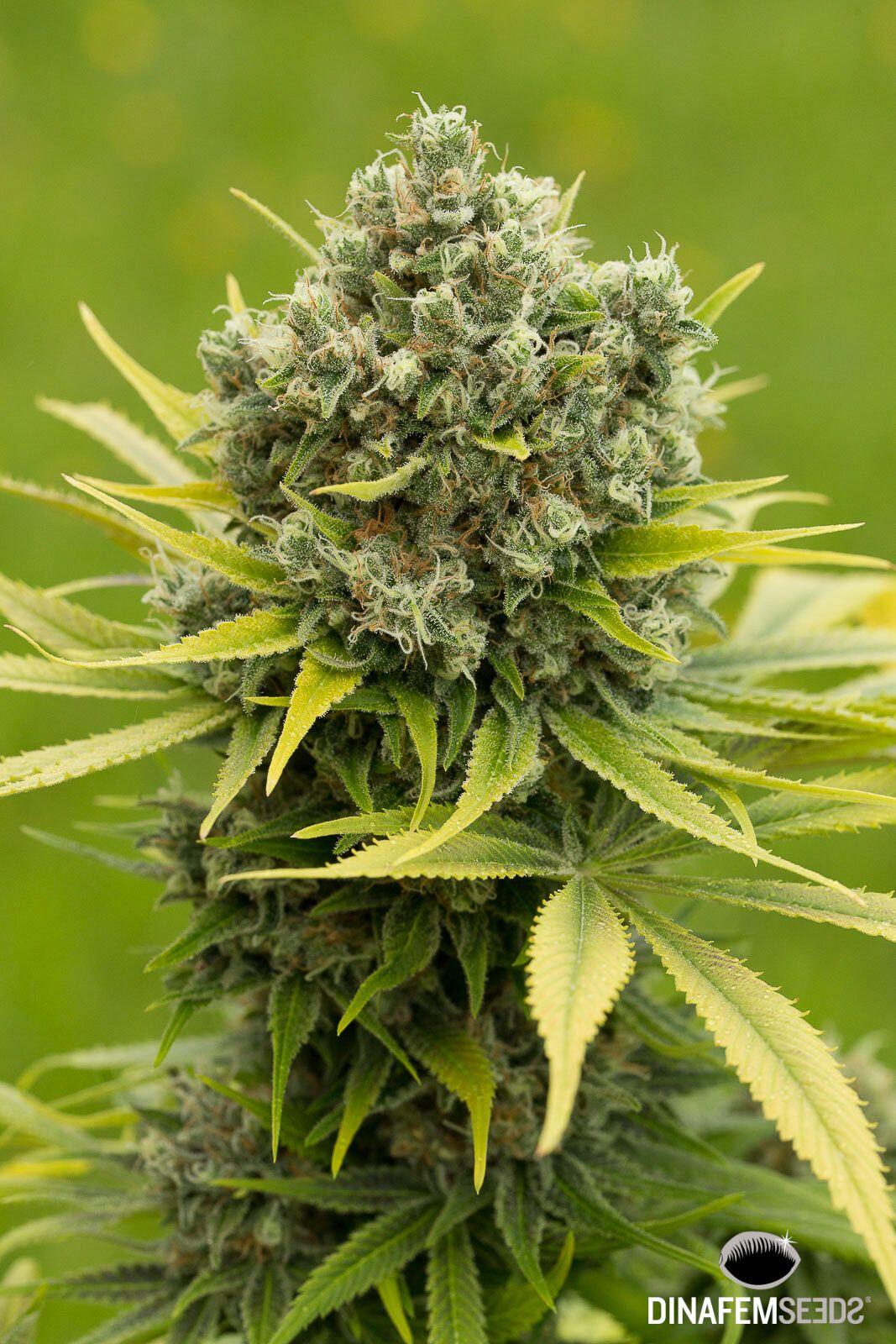

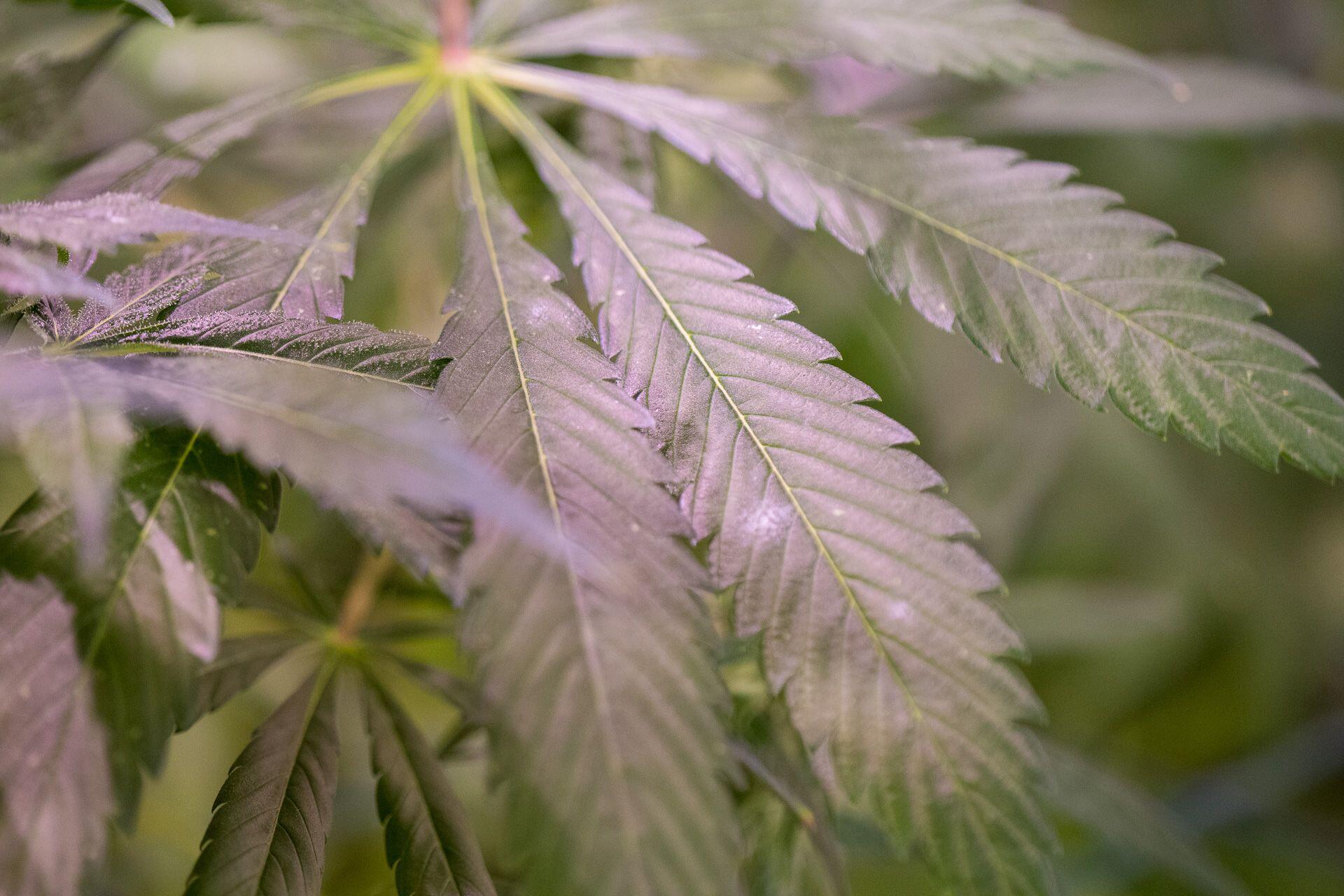
Anyway, technically is true, apart from the pm there's a slight nutrient excess. The thrips signs of presence are more relevant imo but this is about making people happy so you get a winner zap too 🥰
There are two main issues on this plant leaves.
Can you identify them?
420 sats zap for 1st right answer 😘
#asknostr #cannabistr #420 #dinafem #cannabis #zap #weed #weedstr
Male flowers releasing pollen
DO NOT BLOW
#420 #weed #weedstr #cannabistr #dinafem #photography #gardening 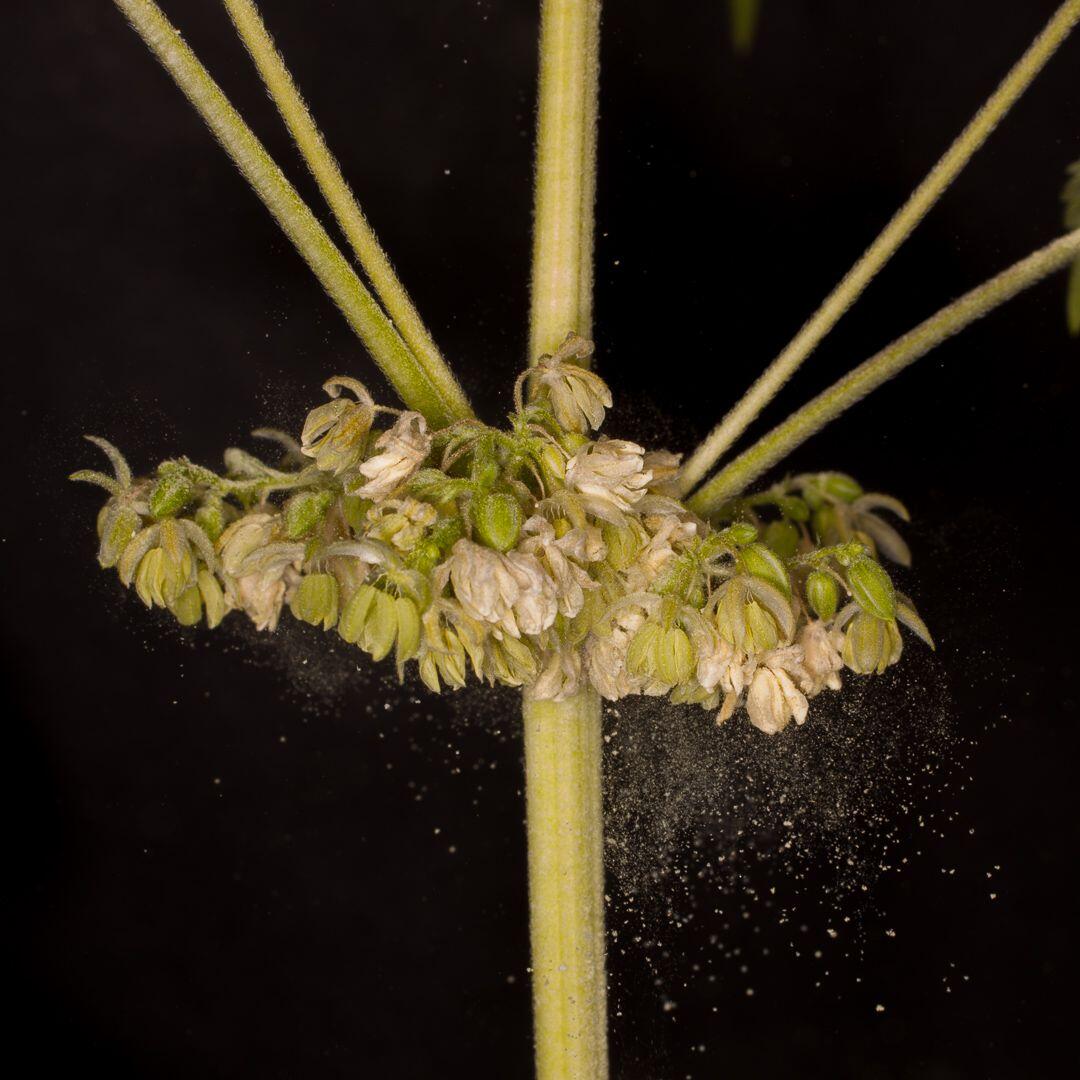
Moby Dick CBD - - - > The beast, tamed
#cannabis #cannabistr #weed #weedstr #dinafem #gardening #420 #photography
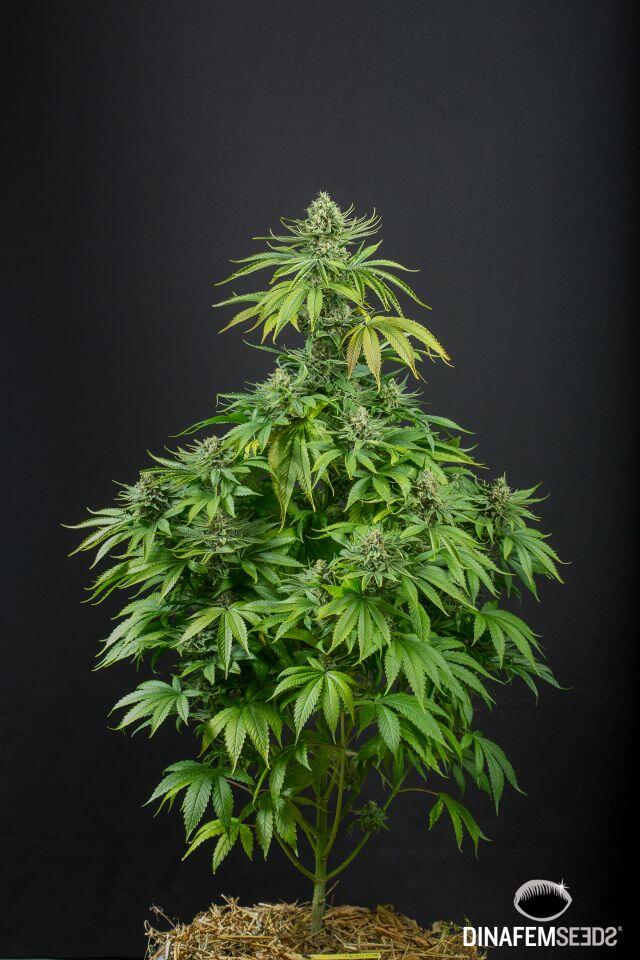
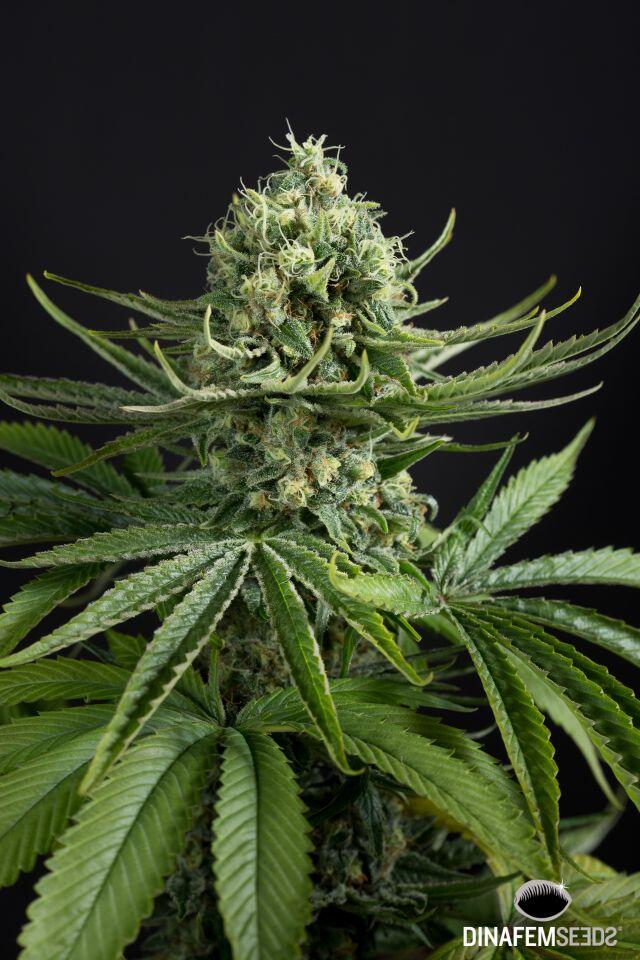
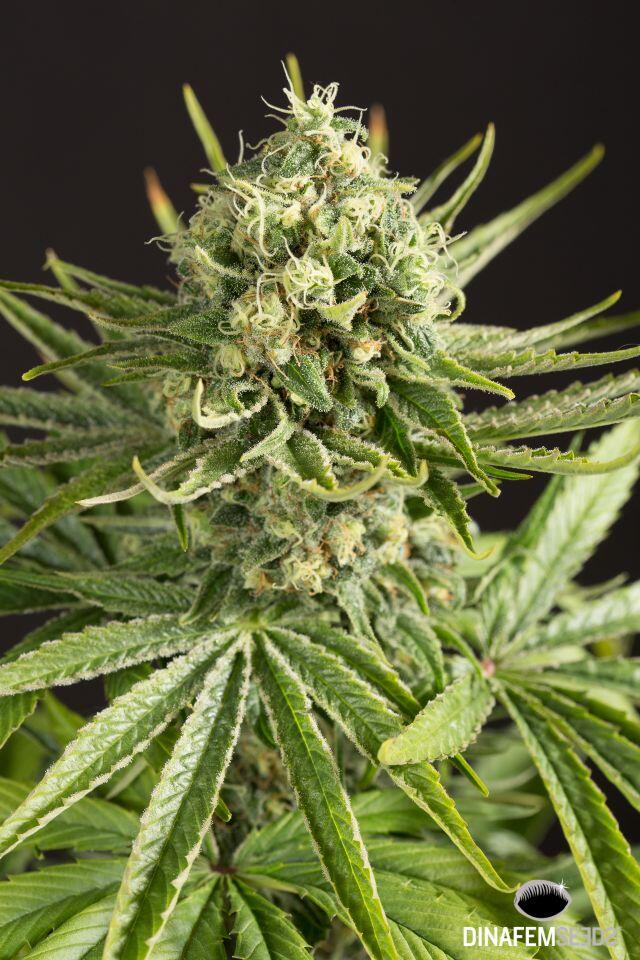
Dinachem (GuavaChem X Chemdawg91)
#cannabis #cannabistr #weed #weedstr #dinafem #gardening #420 #photography
Sharing a 5 star customer review from our site:
⭐⭐⭐⭐⭐
Big Al 21/08/2020 10:03 pm
5 out of 5
This plant surprised me all the way. I got two pheno's, both opposite to each other. One, tall, stretchy and very sweet smelling. The other was short, very compact and very sour. Growing together, the room smelled like a packet of Skittles! The sweet one smelled of cedar wood, the smaller had pine and lemon and a softer cedar note. Both have a hazy background but no fuel smell or taste. After two months of curing the taste has mellowed and is really nice. Softer and more complex. The haze has added to the deep woody flavour. The higher notes now add a touch of incense to finish it off. Nicer tasting then it smells and it keeps changing. The sour runt has a bit more flavour, slightly higher feeling, and I suspect closer to Chemdog as it was supposed to be, except in size! Both gave a good happy high that lasts, with a slight effect on the body the more you smoke. Anytime or social occasions smoke.
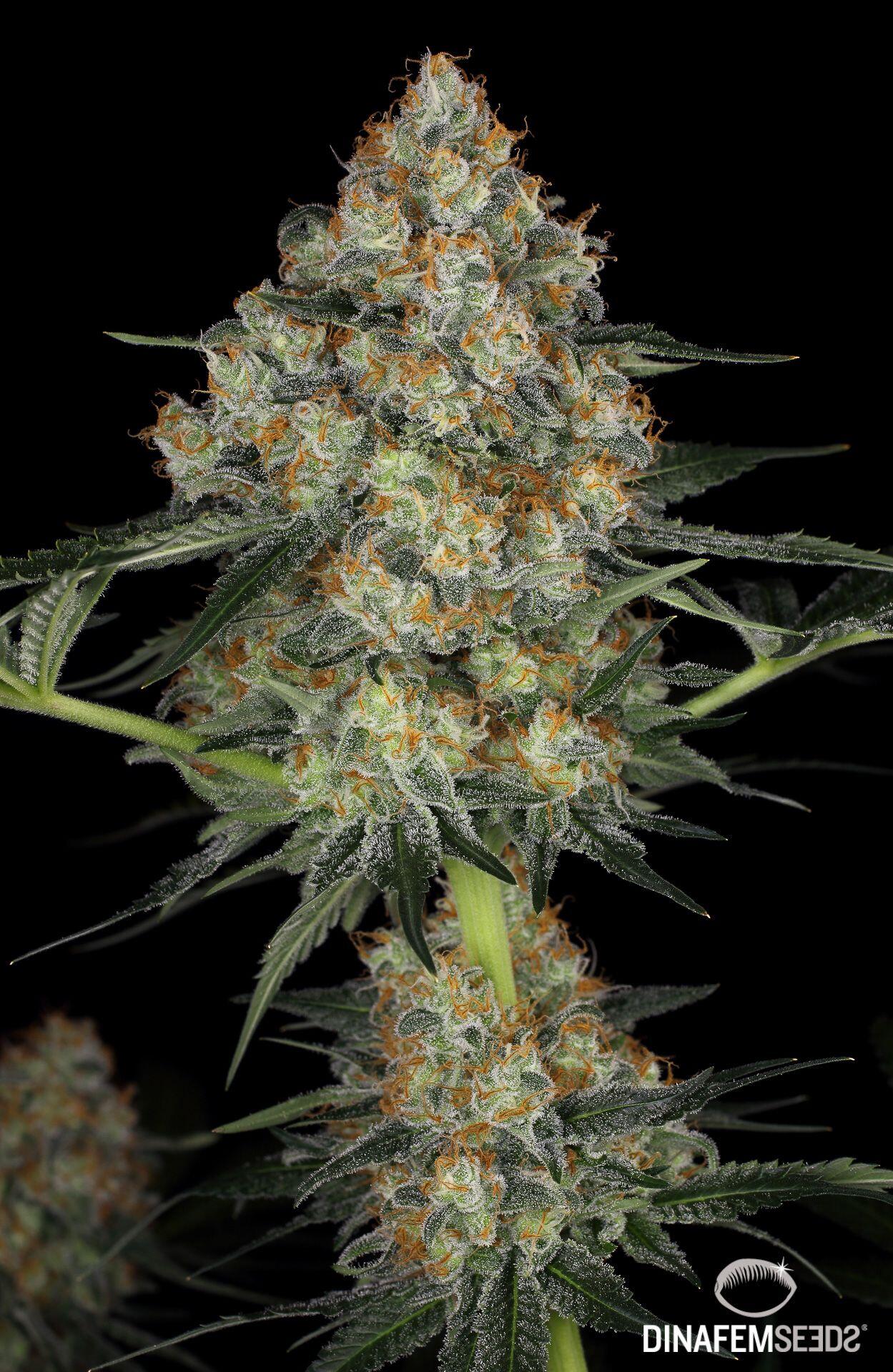
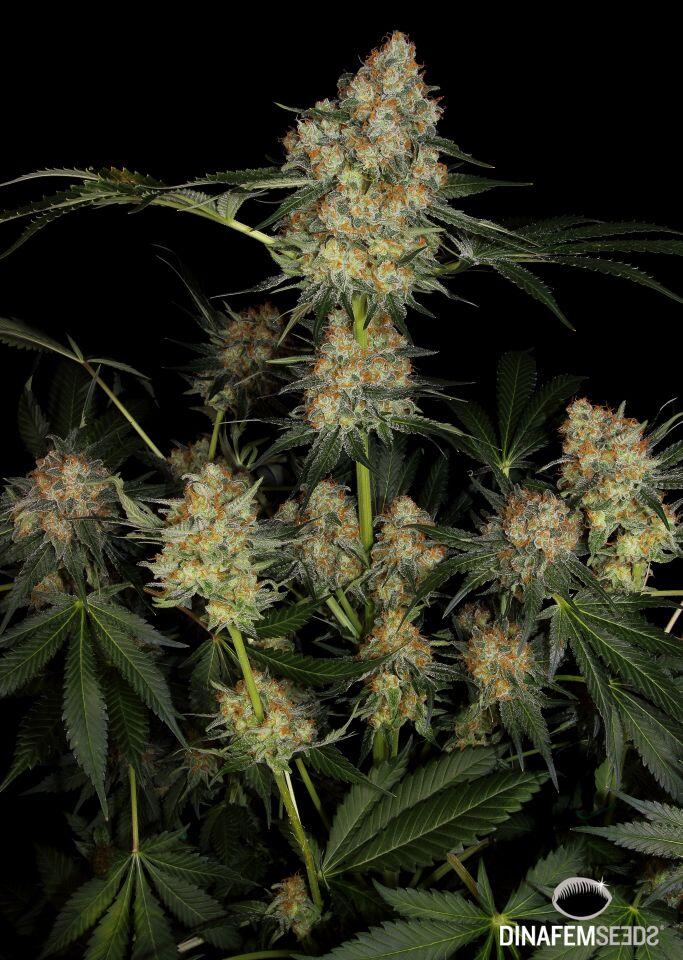
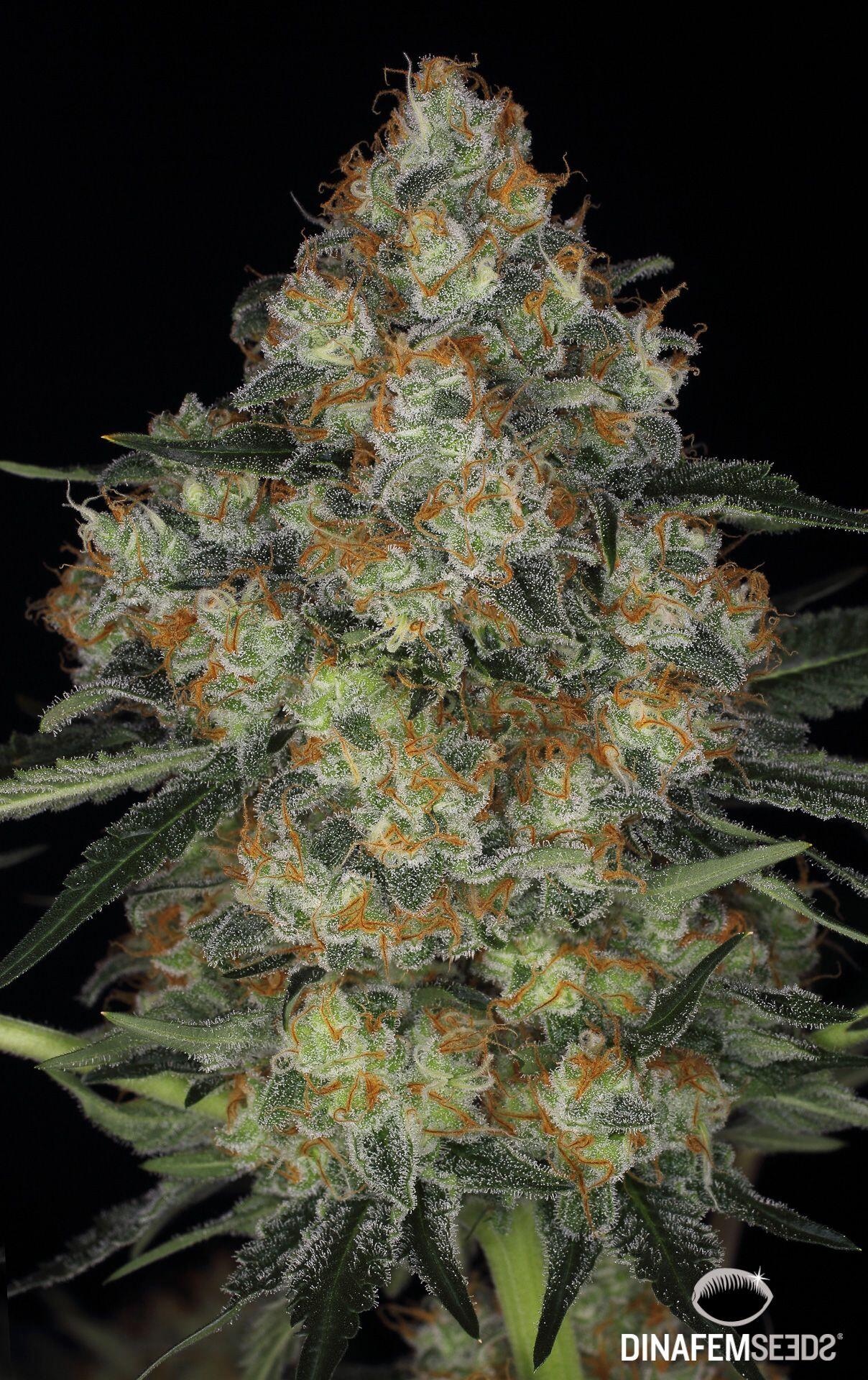
Probably our most iconic strain and picture, Critical +
Quick to flower, easy to manicure, high yield.
#cannabis #cannabistr #weed #weedstr #dinafem #gardening #420 #photography
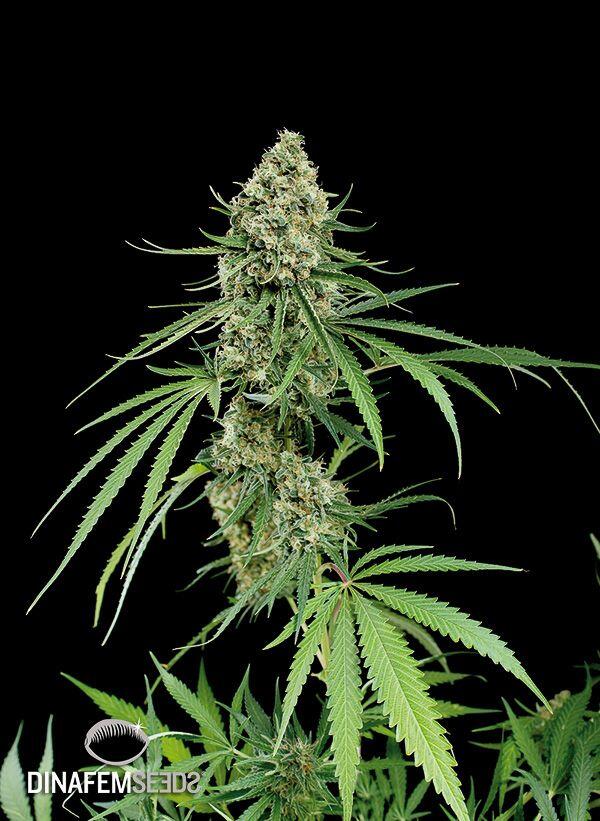
What's your choice dear nostriches? Wet or dry trimming?
Cannabis growing is comprised of several stages, all of which are equally important when it comes to producing high-quality, abundant crops.
Oftentimes, novice growers try their best during the actual growing stage, mistakenly thinking that once they’ve cut down their plants all that is left to do is hang them to dry.
But because they mark the culmination of the growing cycle, post-harvest stages are just as important as the actual growing phase. Read on for a comparison of dry and wet trimming and discover the pros and cons of both methods
Cannabis growing is comprised of several stages, all of which are equally important when it comes to producing high-quality, abundant crops.
Oftentimes, novice growers try their best during the actual growing stage, mistakenly thinking that once they’ve cut down their plants all that is left to do is hang them to dry.
But because they mark the culmination of the growing cycle, post-harvest stages are just as important as the actual growing phase. Read on for a comparison of dry and wet trimming and discover the pros and cons of both methods.
As cannabis growing becomes increasingly popular, growers across the world are taking an increasing interest in trimming, producing flowers of ever-growing quality. Sadly, all approaches come with their pros and cons and there's no such thing as the perfect method. Take a look at the guide below to help you choose the trimming technique that might work best for you.
DRY TRIMMING
Highly popular among small growers, dry trimming involves cutting down the plants and hanging them to dry for some 20-30 days before actually starting to trim. Even so, you'll still have to remove fan leaves in order to reduce humidity levels and favour the plant's metabolic processes – e.g. the gas exchanges that determine the flavours, aromas and effects of cannabis. This is a vital stage during which the flowers evolve gradually as they dry.
The more leafy the flowers, the higher the humidity and, thus, also the risk of mould growth. On the positive side, metabolic processes like gas exchanges are slower in buds that are surrounded by foliage. As a result, the organoleptic profile is subtler and more complex than with wet trimming, which tends to produce flavours, aromas and effects that are not as intense.
Another upside to dry trimming is that the leaves protect the flowers from damage during transport and handling of the plants, ensuring all their qualities are preserved, for example, the terpenes and the quality of the resin. The chief drawback to working in dry conditions is that the process takes much longer because the leaves are brittle and prone to breaking.
Dry trimming is particularly well suited to small grows, where priority is given to quality and the final product often meets the standards of international cannabis competitions like the High Times Cannabis Cup. One final point: trimming machines provide significantly better results when the buds are fresh and thus are not recommended for dry trimming.
Pros:
Flowers and extracts exhibit better overall properties
Improved aroma
Improved flavour
Effects get more intense and complex
Cannabis cup-grade quality
Cons:
Increased risk of mould growth
Flowers dry more slowly
Process takes longer than wet trimming
Suitable only for small cannabis grows
WET TRIMMING
Common among small growers, wet trimming is the preferred choice of large-scale producers as it allows to process large amounts of flowers in little time, while ensuring a healthy, mould free final product. Trimming in wet conditions involves removing the leaves immediately after cutting down the plants, when the water content is still high. Frequently, this is performed with the aid of a machine trimmer that has been specifically designed for large-scale cannabis production. Many growers in the industry, however, prefer to have specialist workers do the work manually.
By removing the leaves from the buds prior to trimming, the humidity is drastically reduced, which results in a significantly lower risk of mould. Highly efficient and safe, wet trimming is a great way to ensure the profitability of large-scale cannabis growing businesses.
Because their establishment requires a large initial investment, losing a crop partially or in full is something professional growers cannot afford, so it is only natural that they take whatever measures they can to prevent such an economic disaster.
As for the quality of the final product, if the trimming is performed by a team of workers, it won't differ much from that of dry trimmed buds. On the contrary, if machine trimmers are used, the result won't be as polished – machines slightly alter bag appeal and cause some resin and terpene loss.
While advancements in technology have led to the development of ever sophisticated trimmers, steel cannot match the delicacy of a human hand, which in turn will never be as fast and constant as a machine. But whether manual or mechanical, dry trimming will always be a faster method than dry trimming.
Pros:
Process is faster
Risk of mould growth is dramatically lower
Flowers dry faster
Optimised yields
Compatible with machine trimmers
Suitable both for small and large cannabis grows
Cons:
Flowers and extracts are of slightly lower quality
Small loss of resin and terpenes
Flavours, aromas and effects are somewhat less complex and intense
OK but not great bag appeal
With both methods, you can save the trim and use it for extract and concentrates of different types. Again, there's no such thing as the perfect method, so the choice will ultimately come down to your priorities and specific needs.
Wrote by Brian Worms for Dinafem Seeds
#cannabis #cannabistr #weed #weedstr #dinafem #gardening #420 #trim #trimming #blog
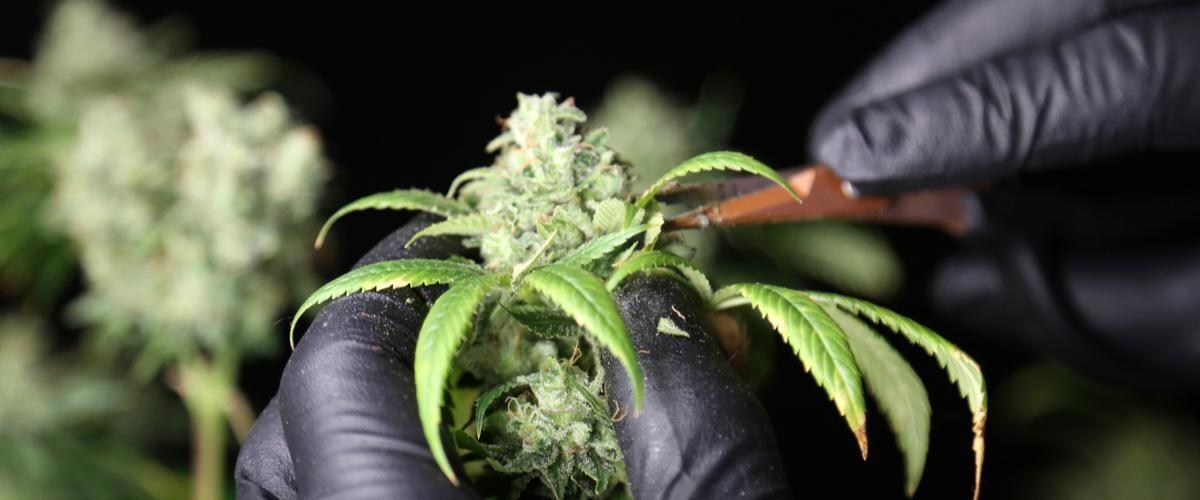
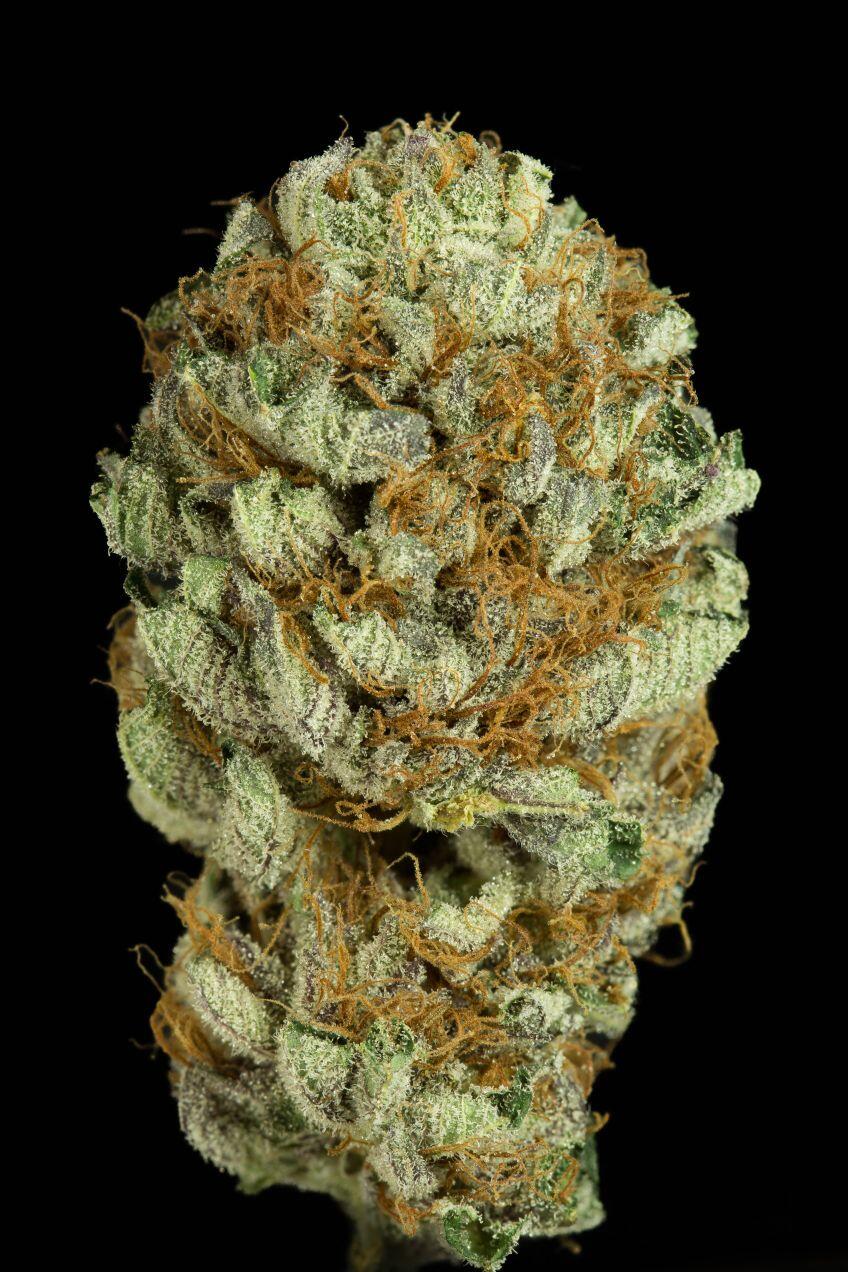
Good morning!
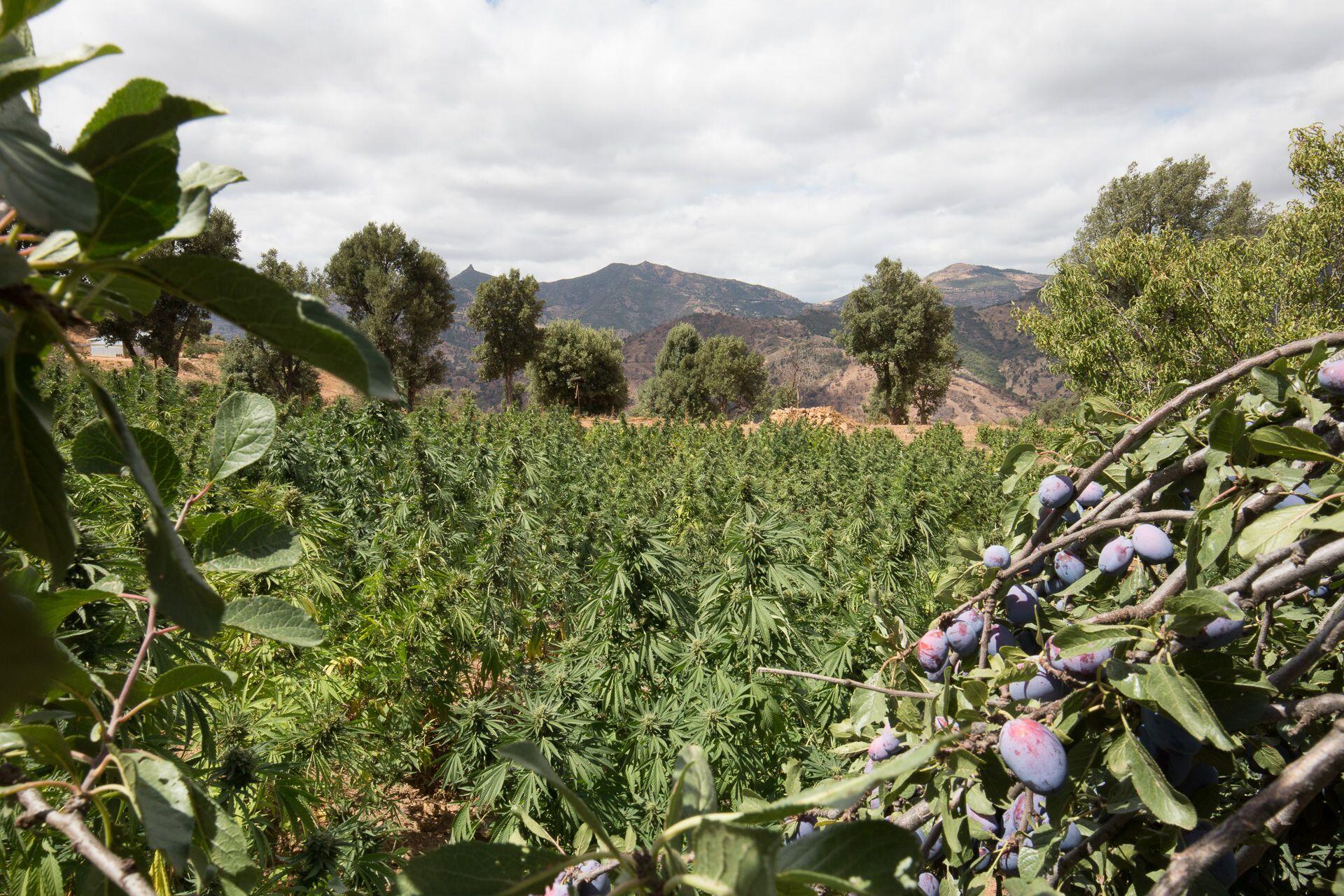
Got munchies? Pick some plums!
#weed #weedstr #gardening #420 #cannabis

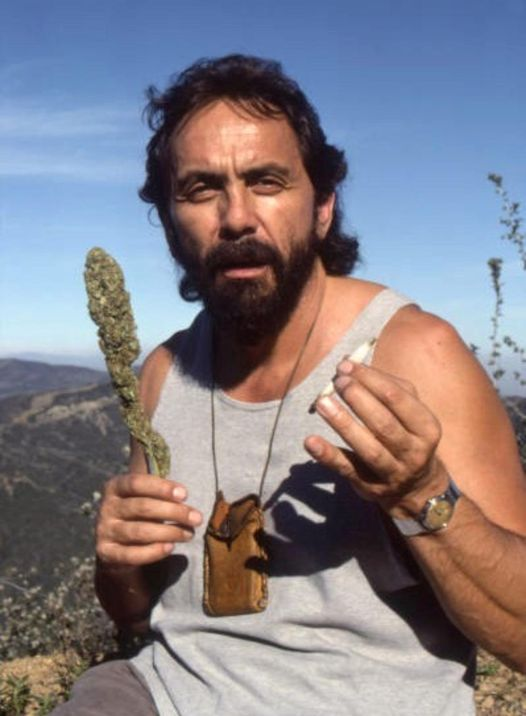
Legend
When your fren says "I've got a few spider mites on my plant" , he cuts it off, hangs it upside down, and they congregate at the top 👀
#cannabis #photography #420 #weed #weedstr #cannabistr #pests #gardening #spidermites #tetranychus #TetranychusUrticae