
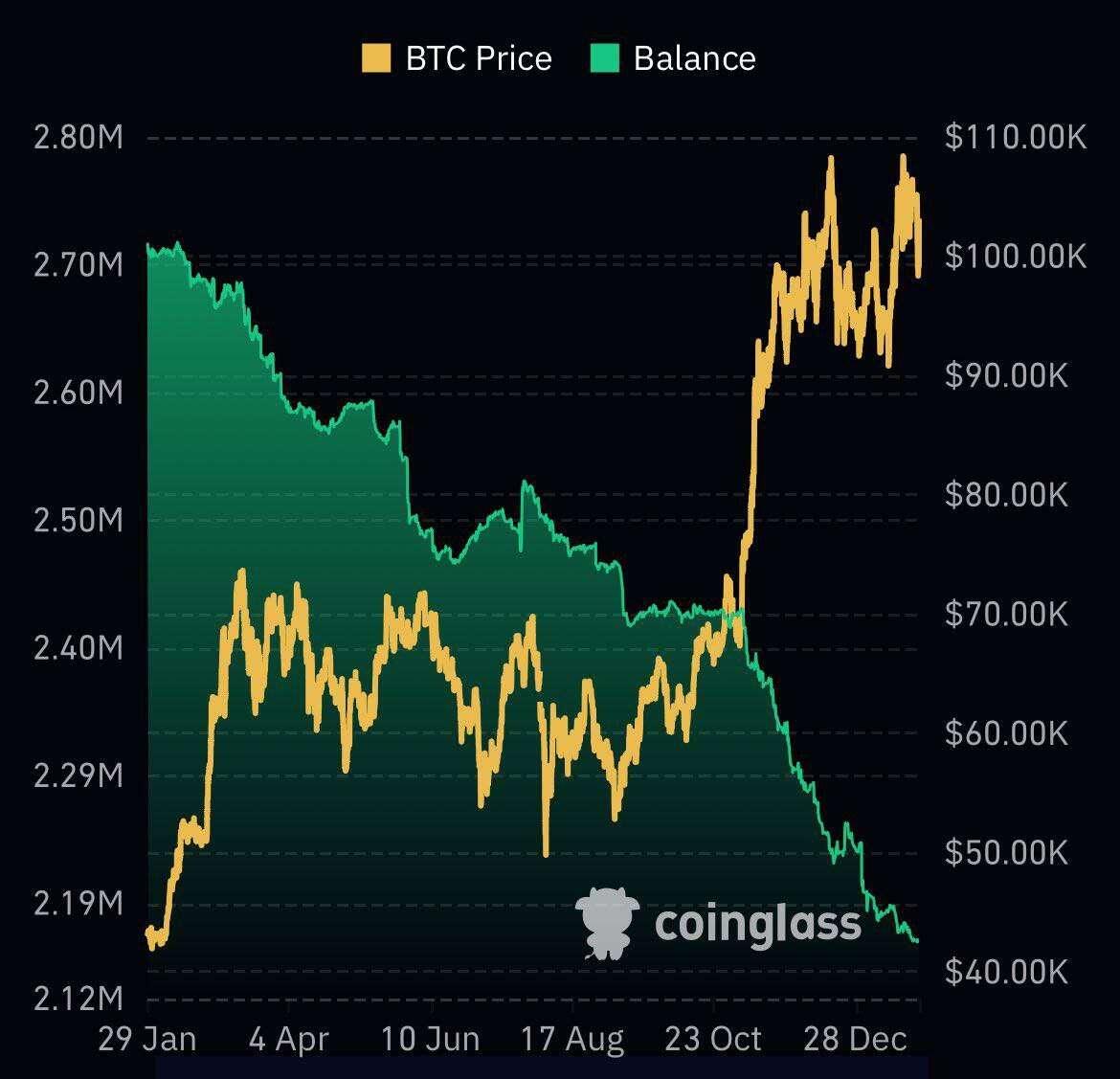
Could be the most importantly metric out there


Smart on his part. He’s a very talented shitcoinner. Keeping sats cheap for us.
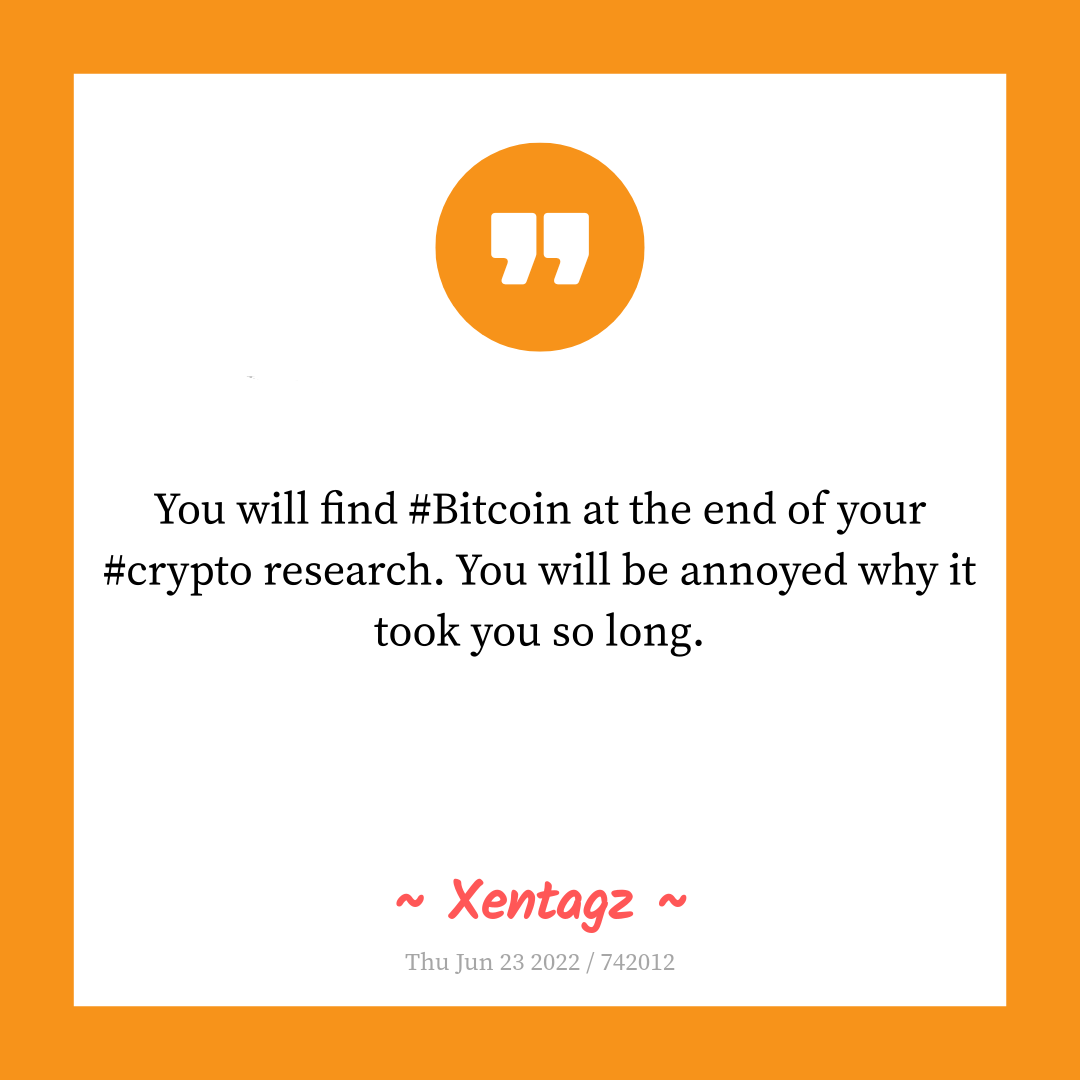
You will find #Bitcoin at the end of your #crypto research. You will be annoyed why it took you so long.
- nostr:npub1hsu9m7l25sf3lmae97z2n3gwf0zzvr3d55vr7ugn4mx478fsr2lskxylj2
#BitcoinTwitter
It’s an ego test. Never feels good buying in.
Normies be like…did Tay Tay really kiss him or was it fake?! nostr:note1a2um2namukql0ch9df4vqa4kymwzlf3vhgev5dvnrltecdlzzgpqfpwgu0





Trump pushed over the domino. Now everyone wants to front run the US Gov! Love it


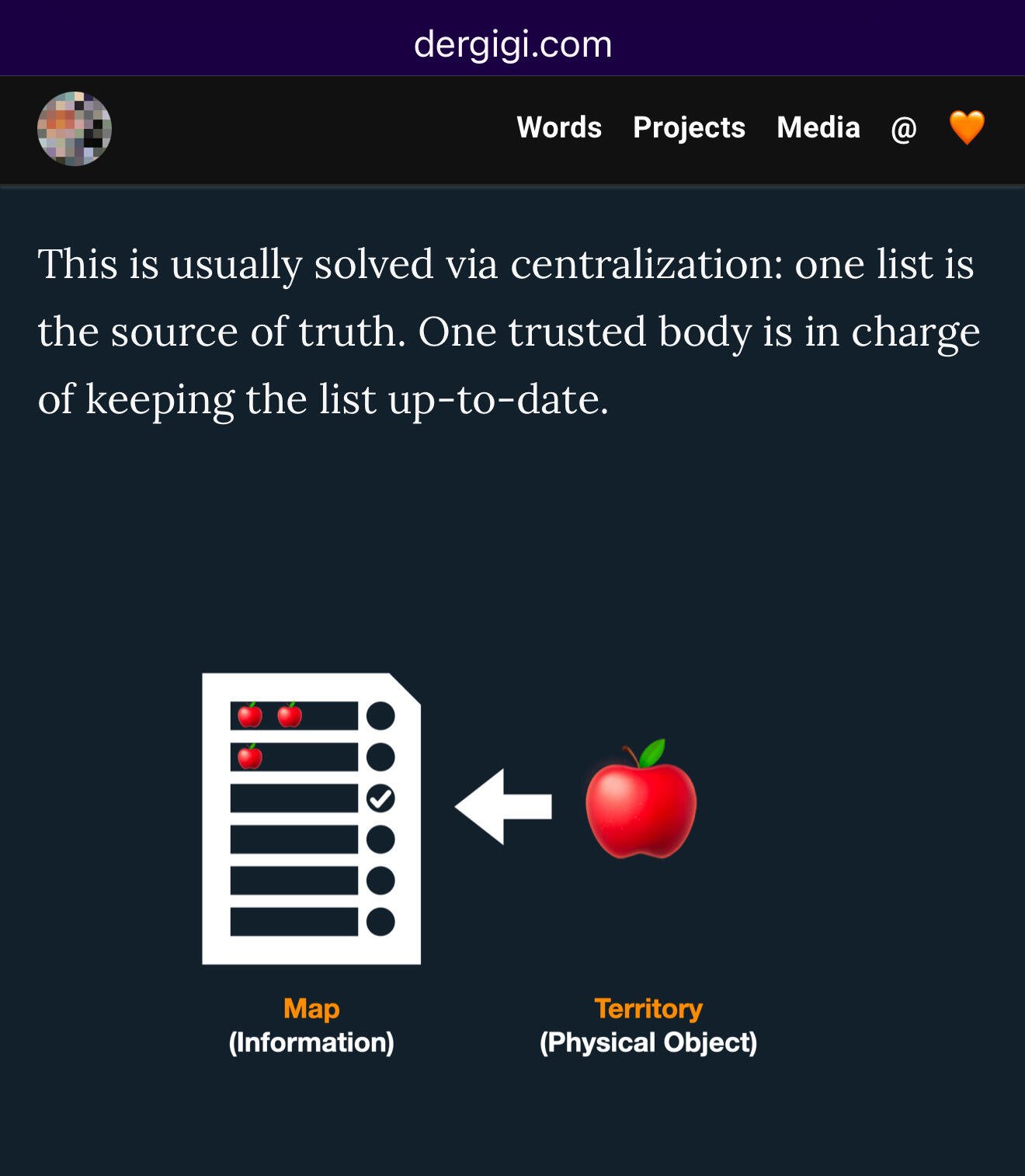
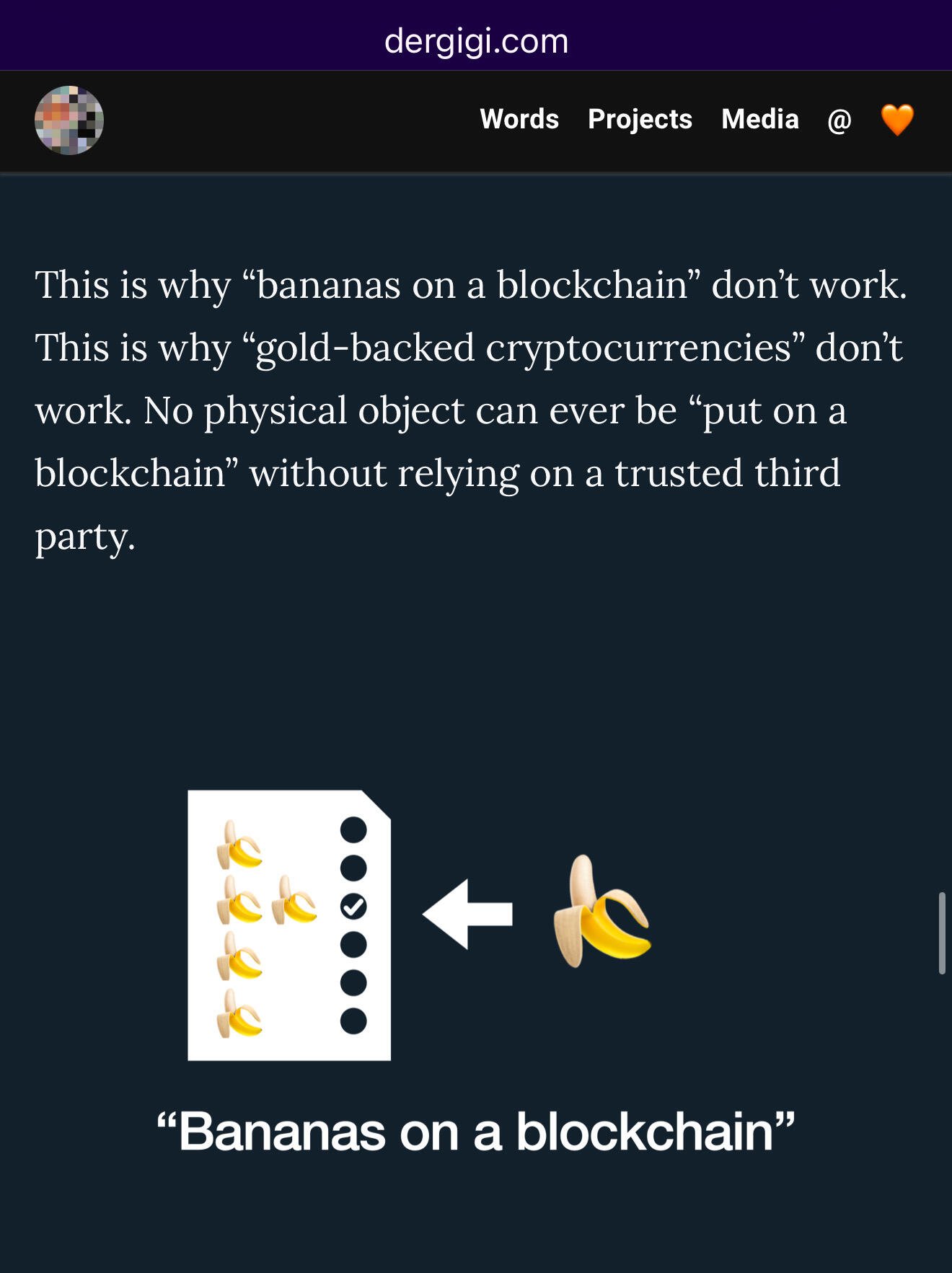
“This is why bananas on a blockchain don’t work.”
— nostr:npub1dergggklka99wwrs92yz8wdjs952h2ux2ha2ed598ngwu9w7a6fsh9xzpc, Memes vs The World 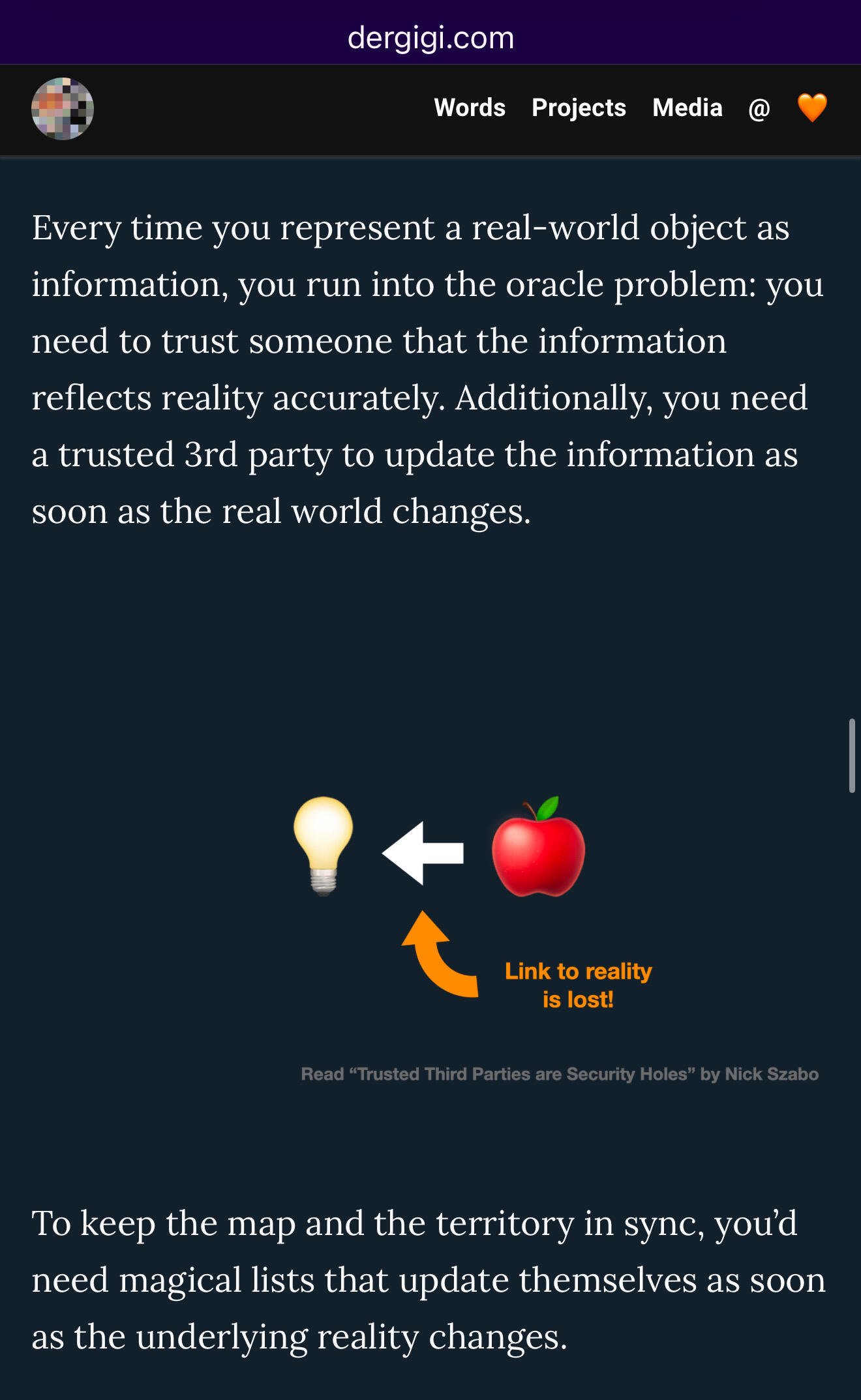
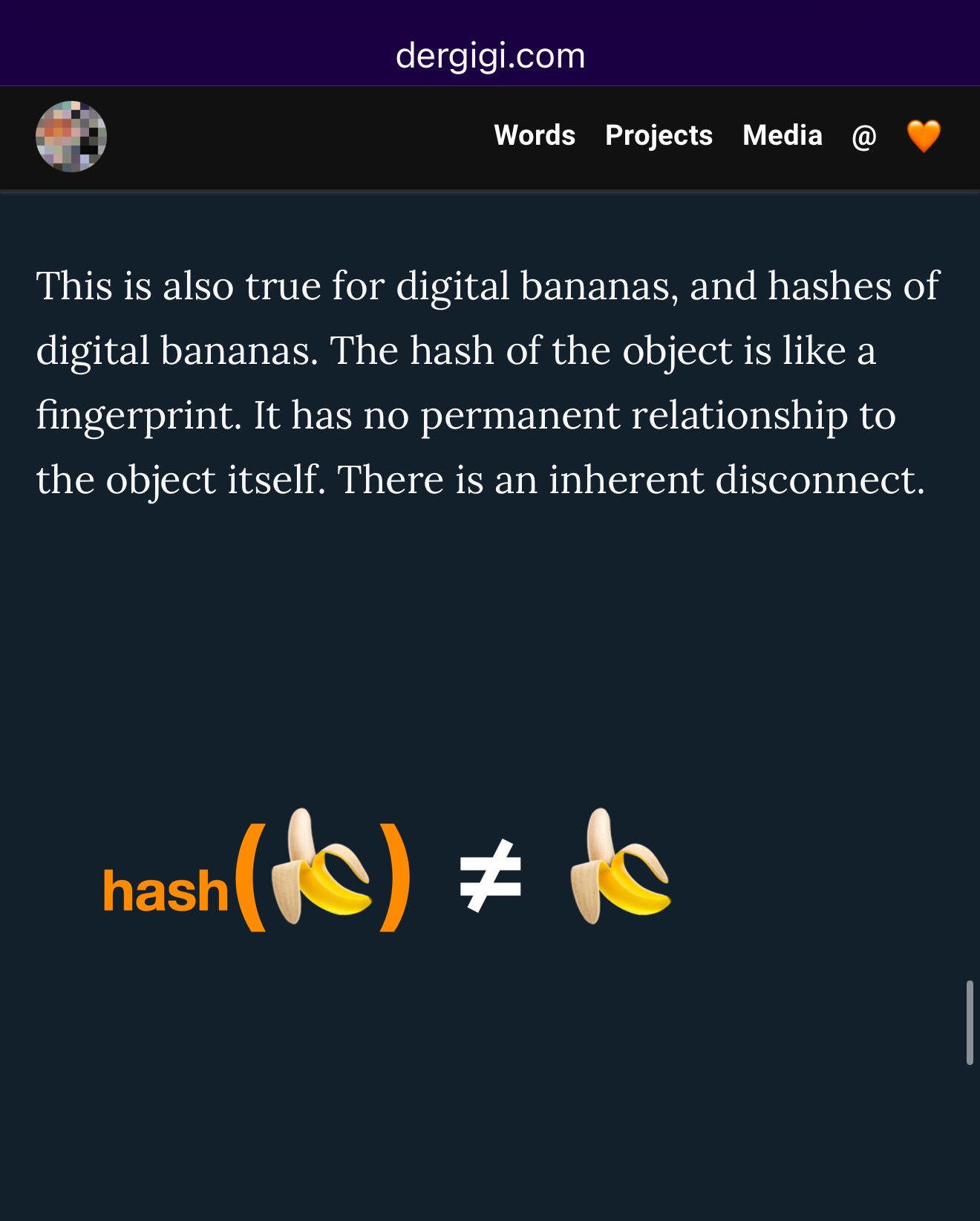
Does this mean excess block space has no value? Wonder what Bob Burnett would say…?


Canada loves the printer. Mooseknuckle going lower.

Shocking? Sort of

Plebs of the Word, rejoice! The cheaters don’t make the rules anymore!
nostr:npub1s05p3ha7en49dv8429tkk07nnfa9pcwczkf5x5qrdraqshxdje9sq6eyhe thanks for this gem 🧡
“Jeff Both sent this to me. He posted on NOSTR yesterday, and gave me permission to put it out on X on his behalf, as Jeff now posts almost exclusively on NOSTR. As you can imagine, I agree with Jeff’s assertions. I find I very rarely don’t. Thank you.
JB: With all the chaos and nonsense going on in the world right now, I wanted to share something that I believe is critical as it relates to what is happening on #bitcoin (the first global free market that can’t be cheated) versus a system of corruption (trying to stop that system) Either 1) through willful intent or 2) lack of knowledge.
(*the majority of people fall into the lack of knowledge group)
According to game theory and playoff matrices: even when there are very high rewards and low punishment (they wouldn’t get caught) approximately 10% of people won’t cheat - no matter what!They place a higher internal value on integrity that overrides external rewards. I’ve seen this number as low as 2.5% and as high as 20%.
Why is that important:
Although everyone wants to see themselves as one of the honest, the math says that between 80 - 97.5% of people will cheat depending on the rewards. Now enter money - the ultimate pot of gold with high rewards and low punishment for cheating because people don’t understand it. Most people will cheat - a mirror of the world we see and have seen in Bitcoin since its inception. Need inflation, bad for environment, drug money, doesn’t scale, crypto, meme coins - the list will go on and on because if people can “get rich at someone else’s expense - most will. Those are simply the numbers and always have been.
In fact, in prior periods of history, the honest were at a massive disadvantage because and would often be killed by the cheaters. Because the integrity was so rare, society would often celebrate these people after their deaths as lessons of what we wanted our higher selves to look like.
#bitcoin has changed the equation. Giving those with integrity the power. Why: because 2.5 - 20% of people that won’t cheat is a massive number - especially if many of those people are decentralized and can’t be “found”. Those are the people who eventually run nodes, contribute their time and energy to keeping #bitcoin decentralized and secure, watch for attack vectors, build value on top of this protocol, call out the cheaters, teach and advocate to help others see it. Those people simply can’t be bought, and more are joining every day.
That decentralized and secure protocol bounded by energy is repricing everyone and everything from the other system and it will continue to do so as that system tries to grapple with: the cheaters no longer make the rules.
It will be chaotic, many more will try to cheat (don’t be afraid to slay your heroes) but in the end…..Satoshi unlocked a way to put the best of us into a protocol that was best for all of us.
What a time to be alive.
Jeff Booth”
The bitcoiners.
18K turns into 140K
Wow nostr:note1dvaktaktuxhnkw9ynmfkc67jye82fn82mu3yk0x7fyr7p9lglktsuqkpnj

I’m nostr only so I didn’t know.
Breedlove did the same thing and came out of the quagmire, but my trust in him has never recovered.
How do you know someone owns bitcoin?
They drive a Lambo?
They quit their 9 to 5?
They love freedom?
They have hope for the world?
They love history and technology?
They think Warren Buffett and Charlie Munger are idiots?
They love entrepreneurs?
They have low time preference?
They love guns?
They eat steak?
They know you’re only as valuable as your network?
They think Covid 19 was a convenient excuse to print money and enrich the cantillonaires?
They think the government should have no say on medical treatments?
They love truckers?
They just want to be left alone?
They know government debt levels are unsustainable?
They study monetary policy and history?
The hate Central Banks?
They think in first principles?
They know nature is deflationary?
They know the money needs to mirror nature?
They’ve put in the work?
They’ve spent at least 100 hours studying money?
They are naturally curious?
They are not limited by their ego?
They dgaf?
They know inflation is a hidden tax?
They think taxation is theft?
They believe in consensual relationships?
They hate war?
They know the money printer has funded every war in history?
They believe in truth?
They want a system that is fair, not equal, for all participants?
They will die on this hill?

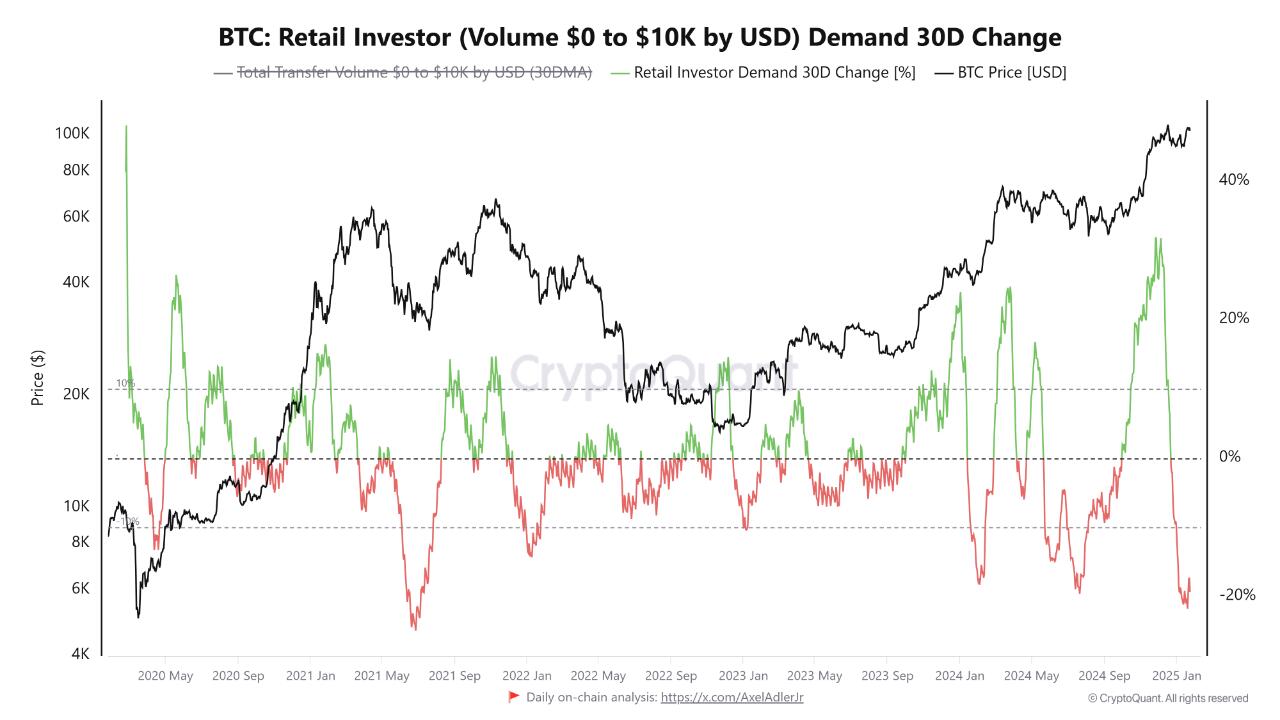
So true nostr:note1zhh2640k62urg0qek9az0cexns5kvx497c38xszzzx68935edvmq3z84vf
GM nostr:note1xxf47tnsp8y30krjdgckpyxf2zlczxs20ktpj3aezdckpvdznq9sj40d66
What about, don’t listen to what they say, watch what they do?