
Catholics are the fundamental Christians. The rest are sects mostly founded in heresies.
(1) Only the Catholic Church can trace its roots back to Christ Himself.
Within a few short years of the Resurrection, the followers of Jesus began calling themselves “Christians” (cf. Acts 11: 26), and by the end of the first century, the word “catholic”—meaning “universal” —was applied to the Church. The idea of different (and sometimes competing) Christian denominations would have been unthinkable to the early Christians, especially in light of Christ’s pronouncement on one shepherd and one flock (John 10:15) and his prayer that his disciples remain one (John 17:22). It was only human weakness and sinfulness that brought about the religious divisions that afflict Christianity today.
(2) The Eucharist—the Real Presence of Christ—is not found in Protestant churches.
(3) Unlike other Christians, Catholics have a fully sacramental understanding of God’s saving activity.
(4) Because of the Church’s magisterium, Catholics have the assurance that their beliefs are divinely revealed truths, not human interpretations and opinions.
https://www.catholic.com/magazine/print-edition/christian-yesbut-why-catholic
502 Early Church History 20: Early African, Armenian, and Asian Christianity
nostr:npub19tgm7x8pewwlfg8xp8wqhldtvjrtt8mknk0fx703zk5ht3cucynqacdes8
Question:
Does baptism cause an ontological change in the baptized? If so, what is that change?
Answer:
An ontological change means a change of the very essence of a being. Since baptism permanently configures us to Christ, yes, it brings an ontological change. This is why the Church insists there can be only one baptism: once the ontological change takes place it cannot be repeated.
The Catechism of the Catholic Church:
1265 Baptism not only purifies from all sins but also makes the neophyte “a new creature,” an adopted son of God, who has become a “partaker of the divine nature,” member of Christ and co-heir with him, and a temple of the Holy Spirit.
https://www.catholic.com/qa/baptism-changes-our-very-essence
Catholics are the fundamental Christians. The rest are sects mostly founded in heresies.
(1) Only the Catholic Church can trace its roots back to Christ Himself.
Within a few short years of the Resurrection, the followers of Jesus began calling themselves “Christians” (cf. Acts 11: 26), and by the end of the first century, the word “catholic”—meaning “universal” —was applied to the Church. The idea of different (and sometimes competing) Christian denominations would have been unthinkable to the early Christians, especially in light of Christ’s pronouncement on one shepherd and one flock (John 10:15) and his prayer that his disciples remain one (John 17:22). It was only human weakness and sinfulness that brought about the religious divisions that afflict Christianity today.
(2) The Eucharist—the Real Presence of Christ—is not found in Protestant churches.
(3) Unlike other Christians, Catholics have a fully sacramental understanding of God’s saving activity.
(4) Because of the Church’s magisterium, Catholics have the assurance that their beliefs are divinely revealed truths, not human interpretations and opinions.
https://www.catholic.com/magazine/print-edition/christian-yesbut-why-catholic

nostr:npub19tgm7x8pewwlfg8xp8wqhldtvjrtt8mknk0fx703zk5ht3cucynqacdes8
Question:
Does baptism cause an ontological change in the baptized? If so, what is that change?
Answer:
An ontological change means a change of the very essence of a being. Since baptism permanently configures us to Christ, yes, it brings an ontological change. This is why the Church insists there can be only one baptism: once the ontological change takes place it cannot be repeated.
The Catechism of the Catholic Church:
1265 Baptism not only purifies from all sins but also makes the neophyte “a new creature,” an adopted son of God, who has become a “partaker of the divine nature,” member of Christ and co-heir with him, and a temple of the Holy Spirit.
https://www.catholic.com/qa/baptism-changes-our-very-essence

You carry your cross and go through your hardships.

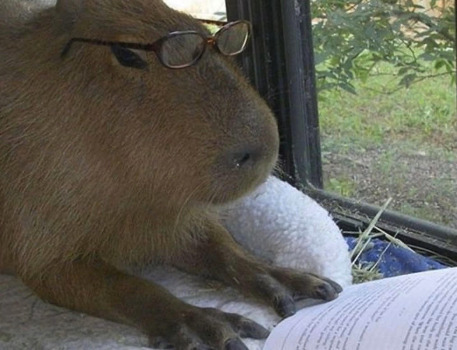
This is for when you wake up in the morning. nostr:npub17x7htjej3hgcqwqj86u9yvpcunhw6nz4zclzph2zfnlwe4v0yp8qrxvgap
The daily decisions we make regarding how we feed or deny our immediate satisfaction is what forges our character, right?
I would say the best way to deal with it is asking ourselves what does God want from us at each given moment. Has it ever been the case for fulfilling our instinctive satisfaction?
The long run reward is being resilient and not easily manipulated like an animal.
That is exactly the problem non-christians CD can't grasp.
Ontologically, Christians are different.
Relationship with someone who doesn't understand or believe in abnegation through God can't understand the commitment of marriage either.
We are different races.

Self-control is always going to be fundamental to one's freedom.


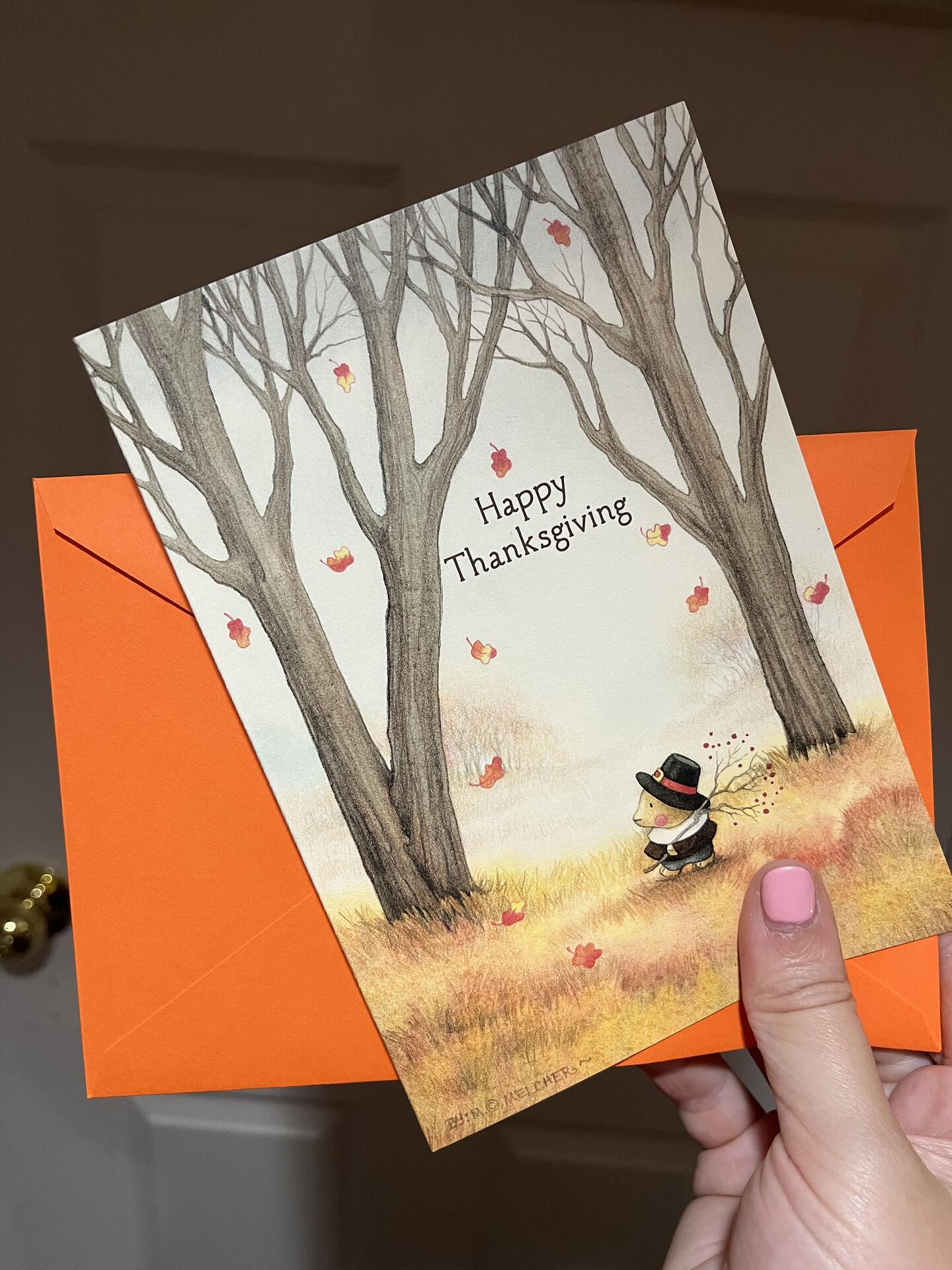
Snail mail cards?
It has been a long time since I last saw one of those.

Congratulations, nostr:npub180cvv07tjdrrgpa0j7j7tmnyl2yr6yr7l8j4s3evf6u64th6gkwsyjh6w6 !


Se você observar o que eu respondi, vai ver que é importante.
Para entender a fundamental importância de verdade objetiva. Diferente do que costumam dizer hoje em dia, como se tudo pode ser qualquer coisa:
https://sites.google.com/view/sbgdicionariodefilosofia/termos-filos%C3%B3ficos-gregos

Have you read my first reply to you pinpointing some aspects to be taken in consideration when addressing a Christian economic model?