

That’s why I said « fiat »
I recommend you read the Fiat Standard by nostr:npub1gdu7w6l6w65qhrdeaf6eyywepwe7v7ezqtugsrxy7hl7ypjsvxksd76nak
☕️ Morning thought:
They want you to zoom in and not seek the full picture. Military victories make headlines, but are they more important than economic crises?
World powers often emphasize military success because it’s immediate and visible. But economic crashes, though less dramatic, can cause long-term devastation.
In reality, economic strength is what ultimately decides the outcome of wars. Traditional military forces may win battles, but non-traditional resistance groups—often with fewer resources—can outlast them if the economic foundation of their enemy weakens. Guerrilla warfare and decentralized resistance thrive when a well-funded military begins to strain under the pressure of economic collapse. Without a stable economy, even the most powerful armies become unsustainable, and victory slips away.


For the first time in history, our creative thoughts can journey unbound through space and time. #Nostr




NOT a US taxpayer? READ the below
❌ US military spending, doesn’t just hit U.S. taxpayers—it affects the entire world:
When the U.S. borrows to fund wars,
⬇️
inflation rises
⬇️
weakening the U.S. dollar.
➕
Since the USD is used globally,
⬇️
this devalues currency reserves everywhere,
⬇️
raising the cost of goods and services.
🟰
This means people around the world are paying for U.S. military operations through higher prices, even if they’re not American citizens.
🪧 Something might fix this. Do you know what it is #Nostr?
War creates fiat wealth indeed benefiting everyone through a cantillon effect.
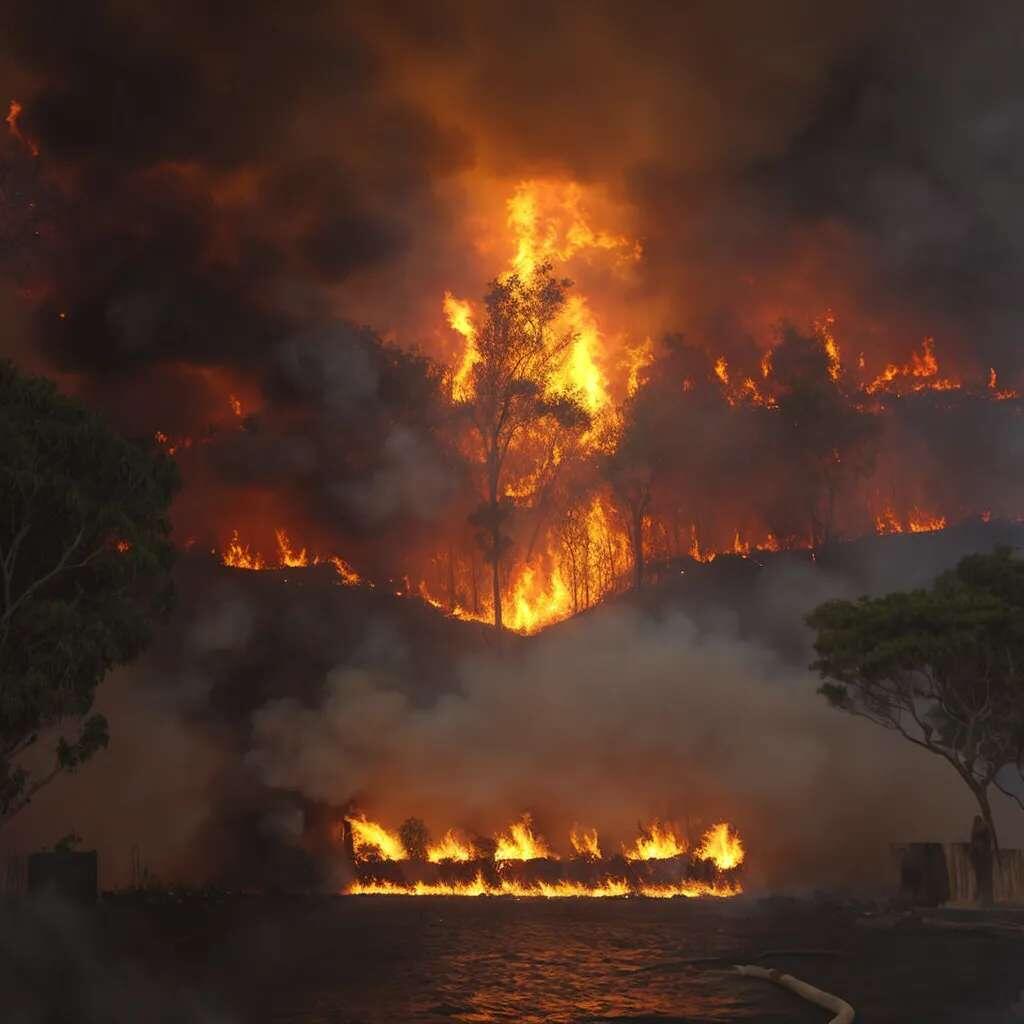

The #US #CENTCOM’s operations cost American taxpayers far more than you realize—not just in military budgets, but in hidden economic impacts, staggering debt, and the erosion of vital public services. The true cost? A financial burden that will haunt your kids and their kids and their grandchildren. Read on to uncover the shocking, full scope of how CENTCOM affects you.
Here’s the true price tag:
1. Direct Costs: Operations and #Wars
The most obvious cost to taxpayers is CENTCOM’s military operations. Between 2001 and 2022, the U.S. spent $8 trillion on wars in CENTCOM’s area of operations—primarily in Iraq and Afghanistan. This includes:
• $2.3 trillion in #Iraq.
• $2.3 trillion in #Afghanistan.
That’s $25,000 per U.S. household.
2. Indirect Costs: Veterans’ Care
The wars don’t end when the troops come home. Long-term care for veterans is another $2 trillion in projected future spending, according to estimates from the Costs of War Project. This includes:
• Lifetime medical care for over 4 million veterans.
• Disability compensation for soldiers with PTSD, traumatic brain injuries, and other war-related injuries.
These are lifetime costs U.S. taxpayers will pay for decades.
3. Hidden Costs: Interest on War Borrowing
Here’s what’s even more shocking: Most of CENTCOM’s operations were paid for with borrowed money🤡. The interest on war-related debt has already cost U.S. taxpayers $1 trillion—and could reach $6.5 trillion by 2050. That’s more than the U.S. spent on World War II, adjusted for inflation❗️
This is money that could have been invested in #healthcare, #infrastructure, #education, and natural disaster preparedness response and recovery budgeting.
4. Opportunity Cost: What Taxpayers Missed Out On
The $8 trillion spent on CENTCOM operations could have:
• Paid for #Medicare for All for a decade.
• Eliminated all student debt in the U.S. multiple times over.
• Rebuilt U.S. infrastructure, fixing all bridges and roads in desperate need of repair.
Instead, it went to wars with questionable outcomes. Iraq remains unstable, and Afghanistan fell back into Taliban control after 20 years of occupation.
5. The True Bottom Line
When you add up the direct costs of military operations, the long-term costs of veteran care, the hidden cost of interest on war borrowing, and the lost opportunities to invest in America, CENTCOM’s real burden on taxpayers exceeds $15 trillion.
That’s nearly $120,000 for every U.S. household—money that continues to drain away with every year the U.S. remains engaged in the Middle East. The wars may be “over,” but the financial fallout will haunt American taxpayers for generations.
Yes, there are several additional hidden costs that deepen the financial impact of CENTCOM operations on U.S. taxpayers. These costs often go unnoticed but significantly compound the overall burden. Here’s what else contributes to CENTCOM’s enormous price tag:
6. Economic Disruption from #Oil Market Volatility
CENTCOM’s involvement in the Middle East is heavily driven by the need to secure access to oil. However, U.S. military interventions and instability in the region often trigger oil price spikes that hurt the global economy—and taxpayers bear the brunt.
• The 2003 Iraq invasion led to oil prices surging from $25 to over $100 per barrel, causing global economic disruption.
• Each oil price shock costs American consumers an estimated $1.2 trillion in higher energy prices and lost economic output over a decade.
This volatility, directly linked to U.S. military actions, translates into higher gas prices, increased transportation costs, and inflation that squeeze household budgets—yet is rarely counted in the cost of war.
7. Contracting and Waste in Defense Spending
Billions of dollars in taxpayer money flow to private military contractors supporting CENTCOM’s missions. But audits have revealed shocking levels of fraud, waste, and abuse:
• Over $60 billion was wasted in reconstruction efforts in Iraq and Afghanistan, according to the Special Inspector General for Afghanistan Reconstruction (SIGAR).
• U.S. taxpayers have funded $138 billion in contracts to private companies in Iraq and Afghanistan, many of which went to unaccounted for or under-delivered projects.
These contractors—like #Halliburton, which made $39.5 billion from the Iraq war—are profiting while taxpayers foot the bill for mismanagement and corruption.
8. Environmental and Health Costs
CENTCOM operations have left lasting environmental damage in war zones, and taxpayers are often left to pay for the cleanup:
• Burn pits in Iraq and Afghanistan—where toxic materials were incinerated—have caused serious health issues among U.S. service members. This has led to a growing number of disability claims, with a potential future cost of billions in VA healthcare and compensation for affected veterans.
• Environmental damage from military bases and combat operations (oil spills, chemical contamination) requires costly remediation, which is seldom factored into war spending.
9. Impact on Domestic Security Spending
U.S. military involvement in CENTCOM regions has fueled anti-American sentiment, creating a feedback loop of increased security risks at home:
• The expansion of CENTCOM’s wars has driven increased domestic security spending, including on Homeland Security and counter-terrorism programs. U.S. taxpayers spend $1.1 trillion annually on overall security, with a significant portion aimed at mitigating threats created by U.S. intervention abroad.
10. Social and Economic Costs of Veterans’ Reintegration
Beyond the healthcare costs for veterans, their reintegration into society often results in:
• Increased demand for social services like housing and employment programs for veterans. Homelessness among veterans of CENTCOM’s wars remains persistently high, requiring additional taxpayer-funded support.
• Mental health crises among veterans, including higher rates of PTSD and suicide, put strain on public mental health resources, stretching thin local and federal social safety nets.
The Final Toll: What’s Really at Stake
Adding these layers of indirect, hidden, and societal costs, the total taxpayer burden for CENTCOM’s operations balloons even further, likely crossing $20 trillion over the coming decades. This is a staggering, often unseen cost that leaves:
• Families under economic pressure from increased taxes and cuts to social programs to cover war-related debts.
• Future generations shackled by debt and interest payments for wars they didn’t fight in, as they inherit a nation strained by war debt, veteran care, and diminished economic opportunities.
The numbers don’t lie—CENTCOM’s operations have placed a massive, ongoing strain on U.S. taxpayers and on the USD inflation which has global financial and economic repercussions.
If you found this eye-opening, I encourage you to share it and spark the conversation about where our money is really going.
For more insights, read my piece on “U.S. Military Aid and Support to Israel: The Financial Burden on American Taxpayers” ➡️[note193t0lg9ek60v3ty20ge8lmyvnkvny5nk37da3symj6ux3ad7d7asy3u953].

As much as I do agree on the indicators and facts of the rise of the Chinese empire and the fall of the American, we’re a long way from Game Over. Not in the near future imo.


The #US #military spent on the Iraq War an estimated two trillion US dollars of US taxpayers.
For what?! "Stabilizing the MiddleEast" 🤡
Do you know what's the equivalent of 2 trillion $ ?! 👇
- 133 million families could have been fed for an entire year.
- 13.3 million #cancer patients could have received life-saving treatments.
- Millions of brain and heart surgeries could have been covered, saving countless lives.
- 5 million #children with special needs could have had their #education fully funded for a decade.
- 66 million students could have had full #scholarships to public universities, lifting entire generations out of debt and into opportunity.
#Bitcoin #War #Economics
Am looking for #Nostr #merch. What are your top leads?

Initial Q is about Nostr zapping.
nostr:npub1dgpt04w4c88wc0g262xaw8zvlm4mvwtmjhl0tn2sxtyjywsn6q4qt8ka3a asked about how to incentivise people to zap more. imo first is the liquidity. If you have sats scattered across different hot wallets, it would be nice for a Nostr client to do that seamlessly. Today as far as I know, and I use it, Alby allows to connect multiple wallets to make that onramp/aggregator across wallets possible.
Am still in new on Nostr and using Alby, so any clarification will be appreciated.
Switching wallets without having a third party (w/o an Alby)
