

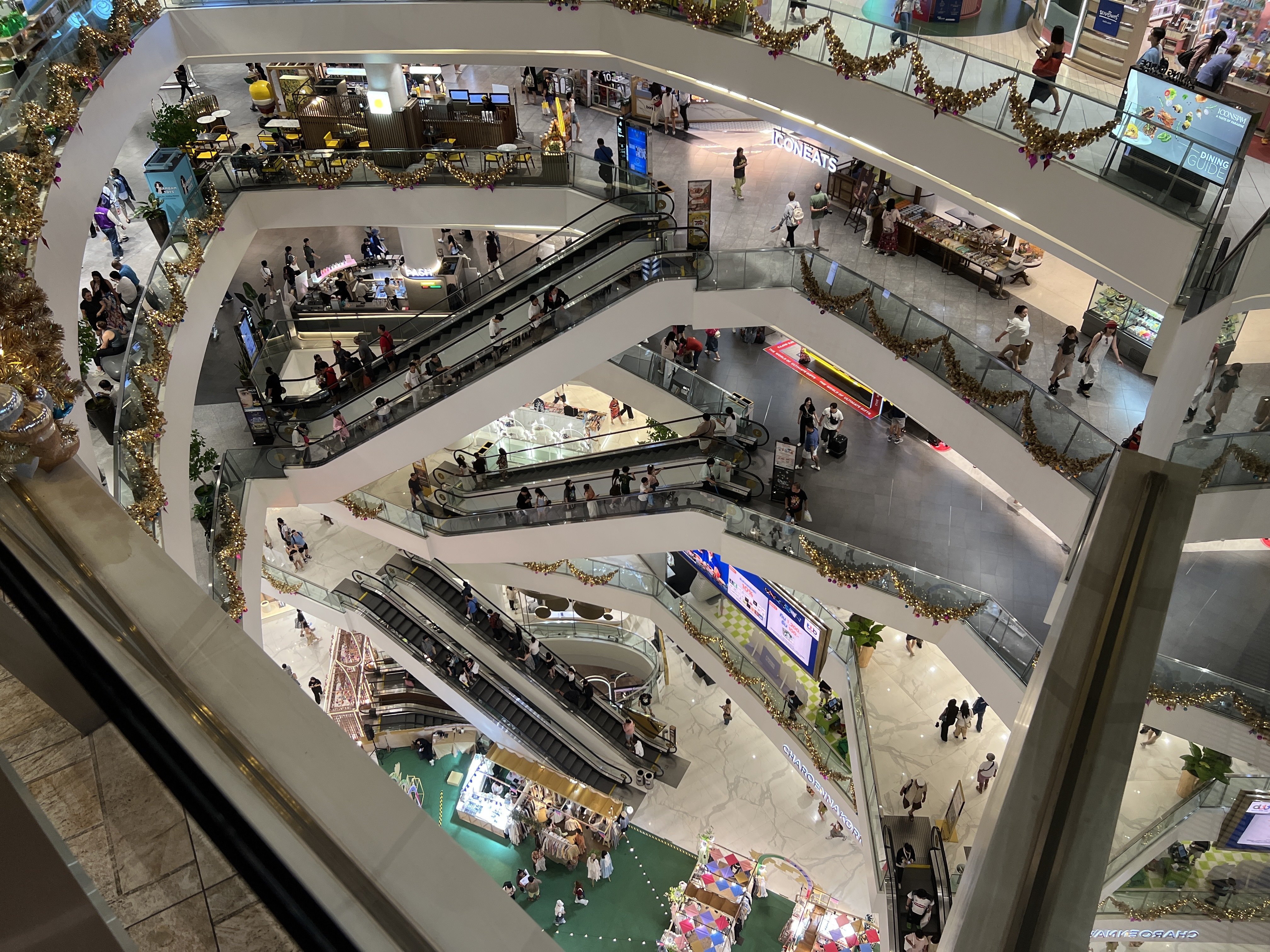
Shopping malls are some of the saddest places we have. It's full of emptiness.
Most people walking/shopping in malls look sad and bored.


LN VPS comes to mind: https://lnvps.net/


It's absolutely mesmerizing, can't wait to explore the rest of the island, any recommendations?
#foodstr #ratstr #madeiraWildlife

Oelalaaa Madeira!! #photography

These nature walks are inspiring... It just gifts you fresh ideas

Lovely Madeira two nights ago #photography


🚨 WHITE NOISE LIVE DEMO! 🚨
Today is a big milestone. I'm now 100% sure that MLS messaging is going to work on Nostr! 🤙 I've been optimistic for weeks now but... you never know until you write that last line of code that ties it all together.
Personally, this project has stretched me way out of my comfort zone. I'm a web dev, not a cryptographer! I also didn't really know much about memory management or compiled languages before getting started on this project. Suffice to say, I've come a long way! 😊
It's not quite ready for use, but I'll have builds out very soon.
https://v.nostr.build/TNOG9ZGYjLEpeIlz.mp4
For those that don't know much about the project, I recommend finding my past MLS updates on Highlighter. Or just ping me here – I'm happy to answer questions.
Wow! Amazing work!

Our WIP:
NERP (Nostr Epoxy Reverse Proxy), which you can put in front of any relay to support proxying: https://github.com/ArjenStens/nostr-epoxy-reverse-proxy
We're building Epoxy. Basically a way to proxy to a relay through one or more other relays. The cool thing here is those proxies can support tor/i2p/hyper as well. Meaning you can technically connect to a TOR relay from clearnet, like on iphone.
Using these proxies helps hide the requester's IP from the destination server and vice versa along with blurring the line between clearweb/tor/i2p. It will all seem like one network to the end user.
We want to address relays by pubkey (NIP-66), encrypt the Nostr requests going to the final relay to that relay's pubkey, that way the intermediate proxy relays can't read the contents.
Thanks for sharing!
nostr:nprofile1qqszv6q4uryjzr06xfxxew34wwc5hmjfmfpqn229d72gfegsdn2q3fgpz9mhxue69uhkummnw3ezuamfdejj7qgjwaehxw309ahx7um5wf6k2tnrdakj7qg6waehxw309ac8junpd45kgtnxd9shg6npvchxxmmd9usc5pxf Let's make sure we account for this (mainly IP leaks)
Nostr is the machine.
Bitcoin is the oil.

Haha ik juich alle btc payments toe :) Denk dat eCash het nóg cooler en sneller gaat maken. Nu mee bezig en het is echt bizar wat we in no-time kunnen bouwen met eCash TOV Lightning!
As spoken by nostr:nprofile1qqs0tlt4fptsgmehatjcexpd0gyerwsgext0tveep73t44r77fccmmgpz9mhxue69uhkummnw3ezuamfdejj79hkwj4 during his keynote at #btcamsterdam "Use it or lose it": using Lightning Network to pay for delicious specialty coffee at hummingbird in Amsterdam
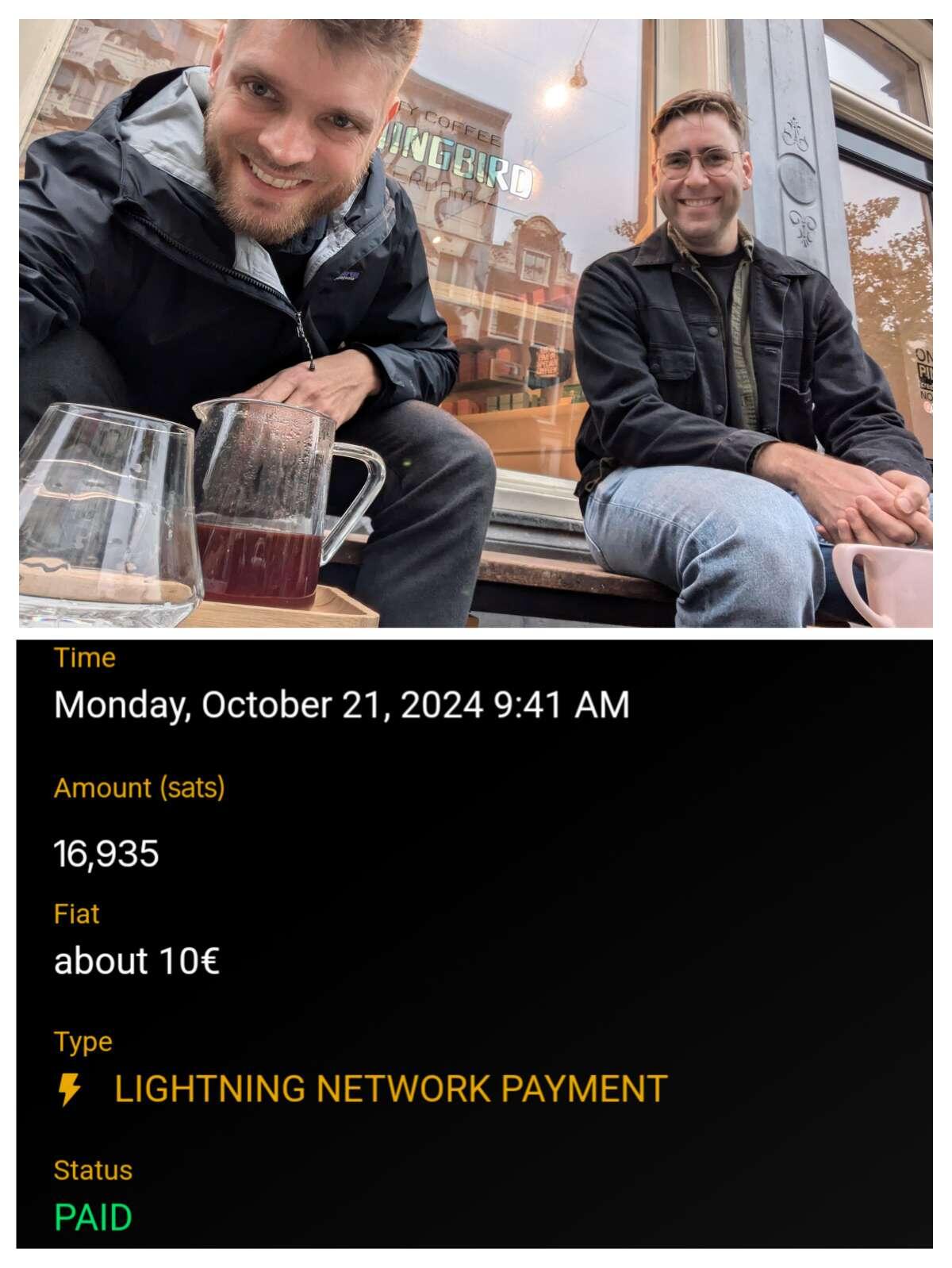
Nice! Wen eCash? 🙃

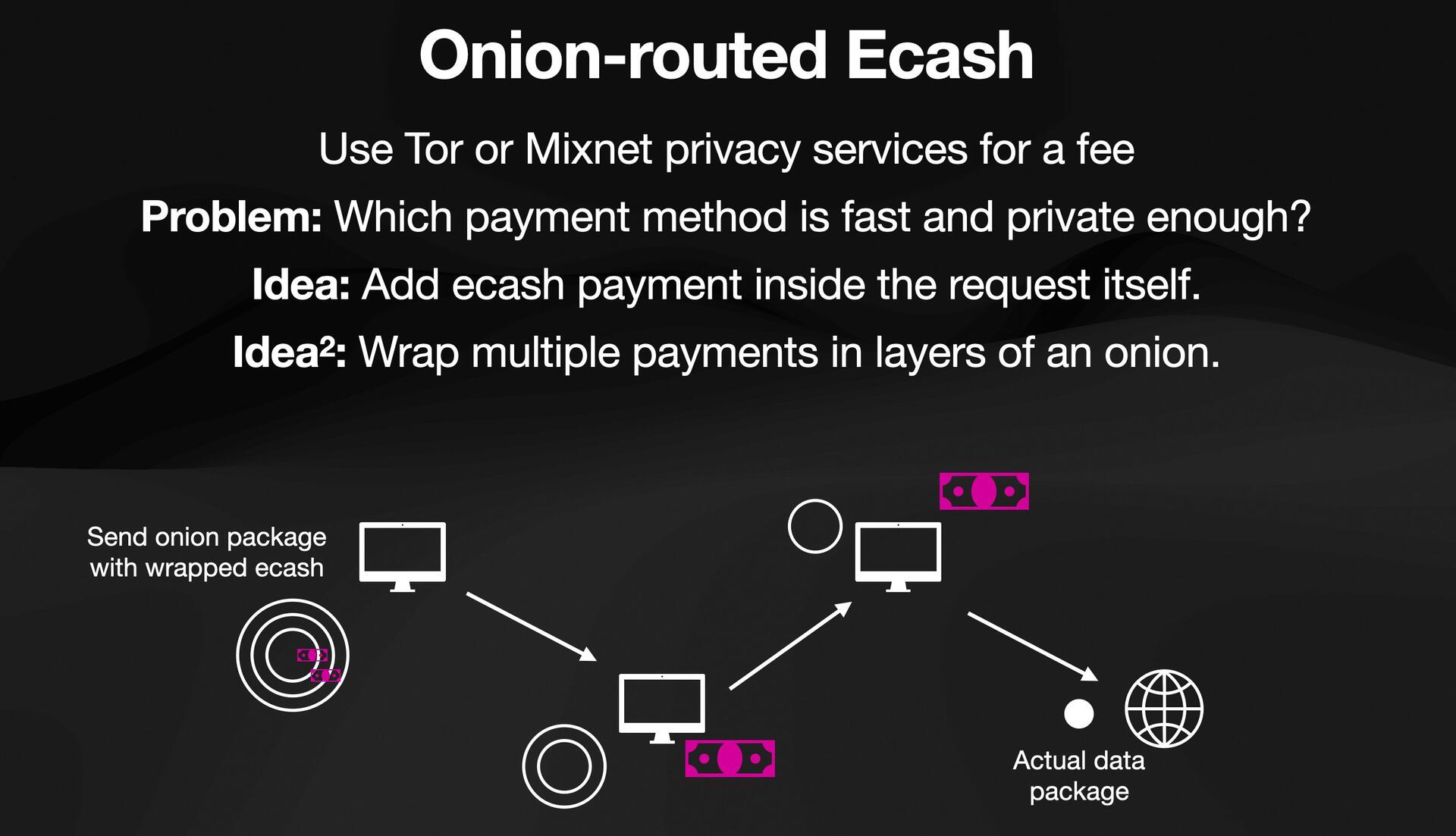
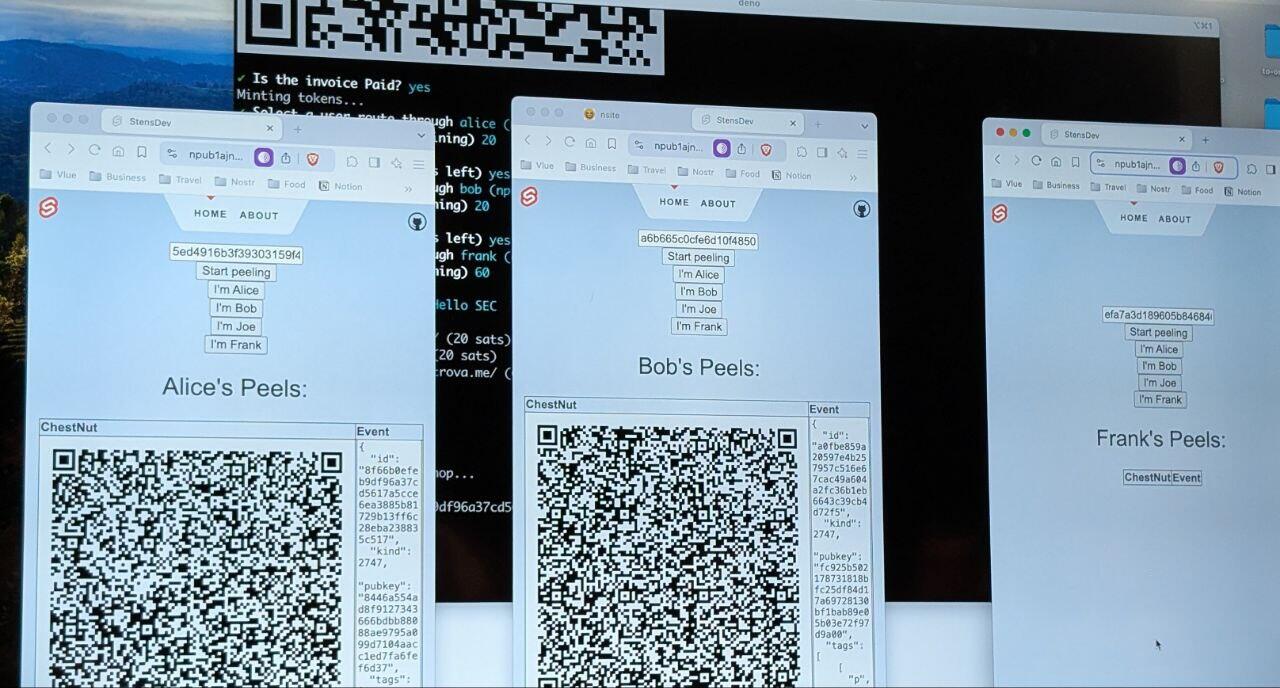
Onion routing + proxying (Epoxy) is on it's way!



Yes it does, It allows us to address the relay through whatever means they themselves have shared, which can be TOE, I2P or the open internet. Their address can change but you can still follow the changes and use their new endpoints.
Like this: