
ขอปิดท้าย Chinese New Year 2025 วันนี้ ไว้โพสนึง :)
.
.
5 ปีที่แล้ว ผมให้ขนมเปี๊ยะ BTC 4 ลูก (มี Logo BTC ปั้มอยู่บนขนม) พร้อมส้ม 4 ใบ และอวยพรให้ผู้ใหญ่ทั้งหมด 20 ครอบครัว
.
16 ครอบครัว ไม่ได้พูดอะไร ... อีก 4 ครอบครัว ทำหน้าตาขึงขัง พร้อมบอกว่า "เลิกเถอะ เรื่องพวกนี้"
.
ปีที่แล้ว มี 1 ครอบครัวจากในทั้งหมด ให้ไปอธิบายว่ามันคืออะไรกว่า 2 ชม จากนั้นได้ลองถือดูประมาณนึง
.
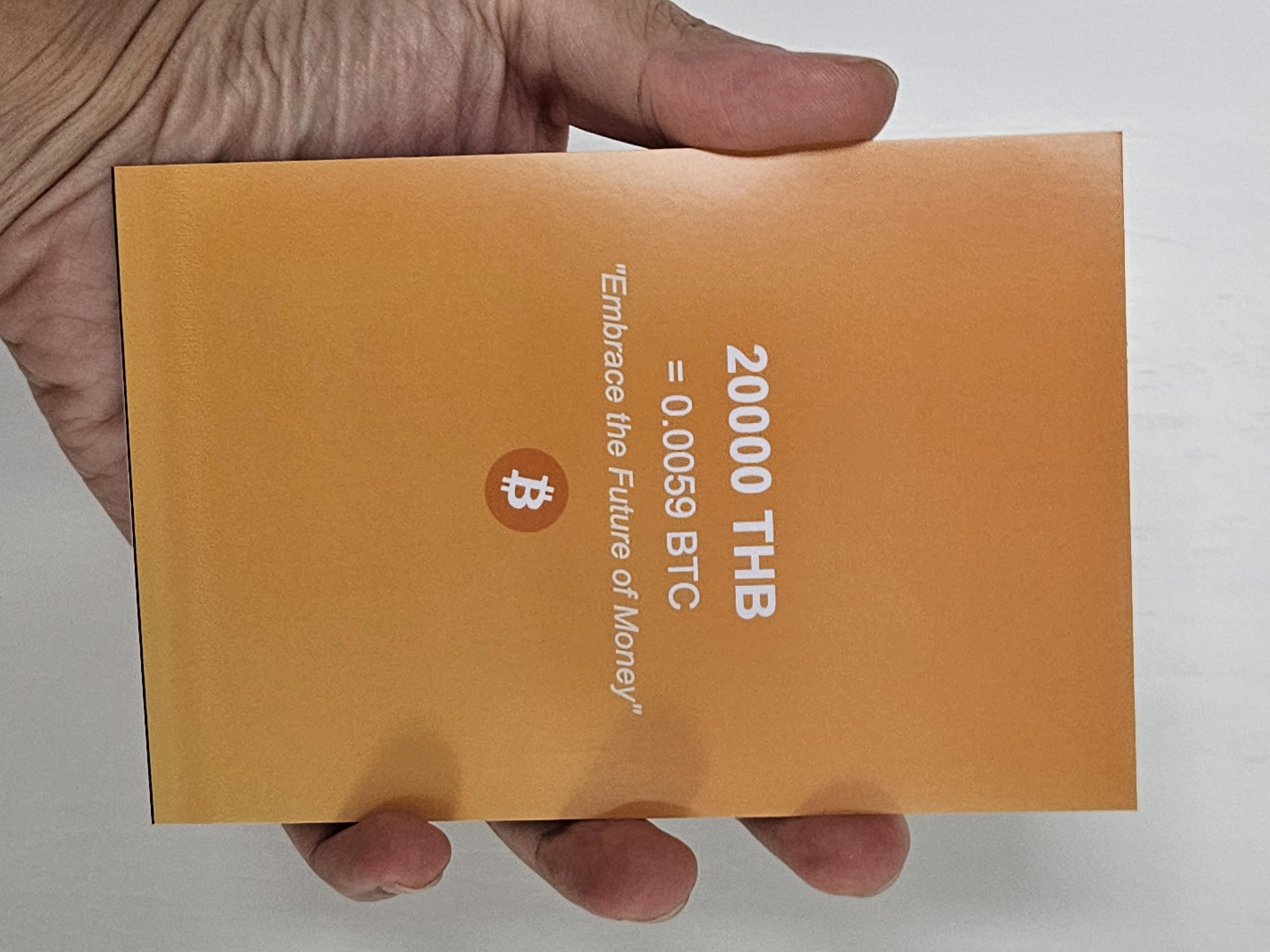
ปีนี้ครอบครัวเราได้ตัดสินใจ แบ่งอั่งเปาออกมาส่วนนึง แล้วแจกเป็น BTC ให้กับคนหลายๆกลุ่ม ผ่านทาง Lightning
.
.
เดี๋ยวอีก 5 ปีข้างหน้า มาลองดูกันว่า อะไรๆ จะเป็นอย่างไรบ้าง ...
.
.
แต่ที่แน่ๆ 5 ปีที่แล้ว เราต้องใช้ 1 BTC มาทำอั่งเปา แต่ปีนี้เราใช้เพียง 0.08 BTC ก็ทำอั่งเปาได้ครบแล้ว
#siamstr
บทสัมภาษณ์ที่คนรุ่นใหม่เริ่มใช้กับชีวิตของเขา ... แต่คนรุ่นก่อนหน้าของเขา อาจไม่ชอบใจนัก
https://www.youtube.com/live/O-Q-lQyyUIo?si=hKMQdbuFQBK_33zD
ขอบคุณ nostr:nprofile1qqsvefl02swmsd5fgy7ewhz0dg67fmrnj9dzt9k8wpqjmy5xuuerzas49u935 ที่เปิดโอกาสดีๆมาในครั้งนี้ครับ
#siamstr #rightshift
บทสัมภาษณ์ที่คนรุ่นใหม่เริ่มใช้กับชีวิตของเขา ... แต่คนรุ่นก่อนหน้าของเขา อาจไม่ชอบใจนัก
https://www.youtube.com/live/O-Q-lQyyUIo?si=hKMQdbuFQBK_33zD

#RightTalk อีก 2 ตอน ส่งท้ายปี
21 ธค ถอดรหัสหุ้นกู้ 0% ของ Saylor nostr:nprofile1qqsp37d70fan8r9m25yes6kazlusa48x7md5hdaq0eynqspchy4fyzsnyw77c
26 ธค ถ่อมตัวลง เพื่อยืนขึ้นอย่างมั่นคง nostr:nprofile1qqsv556w6n7lcnf046jmu9ea6zxqkgyr9rlrr7d87w0u3lpwrmly82s2dukna
เวลาเดียวกัน 2 ทุ่มที่ช่อง nostr:nprofile1qqsvefl02swmsd5fgy7ewhz0dg67fmrnj9dzt9k8wpqjmy5xuuerzas49u935
#RightShift #Siamstr
26 นะฮะ ไม่ใช่ 28 นะ 55555


welcome krub:)
ดูหนังกับเฮียวิทย์ ... "Gladiator 2"
หนังจบ เฮียเล่า 8minutes history ไปอีก 2ชม. คุ้มโคตรๆ 555+
.
.
และผมไดสรุปข้อมูลที่เฮียเล่ามาเป็น 20 หัวข้อดังนี้
.
.
1. ความแม่นยำของภาพยนตร์ประวัติศาสตร์
1. ภาพยนตร์มักเพิ่มตัวละครและสถานการณ์เพื่อความดราม่า เช่น ตัวเอกที่ไม่มีในประวัติศาสตร์จริง
2. การปรับเปลี่ยนไทม์ไลน์ให้เหมาะสมกับการเล่าเรื่อง เช่น การรวมหลายเหตุการณ์ในช่วงเวลาสั้น
3. การลดรายละเอียดประวัติศาสตร์บางส่วนเพื่อไม่ให้ขัดกับความเข้าใจของผู้ชมทั่วไป
4. การเพิ่มจุดเด่นของตัวละคร เช่น อาวุธหรือทักษะพิเศษ เพื่อสร้างความน่าสนใจ
5. การใช้ฉากหรือสถานที่ที่ไม่ตรงกับความจริงเพื่อเหตุผลด้านงบประมาณ
---
2. จักรพรรดิและเหตุการณ์สำคัญ
1. จักรพรรดิคาราคาลาเป็นที่รู้จักจากการปกครองร่วมและการสังหารคู่ปกครองของตน
2. จักรพรรดิมาคัส ออเรลิอุส เป็นที่ยกย่องว่าเป็นหนึ่งใน “จักรพรรดิที่ดีห้าพระองค์”
3. เหตุการณ์ปกครองร่วมกัน 3 ปีของคาราคาลาและเครป้าเป็นตัวอย่างความขัดแย้งทางอำนาจ
4. การเปลี่ยนแปลงอำนาจหลังการสิ้นสุดของมาคัส ออเรลิอุสในปี 180 มีผลต่อเสถียรภาพของโรมัน
5. ช่วงปี 196-199 เป็นช่วงเวลาที่โรมันเผชิญความท้าทายทั้งภายในและภายนอก
---
3. ความสัมพันธ์ระหว่างยุคสมัย
1. เหตุการณ์ในยุค 161-180 และ 196-199 สะท้อนการเปลี่ยนผ่านของจักรวรรดิ
2. การเปลี่ยนผ่านจากยุคทองสู่ยุคที่เกิดความขัดแย้งอย่างต่อเนื่อง
3. การเปรียบเทียบความมั่นคงของจักรพรรดิที่ดีและจักรพรรดิที่มีความขัดแย้ง
4. การศึกษาประวัติศาสตร์ช่วยให้เข้าใจผลกระทบของการปกครองต่ออารยธรรม
5. การเปรียบเทียบช่วงเวลาที่ยุคทองของโรมันและช่วงที่เกิดวิกฤต
---
4. โคลอสเซียม: การออกแบบและวัตถุประสงค์
1. โคลอสเซียมสามารถรองรับผู้ชมได้มากกว่า 50,000 คน
2. การออกแบบให้มีระบบระบายน้ำสำหรับการเปลี่ยนสนามเป็นทะเลจำลอง
3. ใช้เป็นเวทีสำหรับการแข่งขันที่จำลองสงครามและการประลองสัตว์
4. เป็นสถานที่แสดงความมั่งคั่งและอำนาจของจักรวรรดิโรมัน
5. วิศวกรรมการสร้างที่ซับซ้อนยังคงเป็นตัวอย่างในปัจจุบัน
---
5. วัฒนธรรมการต่อสู้ในโคลอสเซียม
1. กลาดิเอเตอร์แบ่งออกเป็นประเภท เช่น ผู้ใช้แหและดาบปลายโค้ง
2. สัตว์หายาก เช่น สิงโต ช้าง ถูกนำมาใช้ในการต่อสู้
3. การแข่งขันได้รับการออกแบบเพื่อสร้างความตื่นเต้นและความสมดุล
4. การใช้เทคนิคและอาวุธเฉพาะตัวเพื่อความหลากหลาย
5. การต่อสู้มีบทบาททั้งในด้านความบันเทิงและการสร้างขวัญกำลังใจ
---
6. บทบาทของทาสในโรมัน
1. ทาสถูกใช้ในการก่อสร้างโครงสร้างสำคัญ เช่น โคลอสเซียมและวิหาร
2. แรงงานทาสเป็นหัวใจหลักของเศรษฐกิจเกษตรกรรม
3. ทาสที่ได้รับอิสรภาพสามารถกลายเป็นเสรีชนและพลเมือง
4. ทาสมีบทบาทในทุกมิติของชีวิตโรมัน เช่น การทำความสะอาดและทำงานบ้าน
5. ทาสที่มีทักษะเฉพาะทางมักได้รับการยกย่องและมีโอกาสได้รับอิสรภาพ
---
7. โครงสร้างสังคมโรมัน
1. เสรีชนมีสิทธิ์เข้าร่วมการเลือกตั้งและกิจกรรมทางการเมือง
2. พลเมืองโรมันมีสิทธิพิเศษในด้านกฎหมายและการปกครอง
3. การเป็นทาสหมายถึงการสูญเสียสิทธิทุกอย่าง แต่ยังมีโอกาสได้อิสรภาพ
4. ชนชั้นสูงมีบทบาทสำคัญในวุฒิสภาและการตัดสินใจระดับจักรวรรดิ
5. การแบ่งชนชั้นช่วยกำหนดบทบาทและความคาดหวังของแต่ละกลุ่มในสังคม
---
8. การปกครองและการเมือง
1. จักรพรรดิเป็นผู้มีอำนาจสูงสุด แต่ยังต้องพึ่งพาวุฒิสภาในบางกรณี
2. วุฒิสภาประกอบด้วยชนชั้นสูงที่มีบทบาทในการกำหนดนโยบาย
3. การเลือกตั้งจำกัดเฉพาะชายชาวโรมันที่มีทรัพย์สิน
4. การปกครองแบบประชาธิปไตยมีขอบเขตเฉพาะในเมืองใหญ่
5. การรวมอำนาจของจักรพรรดิช่วยสร้างความมั่นคงในช่วงเวลาแห่งวิกฤต
---
9. ระบบทหารโรมัน
1. กองพัน (legion) แบ่งเป็นหน่วยย่อยหลายระดับ เช่น เซ็นจูเรียน
2. ทหารได้รับการฝึกฝนอย่างเข้มงวดในด้านกลยุทธ์และการใช้อาวุธ
3. ชุดเกราะออกแบบมาให้ป้องกันและเคลื่อนไหวสะดวก
4. การใช้รองเท้าพิเศษช่วยเพิ่มความคล่องตัวในสนามรบ
5. ระบบการจัดการกองทัพมีประสิทธิภาพและเป็นรากฐานของกองทัพสมัยใหม่
---
10. วิศวกรรมและนวัตกรรม
1. อะควอดัก (Aqueduct) เป็นระบบส่งน้ำที่สามารถนำพาน้ำจากแหล่งธรรมชาติเข้าสู่เมืองได้
2. การออกแบบโคลอสเซียมให้รองรับแรงดันน้ำสำหรับการแสดงน้ำจำลอง
3. การใช้ปูนคอนกรีตโรมันซึ่งมีความทนทานสูงและเป็นเทคโนโลยีสำคัญ
4. ระบบถนนของโรมันเชื่อมโยงเมืองต่างๆ และช่วยสนับสนุนการขนส่ง
5. การออกแบบสะพานและโครงสร้างใต้ดินเพื่อสนับสนุนเมืองขนาดใหญ่
---
11. ศิลปะและสถาปัตยกรรม
1. โรมันใช้สถาปัตยกรรมแบบเสาดอริก ไอโอนิก และคอรินเธียนจากกรีก
2. หินอ่อนถูกใช้เป็นวัสดุสำคัญในการก่อสร้างอาคารสำคัญ
3. วิหารและโครงสร้างใหญ่ถูกตกแต่งด้วยภาพแกะสลักเทพเจ้าและเรื่องราวในตำนาน
4. ศิลปะโรมันเน้นการแสดงความยิ่งใหญ่ของจักรวรรดิ
5. งานศิลปะ เช่น รูปปั้นของจักรพรรดิ ถูกใช้เพื่อสร้างภาพลักษณ์ของอำนาจ
---
12. ความบันเทิงในยุคโรมัน
1. การประลองในโคลอสเซียมดึงดูดผู้ชมจากทั่วทั้งจักรวรรดิ
2. กิจกรรมความบันเทิงอื่นๆ เช่น การแสดงละคร และการแข่งขันรถม้า
3. การใช้สัตว์หายากในโคลอสเซียมเพื่อเพิ่มความน่าสนใจ
4. การจัดกิจกรรมในวันสำคัญทางศาสนาเพื่อดึงดูดผู้คน
5. การแข่งขันในโคลอสเซียมยังเป็นโอกาสสำหรับจักรพรรดิในการแสดงน้ำใจต่อประชาชน
---
13. การเปลี่ยนแปลงจากศาสนาคริสต์
1. ศาสนาคริสต์ลดความรุนแรงในกิจกรรมบันเทิง เช่น การต่อสู้ในโคลอสเซียม
2. การปฏิรูปวัฒนธรรมเมื่อจักรพรรดิรับศาสนาคริสต์ เช่น คอนสแตนตินมหาราช
3. การยุติการบูชาเทพเจ้าและแทนที่ด้วยการนับถือศาสนาคริสต์
4. การเปลี่ยนโครงสร้างทางสังคมให้สอดคล้องกับหลักศาสนา
5. บทบาทของศาสนาคริสต์ในการสร้างแนวคิดเรื่องศีลธรรมในสังคมโรมัน
---
14. สงครามและการขยายอาณาจักร
1. โรมันมียุทธศาสตร์ในการครอบครองทะเลเมดิเตอร์เรเนียนเป็น "ทะเลของเรา" (Mare Nostrum)
2. การรบในพื้นที่ภูมิประเทศยาก เช่น เทือกเขาแอลป์
3. การจัดตั้งกองทัพในดินแดนที่ยึดครองเพื่อป้องกันการกบฏ
4. การใช้โครงสร้างถนนเพื่อเชื่อมโยงดินแดนในจักรวรรดิ
5. การรบกับชนเผ่าที่อยู่ภายนอก เช่น กอลและเผ่ากอธ
---
15. ความหลากหลายทางเชื้อชาติในอาณาจักรโรมัน
1. ชาวโรมันยอมรับคนจากดินแดนที่ยึดครอง เช่น แอฟริกาเหนือ และยุโรปตะวันออก
2. ชนชั้นต่ำ เช่น ทาส มักเป็นคนจากชนเผ่าที่ถูกยึดครอง
3. การผสมผสานวัฒนธรรมจากดินแดนต่างๆ ในจักรวรรดิ
4. ชาวต่างชาติที่มีความสามารถสามารถเลื่อนขั้นสู่ตำแหน่งสำคัญได้
5. วัฒนธรรมที่แตกต่าง เช่น ภาษาและศิลปะ ถูกหลอมรวมเป็นส่วนหนึ่งของจักรวรรดิ
---
16. การศึกษาและการใช้ภาษา
1. ภาษาละตินเป็นภาษาหลักของจักรวรรดิ และใช้ในกฎหมายและการปกครอง
2. ภาษากรีกถูกใช้ในภาคตะวันออกของจักรวรรดิในบริบททางวิชาการและศาสนา
3. คำศัพท์ในปัจจุบัน เช่น ชื่อเดือนในภาษาอังกฤษ มีรากมาจากภาษาละติน
4. วรรณกรรมโรมัน เช่น งานเขียนของซีซาร์และซิเซโร ยังถูกศึกษาในปัจจุบัน
5. การใช้ภาษามีผลต่อการเผยแพร่วัฒนธรรมและการปกครอง
---
17. การตีความและสร้างจินตนาการในภาพยนตร์
1. ฉากต่อสู้ในภาพยนตร์มักถูกปรับเปลี่ยนให้มีความดราม่า
2. การออกแบบอาวุธและเครื่องแต่งกายให้ตรงกับยุคสมัย
3. การใช้ตัวละครที่เป็นจินตนาการเพื่อเพิ่มความน่าสนใจ
4. การดัดแปลงเนื้อเรื่องเพื่อให้เหมาะกับโครงสร้างภาพยนตร์
5. การเพิ่มบทสนทนาและเหตุการณ์เพื่อสร้างความเชื่อมโยงกับผู้ชม
---
18. ดนตรีประกอบในภาพยนตร์
1. ดนตรีที่ได้รับแรงบันดาลใจจากเสียงดนตรีโบราณ เช่น เสียงกลองและแตร
2. เพลงธีมที่มีบทบาทสำคัญในการสร้างอารมณ์ของผู้ชม
3. การใช้ดนตรีเพื่อเน้นฉากสำคัญ เช่น การต่อสู้หรือการเฉลิมฉลอง
4. ดนตรีประกอบยังสะท้อนวัฒนธรรมโรมัน เช่น การใช้เสียงที่ทรงพลัง
5. เพลงจากภาพยนตร์เกี่ยวกับโรมันบางเพลงกลายเป็นที่จดจำในประวัติศาสตร์ภาพยนตร์
---
19. มรดกทางประวัติศาสตร์
1. โคลอสเซียมและอนุสรณ์สถานต่างๆ ยังคงเป็นสัญลักษณ์ของความยิ่งใหญ่ของโรมัน
2. การอนุรักษ์โบราณสถานเพื่อการศึกษาและการท่องเที่ยว
3. สิ่งปลูกสร้าง เช่น อะควอดัก ยังคงใช้งานในบางพื้นที่
4. การค้นพบโบราณวัตถุช่วยเปิดเผยชีวิตประจำวันของชาวโรมัน
5. โรมันยังคงเป็นแรงบันดาลใจในการออกแบบและวิศวกรรม
---
20. มุมมองต่ออารยธรรมโรมัน
1. โรมันถูกมองว่าเป็นศูนย์กลางของอารยธรรมโลกในยุคนั้น
2. ความสำคัญของโรมันในฐานะต้นแบบด้านการเมืองและการปกครอง
3. การพัฒนาเทคโนโลยี เช่น ถนนและสะพาน มีผลต่อยุคปัจจุบัน
4. วัฒนธรรมโรมันหลอมรวมกับศาสนาคริสต์และยังส่งผลต่อสังคมยุโรป
5. โรมันแสดงถึงความสามารถในการขยายอำนาจและปรับตัวให้เข้ากับความเปลี่ยนแปลง
.
.
.
ใครอ่านมาถึงตอนนี้ ก็แสดงว่าน่าจะชอบ ประวัติศาสตร์โรมันเหมือนกัน ถ้าชอบเรื่องไหนเป็นพิเศษ มาแชร์กันได้นะครับ
.
.
และอบ่าลืม กด Zap! ให้กันคนละนิดเพื่เป็นกำลังใจให้ด้วยนะครับ :)
#8minuteshistory #gladiator2
สรุป Workshop: Taking a Closer Look at Behaviour: 10 Things Every Parent Should Know
1. ความสำคัญของพฤติกรรมเด็ก
พฤติกรรมของเด็กคือการสื่อสาร โดยเฉพาะในวัยที่ยังพูดไม่ได้ เด็กจะแสดงความต้องการและอารมณ์ผ่านการกระทำ เช่น ร้องไห้ หรือตะโกน
พฤติกรรมที่ดูเหมือน “ไม่ดี” ในเด็กอายุต่ำกว่า 3 ปี ไม่ใช่การตั้งใจ แต่เป็นข้อจำกัดในทักษะที่ยังพัฒนาไม่เต็มที่
2. พัฒนาการทางอารมณ์และสังคม
การพัฒนาสังคมและอารมณ์รวมถึงการเข้าใจอารมณ์ของตนเอง การสื่อสารอารมณ์ และการสร้างความสัมพันธ์ที่ดี
เด็กเรียนรู้เกี่ยวกับอารมณ์จากการสัมผัสประสบการณ์โดยตรง เช่น การเล่น การอ่านนิทาน หรือกิจกรรมในชีวิตประจำวัน
การพัฒนาความสามารถในการควบคุมอารมณ์ (self-regulation) ต้องใช้เวลาและจะสมบูรณ์ในช่วงวัย 20 ปีต้น ๆ
3. ลักษณะนิสัยและพฤติกรรม
เด็กแต่ละคนมีลักษณะนิสัย (temperament) ที่แตกต่างกัน เช่น ระดับพลังงาน ความสามารถในการปรับตัว และการตอบสนองต่อสถานการณ์ใหม่ ๆ
การเข้าใจลักษณะนิสัยของเด็กช่วยให้พ่อแม่สามารถปรับตัวและสร้างความคาดหวังที่เหมาะสมได้
การสนับสนุนเด็กด้วยวิธีที่เหมาะสมกับนิสัยของเขาช่วยลดปัญหาพฤติกรรม
4. วิธีรับมือกับพฤติกรรมที่ท้าทาย
การจัดการอารมณ์และพฤติกรรมที่ท้าทาย ควรทำในช่วงที่เด็กสงบ ไม่ใช่ในขณะที่เกิดอารมณ์รุนแรง
การใช้เทคนิค "redirect" หรือเบี่ยงเบนความสนใจ เช่น การชี้ให้ดูสิ่งอื่น ช่วยลดความรุนแรงของอารมณ์
หลังจากเด็กสงบลง ค่อยพูดคุยถึงพฤติกรรมและผลกระทบ พร้อมเสนอวิธีการที่เหมาะสมแทนพฤติกรรมที่ไม่พึงประสงค์
5. การสร้างวินัยโดยไม่ใช้การลงโทษ
การใช้วิธี “เปลี่ยนคำว่าไม่ให้เป็นใช่” เช่น “ไม่ใช่ตอนนี้” เป็น “ได้เมื่อ…”
ใช้ผลลัพธ์ตามธรรมชาติ (natural consequences) เพื่อสอนเด็ก เช่น หากโยนของเล่นทิ้ง จะไม่ได้เล่นของเล่นชิ้นนั้นอีก
6. การสร้างความสัมพันธ์ที่ดี
ให้ความสำคัญกับ “การฝากอารมณ์เชิงบวก” มากกว่าการตำหนิหรือวิจารณ์ เพื่อสร้างความสัมพันธ์ที่แน่นแฟ้น
การซ่อมแซมความสัมพันธ์ (repair) หลังจากมีความขัดแย้ง เช่น การแสดงออกถึงความเข้าใจ หรือการใช้มุกตลกเพื่อคลายความตึงเครียด
7. บทบาทของพ่อแม่ในการส่งเสริมทักษะ
พ่อแม่มีบทบาทสำคัญในการช่วยพัฒนาอารมณ์และสังคมของเด็ก เช่น การสอนคำศัพท์เกี่ยวกับอารมณ์ การแสดงออกถึงอารมณ์ และการแก้ปัญหา
การตั้งกฎครอบครัวที่สอดคล้องกับค่านิยม เช่น “เราให้ความเคารพกัน” ช่วยให้เด็กมีแนวทางปฏิบัติที่ชัดเจน
8. อิทธิพลของสิ่งแวดล้อม
สภาพแวดล้อม เช่น การใช้หน้าจอ การกินอาหาร และการปรับตัวต่อกิจกรรมใหม่ ๆ มีผลต่อพฤติกรรมและพัฒนาการของเด็ก
ควรเลือกใช้หน้าจออย่างเหมาะสม และเน้นการใช้เพื่อการเรียนรู้หรือกิจกรรมร่วมกันในครอบครัว
9. ความเข้าใจและการยอมรับความแตกต่าง
เด็กแต่ละคนมีลักษณะนิสัยและความต้องการที่แตกต่างกัน พ่อแม่ควรยอมรับและสนับสนุนความแตกต่างเหล่านี้
การปรับเปลี่ยนสภาพแวดล้อมให้เหมาะสมกับนิสัยของเด็กช่วยลดความขัดแย้งและสร้างความเข้าใจในครอบครัว
10. การสอนทักษะการแก้ปัญหา
สอนเด็กให้แก้ปัญหาอย่างเป็นระบบ เช่น การระบุปัญหา ความรู้สึก การหาวิธีแก้ และการทดลองใช้วิธีแก้
การให้เด็กมีส่วนร่วมในการคิดแก้ปัญหาช่วยพัฒนาความคิดเชิงตรรกะและความมั่นใจในตนเอง
บทสรุป
พฤติกรรมของเด็กเป็นผลจากการพัฒนาทางอารมณ์และสังคมที่ยังไม่สมบูรณ์ พ่อแม่มีบทบาทสำคัญในการสนับสนุนและสอนทักษะเหล่านี้ผ่านการสร้างความสัมพันธ์ที่ดี การเข้าใจลักษณะนิสัย และการปรับตัวให้เหมาะสม การใช้วิธีที่เน้นการสนับสนุนแทนการลงโทษจะช่วยให้เด็กเรียนรู้และเติบโตได้อย่างมั่นคงในระยะยาว
.
.
.
.
.
Summary session from this morning workshop: Taking a Closer Look at Behaviour: 10 Things Every Parent Should Know
1. Importance of Children's Behavior
Children's behavior is a form of communication, especially for young children who cannot fully articulate their needs or emotions. Crying, shouting, or other actions often reflect their inner world.
"Bad" behavior in children under 3 is not intentional but rather a result of limited skills and emotional regulation.
2. Emotional and Social Development
Emotional and social development includes understanding one’s own emotions, expressing them, and forming positive relationships.
Children learn emotions through direct experiences such as play, storytelling, and daily activities.
Self-regulation skills develop gradually and only fully mature in the early 20s.
3. Temperament and Behavior
Every child has unique temperamental traits, such as energy levels, adaptability, and responsiveness to new situations.
Understanding a child’s temperament helps parents adjust their expectations and responses accordingly.
Supporting children based on their individual temperaments can reduce behavioral issues.
4. Managing Challenging Behaviors
Emotional outbursts or challenging behaviors should be addressed when the child is calm, not during the peak of the emotional reaction.
Techniques like "redirection" (distracting the child) can help de-escalate situations effectively.
After the child has calmed down, parents can discuss behavior, its impact, and better alternatives.
5. Discipline Without Punishment
Reframe “no” into “yes, but…” to avoid unnecessary power struggles. For example, instead of saying, “No, you can’t go outside,” say, “Yes, you can go outside when it stops raining.”
Use natural consequences to teach lessons, such as removing a toy if the child throws it.
6. Building Strong Relationships
Focus on making “emotional deposits” (positive interactions) rather than just “withdrawals” (criticism or demands).
Regular positive attention strengthens the parent-child bond and reduces resistance during discipline.
Repairing relationships after conflicts—through humor, apologies, or simple acknowledgment—is essential.
7. Parents’ Role in Supporting Development
Parents play a crucial role in helping children develop emotional and social skills by teaching vocabulary for emotions, modeling emotional regulation, and guiding problem-solving.
Establishing family rules, such as “We show respect,” helps children understand behavioral expectations.
8. Environmental Influences
External factors like screen time, diet, and transitions affect children’s behavior and development.
Screen time should be intentional, and content should encourage patience or emotional learning. Interactive engagement during screen time is also beneficial.
9. Embracing Individual Differences
Recognizing and accepting differences in temperament among children fosters understanding and reduces conflicts.
Adjusting the environment to suit a child’s temperament can help prevent meltdowns and promote harmony within the family.
10. Teaching Problem-Solving Skills
Teach children a systematic approach to problem-solving: identify the problem, acknowledge feelings, brainstorm solutions, and test them.
Involving children in finding solutions builds their confidence and logical thinking skills.
Conclusion
Children’s behavior reflects their emotional and social development, which takes time to mature. Parents play a vital role in nurturing this growth through understanding, patience, and positive reinforcement. Using supportive and adaptive methods instead of punishment helps children learn and grow confidently, leading to long-term benefits in emotional regulation and social skills.
#siamstr #bitcoin101 #parenting #family #bitcoinuniversity #raintreeinternationalschool 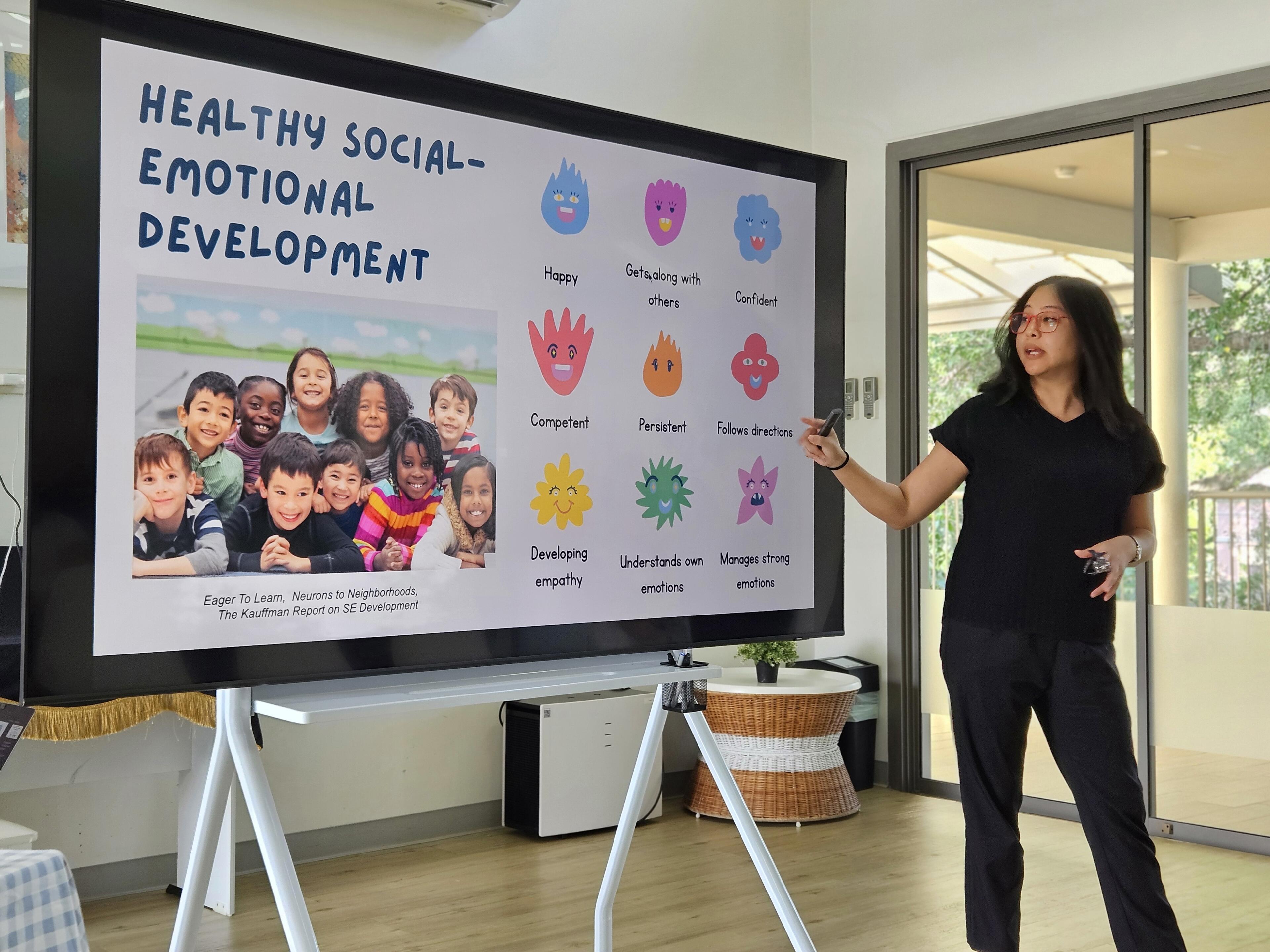
10 ข้อคิดดีๆ ที่ได้จาก "การลงทุนมันง่าย แต่มนุษย์ชอบทำให้ยาก"
โดย คุณลุงโฉลก และ อ.ตั๊ม
https://www.youtube.com/watch?v=-mg5ZfM_KAI&t=1s
1. การลงทุนฟังดูง่าย:
หลายคนคิดว่าการลงทุนเป็นเรื่องง่าย แต่กลับทำให้มันยากด้วยการไม่ปฏิบัติตามระบบอย่างเคร่งครัด เช่น การซื้อเมื่อราคาต่ำและขายเมื่อราคาสูง
2. ความเข้าใจผิดใน Take profit:
หลายคนมีความเข้าใจผิดเกี่ยวกับการ Take profit โดยการขาย Bitcoin แล้วถือเงินบาท ซึ่งอาจไม่ใช่การตัดสินใจที่ดีในระยะยาว
3. Bitcoin กับเงินบาท:
การเปลี่ยนจากการถือ Bitcoin ซึ่งมีค่าไปถือเงินบาทที่มีค่าน้อยกว่า ไม่สมเหตุสมผลในแง่ของการลงทุน
4. การเปลี่ยนสินทรัพย์:
การเปลี่ยนสินทรัพย์จาก Bitcoin ไปเป็นเงินสกุลอื่น เช่น หยวน, ดอลลาร์ หรือทองคำ ควรพิจารณาถึงความมั่นคงและค่าของสินทรัพย์เหล่านั้น
5. มูลค่าของ Bitcoin:
Bitcoin ถือเป็นสินทรัพย์ที่มีความมั่นคงและมีมูลค่าสูงในระยะยาว เมื่อเทียบกับเงินสกุลอื่น
6. การประชุมผู้ถือหุ้น:
ในการประชุมผู้ถือหุ้น มักมีการถามว่า ทำไมไม่ขายสินทรัพย์ที่มีมูลค่าสูงเพื่อนำเงินมาแบ่ง แต่คำถามคือจะนำเงินไปลงทุนอะไรที่ให้ผลตอบแทนที่ดีกว่า
7. การลงทุนในที่ดิน:
การขายที่ดินเพื่อแปลงเป็นเงินสด และนำไปซื้อที่ดินใหม่ อาจไม่เป็นการลงทุนที่คุ้มค่าเพราะราคาที่ดินที่ซื้อใหม่อาจสูงกว่าเดิม
8. เหตุผลในการถือสินทรัพย์:
การถือสินทรัพย์ที่มีมูลค่าและมั่นคงเช่น Bitcoin หรือทองคำ ดีกว่าการแปลงเป็นเงินสดที่อาจเสื่อมค่า
9. การใช้เงินสด:
ควรเปลี่ยนสินทรัพย์เป็นเงินสดเมื่อมีความจำเป็นต้องใช้เงินบาทในช่วงเวลาสั้นๆ เท่านั้น
10. ความมั่นคงของสินทรัพย์:
หน่วยของสินทรัพย์ควรเป็นสิ่งที่มีความมั่นคง เช่น Bitcoin หรือทองคำ ซึ่งมีค่ามากกว่าเงินบาทในระยะยาว
#siamstr #cdcchalokedotcom




Bitcoin Seoul 2024 Recap: Fiat Runes Everything by Jimmy Song
Exploring the Concept of Internet-Money Currency
- Came across an intriguing story about an internet-Money currency.
- Curious about the concept, delved deeper into the topic and discovered its limited supply of 21 million.
- Recognizing its potential significance, attempted to purchase the Bitcoin during its initial era.
Difficulties in transferring money to a Japanese exchange
- The process of transferring money to a Japanese exchange, called vodkala, involves connecting a bank account to dualand and then to mount dogs.
- The process is time-consuming, taking around 8-10 days.
- The author encountered difficulties in completing the process due to the complexity and time required.
Learning about code and open-source contribution
- Started learning about code and found limited resources.
- Contributed to an open-source Bitcoin-based product called Quality Points.
- Received the first payment for open-source work from someone in Ukraine.
Learning Coding through Limited Resources
- Started coding with limited resources and motivation due to financial incentive.
- Faced challenges due to lack of organized and reliable resources.
- Eventually gained knowledge and became a Bitcoin developer.
Teaching as a Business Venture
- Started teaching in small jobs, realized potential to turn it into a business.
- Frustration and lack of resources in the field prompted this decision.
- Teaching has been beneficial in developing communication skills.
Journey of a Developer Turned Entrepreneur
- The narrator, with 17 years of experience as a developer, decided to start their own business teaching other developers.
- It took a month to gather the courage to take the leap due to the comfort and stability of corporate employment.
- The decision was influenced by the narrator's desire for a new challenge and the potential rewards of entrepreneurship.
Starting a Business and Teaching
- Started a business and gained clients who were eager to learn.
- The teaching environment was different from traditional classrooms, with students genuinely interested in the subject.
- The experience provided a unique and rewarding opportunity.
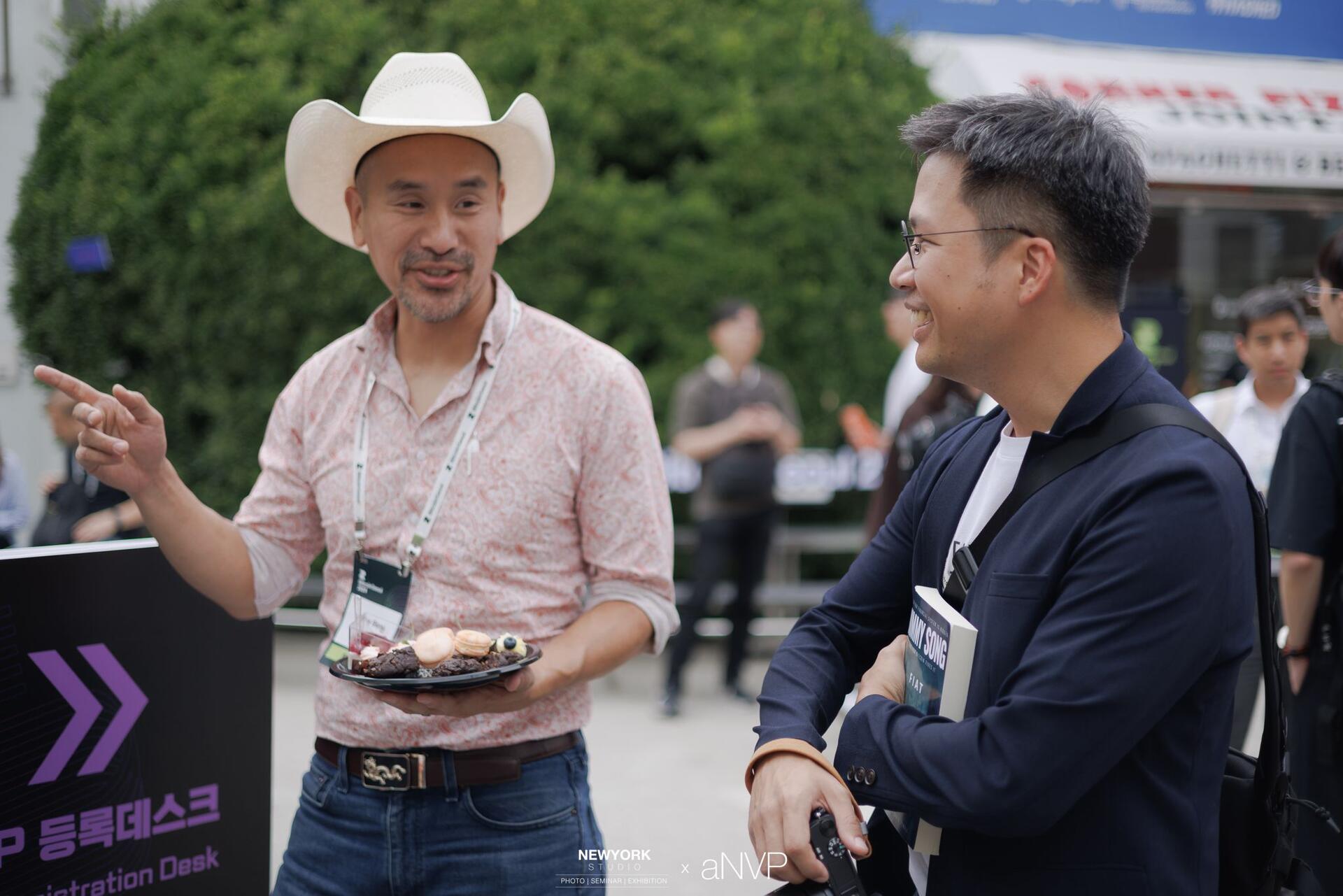
Engagement in Learning
- Students in the class were highly engaged and asked numerous questions.
- Unlike elementary, high school, and college students, they were eager to learn and get value for their money.
- The direct payment for learning motivated them to ensure they understood the material.
Deficiencies in Education System
- Education system is flawed, personal experience in high school and college.
- Students more focused on grades than learning.
- Incentives play a crucial role in motivation.
Research Funding and Incentives
- Different incentives exist in research compared to other settings due to funding variations.
- Isaac Newton's research was not funded, but he had his own involvement and equipment.
- He didn't have to worry about publishing in prestigious journals and could focus on his work.
Incentives and Their Impact on Various Fields
- Systems in place due to financial reasons can negatively affect education, science, businesses, and other areas.
- The root cause of these issues can be traced back to incentives and rewards.
- The author aims to explore this concept through a book and a podcast called 'Picklike', which takes a contrarian view of conventional thinking.
Incentives in Healthcare and Money Control
- Incentives in healthcare are driven by insurance documentation requirements.
- The yacht changes incentives, focusing on satisfying those who control the money.
- Most people spend, earn, save, and keep their money in bank accounts.
Understanding the Complexities of Money and its Creation
- The concept of money and its creation is often not well understood, despite its importance.
- Central banks play a crucial role in money creation, involving intricate mechanisms and processes.
- Many individuals, including those in positions of financial responsibility, lack a deep understanding of these complexities.
Education System's Focus on Compliance
- The education system's primary goal is to ensure students comply with the state's expectations and become 'better citizens'.
- Knowledge transfer is secondary, with an emphasis on good behavior and conformity.
- This approach raises concerns about the true purpose of education and the development of critical thinking skills.
Misaligned Incentives in Education System
- Inner-city schools in the US perform poorly despite high funding due to political reasons.
- Misaligned incentives lead to a focus on money-making rather than education.
- The current system needs to be reformed to prioritize education quality.

Technological Advancements in Tax Collection and Economic Control
- Technology has simplified tax collection and resource allocation compared to Roman emperors.
- Central bankers can now easily adjust interest rates and control the economy.
- Financial surveillance and other tools enhance economic management.
Social Credit System and its Impact
- Social credit system in China provides control and efficiency for the government.
- Hyperinflation can disrupt the system as people lose purchasing power.
- The government can prolong the system due to advanced tools at their disposal.
South Korea's Fertility Rate and Economic Factors
- South Korea's fertility rate is extremely low.
- Poverty is a significant contributing factor to this decline.
- The country's rapid economic growth and technological advancements contrast with its low fertility rate.
Changing Family Dynamics and Fertility Rates
- In the past, it was common for mothers to stay at home and take care of the children, but now both parents usually work.
- This has led to a decline in fertility rates, as it is more difficult for families to afford to have children.
- This trend is not just seen in South Korea, but also in other countries around the world.
Government Subsidies and Income Inequality
- Government subsidies for children are perceived as a rich war in Korea.
- Poor people are not having kids due to financial constraints.
- Government interventions often end up transferring money from poor to rich people.
South Korea's Economic Situation
- South Korea has experienced economic decline despite technological progress.
- Low salaries and lack of legitimate dollar circulation contribute to the country's economic challenges.
- Countries seek to settle in the US to obtain dollars for global trade.
Korean products are cheaper due to low labor cost
- Korea's products are cheaper because they can steal from other people, so the labor cost is lower.
- This means that Korea is essentially subsidizing the US and other countries with its exports.
- Unfortunately, this also means that everyone else has to suffer in order to afford Korean products.
Discussion about an unknown topic
- The speaker is discussing something with someone, possibly a friend or colleague.
- They are talking about a system that doesn't require payment for cancellation.
- The speaker is also considering inviting someone to an event, but the details are unclear.
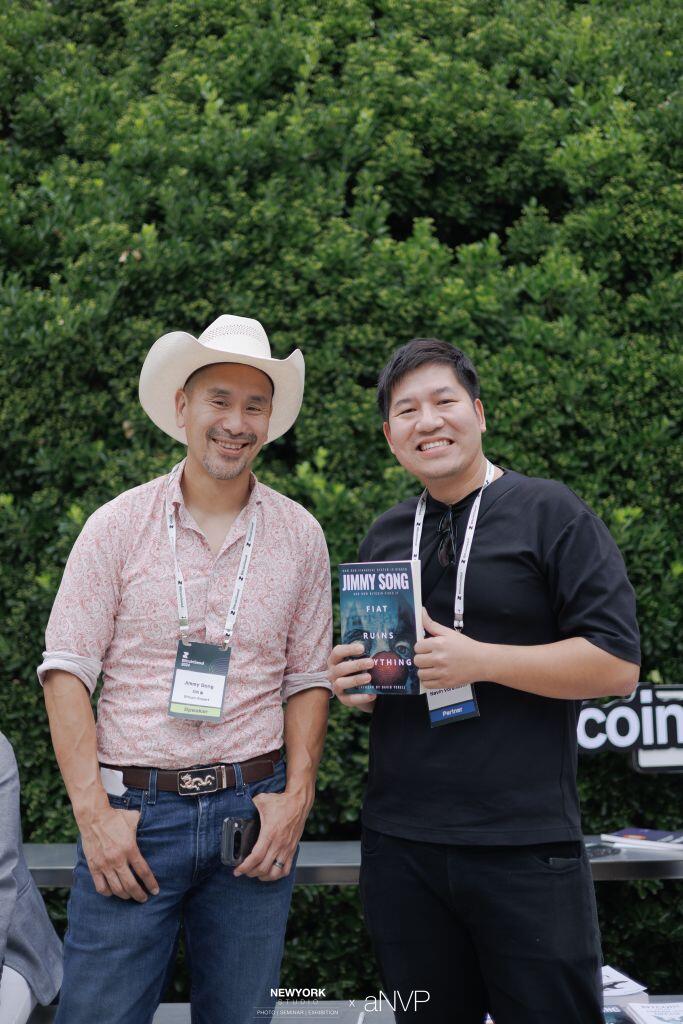
Korean culture emphasizes getting along and conformity
- Korean culture values conformity and getting along.
- People feel more comfortable being in a group and following social norms.
- This can create a pressure to conform and perform for others.
How to communicate effectively to achieve career goals
- Effective communication is crucial for career advancement and financial success.
- Being a skilled programmer is important, but political elements can influence personal opinions.
- Reflecting on past experiences can reveal the influence of external factors on one's beliefs.
Cultural Differences in Expressing Opinions
- Opinions are often influenced by one's job and circumstances.
- Asian culture encourages going against the grain, but there are ways to express disagreement without endangering oneself.
- Expressing opinions can be challenging, especially when one has a job.
Entrepreneurship and Self-Reliance
- Entrepreneurs have the freedom to make their own decisions and be themselves, without societal pressure.
- The path to entrepreneurship requires self-belief and a willingness to take risks.
- Entrepreneurship is not easy, but it is possible with the right mindset and self-reliance.
Factors Influencing Birth Rates
- Having children is a sign of optimism about the future.
- People in the 1950s had more children despite being poorer because they believed in technological progress and better living conditions.
- Optimism drives people to vote for a better future.
Importance of Real People in Predicting the Future
- Young people are not interested in voluntary work unless they are extremely wealthy.
- Children are motivated to work hard because they believe the future will improve.
- Government policies cannot accurately predict the future; real people's emotions and experiences are more reliable indicators.
Free Market Encourages People
- Free market encourages people to do things for themselves.
- People can find something that works and make more money.
- Free market is better than a central government that takes from the poor and gives to the rich.
Low fertility rate and its impact on society
- Low fertility rate indicates a decline in population growth.
- People are choosing not to have children, leading to the end of their lineage.
- This trend has negative consequences for the future of civilization.

Financial Markets and Savings
- The current monetary system is outdated and needs to be changed.
- People need to save more money and not rely on the financial markets.
- Savings are important for financial stability.
Korean Saving Culture
- Koreans prefer saving money together in a group rather than relying on banks.
- They prioritize future planning and self-improvement, but lack suitable saving options.
- The goal is to accumulate savings that appreciate in value, avoiding risky investments like real estate with high leverage.
Value Creation and Exchange in Market Economy
- Providing value is crucial in the market economy.
- People exchange value for value, leading to mutual benefit.
- Inflation can be a subtle form of taxation, affecting people's perception of value.
Value Creation and Job Satisfaction
- Providing value in one's job leads to personal and societal benefits.
- Lack of value creation can result in depression and dissatisfaction.
- Encouraging a culture of value creation can enhance overall well-being.
Encouragement and Self-Reflection
- Encouraging others to find their value and unique strengths.
- Reflecting on past experiences and challenges.
- Expressing love and gratitude.
Government's Role in Cryptocurrency
- Governments' actions towards cryptocurrency vary, from El Salvador's incorporation to China's impression.
- Different exchanges and regulations exist.
- Ultimately, individual decisions matter more than government actions.
Discussion on the longevity of money and its value
- Discussed the performance of an investment with 55% return.
- Governments prioritize their interests over individual preferences.
- Money generally does not last long, with the US Dollar lasting about 153 years since the establishment of the Federal Reserve.
Understanding Money Management
- People are beginning to understand the value of money and its benefits.
- Fuel taxes serve as a government lever to reduce consumption.
- Cigarettes are heavily taxed in many countries, making them less affordable.
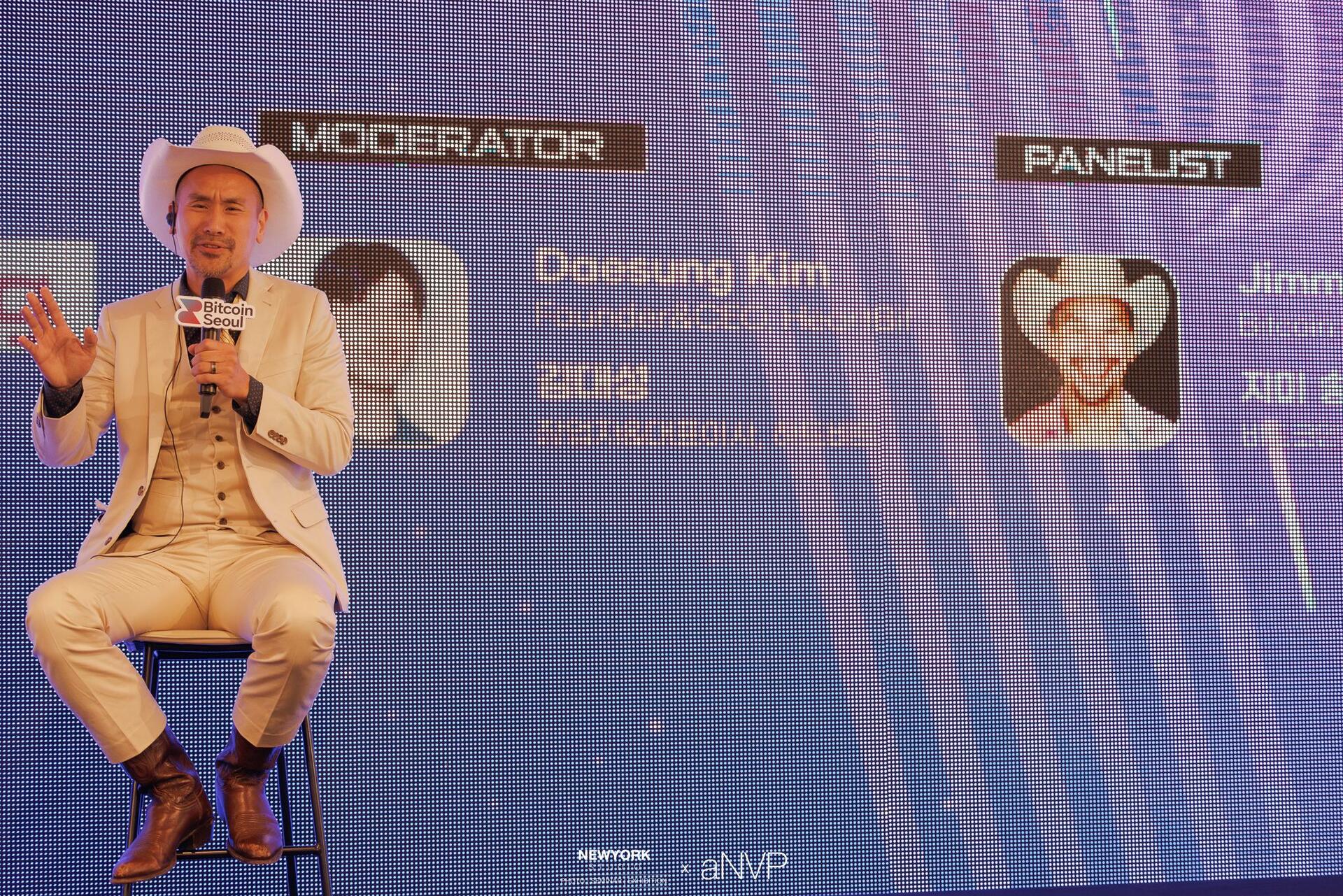
Understanding the Purpose of Practice and Taxation
- Practice helps control behavior and manage habits.
- Taxes serve multiple purposes, including controlling inflation and benefiting certain constituencies.
- Tax policies can be politically motivated, with potential consequences.
Unnecessary legal procedures
- Unnecessary legal procedures are prevalent in the US and Korea.
- These procedures involve lawyers and are time-consuming.
- A more efficient system would be beneficial.
Bitcoin as a Global Currency
- Bitcoin as a global currency can unite the world's economies.
- Farmers in Korea compete with those in the United States.
- People's lives are built on the last-term economy.
Global trade and local production
- Free trade can be beneficial, but it can also make economies vulnerable to disruptions.
- The COVID-19 pandemic showed the importance of local production.
- Governments should support both global trade and local production.
Ways to reduce cost of production
- Debasing money leads to inflation, forcing manufacturers to reduce costs to maintain prices.
- Manufacturers can reduce costs by cutting corners, reducing product quality, or increasing production.
- Increasing production is the most legitimate way to reduce costs.
Limited Options in Manufacturing Industries
- Limited diversity and room for growth in manufacturing industries.
- Few dominant companies control the market, leading to limited competition. ex. Airline Company
- Industries like commercial airline manufacturing have only a handful of major players.
Government Subsidies and Decentralization in the Microchip Industry
- Taiwan's microchip industry success is attributed to government subsidies and partnerships.
- Decentralization leads to more competition, new ideas, and higher quality products.
- Consumers may prefer locally produced food for better health outcomes.
Concerns about Bitcoin's Dominance and Potential Manipulation
- Discussion about the complexity of the Bitcoin system and the potential for manipulation by individuals or corporations.
- Worry that Bitcoin is becoming increasingly dominated by large corporations and that this could lead to negative consequences.
- Concern that the recent surge in Bitcoin's popularity may be unsustainable and could lead to a crash. (Price Bubble)
#Siamstr #BitcoinInSeoul2024 #BitcoinSeoul2024


ผมยังเชียร์เขานะ แต่ถ้าเค้ายัง Pro การพิมพ์เงินแบบนี้ ก็ยังมองไม่ออกว่า จะออกรูปไหนมาแก้เกมส์กัน
เรียกว่า ถ้าจะไปเที่ยว JP ก็แลกวันนั้นเลย ถูกกว่าวันนี้เสมอ (เมื่อเทียบกับไทย ในรอบ 2-3ปีที่ผ่านมานี้)

ถ้าเอาอย่างที่เห็นคือ ที่เกาหลียังโปร Crypto เยอะหน่อยครับ เพราะยังติดกับเรื่อง Yield Fee ที่ได้รับแบบเห็นๆ นี่ยังไม่กล้าคิดว่า ถ้า DK จาก Luna สำเร็จได้ วันนี้เกาหลีจะยิ่งใหญ่ขนาดไหน


Bitcoin Seoul 2024 Recap: Bitcoin Ecosystem In South East Asia.
Bitcoin Regulation in Indonesia
- Indonesia plans to regulate Bitcoin and other cryptocurrencies.
- The government aims to monitor the usage of digital assets in the country.
- Adoption of cryptocurrencies is increasing in Asia, driven by alternative investment options and poverty.
Bitcoin and Blockchain Technology
- Bitcoin and blockchain technology are unregulated and global.
- People are interested in using them to make money.
Challenges in Understanding and Implementing Policies
- Complexity and limited knowledge hinder effective policy implementation.
- Misconceptions and difficulties in identifying workable solutions persist.
- Governments face challenges in balancing revenue generation and public welfare.
Payment Methods and Cultural Differences
- People have different ways of saving money.
- Some prefer digital payment methods, while others prefer cash.
- Cultural differences influence spending habits and preferences.
Partnership and Payment
- Partnership with some companies for cash happening soon.
- Regulators and government people can now directly access the same problem.
Financial Planning for Retirement
- People are becoming more aware of the importance of saving for retirement.
- Various financial instruments are available to help individuals plan for their retirement.
- Understanding investments and financial planning is crucial for securing a comfortable retirement.

Regulations and Challenges in Operating a Business
- Regulations and laws governing business operations can be complex and challenging to navigate.
- Some regulations may be relaxed, while others are strictly enforced.
- Taxation and legal aspects also play a significant role in business operations.
Bitcoin as a Payment Method
- Bitcoin is being considered as a payment option in some countries.
Cryptocurrency Regulations in Indonesia
- Several apps in Indonesia are trying to use cryptocurrency, but regulations are still stuck in 2019.
- The Ministry of Trade and Islamic community have concerns about gambling and are cautious about crypto.
- With a new, pro-crypto Vice President, regulations may change in the future.
Discussion on a Scam
- Criminals exploit a scam involving 99% correlation policies.
- The scam allows criminals to avoid detection and maintain control.
- The scam involves politicians pushing for favorable policies.
Discussion on political changes
- Regulations were set due to heavy rains.
Payment license and its challenges
- Getting a payment license is challenging due to strict regulations.
- Banks prioritize currency protection over other concerns.
- The government focuses on maintaining a stable currency rate.
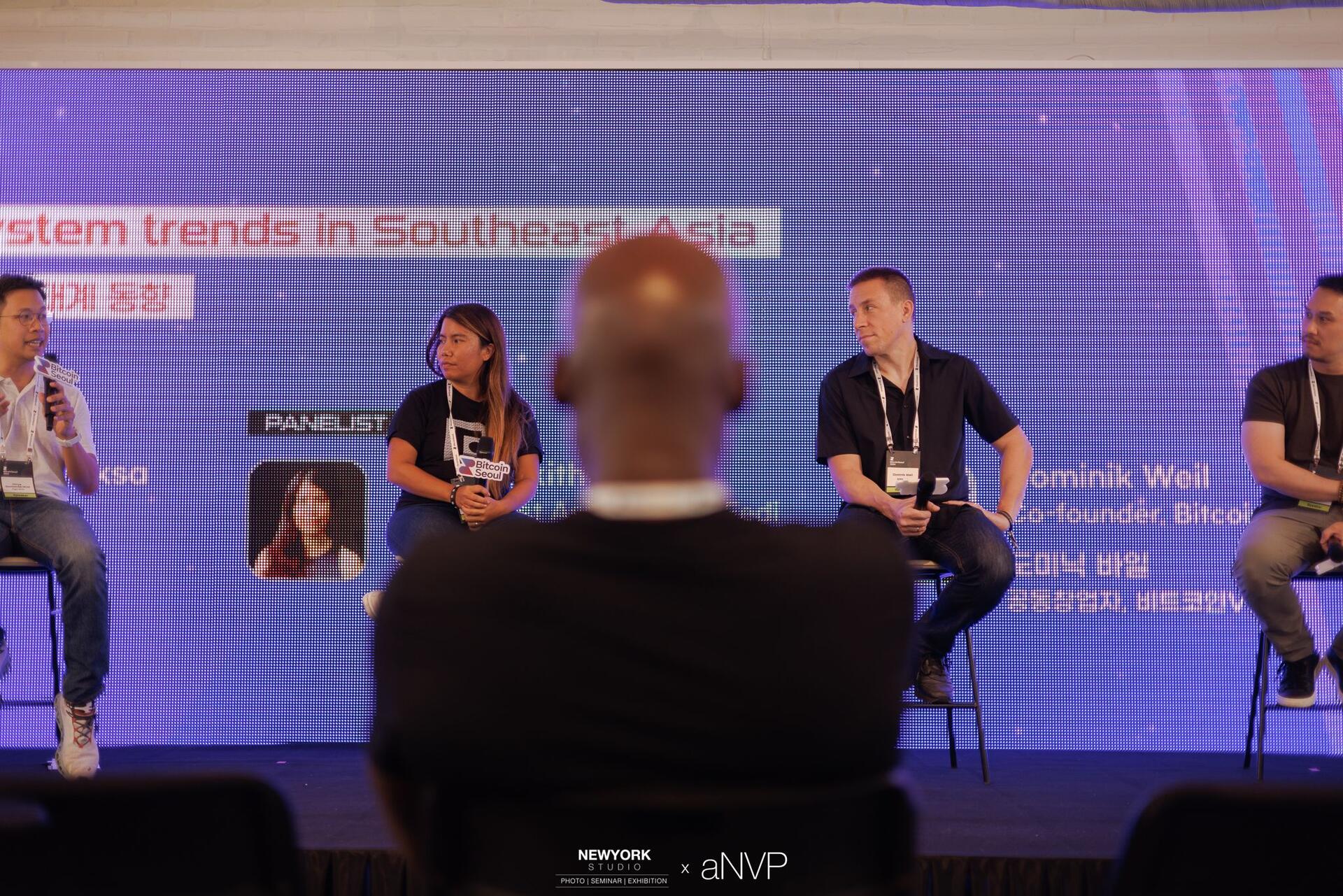
Discussion on technology and its impact on future generations
- Making technology usable for future generations, with reduced power consumption.
- Every country wants to have a kid series focus.
- Need to accept that some countries will use technology regardless of our preferences.
Economic Growth and Technological Advancements
- GDP expansion and technological advancements are expected in the coming years.
- Regulations are being updated to accommodate these changes.
- Technology is rapidly evolving, especially in the Asian region.
Community Outreach and Engagement
- The park project aims to be inclusive and diverse, catering to the community's needs and preferences.
- Efforts are made to engage both the community and the general public in the project's development.
- Challenges in communication and understanding are acknowledged, but the importance of collective action is emphasized.
Technology's Impact on Society
- Technology has brought significant changes to society, making tasks easier and faster.
- Cafes now use technology, which can be both beneficial and detrimental.
- Asian markets offer a variety of products, but some may be useless.
Simplifying Technology Discussions
- Technology discussions should be simplified to make them easily understandable.
- Avoid using complex jargon and focus on the core functionality of the technology.
- Users often just want to perform basic tasks like setting a timer.
Bitcoin and its incentives
- Bitcoin is considered correct, but its incentives are not well-understood.
- People don't care about Bitcoin until it affects their interests, such as music payments.

Bitcoin's Impact in Southeast Asia
- Governments undervalue our privacy.
- Bitcoin has positively impacted people and businesses in Asia.
- Education is crucial to promote Bitcoin's potential in Southeast Asia.
Promoting Financial Literacy Education
- Financial literacy education is crucial, especially in countries with fluctuating currencies like Indonesia.
- Efforts are being made to educate students and the government about its importance.
- Communities focused on animation and financial literacy are rapidly growing.
Challenges in Cryptocurrency Adoption in Indonesia
- Bitcoin operates in Indonesia, but regulations pose challenges.
- Electricity companies are closely monitored by the government.
- The governor of West Java has shown interest in cryptocurrency.
Impact of Bitcoin on Lifestyle
- People are realizing the value of savings and investments.
- The popularity of Bitcoin has changed people's perspectives on life and financial goals.
- People are now more interested in outdoor activities and meetups.
Cryptocurrency Education and Market Trends
- Cryptocurrency education is provided in an entertaining manner to attract people.
- People are using various cryptocurrencies for leverage and financial gain.
- Learning about cryptocurrency requires understanding market trends and potential risks.
Banking Access in Southeast Asia
- Banking access is limited in Southeast Asia, especially for those without credit cards or bank accounts.
- People often rely on cash and informal financial services.
- Efforts are being made to improve financial inclusion in the region.
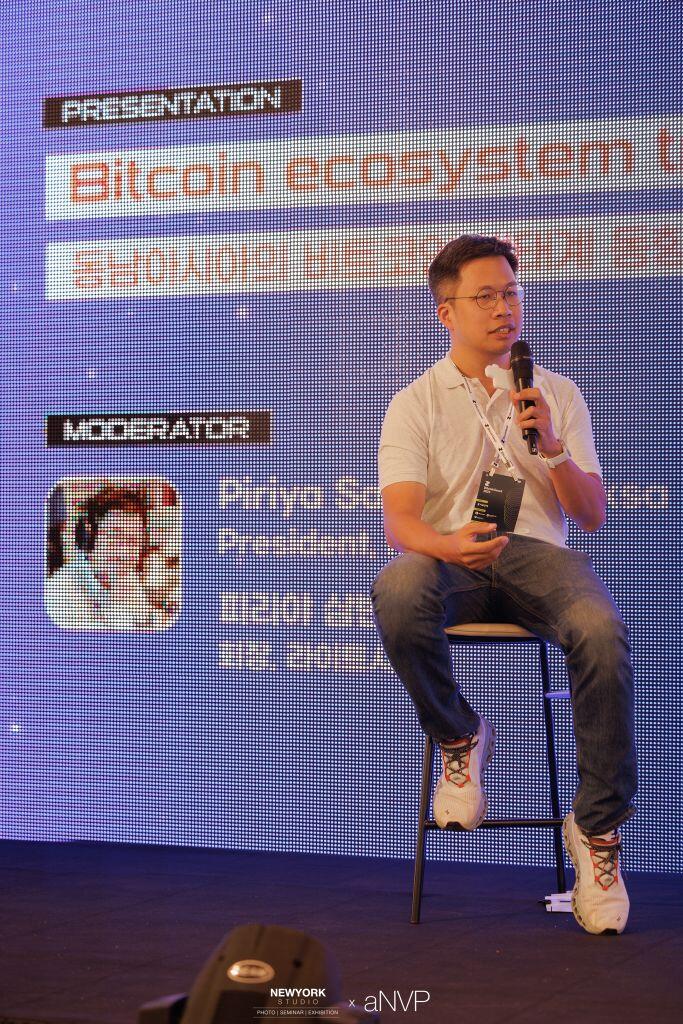
Using Bitcoin for Various Transactions
- Discussing the use of Bitcoin for various transactions such as purchasing gift cards and Amazon Bluebird.
- Exploring the potential of selling rocks and US progress in Vietnam using Bitcoin.
- Highlighting the advantages of using Bitcoin, including the ability to sell products globally and the potential for higher profits.
Shifting Financial Trends
- People are exploring alternative investment options like NFTs and cryptocurrencies.
- Millennials are moving away from traditional savings methods and embracing digital assets.
- Communication styles have evolved across generations, with each generation adopting different approaches.
People's reaction to financial crisis in Southeast Asia
- People in Southeast Asia are accustomed to using digital payment methods.
- They are likely to switch to cryptocurrencies easily in times of crisis.
- The widespread use of mobile payment systems facilitates this transition.
Discussion on Government Trust and Political Dynamics
- Southeast Asian countries have low trust in the government and prefer self-reliance.
- Trump's advocacy and rhetoric influenced the US presidential election.
- Changes are expected in the political landscape in the coming years.