

sure thing, I'm currently working on some small apps around articles, and implementing ui functionality, so it matters to me right now. using go backend server, templ for html templating, htmx, and tailwind.
I'm in the middle of implementing sever sent events for dynamic loading of content, so I can thoroughly sweep all relays a person publishes to without holding up loading the page.
"The Library of Babel" by Jorge Luis Borges
https://archive.org/details/TheLibraryOfBabel
is the the story that got me into Borges' work. it's an incredible work of fantasy that illuminates much about humanity by casting us into a strangely different universe, that of the infinite library of hexagonal rooms, each filled with books that contain seemingly random and non-repeating strings. the people aluded to in the story have different and illustrative takes on the situation.
I will not be the first person to compare the library to the world hashes. the world's bitcoin private keys are all printed in this library, the true identity of Satoshi is there, along with proof of the falsity of his true identity.
it is an even easier leap to apply the library to nostr. the whirl of hashes all mapping to meaningful information, it's the great book that explains the meaning of the library that some where searching for. there actually is meaning in there.
and like all bitcoin private keys, every note that can ever be composed is listed in the library.
a project that visualizes the library exists and is brilliant: https://libraryofbabel.info/book.cgi?0-w1-s1-v01:1
nostr:nprofile1qy0hwue69uhngve5xpkkz6tw9ej82cmtv3h8xtn0wfnn5dpcxsuz7q22waehxw309um8yemhvd6xxdfn09e8qmt4wac8smehdemngdp5ddshzcfjdpuksdm00yekc7r8xahhxdr2d358ja3jw9nxgmrkw9jzummwd9hkuw358qmrjtcqyqh04fc4hw6xm4d7dd7634msqfndz9n5hyfms9u2mk6u9e3anpenzccjrdl your comment about a run of "qqqqq" in a response triggered my thinking along these lines.
nevent1qqsxu2haxc2dxeglrmrpg48gu8yja5qx23ncmh3kk9nr42usjtdenagyna6v0
"The Library of Babel" by Jorge Luis Borges
https://archive.org/details/TheLibraryOfBabel
is the the story that got me into Borges' work. it's an incredible work of fantasy that illuminates much about humanity by casting us into a strangely different universe, that of the infinite library of hexagonal rooms, each filled with books that contain seemingly random and non-repeating strings. the people aluded to in the story have different and illustrative takes on the situation.
I will not be the first person to compare the library to the world hashes. the world's bitcoin private keys are all printed in this library, the true identity of Satoshi is there, along with proof of the falsity of his true identity.
it is an even easier leap to apply the library to nostr. the whirl of hashes all mapping to meaningful information, it's the great book that explains the meaning of the library that some where searching for. there actually is meaning in there.
and like all bitcoin private keys, every note that can ever be composed is listed in the library.
a project that visualizes the library exists and is brilliant: https://libraryofbabel.info/book.cgi?0-w1-s1-v01:1

never let them enclose this frontier.


you can just decide to walk onto land

looking forward to it. always happy to see private property solving problems
playing ticket to ride with the family, good times

nostr:nprofile1qqsdmqdght96kz6uxqrazee0hqcp8qa5a9vr6sccxkv9q4ez86ef3fgprpmhxue69uhhyetvv9ujuumwdae8gtnnda3kjctvqy28wumn8ghj7un9d3shjtnyv9kh2uewd9hszrthwden5te0dehhxtnvdakq4srdj4 nostr:nprofile1qqsy4qnl22k3cde04ksx560y0pwvnpz70yktkm2nqsgudn3849kw7lgpz4mhxue69uhkummnw3ezummcw3ezuer9wchsckx8tl
Proof of concept batch looks good. This stuff crumbles like glass. I ran it through a old coffee grinder and made a fine powder I added to my worm bin.
Obviously I only made a small amount so now need bigger containers or just more of them.


this one way you can scale up. makes more than it burns. also you can use normal wood in the 55 gallon.

nostr:nprofile1qqsdmqdght96kz6uxqrazee0hqcp8qa5a9vr6sccxkv9q4ez86ef3fgprpmhxue69uhhyetvv9ujuumwdae8gtnnda3kjctvqy28wumn8ghj7un9d3shjtnyv9kh2uewd9hszrthwden5te0dehhxtnvdakq4srdj4 nostr:nprofile1qqsy4qnl22k3cde04ksx560y0pwvnpz70yktkm2nqsgudn3849kw7lgpz4mhxue69uhkummnw3ezummcw3ezuer9wchsckx8tl
Proof of concept batch looks good. This stuff crumbles like glass. I ran it through a old coffee grinder and made a fine powder I added to my worm bin.
Obviously I only made a small amount so now need bigger containers or just more of them.
it looks perfect. if you scale up size you'll get a better char per fuel ratio.
congrats, that's a successful experiement 🚀
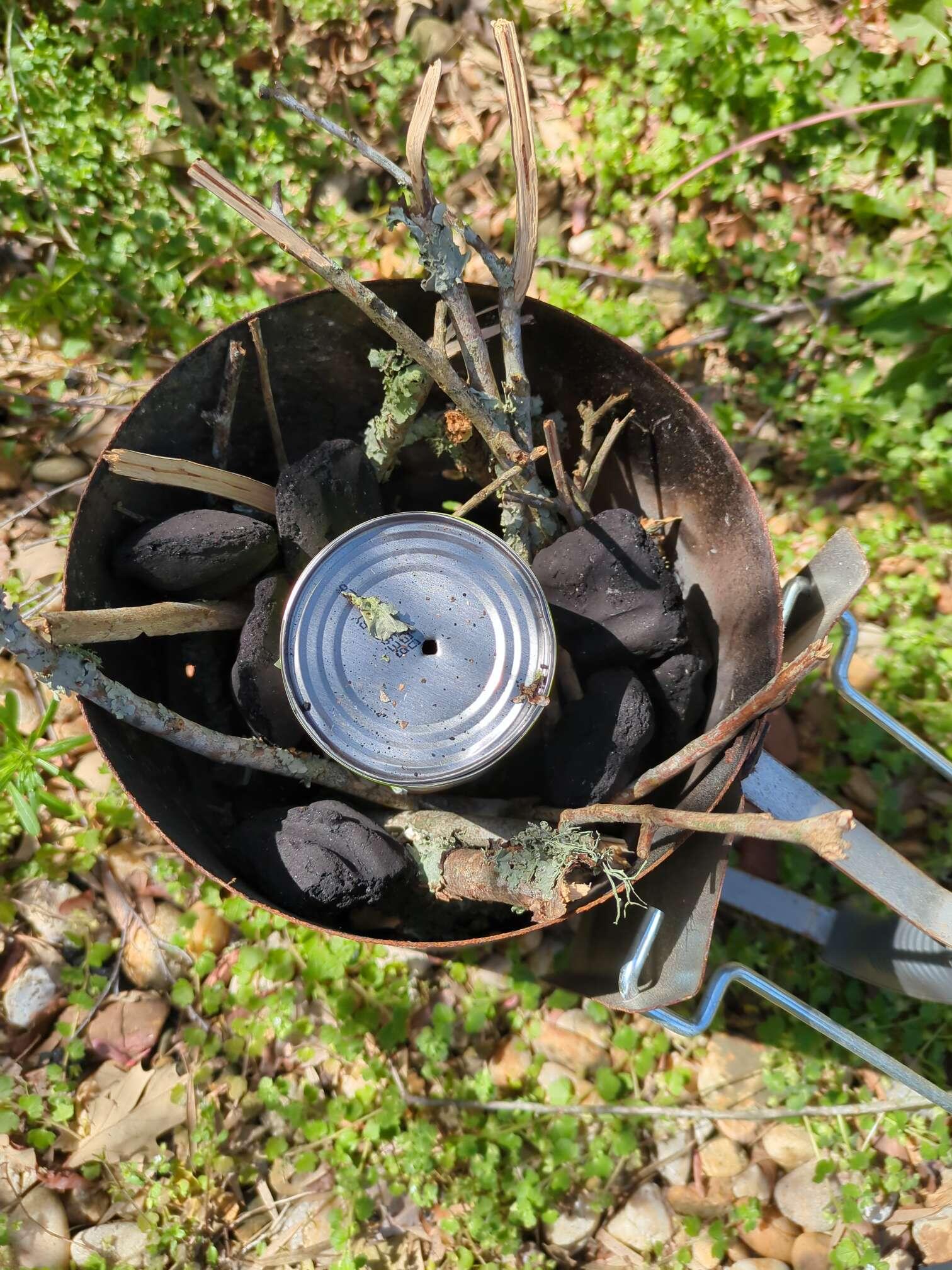
looks like solid premise. hope to see how it works. if you want to upscale, go for 35 gallon drum (with holes drilled around the top) inside 55 gallon drum (with holes drilled around the bottom)



if you use dtags like path/to/the/note, and turn those into paths on this fs, you have a nice obsidian sync alternative.

I haven't tried goose, but it says goose extensions support the mcp protocol, so it should work.
https://github.com/modelcontextprotocol/servers/tree/main/src/sequentialthinking
the sequential thinking mcp has helped reduce this, but still an issue.
In trying to reason about the #nostr protocol, I used https://repomix.com/ to concatenate the contents of both https://github.com/nostr-protocol repos into a single file and pushed it into a claude project.
now I can ask it questions like: which Kind is appropriate for storing lists of lists? It said curation lists, `30004` would be best.
I then asked what if I want to have a mixed list of npubs and other lists? it answered that `30000` follow lists were more flexible than curation lists.
do those answers seem reasonable?
in any case, it's a nice tool for thinking about the protocol.




I struggle keeping that thing on target. ao distractable, even with rules, repomix, etc. it's like a dev intern, just cranking away.
I've really been enjoying these long-form posts from nostr:nprofile1qyv8wumn8ghj7urjv4kkjatd9ec8y6tdv9kzumn9wsq3vamnwvaz7tmjv4kxz7fwwpexjmtpdshxuet5qqsqfjg4mth7uwp307nng3z2em3ep2pxnljczzezg8j7dhf58ha7ejgqgzx3h
nostr:naddr1qvzqqqr4gupzqpxfzhdwlm3cx9l6wdzyft8w8y9gy607tqgtyfq7tekaxs7lhmxfqqk4g6r994qk6etjd93kzm3d2d68yct5v4nkjcedgf5hgcm0d9hz65n9wdjhyan994skgvtyw3es9ckhg9

Model Context Protocol
it's a way of making structured information available to AI models. https://www.anthropic.com/news/model-context-protocol