


culturally established identity + long-time reinforced narratives = perpetual (and fearful) resistance to making the unknown known, regardless of real-world evidence

Sorry Alison I just saw this.
You can try it out here:
https://grapevine-brainstorm.vercel.app
Although I have to apologize in advance if it’s buggy and freezes up for you. Been having some problems with neo4j settings. I’m thinking I may need to hire a neo4j expert to speed things along.
Right now the only variables are follows and mutes. Although in principle, the process of “interpretation” allows you to use any sources of data you want. Someone just needs to write a script to translate each new data source — zaps, for instance — into a format ready for digestion by the GrapeRank algo. That “interpretation” script assigns a meaning to each piece of data. In the current implementation, a mute is interpreted to mean “bot” and a follow is interpreted to mean “not a bot” (score 0 and 1, respectively). Interpretation also assigns a weight, a degree of confidence, to each piece of data. Example: Maybe a zap also means not a bot but you think it should carry more weight than a follow.
Gotcha. Okay, I'll try it this coming week.
I can see the challenge of interpreting meaning out of each one of the variables. For example, the mutes. In my case, sometimes there are people with great information or content whom I choose to follow, but they post so often that I also mute them periodically so my feed isn't overwhelmed. Likewise, I periodically go back and unmute them to check in with what's going on. I want to keep following them, and they're not a bot, I just don't need a post every 2 or fewer hours hours of every day.
Just an example there of where a mute wouldn't necessarily represent a bot. But I guess in most cases it is more likely to represent a bot. There's probably a better way for me to achieve the same effect on my feed without muting (maybe it's creating separate feeds and following to separate feeds), I just haven't figured out how to do it yet.
And thanks for the bugginess warning on the upfront. I can give you feedback about what I encounter as I make my way through, if it helps.
Gotcha. Okay, I'll try it this coming week.
I can see the challenge of interpreting meaning out of each one of the variables. For example, the mutes. In my case, sometimes there are people with great information or content whom I choose to follow, but they post so often that I also mute them periodically so my feed isn't overwhelmed. Likewise, I periodically go back and unmute them to check in with what's going on. I want to keep following them, and they're not a bot, I just don't need a post every 2 or fewer hours hours of every day.
Just an example there of where a mute wouldn't necessarily represent a bot. But I guess in most cases it is more likely to represent a bot. There's probably a better way for me to achieve the same effect on my feed without muting (maybe it's creating separate feeds and following to separate feeds), I just haven't figured out how to do it yet.
And thanks for the bugginess warning on the upfront. I can give you feedback about what I encounter as I make my way through, if it helps.


In the process of teaching myself logarithms.
Cool. If you do read it, as you read, I'd like to know your ideas and opinions. Post any thoughts to #5000YearsofDebt
As I replied to, nostr:npub1zqdpzty2mshxncqqxy2078qax6mlehsxmpx5095wtxw4tpepkr0s2ce6fj, maybe we can get a discussion/thought group going.
#5000YearsofDebt
#readingchallenge2025
Tagging in nostr:npub1dw840cz87spfe2f4j86a2c0yc23y0l6exygh6fgwk9qxegegj7dqp4yrlvalso. 📚

If you read it, I'd like to know any thoughts you have. Post them to #5000YearsofDebt
Maybe we can get a discussion/thought group going.👍

First book of the year 📚- Debt: The First 5,000 Years by anthropologist David Graeber. It is already incredibly eye-opening (I've just finished the third chapter).
To me, this is an example of how, throughout the ages, societies adopt narratives—in this case narratives about the existence and root purpose of money itself—that then become generationally ingrained as self-evident truths.
And, in chapter 3, I just came across a fascinating explanation of the symbols in the book The Wonderful Wizard of Oz, which was written in 1900.
#nostr #grownostr #readingchallenge2025
nostr:note1pykl6k58ush596lq7wyca95r7pmgwta2mqnmv5rccq539n8mnv2s9ev8qm
This book is incredibly eye-opening, and I've only just finished the third chapter.
To me, it demonstrates the fact that societally adopted narratives—in this case narratives about the nature and existence of money itself—become accepted as self-evident truths instead of evidenced truths.
There's the story of the way things work, and then there's the way things work.
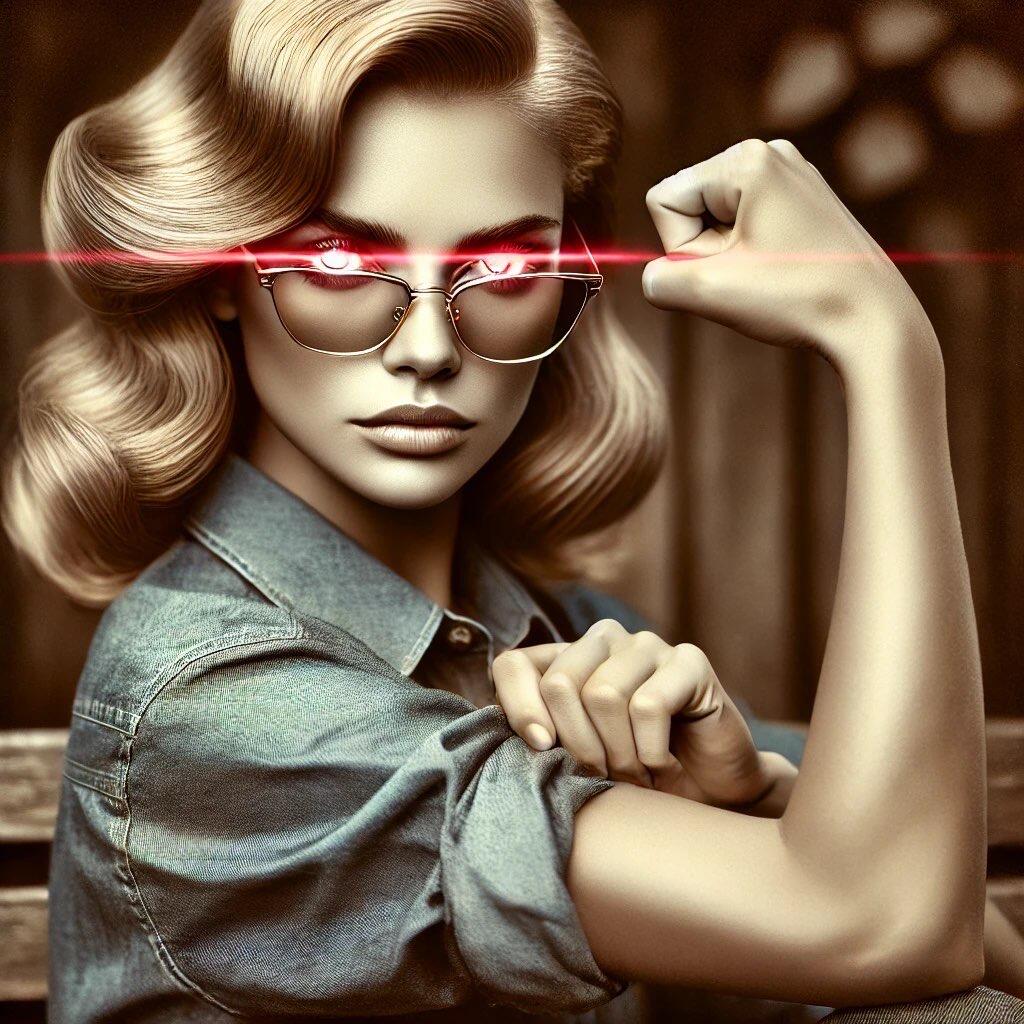
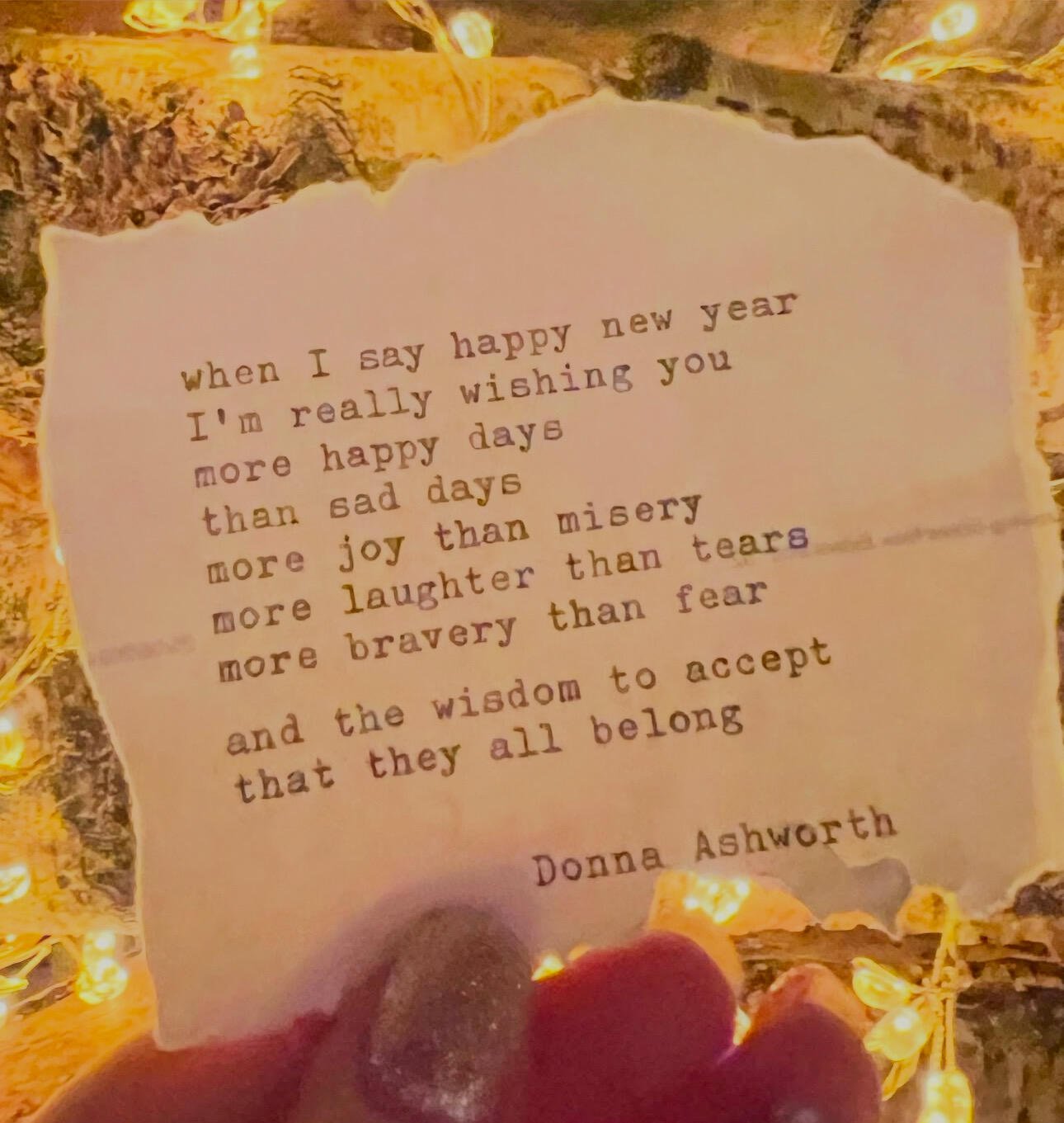
Happy, grounded 2025! 👍
Thanks for this recommendation. I'm going to find this and check it out tonight. Zapped.


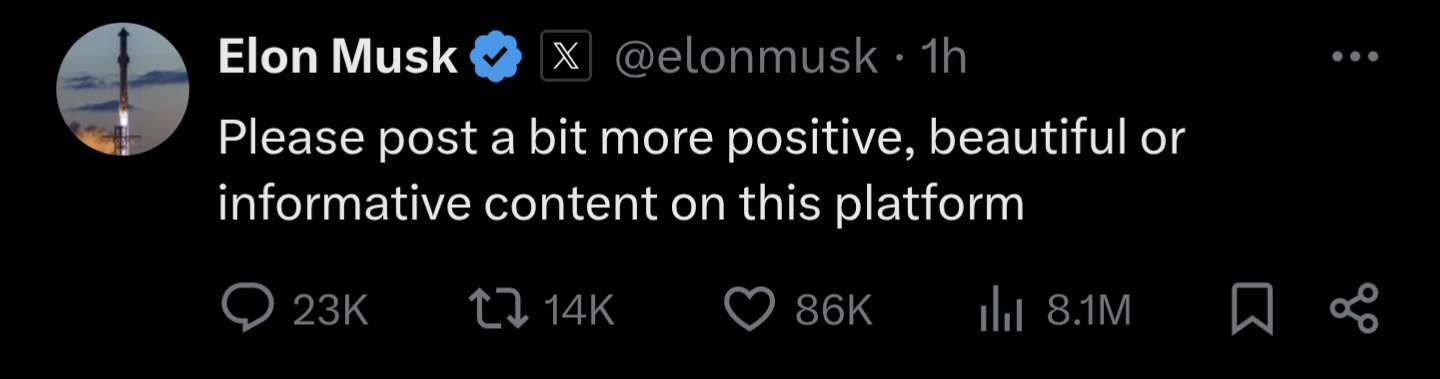
I wonder. Was there ever a a point in the past when Twitter/X was like nostr? Would love to know.
#asknostr #nostr #grownostr #plebchain #philosophy #socialmedia
nostr:note1qjf5d8fhlh7356l4wl4w336uyp6uzm4xsx27kcddjk50qjuk3kaqr53qmh
GN, nostr. 🌜 Sweet memes.
#nostr #grownostr #woodworking #memes #memestr #handmade #diy #nature #bears

I'm an early adopter, but whoa! I only wanted to put reticulum into my curriculum.
As I was editing a video tonight, I was searching for a gentle chiming sound to serve as ambient audio for a particular section. An off-the-cuff search for " the sound of a chiming bell" led me to this.
I do realize I'll need to refine my search terms.😂
This bell is 15,684 kg (34,577 lbs)

So great. I wish I could get a high-res version to hang on my wall.

It was such a pleasant surprise. I'll be sure to follow him.
Yesterday, unexpectedly, nostr:npub1yrffsyxk5hujkpz6mcpwhwkujqmdwswvdp4sqs2ug26zxmly45hsfpn8p0 tagged me with this really cool piece of art he created from my Nostr profile pick... my face transformed into a little outdoor cafe! It reminds me of some of the surreal creations I've seen by Salvador Dali. 🧡 I love it.
Thanks, nostr:npub1yrffsyxk5hujkpz6mcpwhwkujqmdwswvdp4sqs2ug26zxmly45hsfpn8p0!
#negr0art #art #artstr #nostr #grownostr


TRANSLATION: Thank you very much #nostr de joaquin
I already collected 75k sats ⚡
He is very happy
https://video.nostr.build/4b8ba715686719594d7cf0891f0048b237320d4e9c84851d730b7ea612d71abb.mp4
Buen comienzo, Joaquín. Aquí tienes otro zap. Tu viaje ha comenzado! 👍
Translation:
Good start, Joaquín. Here is another zap. Your journey has begun. 👍