

What do you want to do?
Has a library for Bitcoin called NBitcoin that implements it.
Liquidation usually occurs when your trade has suffered a large loss. Between 50% and 30% of your collateral defined by the Exchange used.
When this happens, the Exchange sells its collateral to cover the loss and close the trade. The trader keeps the remaining balance.
This only happens in leveraged trades where the trader borrows money from the Exchange to trade.



If you look at these blocks, they are usually discovered very shortly after the previous block. This means that the miner had not yet selected the transactions and verified them. Until they do this, to avoid wasting processing time on their equipment, they try to mine empty blocks and sometimes get lucky. If it was a block much later than the previous one, then it is just a miner who is doing his job poorly.
Mobile. Still looking for a good Desktop option.
I add up the costs and divide by the quantity to get an average price. But lately I've realized that it's not worth counting imaginary profits because I'm not going to sell them. I've shifted my attention to new ways to get more BTC.

Eu somo os custos e divido pela quantidade para ter um preço médio. Mas ultimamente vi que não vale a pena ficar a contabilizar lucros imaginários pois não vou vender eles. Mudei as atenções para novas formas de conseguir mais BTC.

I don't know how Amethyst works. Maybe nostr:nprofile1qqsyvrp9u6p0mfur9dfdru3d853tx9mdjuhkphxuxgfwmryja7zsvhqpzamhxue69uhhv6t5daezumn0wd68yvfwvdhk6tcpz9mhxue69uhkummnw3ezuamfdejj7qgwwaehxw309ahx7uewd3hkctcscpyug can help
This is a feature that the customer needs to implement. I don't see the need for a PIN. But notifications are a bit complex, as they require customers to be connected and receive notifications from numerous relays 24/7. The data consumption of cell phones will harm the battery.

I think it's the note type. There is a specific note type for markdown. Basic notes (type 1) are text only.

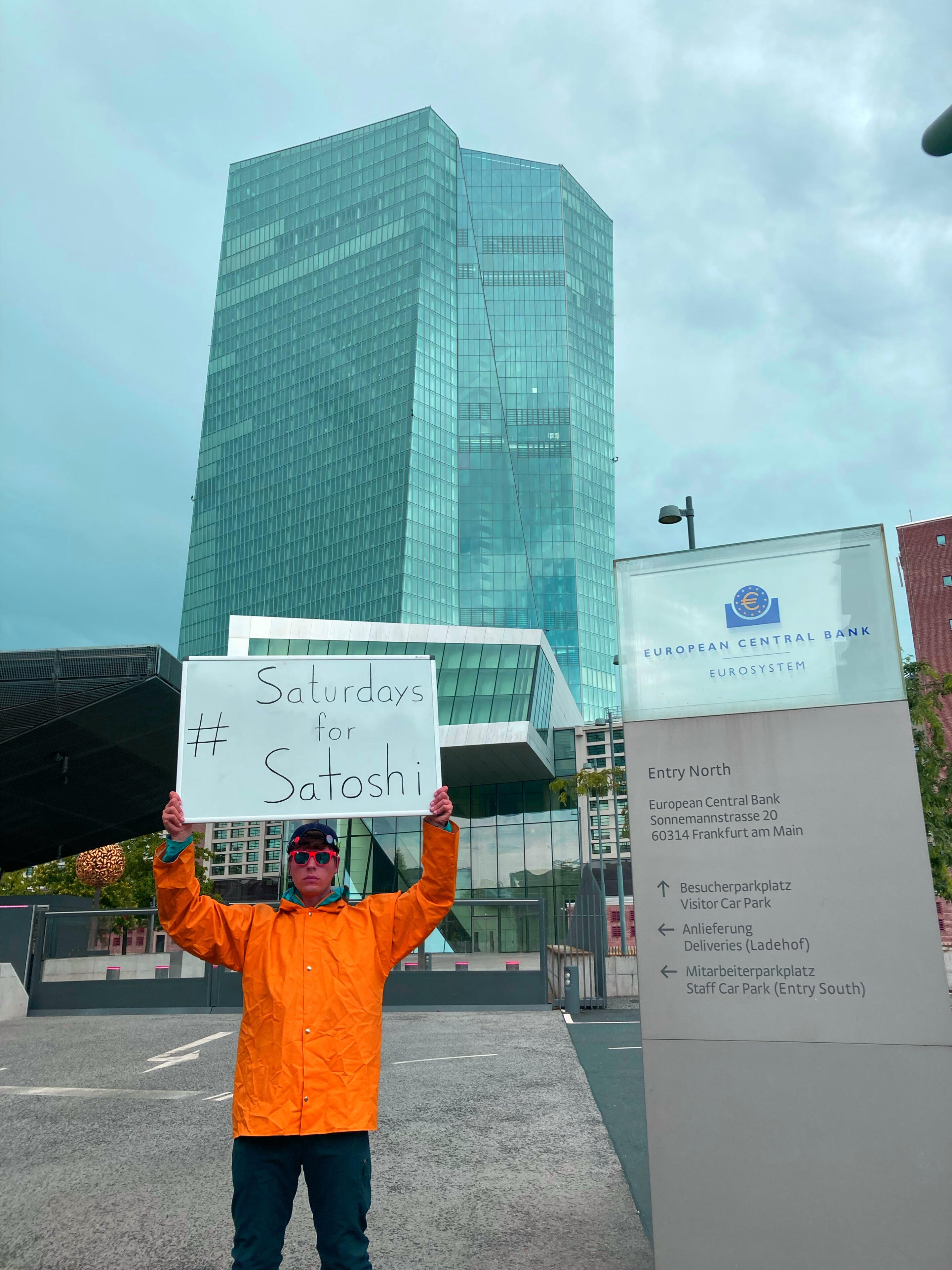
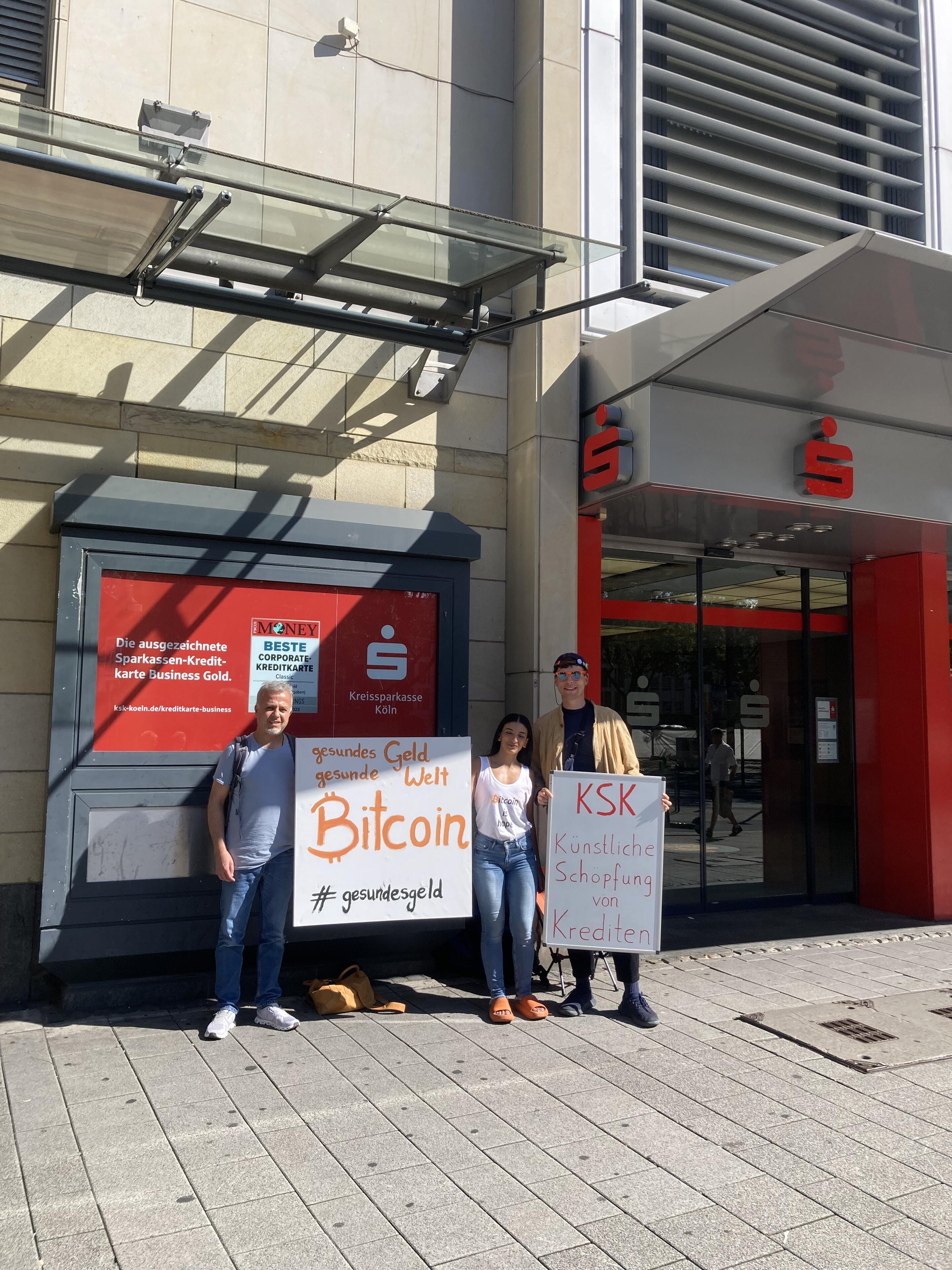

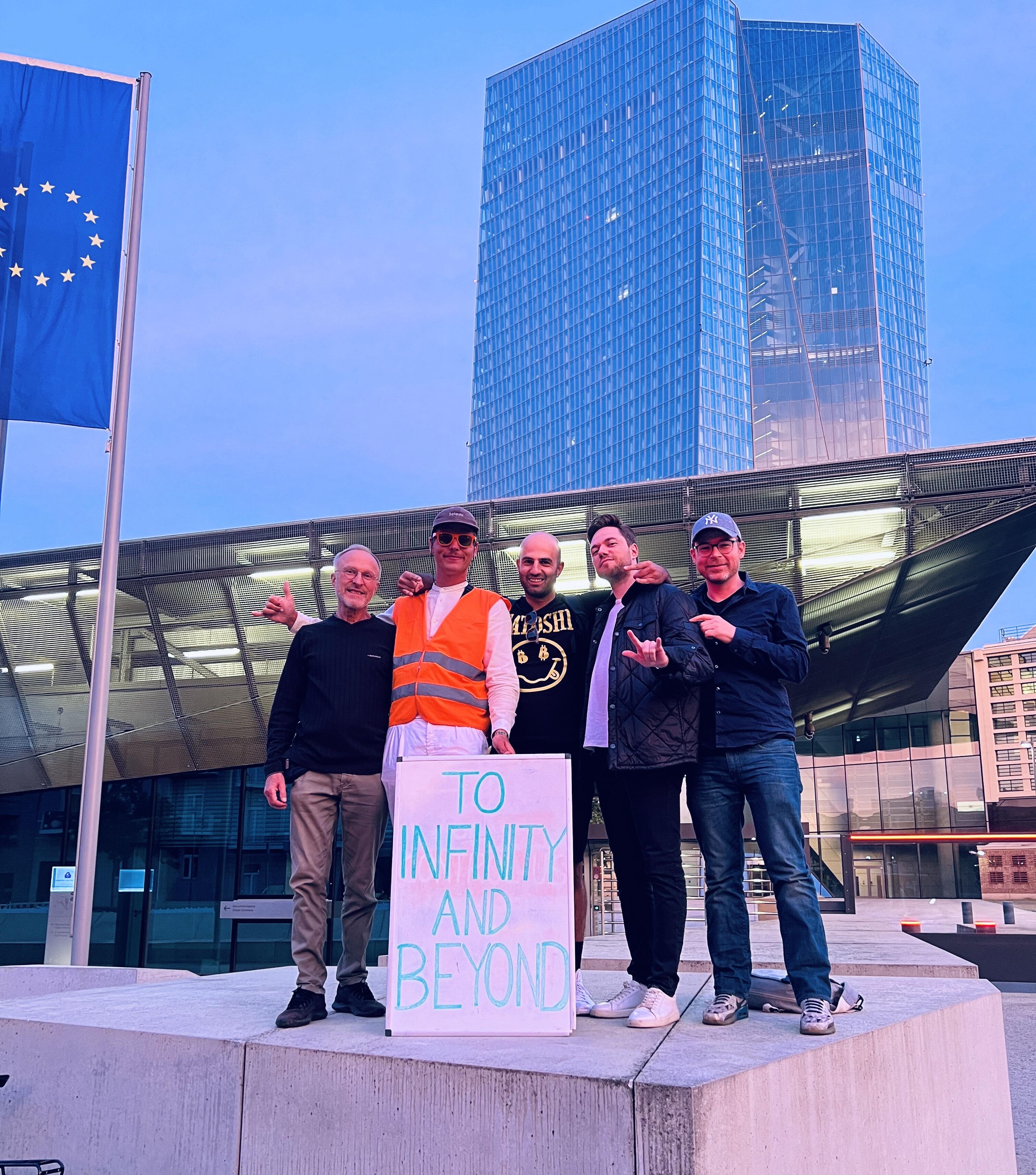
The important thing for me is not hyperbitcoinization but saving as many people as possible before the current economy and states crash.
I really want to be optimistic. But I don't think hyperbitcoinization will happen through this method. It is important and I admire everyone's actions. But hyperbitcoinization will only happen after adoption by multiple states. After decades of not having to deal with real money and save, people no longer know how to manage their assets. Most people will not understand BTC and still think that Fiat currencies are backed by gold.

Where can I see your blog? Here at NOSTR?

Now we have a serious problem to solve. How are we going to combat these types of people?
pedophiles is a serious problem that can quickly destroy the community
Tag some important people to draw attention to the issue and create a debate. They have no connection to the issue whatsoever. 
nostr:nprofile1qqsr7acdvhf6we9fch94qwhpy0nza36e3tgrtkpku25ppuu80f69kfqpz9mhxue69uhkummnw3ezuamfdejj7qg4waehxw309aex2mrp0yhxgctdw4eju6t09uq3wamnwvaz7tmjv4kxz7fwdehhxarj9e3xzmny9uvn2sfc nostr:nprofile1qqsrhuxx8l9ex335q7he0f09aej04zpazpl0ne2cgukyawd24mayt8gprfmhxue69uhhq7tjv9kkjepwve5kzar2v9nzucm0d5hszxmhwden5te0wfjkccte9emk2um5v4exucn5vvhxxmmd9uq3xamnwvaz7tmhda6zuat50phjummwv5hsx7c9z9 nostr:nprofile1qqsyvrp9u6p0mfur9dfdru3d853tx9mdjuhkphxuxgfwmryja7zsvhqpzamhxue69uhhv6t5daezumn0wd68yvfwvdhk6tcpz9mhxue69uhkummnw3ezuamfdejj7qgwwaehxw309ahx7uewd3hkctcscpyug nostr:nprofile1qqsgydql3q4ka27d9wnlrmus4tvkrnc8ftc4h8h5fgyln54gl0a7dgsprpmhxue69uhhqun9d45h2mfwwpexjmtpdshxuet5qy28wumn8ghj7un9d3shjtnyv9kh2uewd9hszrthwden5te0dehhxtnvdakqc267ea nostr:nprofile1qqs0w2xeumnsfq6cuuynpaw2vjcfwacdnzwvmp59flnp3mdfez3czpspzemhxue69uhhqatjwpkx2un9d3shjtnrdakj7huf3yc