



Monero has its own proof-of-work blockchain, and it is very similar to Bitcoin's design. The main differences are the way transactions are recorded (private but larger data size), the time to produce each block (2 minutes), the block reward schedule (fixed at 0.6 XMR), and the proof-of-work algorithm (ASIC-resistant so CPUs are the best miners).
I think a lot of people are sleeping on mining Monero with their desktop computers. Swap it to BTC if you want, but why let your asset be unproductive? Computers are Monero space heaters. And there will be a lot of used PCs for sale this year because Microsoft is forcing companies to replace anything older then 8th-gen CPUs for Windows 11.
Former palantir employee explains how this happening right now, worth a read: https://zigguratmag.substack.com/p/the-guernica-of-ai-c4b

Hah, not at all. It sounds like a good idea, but I always think too much about how an idea won't work, and then never try it.
I'm not sure how well it would scale. The human evaluating and zapping seems like a bottleneck and source of bias. Counting votes from a free-form reply with a script could be messy too. Is this intended to be done through regular kind 1 notes and replies?
Voting and zapping needs to be clarified, lots of way to game the system. Seen that already on nostr with polls and zap polls.
Software that monitors sensors and controls things like lights and fans.
Good luck. I'm going nerdy with a grow tent and home assistant automation 😂

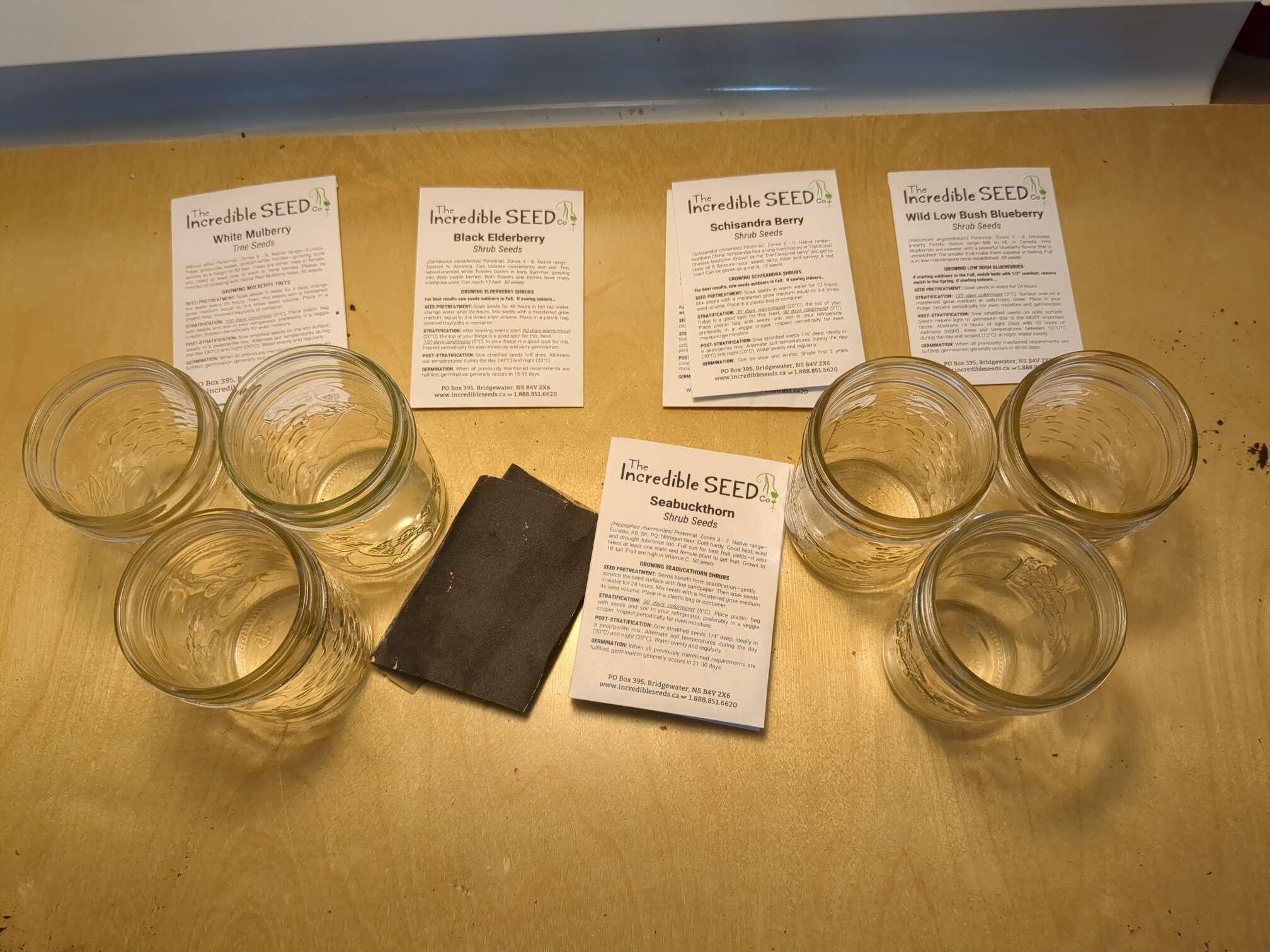
I can't quite read the instructions on the packets, but it would be interesting to compare them to Norman C. Deno's research: https://www.gardenmyths.com/seed-germination-dr-deno/
It's the most popular language on the TIOBE chart, probably due to being the dominant language in machine learning: https://www.tiobe.com/tiobe-index/
I really enjoy Python, just be prepared for the occasional headache managing dependencies. I think uv is what the cool kids use now.
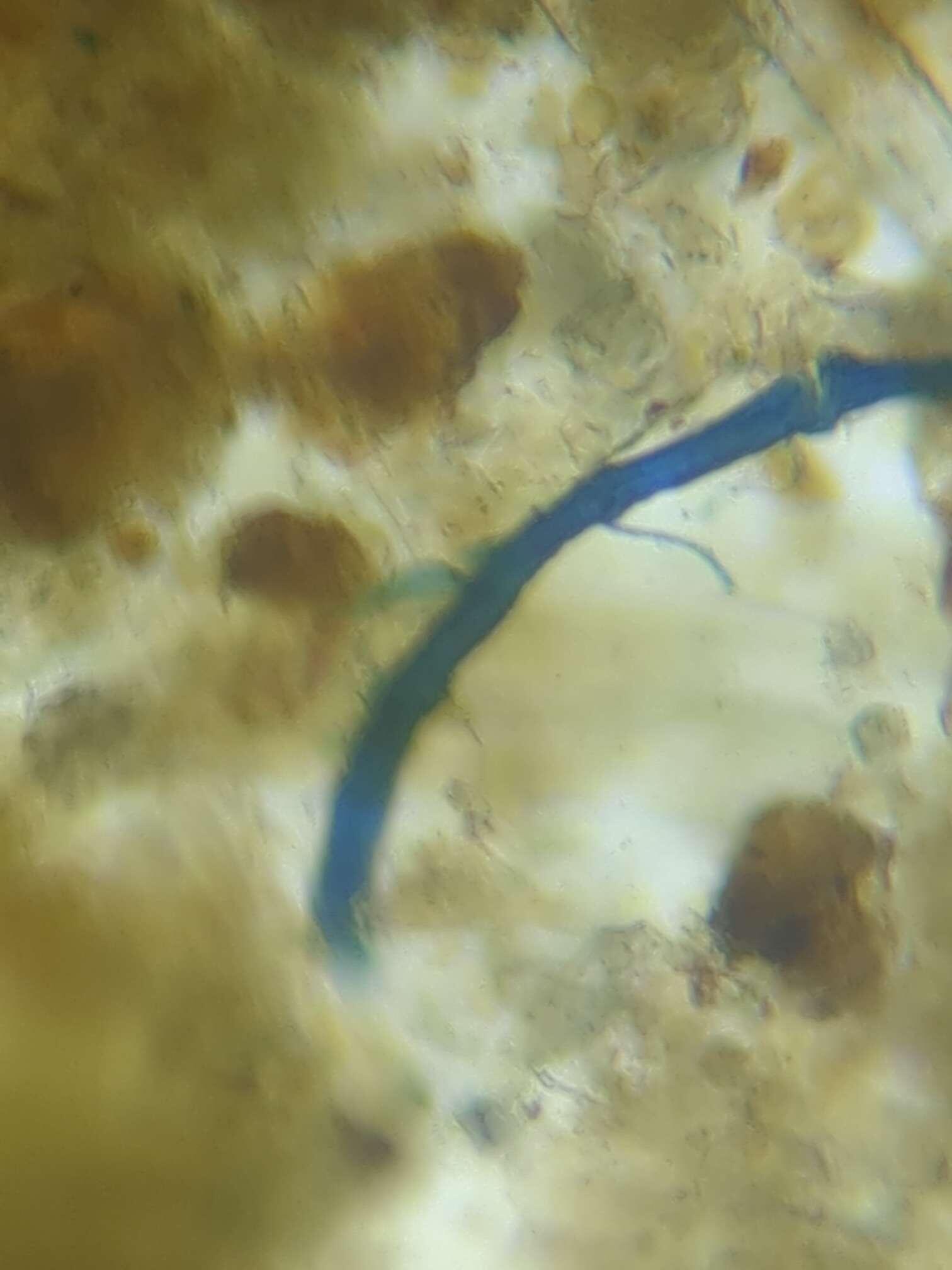
I've only looked at one sample of worm castings. It was full of bacteria, plenty of flagellates and not much else. I don't think it was very representative though. It should be easier to compare multiple samples from different sources at the same time to see how the differ.
In general, when I look at a sample I care first about the amount and diversity of life in terms of functional groups: bacteria, fungi, protozoa and nematodes. Aside from that I'm looking for the fulvic/humic acids and whatever else makes up the sample like organic matter and sand/silt/clay.


Huh, Bill Clinton in 1995: "Through our efforts, we have already cut the [federal] work force by 102,000 positions and we are on track to cut it by a total of 272,900 positions, bringing it to its smallest size since John Kennedy was President."
https://www.presidency.ucsb.edu/documents/statement-the-buyout-program-for-federal-employees

This is suppressed:
How Mullvad Empowers the NSA
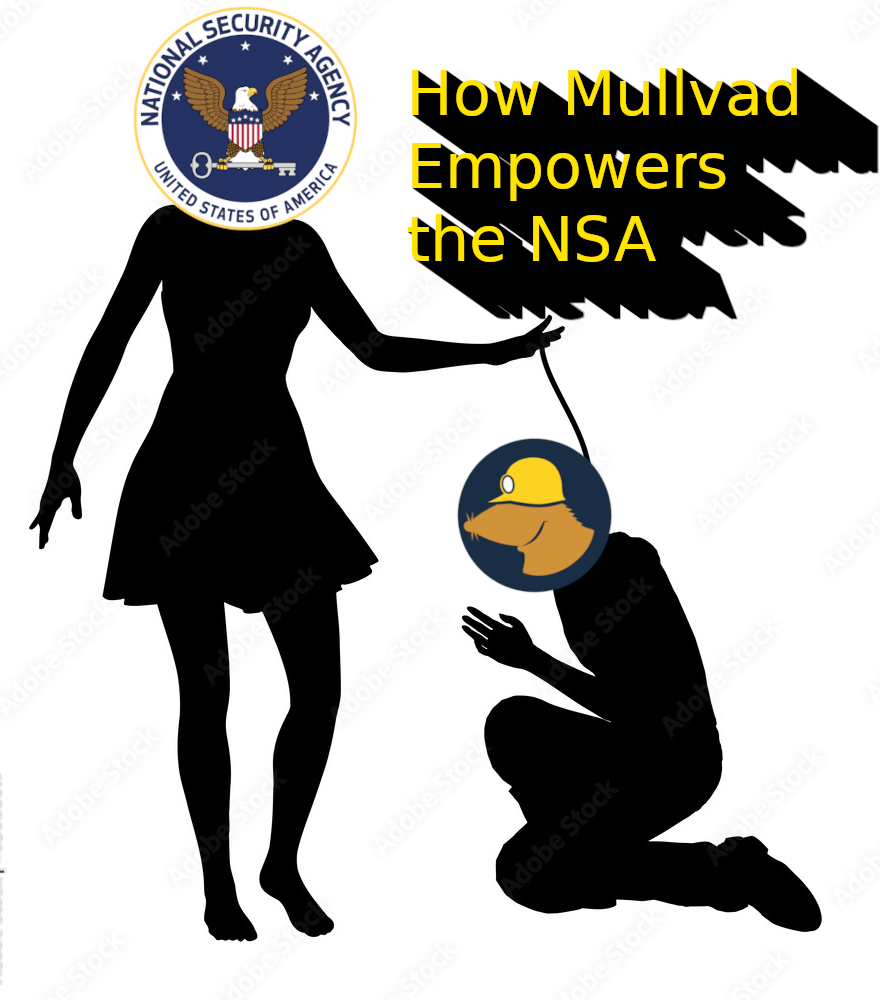
Even mainstream propaganda outlets like the Wall Street Journal, reported on the NSA acting as Google’s IT infrastructure during it's early years. We’ve all seen companies selling services TO the government.. But since when does the government provide service FOR a company?
Yet Google’s Youtube and Search, shape the way we understand privacy and technology. Not just Youtube, but also Larry Ellison is Elon Musk’s biggest financial backer to buy Twitter. He’s the current Chairman & CTO, and previous CEO of Oracle, which literally sells database solutions to the NSA for AI.
The reason you’re not hearing the types of criticisms of VPNs, that our podcast is about to tell you, is because the Youtube and Twitter algorithms act as hype wingmen, to suppress the truth about Mullvad’s new protocol named “DAITA”.
This negligent protocol harms users, by enabling and opening the door to the exact kinds of surveillance that it’s marketed as stopping. And this situation is made even worse by Mullvad’s other bad decisions on servers and opsec.
Simplified-Privacy may not have a lot of money. We may not have fame.
But in this critical podcast, we go against the grain, to bring you the raw truth:
web: https://podcast.simplifiedprivacy.com/mullvad/index.html
rss: https://podcast.simplifiedprivacy.com/index.xml
Maybe you hear it and don't act on it, but at least you deserve to know.
They way you explain this stuff makes me want to have nothing to do with you.
I've only tasted them once, years ago. I thought they were good and interesting, but that's all I remember. Looks like Burnt Ridge Nursery has two varieties.
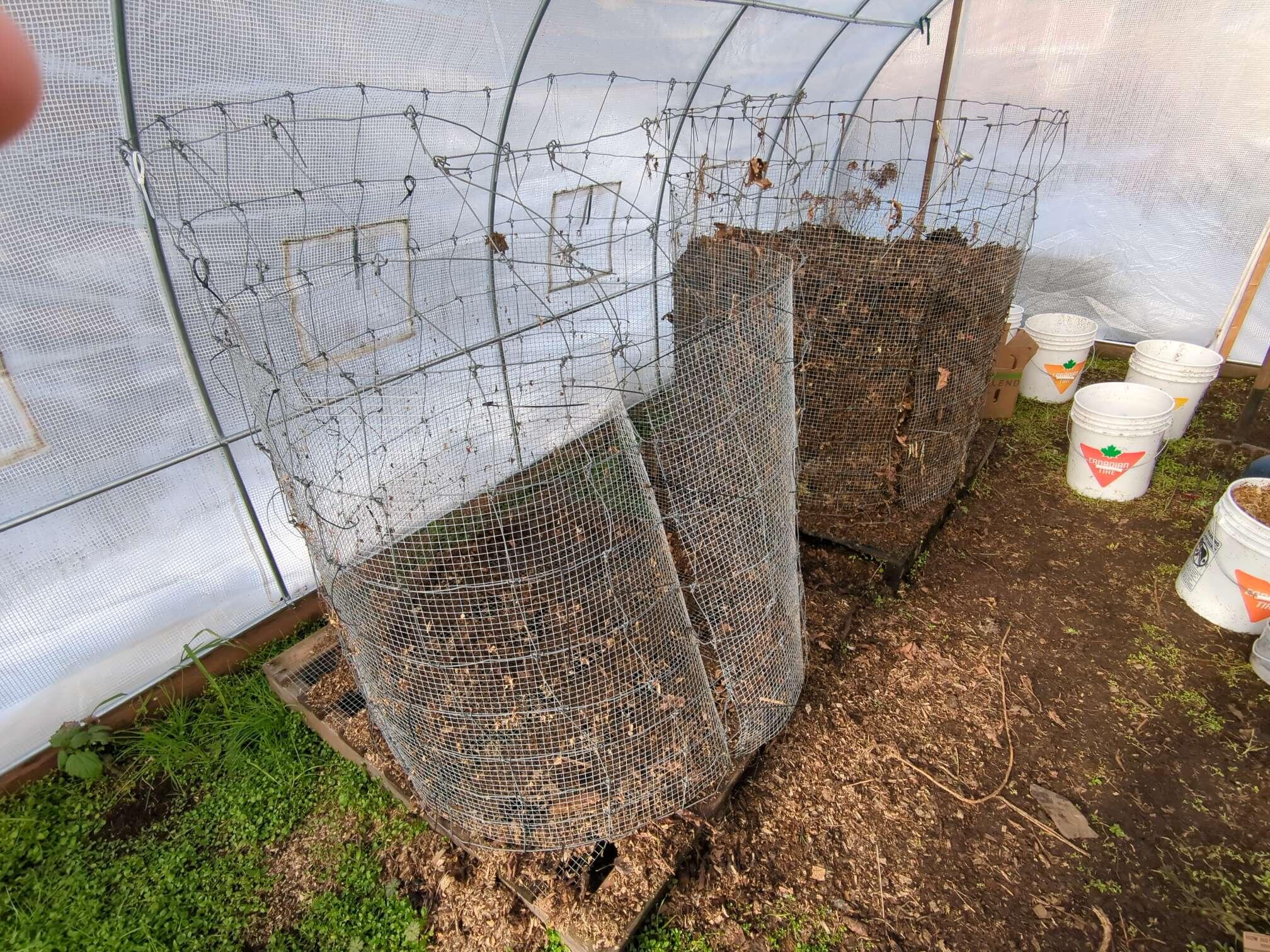
I raise my piles to keep the bottom from getting soggy. The surface area of the bottom is small compared to the rest of it, so I doubt it would make much difference.
This time of year the low ambient temperature is the biggest challenge. The material is going to be cold so the microbes won't be very active, so they won't produce much heat and it never really gets going.
A bigger pile should help because there's more insulation for the center. And it will probably need more nitrogen. I've had good results with a seed meal like cottonseed meal or some cheap cat food sprinkled in between layers every few inches. About 1-2 handfuls each layer depending on how much help I think it needs.


I wrote an article talking about that https://njump.me/naddr1qvzqqqr4gupzqs9eep0ll6hurjkl3sc2fewgses07mjfwxsdcu3at2m8fd0xrdz3qq24z4rp09mkzk290p25x5zyd3uk5at6da545c3ea4m
Yeah, I read the article already. I guess I'm just stupid because I don't understand.
I'm excited to announce something I've been working on during the weekend, a best-effort draft for DVMCP, a specification that defines a intersection between DVMs and MCP servers. Additionally, I've created a small bridge, a piece of software that automatically and effortlessly transforms any MCP server into a DVM, handling all the nostr logic. You can find everything in the repo https://github.com/gzuuus/dvmcp
I've written an article exploring some points that, from my pov, make this idea very interesting and promising. Also we've created a Signal group where we've been discussing the spec and implementation, feel free to join if you are interested :)
nostr:npub1nxa4tywfz9nqp7z9zp7nr7d4nchhclsf58lcqt5y782rmf2hefjquaa6q8 is also developing a bridge in Python 🔥🔥 Thanks to everyone who joined and collaborated on this idea nostr:npub1mgvwnpsqgrem7jfcwm7pdvdfz2h95mm04r23t8pau2uzxwsdnpgs0gpdjc , nostr:npub1aljazgxlpnpfp7n5sunlk3dvfp72456x6nezjw4sd850q879rxqsthg9jp , nostr:npub1r0d8u8mnj6769500nypnm28a9hpk9qg8jr0ehe30tygr3wuhcnvs4rfsft
cc nostr:npub1l2vyh47mk2p0qlsku7hg0vn29faehy9hy34ygaclpn66ukqp3afqutajft , nostr:npub1dergggklka99wwrs92yz8wdjs952h2ux2ha2ed598ngwu9w7a6fsh9xzpc, nostr:npub1sg6plzptd64u62a878hep2kev88swjh3tw00gjsfl8f237lmu63q0uf63m
Signal group: https://signal.group/#CjQKIOgvfFJf8ZFZ1SsMx7teFqNF73sZ9Elaj_v5i6RSjDHmEhA5v69L4_l2dhQfwAm2SFGD
Can you provide any practical examples of what this might be used for?
I just finished watching this and can highly recommend it to anyone that wants to understand what "AI" is, how it's made, the strengths and weaknesses, and more.
https://www.youtube.com/watch?v=7xTGNNLPyMI
I have a much better understanding now of pre-training, post-training (supervised fine tuning), reinforcement learning, tokenization, and reasoning models. I learned a few tricks too, like how to have AI use tools to get better results.
This technology is extremely important, like Bitcoin, and the better you understand it the more you'll be able to benefit from it.