
That's exactly what's needed. The pi zero platform is much too much overhead. Brilliant idea to port it to a microcontroller 💯🙏
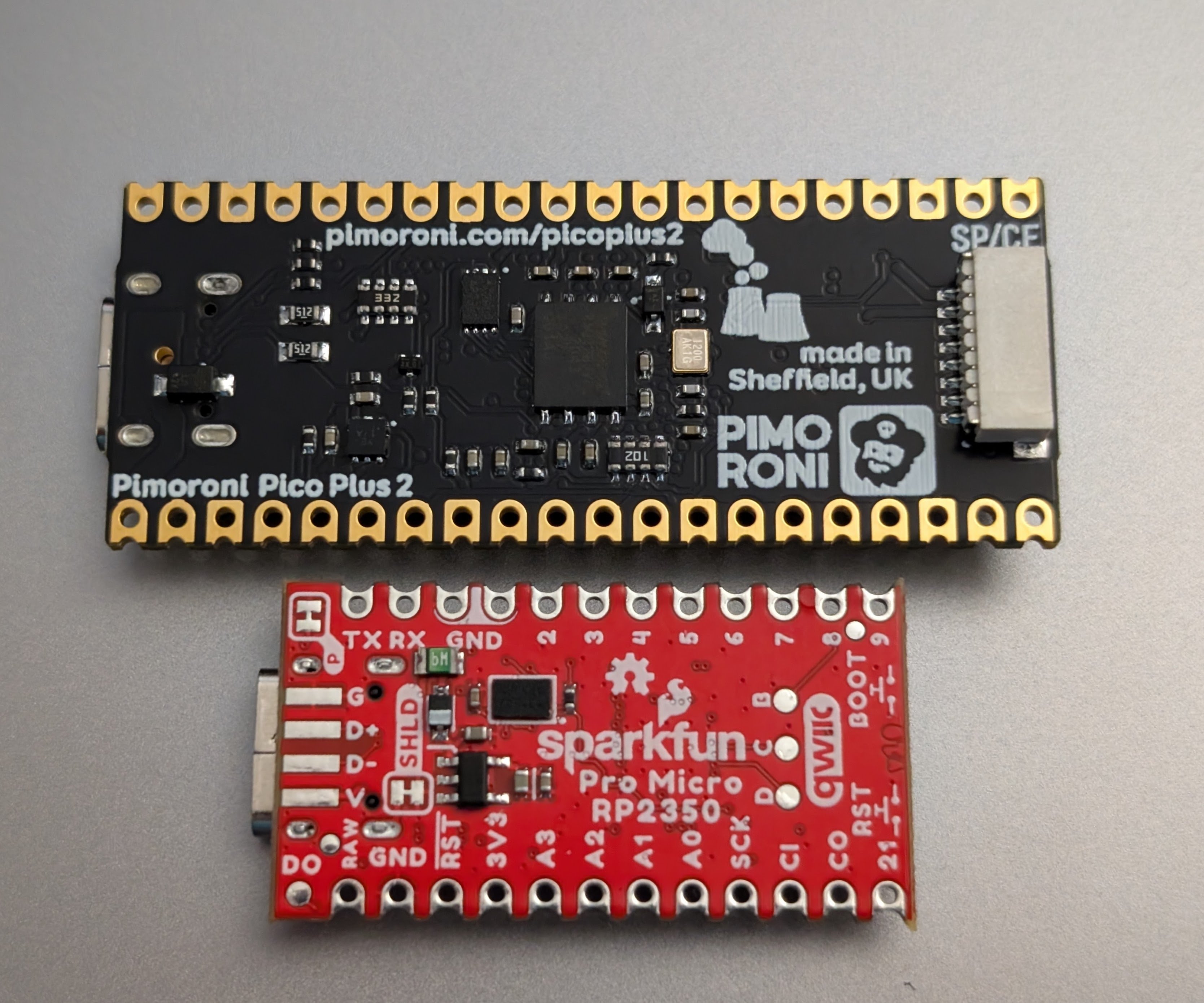
Sprinting to prep the multilanguage nostr:nprofile1qyghwumn8ghj7mn0wd68ytnhd9hx2tcpzemhxue69uhk2er9dchxummnw3ezumrpdejz7qg4waehxw309aex2mrp0yhxgctdw4eju6t09uq3xamnwvaz7tm0venxx6rpd9hzuur4vghsz8rhwden5te0dehhxarj95ezu7n9vfjkget99e3kcmm4vshsqg8je9kf0ajpnffclpx087njugv5vp0psjqfdeh9zuxvukmk0xw5qqu9r45v release in time* for nostr:nprofile1qys8wumn8ghj7un9d3shjtnndpshwmnev4skwetj9e3k7mf0vd5xzaqprpmhxue69uhkxetvd3shytnwdaehgu3wwa5kuef0qyfhwumn8ghj7am0wsh82arcduhx7mn99uq35amnwvaz7tmnv4hxg6t59ehx7umxd3shyefwvdhk6tcpzemhxue69uhkzat5dqhxummnw3erztnrdakj7qpqad0ptuzte83alpkpqqctvewlaqj5zq23c83m82xw8apg4t6zlynsc0nfk4 but in the meantime I'm SO EXCITED to get these RP2350 dev boards in to play with as soon as I'm back from El Salvador!
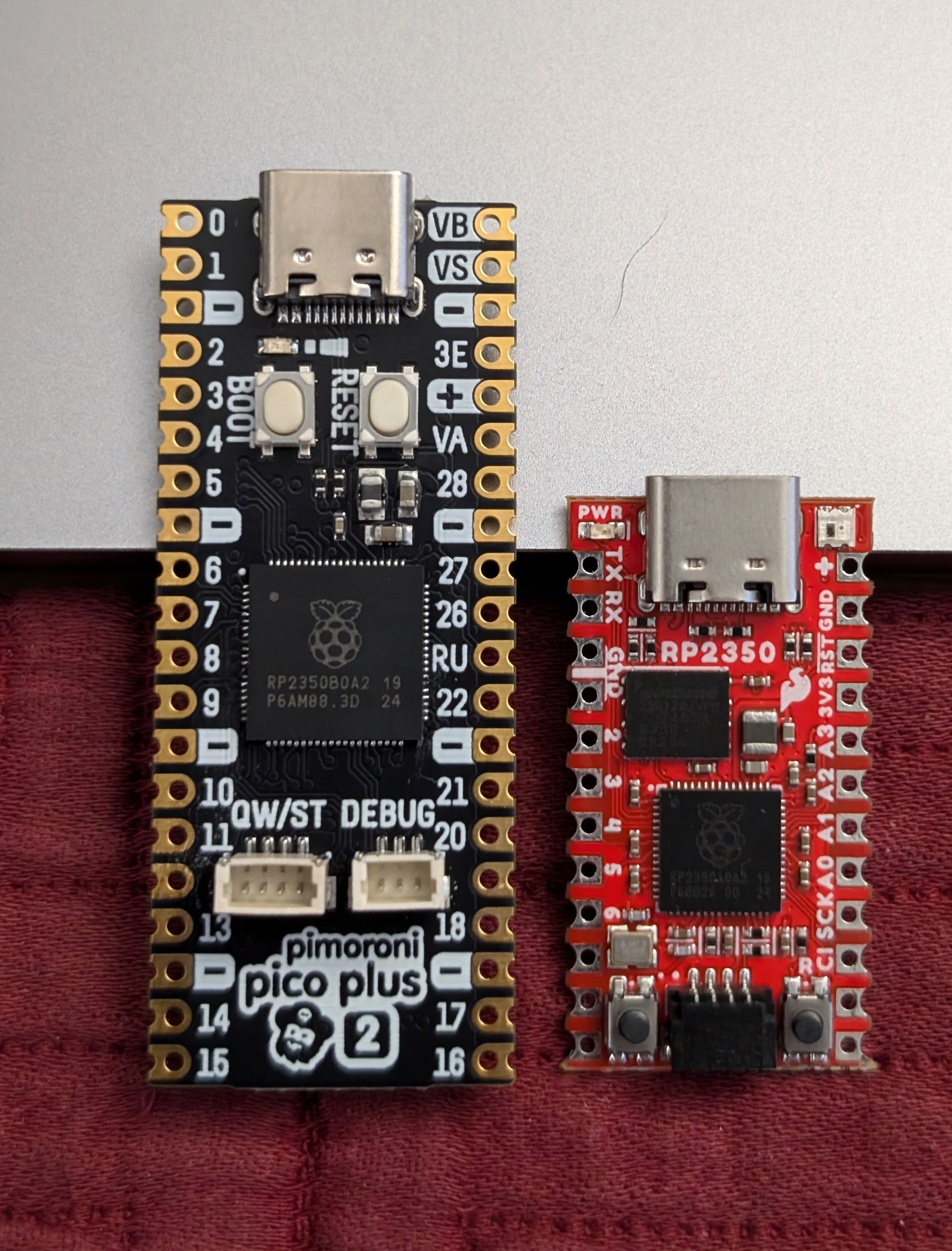
The hope is that the RP2350 microcontroller will be an easier platform on which to port SeedSigner to MicroPython. Getting us onto a microcontroller (while still fully supporting the original Pi Zero hardware/codebase, of course!) will open up some huge new possibilities.
---
*("in time" actually means "have a preview release to demo" 'cause there's no way we could get a full final release adequately tested in time)
Discussion
It's amazing that nostr:nprofile1qyt8wumn8ghj7etyv4hzumn0wd68ytnvv9hxgtcpz9mhxue69uhkummnw3ezuamfdejj7qgcwaehxw309anxjmr5v4ezumn0wd68ytnhd9hx2tcprpmhxue69uhkxetvd3shytnwdaehgu3wwa5kuef0qy88wumn8ghj7mn0wvhxcmmv9uqzqxj6lwv69s9n5z9y52h0c9r2ec8fuak2pe9nuarj6dy3eqp4hta3ks7myh and "DT" and others were able to create a custom Linux OS for us (with reproducible builds!!! 🤯) that gets SeedSigner booted up and running in ~12secs.
BUT, yes, a full linux OS is a ton of overhead. Running bare metal on a microcontroller with basically instant-on and hopefully good enough performance (Pi Zero cpu is a BEAST compared to any microcontroller) will be amazing.