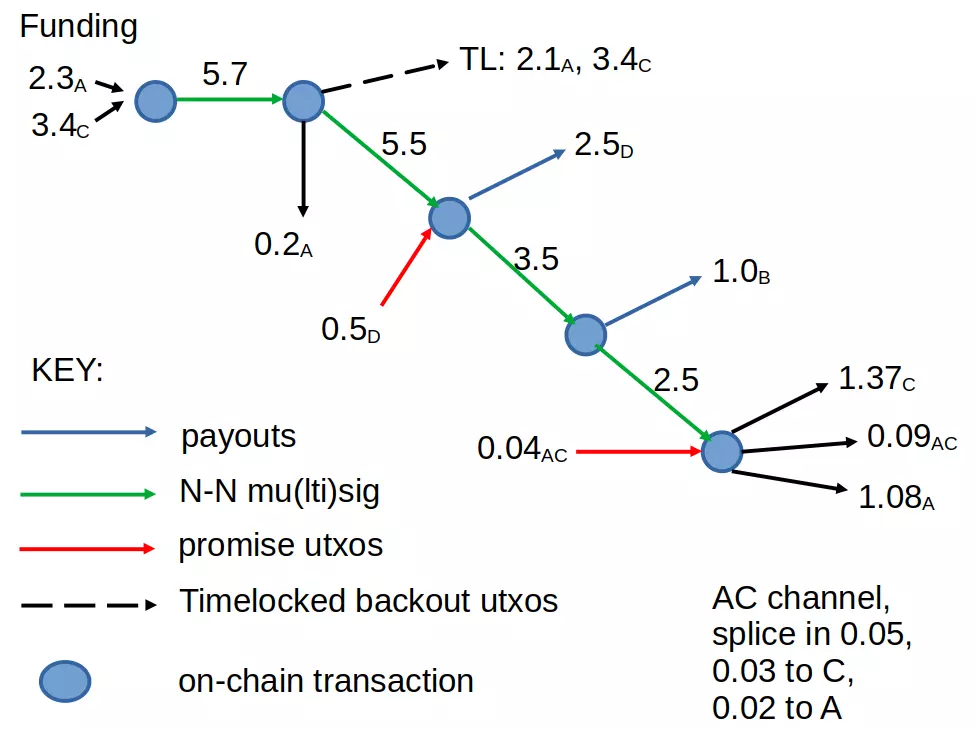
Whether the cost of using the network is higher or lower using covenants will just depend how you use them. In most sane use cases, it will be lower or equal; the fact that a rule inside a protocol can be enforced without a punishment mechanism will at least tend to make fallback cases less expensive.
But that's somehow beside the point. The point is more that this additional ability to constrain behaviour makes whole classes of protocols that allow lifting transactions off chain possible, that were previously impossible, realistically. Think 'joinpools', think multiparty channels, think congestion control trees, even vaults (ones that don't suck, anyway!). That's the main reason I advocate for this - this kind of contract expressivity is imo necessary for the *payments* use case of bitcoin.
Not sure I understood the rest of your questions. L2 participation is obviously not the same as L1 participation. The latter is impossible for everyone, obviously. Or indeed for *anyone* most of the time. That's why current Lightning, as good as it is, is just scratching the surface of what we need.