For my second part:
I was thinking back to how I saw the narrative evolve around who regulates the network after the blocksize wars. The final generally accepted answer was: economic nodes; i.e. those creating on chain transactions and incentivising miners to choose a particular fork.
I think the next fork war will unveil that L2 has introduced another variable to this formula. People transacting on L2 aren't generating fees on the Blockchain as much, so if a fork were on the horizon, how could people on L2 express their opinions? They may run a node, but does it do anything?
I think the point of keeping the Blockchain cheap was to ensure that everyone could participate in such a scenario, but high fees can distort the signal of more transactions on the more popular or maybe more "just" fork.
Imagine a fork with lots of inscriptions activity vs a fork without... Not necessarily because the fork was about blocking inscriptions, but because these users want a particular feature that prioritises their transactions over normal payments or L2 transactions.
Couldn't this be a negative outcome for bitcoin where more capital outweighs the needs of the many and unless bitcoin has a hard fork, or unless there is an altruistic movement to block the fork, bitcoin becomes mostly unusable for the majority of its users.
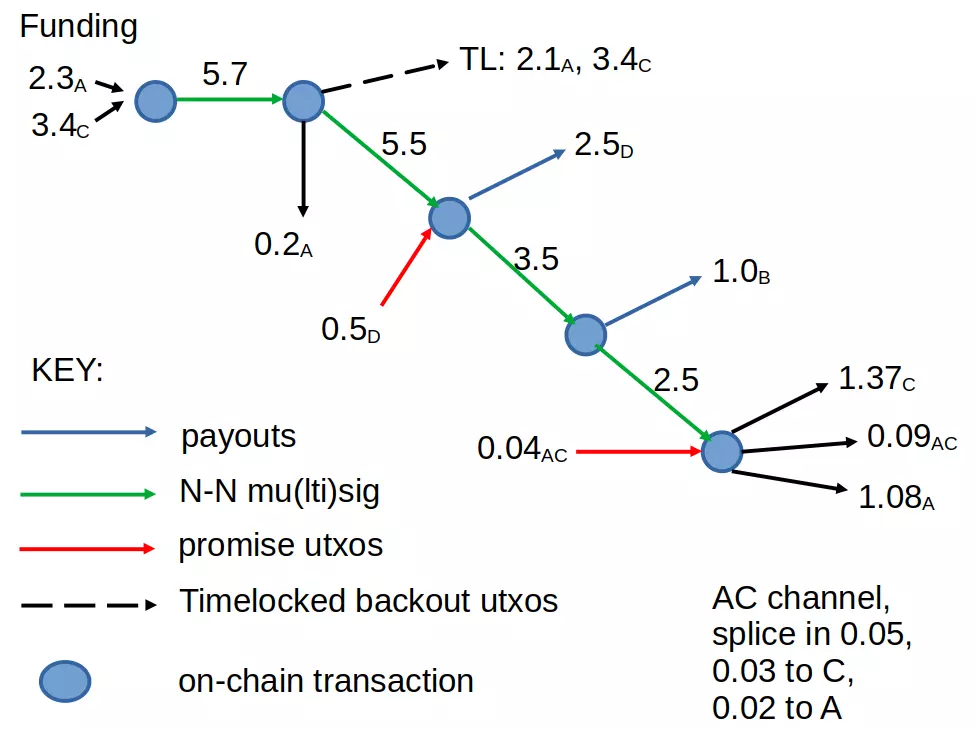
Since writing this, I had another thought: maybe even if most users are using L2 because of fees, the portion of those users getting forced closed, splicing, using submarine swaps and so on is still generating significant on chain activity with fees to influence miners.
Paying higher fees after making good use of an L2 SHOULD be more economically sustainable than paying higher fees for single transactions in the long run.
Okay another consideration that crossed my mind, it's not about how many tokens you can get, but also it's usefulness to a miner.
If an economy was made up of trading jpegs, then the miner might join the inscription chain, but since they will want to trade with real economic actors, likely on lightning network, they will need to ensure that the bitcoin they mine for themselves is on the chain where they want to do business.
So it's not just fees that incentivises miners, it's also (and maybe even more importantly) where their trading partners are.
If miners are trying to get fiat to pay electricity bills, then they will likely follow the chain that has a higher value, and that would likely be the one with more variety of users on it. The reason to bring this up is that a miners trading partner may just be Coinbase for converting BTC to fiat, and Coinbase may accept and allow converting both forks, so then the only thing influencing which chain the miner will mine for is whichever one pays more (and is likely to sustainably keep paying more) which will likely be the one with more economic users whether on chain or off chain.
🤔
Thread collapsed