How do they scale. By making blocks bigger?
Discussion
I have no idea. I've been trying to get a simple, understandable answer to that for like, the whole 11 years doge has been out (didn't get interested in Monero until more recently)

I don't know about Doge, but Monero has a short-term average block size and a long-term average block size. The short-term average block size is meant to handle things like the holiday season where shopping increases dramatically for a couple of weeks and then drops back off. And the longer-term average lets the network grow without letting it grow too quickly and causing storage problems. If a minor wishes to submit blocks larger than what the blocks have recently been, they are charged a penalty and expected to make that penalty up with transaction fees. So therefore, if transaction fees are higher than the penalty they would lose by making the block larger than they are incentivized to make the block larger. The short term block average will not allow blocks to get larger than a certain amount which is an effective cap until the longer term block size limit rises.
As an example, most blocks are about 300 kilobytes right now, and I believe the long term number is set at like 500 kilobytes. So a miner can make blocks up to 500 kilobytes in size, but cannot exceed that for the next like 50,000 blocks, at which point that number would rise and they could make blocks larger again if they need to.
If you are more interested in the details, please look up ArticMine. He is the Monero scaling guy and knows much more about it than I do.
I understand parts of this, but still wouldn't be able to relay it to someone else. Might have to do more reading, as you suggested. Thanks for the information 🤙

basically
monero allows miners to increase the block size
but reduces the block reward they do.
so they have to be able to add enough txs to make up for the penalty.
in the end
it only makes economical sense during usage spikes.
which is exactly the point.
Thank you, this is perfectly worded I think
Fr tho why do monero and doggie coin scale better? What are the actual differences by the numbers?

Yes. And causing the network to become more centralized. They have no L2 like lightning, so you can't have instant transactions. Lightning offers much of the same privacy Monero does. Monero has "low fees" because not many people use it it, it will face the same fee spikes and block competition issues Bitcoin has if it actually sees wider user.
The block sizes in question...


sorry, no.
LN absolutely positively DOES NOT offer "much kf the same privacy Monero does."
if fact, nobody has much of an idea of exactly what privacy guarantees they are getting on LN.
Whereas on Monero the sender, receiver and amount are protected by default and even targeted attacks can't unwind transactions.
also, centralization FUD 👎
also also "low fees because nobody uses it" 🤣
Monero has dynamic block size to deal with usage spikes.
so all in all
1/10
do better

I find both camps are talking past each other whenever this comes up. Bigger blocks scale better in the sense that they can accomodate more transactions for any given period of time VS Bitcoin. Yes, I also understand that this comes at the cost of less decentralization since it requires more resources to run a node. But there is such a thing as diminishing returns (is a Bitcoin with 50,000 nodes less decentralized and capturable in practice VS 75,000 nodes?)
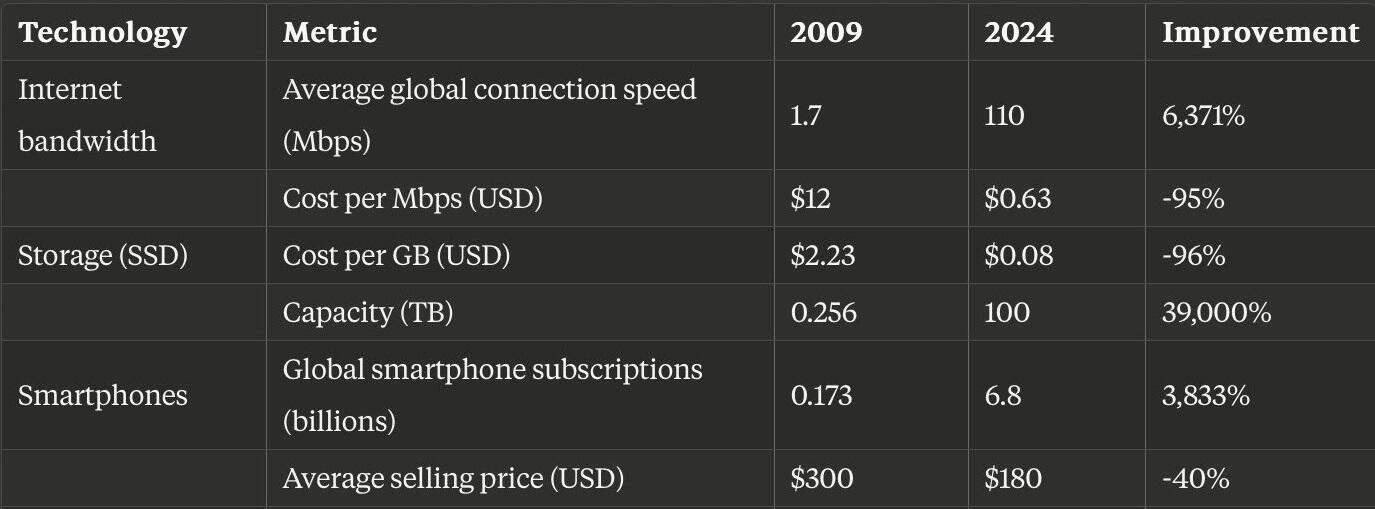
Given the table below, would you not say Bitcoin is due for even a slight increase in blocksize since technology has improved a lot across the board since it's creation?