
What happens in 2140 then?
Discussion
Tiny fees from transactions and getting more competitive forever as energy becomes abundant, free or nearly free.
But that’s why I asked: can you imagine those people thinking like most of us today and deciding to go back to a system of theft, control, and scarcity?
I understand the fees have the potential to keep miners operating, but you were speaking about rewards alone will be enough to keep a robust market for mining, but as we all know, those come to an end in 2140. So after that, I think what you are laying out is that the fees will be enough to keep a robust market for mining? And if I understand this correctly, then not only will the miners want to operate, but then we also have robustly secure protocol.
🎯

In a nutshell, its working as desinged, driving deflationary pressure and adoption. If it aint broke, don't fix it. Just because technically a change can be done, if not required for fundamental use case, one has to ask if the desire to do so is ego based or bad actor. Natural reaction. What I don't understand is if this has caused such a huge debate, its obviously not desired by many, if working well right now and adoption increasing, why not stop the change and engage in more discussion and (healthy, polite) debate?

Just to put things in perspective — the last whole Bitcoin will be mined for nearly 40 YEARS where miners all over the world will keep working, probably burning way more energy than we already do today — and right now, it’s equivalent to 12 nuclear reactors running non-stop. All that effort, just to squeeze out the final bits of a fixed 21 million supply. So yeah… what do you think a full Bitcoin will be worth then? Or even a sat? Or the cost to get a transaction into a block? I’m guessing enough.

It's 2025 and I have free and abundant energy already. The abundance mindset will spread.

When 1000 sats is a weekly salary it will be 100,000 mSats of fungibility. Or we'll math it smaller.
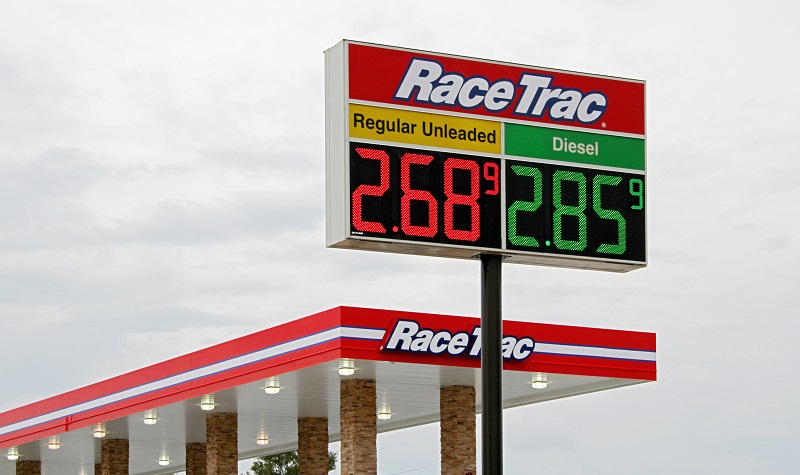
Already we sell gas at $2.699