While everyone euphoric from this #bitcoin pump, now would be a good time to submit your comments to FinCEN regarding the proposed totalitarian surveillance rule that was just published.

**Comments are due by January 22, 2024.**

PLEASE REPLY TO THIS NOTE and add the text of comments you submit for others to utilize in their submissions.

***

Comments must be submitted by one of the following methods:

Federal E-rulemaking Portal: https://www.regulations.gov.

Follow the instructions for submitting comments. Refer to Docket Number FINCEN–2023–0016 in the submission.

Mail:

Financial Crimes Enforcement Network, P.O. Box 39, Vienna, VA 22183. Refer to Docket Number FINCEN–2023–0016 in the submission.

***

Here is the FinCen “Proposal of Special Measure Regarding Convertible Virtual Currency Mixing, as a Class of Transactions of Primary Money Laundering Concern” which was added to the Federal Registrar today:

https://www.federalregister.gov/documents/2023/10/23/2023-23449/proposal-of-special-measure-regarding-convertible-virtual-currency-mixing-as-a-class-of-transactions

***

Here is some info on global money laundering that may be helpful:

https://withpersona.com/blog/the-most-mind-blowing-money-laundering-statistics-of-2022

PLEASE ADD ANY OTHER LINKS, IDEAS, COMMENTS THAT MAY BE HELPFUL FOR OTHERS TO UTILIZE ⬇️

Reply to this note

Please Login to reply.

Discussion

its coming bitcoiners=criminals narrative

definitely looks like they're effecting the strucute to enable that

petition in supreme court !

I want to wish the best of luck to fellow Americans who are subject to so much hardship designed to keep the elite polished and everyone else to remain poor. The founding fathers would be ashamed.

[813571]

Only US citizens can comment?

GPT created comment

************

Dear FinCEN,

I am writing to express my strong opposition to the Proposal of Special Measure Regarding Convertible Virtual Currency Mixing, as a Class of Transactions of Primary Money Laundering Concern.

This proposal is a misguided overreach that would stifle innovation and harm legitimate users of CVC mixers. CVC mixers are a valuable tool for privacy and security, and they are used by a wide range of people, including businesses, individuals, and journalists.

The proposal is based on the false premise that CVC mixing is primarily used by criminals. In reality, CVC mixing is used by a wide range of people for legitimate purposes. For example, businesses use CVC mixers to protect their trade secrets, individuals use them to protect their financial privacy, and journalists use them to protect their sources.

The proposal would also have a negative impact on innovation in the CVC space. CVC mixers are a key part of the CVC ecosystem, and they play an important role in promoting privacy and security. This proposal would make it more difficult for new CVC mixers to emerge and compete, and it would stifle innovation in the CVC space.

I urge FinCEN to withdraw this proposal. It is a misguided overreach that would harm legitimate users of CVC mixers and stifle innovation in the CVC space.

In addition to the above, I would like to offer the following specific comments:

The proposal is vague and poorly defined. It is unclear what constitutes a "covered transaction" or who would be considered a "covered financial institution." This lack of clarity would make it difficult for businesses to comply with the proposal and would create uncertainty in the market.

The proposal would impose a significant burden on businesses. The reporting requirements are complex and would require businesses to invest in new systems and processes. This would be particularly burdensome for small businesses.

The proposal would not be effective in preventing criminals from using CVC mixers. Criminals are always finding new ways to evade law enforcement, and this proposal would not be able to keep up.

I urge FinCEN to reconsider this proposal. It is a misguided overreach that would harm legitimate users of CVC mixers and stifle innovation in the CVC space.

Sincerely,

[Your name]

************

https://www.federalregister.gov/documents/2023/10/23/2023-23449/proposal-of-special-measure-regarding-convertible-virtual-currency-mixing-as-a-class-of-transactions

Excellent!

great way to be added to another LIST

You're not living if you're not on at least 3 terrorist watchlists

who or which parties will fight against it in court ?

This all stops becoming relevant when you actually read the laws (slowly) with a legal dictionary, reading case law, paying attention to definitions, etc. If bitcoiners would start doing this, worries like these become a thing of the past.

I have a feeling that this is how The Mandibles meets The Sovereign Individual.

Your link is broken (because you put a period at the end of a website.)

drns;

How impactful would pulling an Alex Epstein be and just write, “Fuck off, facist.”

We have determined that some criminals in the world are closing curtains before committing their crimes.

Therefore, American citizens will no longer be able to purchase or use window coverings of any kind.

We have considered the needs for privacy for law-abiding Americans and the actions of murderers and decided that this is the most balanced approach.

It will come and it will be awful and we will overcome but it will be a dip I'm going to buy.

I find this strange in America, in my country a law like this, I think no one would comply or even bother to complain, neither would the authorities enforce that in practice, unless maybe in some specific cases. And yet Americans are always like, ogm if I buy coffee with bitcoin it will be a taxable event, here one gives a shit.

This was my response (kudos to Chat GPT for the assist):

October 22, 2023

Financial Crimes Enforcement Network P.O. Box 39 Vienna, VA 22183

RE: Comment on Notice of Proposed Rulemaking - RIN: 1506-AB64

Dear Sir/Madam,

I am writing to express my strong opposition to the proposed rule issued by the Financial Crimes Enforcement Network (FinCEN), as detailed in the Notice of Proposed Rulemaking (NPRM) published in the Federal Register on 10/23/2023 (88 FR 72701). The proposed rule pertains to recordkeeping and reporting requirements for transactions involving convertible virtual currency (CVC) mixing. While I recognize the importance of preventing illicit financial activities and ensuring national security, I believe that this rule raises significant concerns about the protection of individual privacy rights as guaranteed by the United States Constitution.

The proposed rulemaking is based on Section 311 of the USA PATRIOT Act, a piece of legislation enacted in the aftermath of the 9/11 attacks. While the USA PATRIOT Act was intended to address terrorism and money laundering, it is crucial that the government's actions in the name of national security do not infringe upon the civil liberties and privacy rights of its citizens. Regrettably, the current proposal does just that by imposing onerous recordkeeping and reporting requirements on domestic financial institutions and agencies in connection with CVC mixing.

My objections to this proposed rule are as follows:

Violation of Privacy: The Fourth Amendment of the United States Constitution protects citizens from unreasonable searches and seizures. The collection of data regarding CVC mixing transactions, even for the purpose of combating financial crimes and terrorism, may infringe upon the right to privacy. It is essential to strike a balance between national security concerns and the protection of individual privacy.

Blanket Assumption of Wrongdoing: The proposed rule implies that all CVC mixing transactions are inherently suspicious, effectively placing a presumption of guilt on individuals involved in such transactions. This blanket assumption goes against the principle of "innocent until proven guilty," which is a fundamental aspect of our legal system.

Chilling Effect on Innovation: Excessive regulations on cryptocurrency and CVC mixing may stifle innovation in the financial technology sector, hampering the growth of emerging technologies that have the potential to bring about positive economic changes.

Ineffectiveness: The proposed rule might not achieve its intended goals. Determined individuals involved in illicit activities will find alternative ways to conceal their transactions, rendering the rule largely ineffective while disproportionately impacting law-abiding citizens.

I urge FinCEN to reconsider this proposed rule and ensure that any regulatory actions taken respect the constitutional rights and privacy of the American people. It is essential to approach this matter with a balanced perspective, taking into account the potential for harm to individual privacy rights.

I kindly request that my comments be considered in the decision-making process, and I implore FinCEN to uphold the principles of liberty and justice that our great nation was founded upon. The protection of our civil liberties must remain paramount in any rulemaking efforts.

Thank you for your attention to this matter, and I look forward to a thoughtful and respectful consideration of my concerns.

Here is the comment I just submitted. I'm also dedicating my newsletter this week to this issue, encouraging all readers to post their own comment.

---

I am writing to express my vehement opposition to the proposed Special Measure Regarding Convertible Virtual Currency Mixing as a Class of Transactions of Primary Money Laundering Concern. This proposal has raised significant concerns, and I believe it would be a grave mistake to implement it in its current form.

While I understand the importance of addressing money laundering and other illicit financial activities, this proposed measure would have far-reaching consequences for individuals and businesses involved in the legitimate use of cryptocurrencies. The potential risks and harms associated with this proposal greatly outweigh its intended benefits.

My objections to this proposal are as follows:

1. Overreach: The proposed measure overly broadens the scope of surveillance and regulation, targeting innocent individuals and entities who engage in legitimate transactions with convertible virtual currencies. It essentially treats everyone as a potential criminal, infringing upon our fundamental rights to financial privacy and freedom.

2. Chilling Effect: If this proposal is implemented, it would create a chilling effect on the adoption and use of cryptocurrencies for lawful purposes. People and businesses would be discouraged from engaging in legitimate financial activities, hindering innovation and economic growth.

3. Privacy Invasion: The proposal infringes on the privacy rights of individuals and entities. It demands intrusive levels of data collection and reporting, undermining our right to financial privacy, which is a cornerstone of a free society.

4. Technical Challenges: The proposal assumes a level of technical knowledge and capability that is often beyond the capacity of many users of cryptocurrencies. Compliance would place an undue burden on individuals and small businesses, discouraging participation in this emerging technology.

5. Ineffectiveness: There is no clear evidence that implementing such a measure will effectively combat money laundering or illicit financial activities. Criminals are likely to find alternative methods to evade detection, while law-abiding users and businesses will bear the brunt of the consequences.

Everyone likes privacy. That includes terrorists. You can't ban privacy because a very small minority of people are doing bad things with it. Are you going to ban end-to-end encrypted messages? Cell phones?

The WSJ article used to demand action by the US Department of Treasury was fake news. Hamas didn't receive $90 million USD in cryptocurrency. Analysis done by Chainalysis (who the US government uses as an expert company when prosecuting people) determined that the amount is more like $450,000. That's a 99% error!

Illicit activities represent approximately 0.25% of total crypto transactions and between 2% and 5% of fiat transactions. Cryptocurrency is not financing terrorism. The US dollar is financing terrorism.

Why don't you go after the big banks and the executives who benefit from all that money laundering of US dollars?

As Sen. Ron Wyden, Chairman of the Senate Finance Committee and member of the Senate Select Committee on Intelligence said: "The FinCEN Files investigation reinforces the fact that we now have two systems of law enforcement and justice in the country. Drug cartels move millions through US banks; poor people go to jail for possession. If you're wealthy and well-connected, you can figure out how to do an enormous amount of harm to society at large and ensure that it accrues to enormous financial benefit for all of you.”

I urge you to reconsider this proposal and explore alternative, more targeted approaches to address money laundering concerns within the cryptocurrency space. I am not opposed to reasonable and targeted regulatory measures to combat illicit activities, but this proposal, as it stands, is a disproportionate and overreaching response.

I implore you to listen to the concerns of the cryptocurrency community and other stakeholders and to ensure that any regulatory measures put in place are balanced, effective, and respectful of the rights and freedoms of law-abiding citizens and businesses.

Thank you for considering my perspective on this matter. I hope that you will make the right decision for the sake of preserving individual freedoms and encouraging responsible innovation.

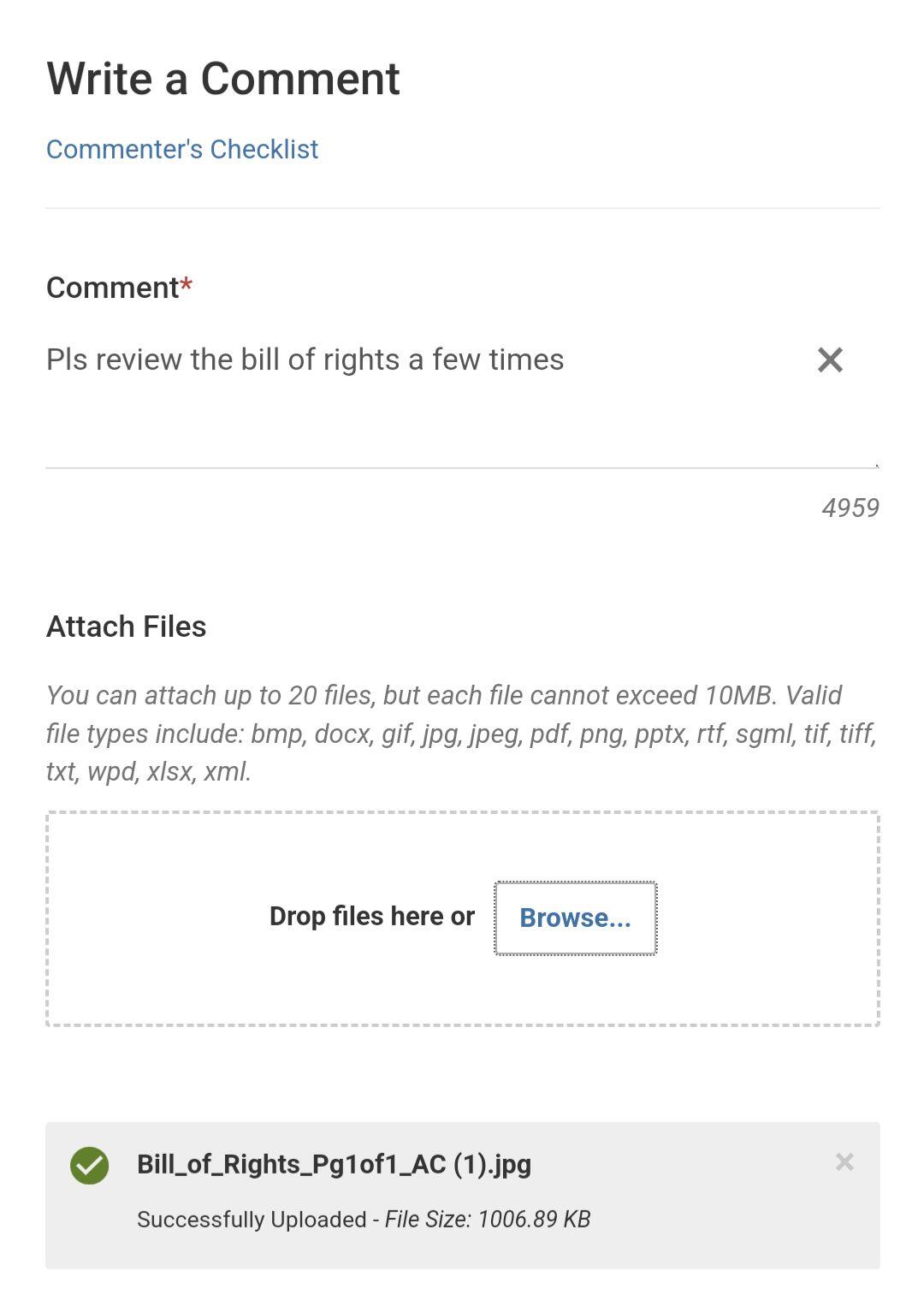
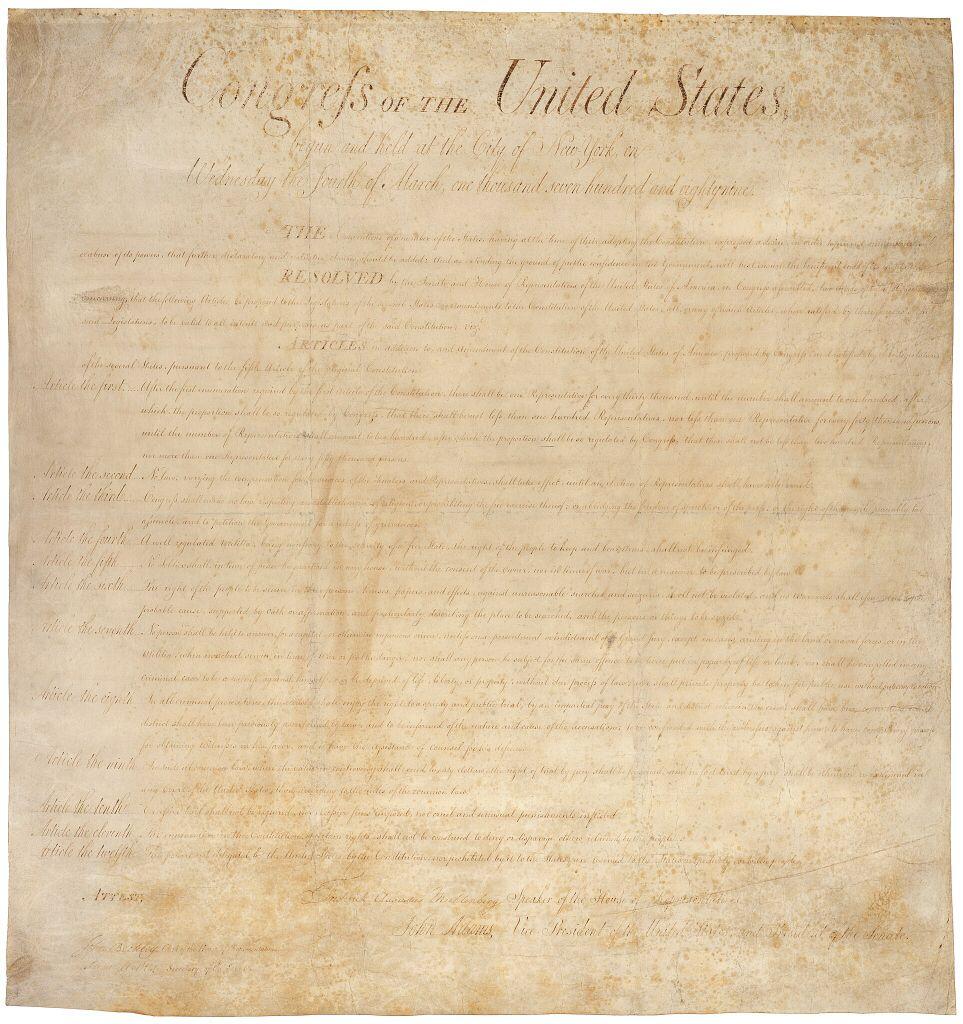
And consider rereading the Bill of Rights.

Sincerely,