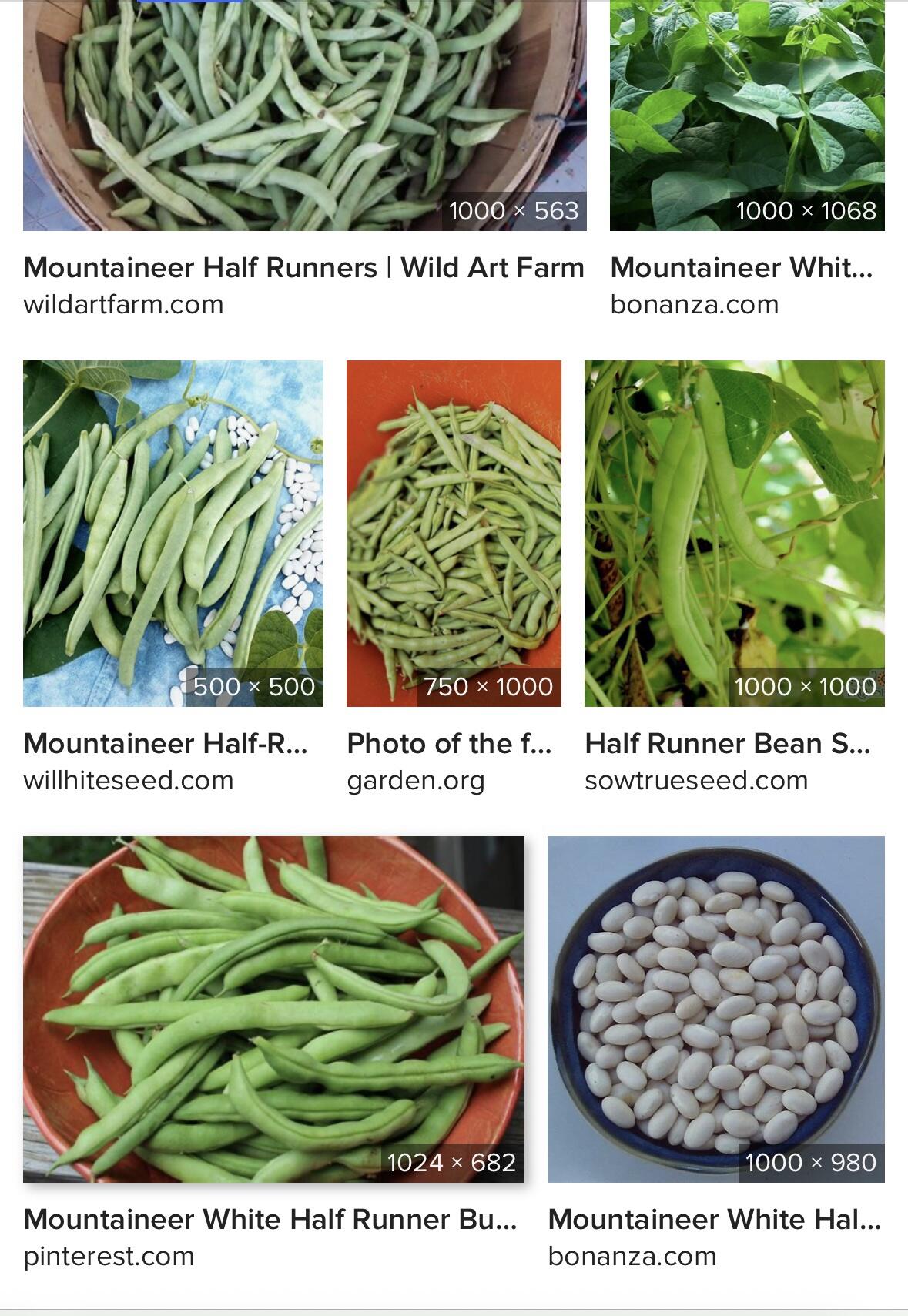
There is a type of green bean that all the old timers/ grandparents in our area would say is “The green bean” you should grow nothing else is worth your time. We call them “half runners” I haven’t found large seed suppliers carry them. But you can buy them at local feed and seed stores in a brown paper bag. I’ve grown these beans and my experience is that they are very tough and chewy. Maybe I’m just bad at growing them. But they are excellent if you are canning or making ham, potatoes, and green bean dishes which are typically cooked for half a day around here. They hold their texture and don’t turn to mush. No one said why the half runners were must have, the older generation just assumed you would be canning.

I don’t know how common potatoes, green beans, and ham is outside of southwest Ohio. Maybe very common? But around here how long that dish is cooked is tied to the expectation you are using half runners. But it’s all unexplained and unspoken.

Reply to this note

Please Login to reply.

Discussion

I've lived in PA, Virginia and Ohio and all 3 do ham, beans and potatoes, I wonder if it's a German settlement thing because the regions I lived in are German dominant. That said, I've never heard of a "half runner," we (both my family and my wife's) always grew bush beans, and I think "Blue Lake" was a common variety.

I may have picked them late? But yeah sounds reasonable. All touching Appalachia as well.

What color are the half runners? Many varieties can have half (semi) runner growth habit

The seeds are white. The bean pod is light green. Plant is green.

Yes I think this must be the case. They vine for 4 to 6 feet. When I first started cracking open seed catalogs I could find pole beans, and bush beans, but where are these half runners I’m supposed to get. The internet says they are an open pollinated mixed lineage from bush and pole beans. But I don’t know if that’s true. I can’t be certain if these are the same but you can search for “mountaineer half runners” they look right.

I love stuff like that 🙂

It’s why I love James Beard cook books. He fills them with stories like this, then recipes.