
When companies are offering loans to buy food, you know we're fucked as a society
Learning Bitcoin pushes you to learn money
thanks Grok for the summary
1976, the British pound sterling faced a crisis that forced the UK government to seek a bailout from the International Monetary Fund (IMF)—a humiliating moment for a major economy. Here’s how it unfolded.
By the mid-1970s, Britain was grappling with economic stagnation, high inflation, and a growing balance-of-payments deficit. Inflation peaked above 24% in 1975, driven by rising oil prices after the 1973 OPEC crisis and strong wage demands from powerful trade unions.
The Labour government, led by Prime Minister James Callaghan, was spending heavily to prop up a welfare state and nationalized industries, but tax revenues couldn’t keep up.
The current account deficit hit £1.5 billion (about 1.5% of GDP), meaning the UK was importing far more than it exported, draining foreign currency reserves.
The pound, already floating since 1972 after leaving the Bretton Woods fixed-exchange system, came under intense pressure. Investors and speculators smelled weakness—Britain’s reserves were shrinking, and its borrowing was ballooning.
Between January and September 1976, the pound slid from $2.02 to below $1.60, a record low.
Sterling’s fall wasn’t just a number; it spooked markets, signaling the UK might not repay its debts, much of which was denominated in dollars.
Callaghan’s government initially resisted IMF help, fearing the loss of sovereignty and the stigma—IMF bailouts were for “developing” nations, not former empires.
But by late 1976, with reserves nearly gone and no one willing to lend more, they had no choice.
In September, Chancellor Denis Healey requested a $3.9 billion loan (about $20 billion today), the largest IMF bailout ever at the time.
The IMF didn’t hand over cash without strings.
They demanded austerity: £2.5 billion in public spending cuts over two years, including slashes to subsidies, health, and education, plus tax hikes and tighter monetary policy.
The logic was to restore confidence, curb inflation (which dropped to 8% by 1978), and stabilize the pound.
Left-wing Labour MPs raged, calling it a betrayal of socialism, but Callaghan pushed it through, famously telling his party conference: “We used to think you could spend your way out of a recession… I tell you in all candour that option no longer exists.”
The bailout worked, sort of.
The pound steadied, climbing back above $1.70 by 1977, and reserves recovered as exports picked up. But the cost was brutal—unemployment rose to 1.6 million, and the cuts fueled public discontent, paving the way for Margaret Thatcher’s 1979 victory.
Some argue the crisis was overblown; the UK’s North Sea oil revenues were about to kick in, and sterling might’ve rebounded without IMF meddling.
Others say the loan bought time and forced discipline.
It was a low point for the pound, exposing Britain’s post-imperial decline.
Yet, it didn’t fail as a currency—it adapted, survived, and remains fiat today.
The 1976 bailout showed how fragile trust in a currency can be, and how fast markets can punish mismanagement.

ifindretards
someone get him on nostr


If you have pronouns in your bio
You're a retard
Having wealth solves problems
Today London Heathrow airport 🛫 closed all day - the busiest runways in the world
The elites have their back up private jets chartered at Northolt aerodrome 10 minutes down the road

what would you call bambi if she was blind?
no idea

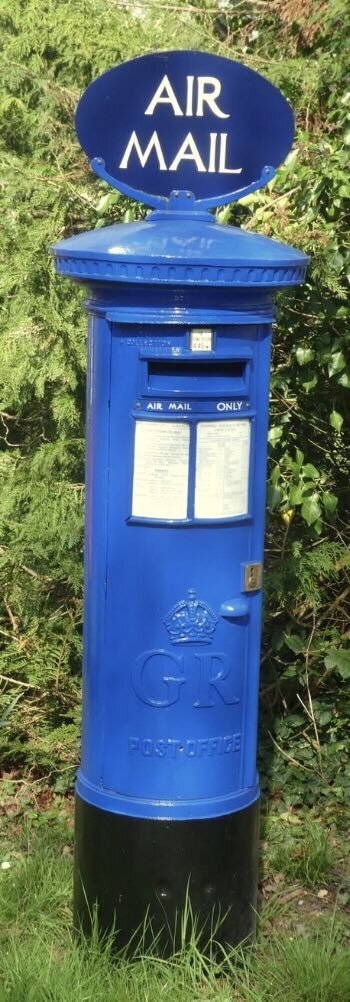
I saw a grey one that was email only
Jack is active today! I've seen at least 5 notes which is a lot

we used to say mums hoovering it up, like hoover was the word
Rektbot is busy
Max pain


UK has got a vendetta against btc atms
shame 😢 😭




You can't go back and buy Bitcoin in the past
But you can start today
You can still change the ending

didn't have Larry Lepard and Joe Carlasare beefing on my bingo card