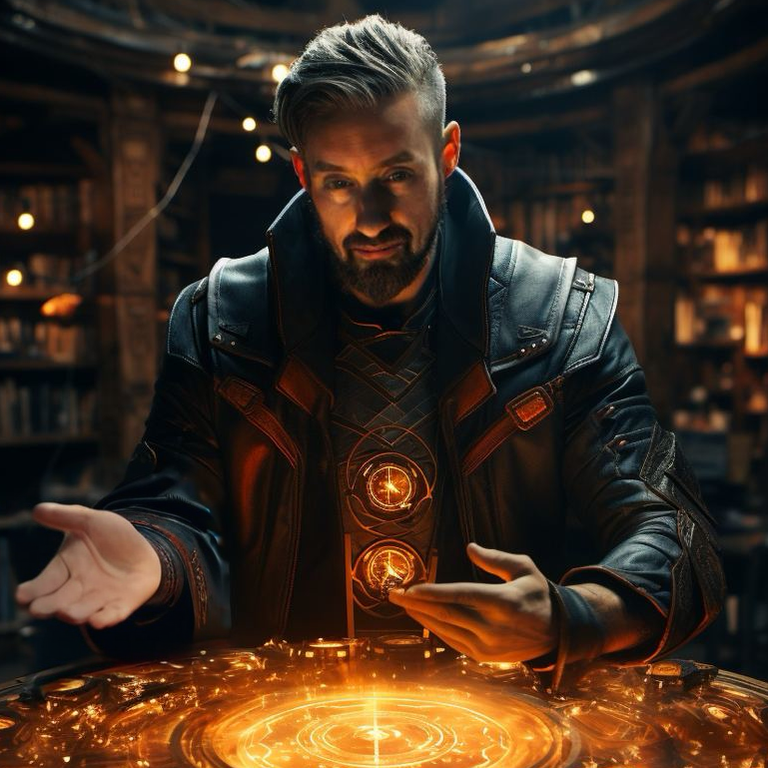
🌊 SURF 'N TURF 🏝️
-THE ISLAND LIFE-

GM from the island 🏝️

Another glorious day for a morning walk and to catch some of natures sunshine rays. ☀️

Something that's so good for your health, free and beneficial for all ages. 🌊

Nature is abundant for all of humanity without prejudice. ☯️

Pura Vida 🏝️

Credits Goes to the respective
Author ✍️/ Photographer📸
🐇 🕳️
#Bitcoin #Satoshis #Freedom #Apocalypse #Music #Movies #Philosophy #Literature
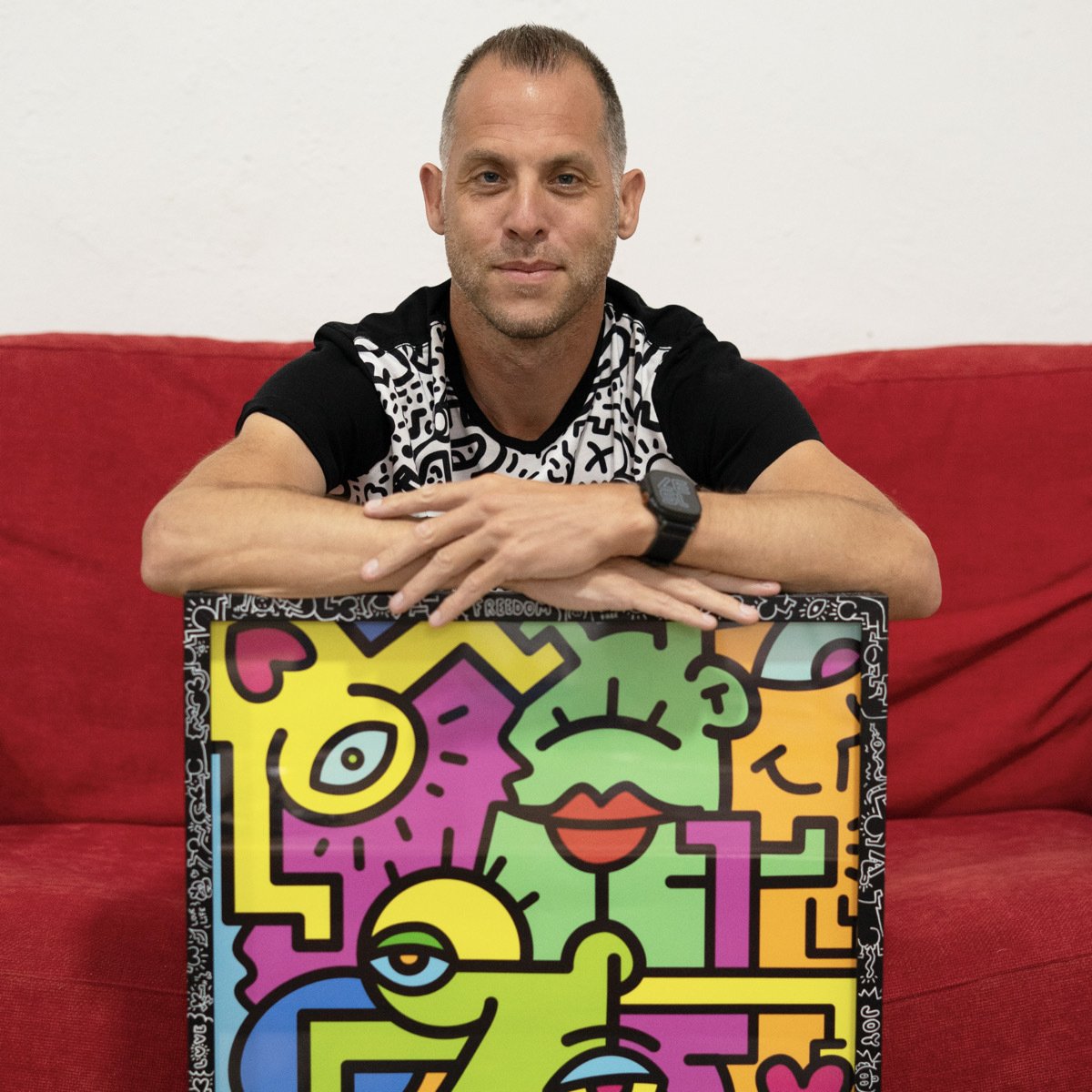
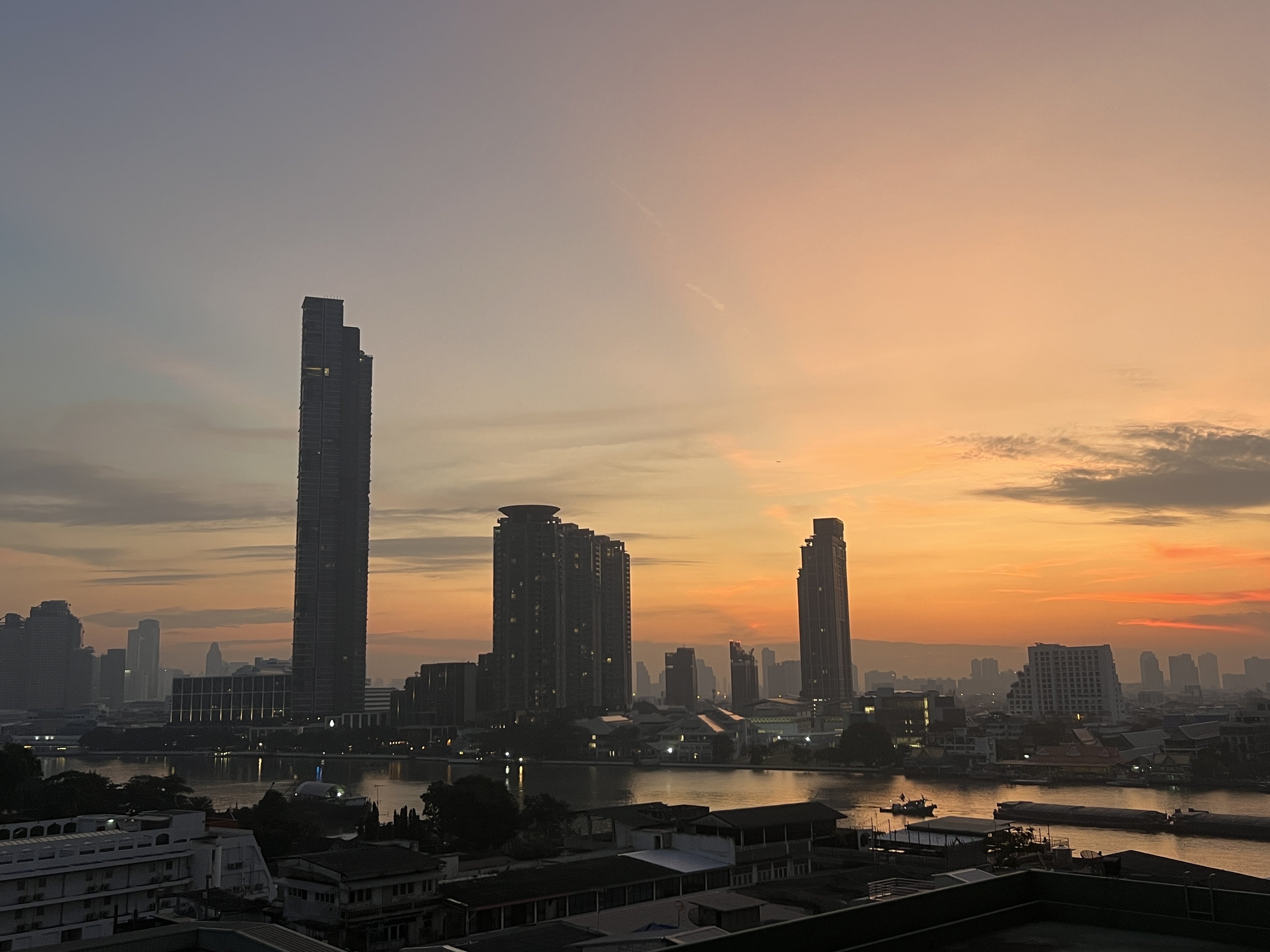
Enjoy the City of Angels 🧡Sawadee krap 🙏
🌊 SURF 'N TURF 🏝️
-THE ISLAND LIFE-

Mistakes Were Made (But Not by Me): Why We Justify Foolish Beliefs, Bad Decisions, and Hurtful Acts by Carol Tavris and Elliot Aronson explores the psychology behind self-justification and cognitive dissonance.
Here are ten lessons from the book:
1. Self-Justification is Natural: Humans have a tendency to justify their actions and beliefs, even when they are wrong. Understanding this phenomenon can help us recognize when we’re engaging in self-deception.
2. Cognitive Dissonance: When our beliefs and actions conflict, we experience cognitive dissonance, a psychological discomfort that motivates us to resolve the inconsistency, often through rationalization.
3. The Power of Commitment: Once we commit to a decision, we are more likely to justify it, even in the face of evidence to the contrary. This commitment can cloud our judgment and lead to poor choices.
4. The Role of Emotions: Emotions play a significant role in our decision-making processes. Recognizing the influence of emotions can help us become more aware of our biases and better assess situations.
5. Avoiding Responsibility: People often shift blame onto others to avoid facing the consequences of their actions. Acknowledging our role in mistakes is essential for personal growth and accountability.
6. The Importance of Openness: Maintaining an open mind and being willing to reconsider our beliefs is crucial for learning and growth. Embracing new evidence can lead to better decision-making.
7. The Illusion of Control: We often overestimate our ability to control outcomes. Acknowledging the limits of our control can help us manage expectations and reduce frustration.
8. Forgiveness and Understanding: Understanding the psychology behind our mistakes and those of others can foster compassion and forgiveness, both for ourselves and for others.
9. The Need for Reflection: Regular self-reflection is important for recognizing our biases and justifications. Taking time to reflect can lead to greater self-awareness and better choices in the future.
10. Learning from Mistakes: Mistakes are an opportunity for growth and learning. Instead of avoiding or denying them, embracing our errors can lead to deeper insights and better decision-making in the future.
These lessons highlight the psychological mechanisms behind self-justification and the importance of self-awareness in recognizing our biases and improving our decision-making processes. The book encourages readers to confront their mistakes honestly and use them as a foundation for personal growth.
Credits Goes to the respective
Author ✍️/ Photographer📸
🐇 🕳️
#Bitcoin #Satoshis #Freedom #Apocalypse #Music #Movies #Philosophy #Literature




🌊 SURF 'N TURF 🏝️
-THE ISLAND LIFE-

Libreria Piccolomini - a majestic library within the Siena Cathedral.
The frescoes adorning the library were painted by Pinturicchio and his workshop between 1503 and 1508.
They celebrate the life and work of Pius II.
Credits Goes to the respective
Author ✍️/ Photographer📸
🐇 🕳️
#Bitcoin #Satoshis #Freedom #Apocalypse #Music #Movies #Philosophy #Literature
🌊 SURF 'N TURF 🏝️
-THE ISLAND LIFE-

John William Waterhouse RA (baptised 6 April 1849 – 10 February 1917)

was an English painter known for working first in the Academic style and for then embracing the Pre-Raphaelite Brotherhood's style and subject matter.

His paintings are known for their depictions of women from both ancient Greek mythology and Arthurian legend.

A high proportion depict a single young and beautiful woman in a historical costume and setting, though there are some ventures into Orientalist painting and genre painting, still mostly featuring women.

Born in Rome to English parents who were both painters, Waterhouse later moved to London, where he enrolled in the Royal Academy of Art Schools.

He soon began exhibiting at their annual summer exhibitions, focusing on the creation of large canvas works depicting scenes from the daily life and mythology of ancient Greece.

Many of his paintings are based on authors such as Homer, Ovid, Shakespeare, Tennyson, or Keats.

Credits Goes to the respective
Author ✍️/ Photographer📸
🐇 🕳️
#Bitcoin #Satoshis #Freedom #Apocalypse #Music #Movies #Philosophy #Literature

Where is the Bitcoin CEO, this needs to be stopped 😂
🌊 SURF 'N TURF 🏝️
-THE ISLAND LIFE-

🇺🇸 House of Pain - Jump Around (1992)
Credits Goes to the respective
Author ✍️/ Photographer📸
🐇 🕳️
#Bitcoin #Satoshis #Freedom #Apocalypse #Music #Movies #Philosophy #Literature



🌊 SURF 'N TURF 🏝️
-THE ISLAND LIFE-

In 1963, a remarkable archaeological discovery was made at the Pyramid of the Sun in Teotihuacan, Mexico, where researchers uncovered an intriguing artifact known as the ""Disk of Death"" or the Disk of Mictlāntēcutli. This ancient piece, originating from the pre-Hispanic period, portrays Mictlāntēcutli, the Aztec deity of death, who governs Mictlān, the underworld as per Aztec mythology.
The disk, made from stone, is adorned with detailed carvings of Mictlāntēcutli's skeletal face, a vivid depiction that highlights his connection to mortality and the afterlife. Both revered and feared, Mictlāntēcutli represents the Aztec understanding of the vital cycles of life, illustrating their deep respect for both existence and death. It is thought that this disk may have been utilized in ceremonial practices or as part of offerings to gods associated with death and the underworld.
Positioned near the renowned Pyramid of the Sun—an essential landmark in Teotihuacan—the location of the Disk of Mictlāntēcutli underscores the intertwined beliefs about life, death, and the cosmos, which are prevalent themes in Mesoamerican cultures. This artifact stands as a significant component of cultural and religious heritage, providing crucial insights into the Aztec worldview regarding death and what lies beyond.
Credits Goes to the respective
Author ✍️/ Photographer📸
🐇 🕳️
#Bitcoin #Satoshis #Freedom #Apocalypse #Music #Movies #Philosophy #Literature
🌊 SURF 'N TURF 🏝️
-THE ISLAND LIFE-

Sanctuary of Our Lady of Remedies (Santuário de Nossa Senhora dos Remédios) located in Lamego, Portugal .
This impressive Baroque-style church is known for its grand staircase, which has 686 steps adorned with beautiful azulejos (traditional Portuguese ceramic tiles) and decorative fountains.
Credits Goes to the respective
Author ✍️/ Photographer📸
🐇 🕳️
#Bitcoin #Satoshis #Freedom #Apocalypse #Music #Movies #Philosophy #Literature