


What kinda pyramid scheme scam are you trying to pull off here? 😂
🌊 SURF 'N TURF 🏝️
-THE BORACAY ISLAND LIFE-


🇸🇬 Singapore - Most Modern & Developed Country in Southeast Asia Region 🏙️🌴


Once part of the Johor Malay Sultanate, Singapore’s history stretches back centuries before British colonization in 1819. From a quiet Malay fishing village under Johor’s rule, it rose to become a vital trading port—and today, one of the world’s most advanced city-states.


Singapore is a global hub for trade, finance, and technology, strategically located along one of the world’s busiest shipping routes. Despite its small size, it contributes to the modern world through innovation, smart city development, world-class education, and diplomacy—proving that a nation’s influence isn’t measured by land, but by vision.


Credits Goes to the respective
Author ✍️/ Photographer📸
🐇 🕳️
#Apocalypse #Music #Movies #Philosophy #Literature #scuba #architecture #art
🌊 SURF 'N TURF 🏝️
-THE BORACAY ISLAND LIFE-


“It’s not that we have a short time to live, but that we waste a lot of it.” - Seneca


Credits Goes to the respective
Author ✍️/ Photographer📸
🐇 🕳️
#Apocalypse #Music #Movies #Philosophy #Literature #scuba #architecture #art
🌊 SURF 'N TURF 🏝️
-THE BORACAY ISLAND LIFE-


Muqarnas is a decorative element used in Islamic architecture and is usually seen in domes, vaults, mihrabs and portal passages. Although its origin is not exactly known, it is thought to have emerged in the Islamic world in the 10th century. It was especially widespread in Abbasid, Seljuk, Mamluk and Ottoman architecture.


10th Century: Muqarnas first becomes apparent in Islamic architecture. It is seen in simple forms in Abbasid works in Iran and Iraq.

11th-12th Century: During the Great Seljuk period (especially in Iran and Anatolia), muqarnas becomes more complex and artistic. It is frequently used in mosques and madrasahs.

13th-15th Century: In Mamluk architecture (Egypt and Syria), muqarnas reaches its peak in stone and woodwork. Complex geometric patterns and stalactite-like forms are prominent.

Ottoman Period (14-19th century): Muqarnas is used in a more elegant and stylized way in Ottoman architecture. It is frequently seen in Sinan's works (Süleymaniye, Selimiye) and palaces (Topkapı).

Modern Period: Muqarnas continues to exist as a decorative element in restoration projects and modern designs as well as in traditional architecture.

Muqarnas is both a structural and decorative art form that reflects the geometric and aesthetic understanding of Islamic architecture.
Credits Goes to the respective
Author ✍️/ Photographer📸
🐇 🕳️
#Apocalypse #Music #Movies #Philosophy #Literature #scuba #architecture #art

That's the way it's being used to keep the masses unsure, confused and never knowing what is truth. It's all by design.
🌊 SURF 'N TURF 🏝️
-THE BORACAY ISLAND LIFE-


City In The Clouds, Dubai, UAE
Photographer: Florian - @djflore [IG]


#archidesiign #architecture #design #travel #photography #europe #asia #dubai #uae
Credits Goes to the respective
Author ✍️/ Photographer📸
🐇 🕳️
#Apocalypse #Music #Movies #Philosophy #Literature #scuba #architecture #art
🌊 SURF 'N TURF 🏝️
-THE BORACAY ISLAND LIFE-

In Star Wars: Episode IV – A New Hope (1977), the crew made Luke Skywalker’s landspeeder appear to hover over Tatooine by mounting angled mirrors on its sides.
These mirrors reflected the desert ground, cleverly hiding the wheels and creating the illusion of a floating speeder—no CGI needed.
Credits Goes to the respective
Author ✍️/ Photographer📸
🐇 🕳️
#Apocalypse #Music #Movies #Philosophy #Literature #scuba #architecture #art

Maybe a mass exodus ? 😂. It has been quiet lately...
🌊 SURF 'N TURF 🏝️
-THE BORACAY ISLAND LIFE-
https://blossom.primal.net/8ddc71a88779c6ec11c5a441c883c676530e7b8dd33bd494853cd1210ece7de2.mp4
The Daily Stoic.
Read aloud daily for you.
25 June 2025.

Bitcoin btc
105,895.08USD
Difficulty
126.41 TH
Block Height
902556

Credits Goes to the respective
Author ✍️/ Photographer📸
🐇 🕳️
#Apocalypse #Music #Movies #Philosophy #Literature #scuba #architecture #art
🌊 SURF 'N TURF 🏝️
-THE BORACAY ISLAND LIFE-

Herbalism for Beginners: How to Get Started
Herbs have long been the backbone of traditional medicine systems, helping people worldwide address common ailments and maintain wellness.
But here's something that might surprise you – according to the World Health Organization, about 80% of the global population still relies on plant-based medicine to support their health.
Whether you're curious about healthier alternatives, looking to deepen your connection to nature, or just want to add something useful and green to your home, herbalism is a brilliant place to start.

Table Of Contents
What is Herbalism?
The Importance of Herbalism in Modern Times
Getting Started With Herbalism
Tools and Supplies You’ll Need
Top 15 Herbs to Add to Your Apothecary
Best Herbal Remedies to Make
Safety Tips for Herbalism
7 Mistakes to Avoid on Your Herbalism Journey
Final Thoughts
What is Herbalism?
At its core, herbalism is the study and use of plants to promote health and treat minor ailments. Think of it as nature’s pharmacy, using the leaves, flowers, roots, and seeds of plants to create remedies that benefit your body, mind, and soul.
Where modern medicine often works to combat specific illnesses, herbalism takes a broader, more holistic approach, focusing on supporting your body’s natural healing systems and overall well-being.
Herbalism is nothing new. It’s been practiced for centuries and is deeply ingrained in traditional systems of medicine. For example:
Ayurveda (a traditional practice from India): Known for its use of herbs like turmeric, ashwagandha, and neem to address everything from digestion to mental clarity.
Traditional Chinese Medicine (TCM): Incorporates herbs like ginseng and licorice root to balance energy or “qi” in the body.
Western Herbalism: Common herbs like chamomile, lavender, and peppermint have centuries-old roots in European traditions and are still widely popular today.
No matter the system, herbalism bridges the gap between ancient wisdom and modern science by offering natural ways to care for your health.
The Importance of Herbalism in Modern Times
With so much technology and a whole host of pharmaceuticals you can turn to, why exactly is there a resurging interest among health enthusiasts in age-old plant remedies? Because herbalism complements modern medicine without replacing it.
Instead of focusing only on treating symptoms, herbalism helps support long-term wellness while reducing reliance on synthetic drugs.
Modern consumers are much more conscious of what they’re putting in and on their bodies. When you look at a plant-based remedy, you can identify the ingredients – no mysterious additives, no unnecessary fillers. Plus, using herbal remedies supports agricultural sustainability and reduces your environmental footprint.
Some of the most common herbs, like chamomile (for stress relief), ginger (for soothing an upset stomach), and holy basil (for supporting energy levels), provide simple solutions to your everyday struggles in ways that feel accessible, safe, and approachable. Many herbs can even bring about emotional or mental clarity without significant side effects.
Getting Started With Herbalism
Dried Herbs and Infusion Bottles
Starting with herbalism doesn’t have to be overwhelming. You don’t need to memorize hundreds of plants or become an expert overnight! Instead, work your way up with these simple steps:
1. Begin with Easy-to-Use Herbs
Start small by incorporating beginner-friendly herbs that are versatile and widely available. We’ll give you a more comprehensive list below, but some excellent options to consider as you’re first getting started include:
Peppermint for digestion and headaches
Chamomile for relaxation and better sleep
Ginger for nausea and circulatory health
Lavender for calmness and skin irritation
These herbs are easy to both find and use, making them perfect for beginners who are just learning the ropes.
2. Invest Time in Research
Not all advice is created equal, especially in the world of herbalism. Stick to trusted sources like published books, accredited online courses, and reputable herbalists. Avoid falling into the trap of social media myths where misinformation often spreads quickly.
3. Try Herbal Teas First
Herbal teas are one of the easiest and safest ways to explore the world of herbal remedies and get your feet wet. There’s no intimidating process – just steep herbs in hot water and enjoy!
Many herbs, including mint, chamomile, and hibiscus, are widely available as tea bags or loose-leaf blends. You can start experimenting to get an idea of the ones you like before making your own remedies.
4. Craft a Home Herb Garden
Why not grow your own healing supply? Starting a small herb garden is not only rewarding but also practical. You don’t need a massive backyard to do this – a small windowsill or balcony works perfectly.
Grow beginner herbs like basil, thyme, and parsley since they’re easy to care for and double as cooking ingredients!
5. Connect With Professionals
Although herbalism is a natural practice, it’s important to remember that some herbs may interact with medications or cause allergies. Working with a trained herbalist or taking a formal course is well worth the investment to make sure you’re using herbs safely and effectively.
6. Take It Slow and Be Patient
Like any new habit, learning herbalism takes time. Rather than rushing to try dozens of remedies at once, start with a few herbs and slowly build your knowledge.
Track your experiences in a journal, noting how certain plants work for you. Over time, you’ll build a practical skill set and a deeper appreciation for the plants around you.

Tools and Supplies You’ll Need
Apothecary Supplies
Before you jump into your first project, gathering your tools and supplies ahead of time will make the entire process go smoother. Here’s a list of the basics:
Cooking Pot & Double Boiler: A small to medium-sized pot paired with a double boiler is perfect for making herbal preparations like infusions or infused oils. A 2-cup version works well for crafting small-batch herbal remedies.
Heatproof Glass Measuring Cups & Metal Spoons: Precision matters when you’re measuring out your herbs and oils. Heatproof glass cups will ensure safety, while a complete set of metal measuring spoons will give you accurate measurements.
Cheesecloth for Straining: Cheesecloth is an invaluable tool for separating plant matter from liquid when you’re making tinctures, syrups, or infused oils.
Mixing Bowls and a Hand Mixer: If you plan to whip up more elaborate products, like body butters or creams, these will come in handy.
Funnels & Spatulas: Stainless steel funnels make bottling products easy, and rubber spatulas ensure you don’t waste a single drop of your formulations.
Containers: You’ll need glass jars, tins, or upcycled containers to store your finished products. Avoid plastic, as contaminants can leach into your finished herbal remedies.
Top 15 Herbs to Add to Your Apothecary
Once your tools are ready, it’s time to stock up on some herbs. These 15 beginner-friendly herbs are versatile, effective, and easy to use in a variety of preparations.

1. Chamomile
Chamomile Flowers
Known for its calming properties, chamomile is a go-to for soothing anxiety, promoting better sleep, and even easing digestive discomfort. It’s perfect for teas, infused oils, or even a gentle skin toner.

2. Calendula
Calendula Flowers and Oil
Calendula is a skin-loving herb famous for its anti-inflammatory and antimicrobial properties. Use it in salves to soothe cuts, burns, or irritated skin, or infuse it into oils for a multipurpose base.

3. Lavender
Lavender Dried Flowers
Lavender’s relaxing aroma is just the beginning. It’s also antifungal and calming for the skin. You can add dried lavender to bath salts, or use it in soothing balms and DIY sachets.

4. Lemon Balm
Lemon Balm Herb
A mood booster and stress reliever, lemon balm also holds antiviral properties. Brew it as a tea for its uplifting effects, or include it in salves designed to tackle cold sores.

5. Ginger Root
Ginger Root in Grow Bag
Ginger root is packed with anti-inflammatory and digestive-boosting benefits. Turn it into tea for an upset stomach, or infuse it with honey for a sweet and spicy immune booster.

6. Elderberry and Elderflower
Elderberry Jam in Jar
Elderberry is renowned for bolstering the immune system, while elderflower offers relief for sinus congestion. Both can be used in syrups or teas to keep colds at bay.

7. Dandelion (Leaf and Root)
Dandelion Flowers Up Close
Don’t underestimate this backyard plant. The leaves support liver health and work wonders in salads or teas. The roots shine in detoxifying teas or roasted to mimic a coffee substitute.

8. Peppermint
Peppermint Growing in Garden
Peppermint is your digestive system’s best friend, alleviating bloating and nausea. Brew it as a tea or integrate it into a salve for a refreshing cooling effect.

9. Holy Basil
Holy Basil Tree Up Close
Also called Tulsi, holy basil brings adaptogenic properties, helping your body adapt to stress. It’s great in teas, tinctures, or even in culinary dishes.

10. Oregano
Oregano Leaves
A kitchen staple and a medicinal powerhouse. Oregano is antibacterial and antiviral, making it ideal for a steam inhalation or a herbal-infused honey.

11. Thyme
Thyme Plant Leaves
Thyme is excellent for respiratory health and has antiseptic properties. Use it for teas, in cooking, or as an infused oil for chest rubs.

12. Garlic
Garlic Plant in Garden
This pantry hero is packed with immune-boosting and antimicrobial properties. Create herbal-infused oils, medicinal syrups, or incorporate it fresh into your meals.

13. Nettles
Nettle Stems in Garden
Full of vitamins and minerals, nettles are particularly valued for supporting fertility and bone health. Enjoy it as a tea, or use it in soups for added nutrition.

14. Sage
Sage Plant Up Close
A natural antimicrobial, sage is great for warding off colds or as a digestive aid. Make it into a tea or use dried leaves as a smudge stick.

15. Turmeric
Turmeric is famous for its anti-inflammatory benefits. Use it in teas, “golden milk,” or infuse it into oils for topical use.
Best Herbal Remedies to Make
Here are a few popular methods you can start with:
Salves
Salves are an excellent starting point for herbalism. They’re essentially ointments made by infusing herbs into oils and then adding beeswax to create a soothing topical application.
For example, a calendula salve is perfect for dry or irritated skin. Simply infuse dried calendula flowers in olive oil, strain, and then mix with melted beeswax. Store it in a small tin or jar, and it’s ready to apply wherever needed.
Infusions
An infusion is similar to tea but often involves steeping herbs for a longer period to extract their full benefits. Start with herbs like chamomile, nettle, or peppermint.
Add a tablespoon of dried herbs to a cup of hot water, steep for 10-15 minutes (or longer for stronger infusions), strain, and enjoy. Infusions are great for relaxation, boosting energy, or easing digestion, depending on the herb.
Poultices
Poultices are soft, moist herbal pastes applied directly to the skin to help with swelling, bruises, or minor wounds.
To create a poultice, crush fresh herbs (like comfrey or plantain) and mix them with a small amount of warm water to form a paste. Apply it directly to the affected area and cover it with a clean cloth. This simple remedy has been used for centuries and is incredibly effective in providing localized relief.
Safety Tips for Herbalism
Before you start clipping away in your herb garden or bulk-order dried herbs, you need to keep safety in mind – it’s not something to relegate to the back burner!
Here are a few tips to make sure your herbalist experience is both effective and risk-free.
Know Your Herbs
Study your herbs before using them. Not all plants are safe for internal or external use, and some may even be toxic. Look for reliable resources, such as herbal medicine books or trusted websites, to learn about the properties and uses of specific plants.
When in doubt, consult an experienced herbalist for guidance.
Start Slow
It’s tempting to experiment with all your newfound herbal knowledge at once, but starting slowly is key. Begin with one or two herbs at a time to see how your body reacts. This also helps you clearly identify which herbs are most beneficial for your needs.
Check for Allergies
Just like with foods, herbs can cause allergic reactions in some people. Perform a patch test before applying a remedy to your skin for the first time. For teas or infusions, start with a small amount to ensure no adverse reactions.
Use Quality Ingredients
Choose high-quality, organic herbs free from pesticides and chemicals. Whether you grow them yourself or purchase them from trusted suppliers, quality matters when it comes to creating effective herbal remedies.
Be Mindful of Dosages
Herbs are powerful and should be used responsibly. Follow recommended dosages and avoid overusing any one herb, as this may lead to unwanted side effects. Remember, more is not always better.
Understand Interactions
If you’re taking medications, note that some herbs can interact with them. For instance, St. John’s Wort can interfere with certain medications like antidepressants and birth control pills. If you’re unsure, consult with a healthcare provider to avoid potential complications.
Practice Proper Hygiene
When making herbal remedies, cleanliness is crucial. Sterilize containers and tools, wash your hands, and store your preparations properly to prevent contamination.
7 Mistakes to Avoid on Your Herbalism Journey
Apothecary Jars
While herbalism is an enjoyable and rewarding practice, beginners can stumble into common pitfalls. Avoid these mistakes to make your experience more successful.
1. Relying on Hearsay
It’s easy to fall for informal advice or claims about an herb’s benefits, especially on social media. Always double-check information with well-researched sources or trusted experts. What works for one person might not work for another, so base your practice on reliable evidence.
2. Using Too Many Herbs at Once
It’s a common mistake to overload your remedies with too many ingredients, thinking it will enhance their effectiveness. Instead, focus on simple, single-ingredient remedies or a minimal combination to better understand how each herb works for you.
3. Neglecting to Identify Plants Properly
If you’re harvesting your own herbs, ensure you can correctly identify them. Some plants have toxic look-alikes that could cause harm. Invest in a good field guide or take a plant identification course to sharpen your skills.
4. Not Considering Sustainability
While it’s wonderful to use nature’s gifts, some herbs are at risk of overharvesting. Be mindful of your impact by sourcing from sustainable suppliers, growing your own plants, or choosing alternatives when necessary.
5. Ignoring Expiration Dates
Even dried herbs and homemade remedies have a shelf life. Using old, stale herbs may reduce the potency of your remedies. Label your creations with the date they were made and follow proper storage guidelines to keep them as fresh as possible.
6. Forgetting to Keep Records
Maintaining a herbalism journal is invaluable. Record the herbs you’ve used, the recipes you’ve tried, and how they’ve worked for you. This habit not only helps you refine your practice but also prevents you from repeating mistakes.
7. Overlooking Guidance
While trial and error is part of learning, don’t shy away from seeking expert advice. Whether it’s a professional herbalist, a workshop, or an online course, tapping into experienced knowledge will help you avoid unnecessary errors and expand your understanding.
Final Thoughts
Getting started with herbalism is about more than just taking chamomile tea before bed. It reconnects you with traditions that have supported human health for centuries. You’ll gain a deeper respect for natural remedies, develop a slower, mindful approach to wellness, and expand the tools at your disposal to care for yourself and your family.
Herbs have been quietly offering their support for generations. With just a little effort, you can unlock their benefits and welcome a wealth of health and harmony into your life.
Whether you’re sipping peppermint tea for digestion or growing lavender on your windowsill, the world of herbalism invites you to take that first step. Who knows? It might just be the most rewarding habit you’ll adopt this year.
Credits Goes to the respective
Author ✍️/ Photographer📸
🐇 🕳️
#Apocalypse #Music #Movies #Philosophy #Literature #scuba #architecture #art
🌊 SURF 'N TURF 🏝️
-THE BORACAY ISLAND LIFE-


Canadian artist Daniel Barkley paints raw, emotionally charged scenes that blend myth, vulnerability, and the human spirit.


His figures seem to ache, inviting us into deep reflection and timeless storytelling.


@danielbarkleyart
Credits Goes to the respective
Author ✍️/ Photographer📸
🐇 🕳️
#Apocalypse #Music #Movies #Philosophy #Literature #scuba #architecture #art
🌊 SURF 'N TURF 🏝️
-THE BORACAY ISLAND LIFE-


Credits Goes to the respective
Author ✍️/ Photographer📸
🐇 🕳️
#Apocalypse #Music #Movies #Philosophy #Literature #scuba #architecture #art
🌊 SURF 'N TURF 🏝️
-THE BORACAY ISLAND LIFE-

23 Best Herbs to Have When Modern Medicine is Gone.
As someone seeking to live a more sustainable lifestyle, you already know the benefits of growing your own food. But have you also considered growing plants for medicinal purposes?
For thousands of years, people have been growing medicinal herbs to treat disease and to maintain physical and mental health. In modern times, many prescription and over-the-counter remedies are derived from botanical sources.
One of the primary advantages of growing your own medicinal herbs is that you can ensure they are free from pesticides and other chemicals. Another is the cost savings of simply clipping what you need for an herbal treatment rather than purchasing a product at the store.
Still, another benefit is the peace of mind you can have knowing that you can treat many common injuries and ailments at home in the event supply chains falter or pharmacies close during a crisis. This article offers an alphabetical list of some of the best herbs to grow for medicinal purposes and how you can use them.
1. Bee Balm
Bee balm (Bergamot or Monarda) has anti-viral, anti-bacterial, and anti-fungal fungal properties. Native Americans used it to treat fevers, congestion, coughs, infections, sore throat, and insect and snake bites.
It also soothes the stomach and can ease stomach cramps. Here's more on growing bee balm in your garden.
2. Calendula
You can make a healing oil or tea with calendula (also called pot marigold), which features beautiful flowers that attract pollinators.
You can treat minor burns and skin irritations, including diaper rash, and superficial wounds with this anti-fungal herb. Here's information on growing calendula.
3. Chamomile
Chamomile is often used in tea for its relaxing and sleep-inducing properties. You also can use this herb to help heal wounds and reduce swelling and inflammation.
You can also use chamomile to treat stomach upset, gas pain, and conjunctivitis and to help reduce a fever. This medicinal herb is easy to grow – here are some tips.
4. Dill
You may only think of dill for its distinctive flavor in foods such as deviled eggs and, well, dill pickles, but you can also use it for healing purposes.
You can use dill to help treat upset stomach, bloating, and menstrual cramps. This medicinal herb is an excellent source of vitamins A and C, calcium, and iron. Here is a guide for growing dill
5. Echinacea
Echinacea has been used for many centuries to treat cold and flu symptoms. It also may help boost the immune system and aid in wound healing.
The echinacea plant features bold flowers that attract pollinators and provide a lovely addition to your garden. Here is how to grow echinacea.
6. Feverfew
As its name implies, feverfew is used to treat fevers, but it also helps ease headaches, migraines, arthritis pain, mouth ulcers, and digestive issues. Here is how to grow feverfew, which is part of the daisy family.
7. Garlic
You know that garlic adds flavor and nutrition to many of your favorite recipes. But you also can use it for medicinal purposes.
Garlic has antibiotic, anti-fungal, and anti-viral properties and can be used to treat colds and flu symptoms, skin infections, and tooth abscesses. It also has bene linked with lower blood pressure and cholesterol levels.
8. Ginger
Ginger has a well-deserved reputation for helping ease motion sickness and nausea, including nausea related to pregnancy or chemotherapy treatments.
Ginger has anti-inflammatory and antioxidant properties. Here is what you need to know to start growing ginger.
9. Ginkgo
Herbalists use extract from ginkgo leaves to treat fatigue, asthma, bronchitis, and tinnitus.
Some studies also link the use of gingko (ginkgo biloba), which has a long history in ancient Chinese medicine, with improved memory. Here's more on this ancient medicinal plant.
10. Ginseng
The medicinal benefits of using ginseng include increasing energy, lowering cholesterol and blood sugar levels, and reducing stress. It also may help fight inflammation and swelling.
Here is a beginner's guide to growing and harvesting ginseng, long a part of Ancient Chinese and other Asian medicinal treatments.
11. Goldenseal
Goldenseal is often used to help ease eye and skin irritation, diarrhea, canker sores, urinary tract infections, and vaginitis. Here is information on how to grow goldenseal in your home garden.
12. Hollyhocks
If you're looking for a home-grown sore throat remedy, you might want to consider hollyhocks. As a mucilaginous herb, hollyhocks also help treat stomach upset, rashes, and other skin irritations.
Take a look at this article for tips for growing hollyhocks, and here's more on the medicinal benefits of these flowers.
13. Horseradish
Known for the spicy kick it gives as a dip for meat dishes, horseradish also can be used for medicinal purposes. For example, herbalists use this plant's root to treat sinus, bronchial infections, and urinary tract infections. This article describes how to grow horseradish in your home garden.
14. Lavender
This perennial herb is as helpful as it is lovely to look at and smell. Lavender, which can be used as is or in an extract or tea, has anti-inflammatory and antioxidant properties. Here are some of the many medicinal benefits of lavender:
Promote sleep
Boost mood
Relieve menstrual pain
Reduce colic
Kill some viruses and bacteria
Aid in wound healing
15. Lemon Balm
A member of the mint family, lemon balm is a helpful addition to your garden, especially as it is gentle enough for children. This article offers tips on growing lemon balm at home.
Here are some of the benefits of lemon balm as a medicinal herb:
Reduces fever
Calms cough
Relieves congestion
Calms nerves
Promotes sleep
Eases stomach upset
16. Milk thistle
Herbalists have used milk thistle to help treat liver and gall bladder problems and lower high cholesterol. It also is used to treat viral hepatitis. Watch this video for information on growing and harvesting milk thistle in your home garden.
17. Oregano
This flavorful and nutritious herb is a perfect addition to many Italian recipes, but it also has the added benefit of having anti-viral, anti-fungal, and antioxidant properties.
You can grow oregano indoors on a sunny windowsill or outdoors in a container or garden bed. Here is a guide for growing and harvesting oregano.
18. Peppermint
Peppermint can help treat all kinds of stomach upsets, including motion sickness. It also can help soothe frayed nerves and headaches and open congested sinus passages.
Like other members of the mint family, peppermint can take over your garden if you're not careful. You can solve this problem by planting it in a container.
19. Sage
Sage leaves add flavor to many recipes and can also offer many health benefits. Simply chewing fresh sage leaves can help ease pain from a toothache, sore throat, or mouth sore. Here are tips for growing sage in your home garden.
20. St. John's wort
St. John's wort, which boasts yellow star-shaped flowers, may help regulate mild mood disorders as well as some of the symptoms of menopause. This cheery plant works well as an attractive and easy-to-care-for ground cover in the home garden.
21. Tulsi
Also known as holy basil, tulsi can help reduce stress and improve mental focus. The plant may also help lower blood sugar and “bad cholesterol” and decrease inflammation in the body.
Watch this video for tips on growing and harvesting this helpful herb.
22. Valerian
The root from the valerian plant may help reduce stress and anxiety and allow you to sleep better. Here is how to grow this hardy, perennial plant.
23. Yarrow
Yarrow can be used to treat a host of health and medical issues, including fever, common cold symptoms, diarrhea, minor wounds, hay fever, stomach upset, and toothache. Here is a guide for growing this bright yellow flowering medicinal plant.
How to Use Herbs Safely for Medicinal Purposes
Before you start using your home-grown herbs – or any herbs – as medicine, it is important to educate yourself.
For example, some herbs may negatively interact with other medicines you are taking or be harmful when taken in high doses or when other conditions are present.
Talk with your healthcare provider about any risks or side effects that are particular to your family. Also, let any healthcare provider know that you are using herbal medicines when you seek other treatments.
When determining what medicinal herbs to grow, consider the health needs of your family and the garden space you have. Check seed packets for light, water, and soil requirements. Some herbs are perennials, meaning they'll come back year after year, while others are annuals.
You'll also want to think about the part of the plant you need to make any medicine. For some plants, you need only to snip the leaves. However, with others, you must harvest the root. You'll want to be aware of the location of these plants so that you do not disturb other plants growing nearby.
Here are some additional resources to help you plan your medicinal herb garden.
Medicinal Herbs: A Beginner's Guide by Rosemary Gladstar
The Medicinal Garden by Anne McIntyre
Grow Your Own Medicine by Ava Green and Kate Bensinger
The Beginner's Guide to Medicinal Plants by Amber Robinson, PhD
Forget The Pharmacy by Jenni Rempel
The Herbal Medicine-Maker's Handbook by James Green
Credits Goes to the respective
Author ✍️/ Photographer📸
🐇 🕳️
#Apocalypse #Music #Movies #Philosophy #Literature #scuba #architecture #art

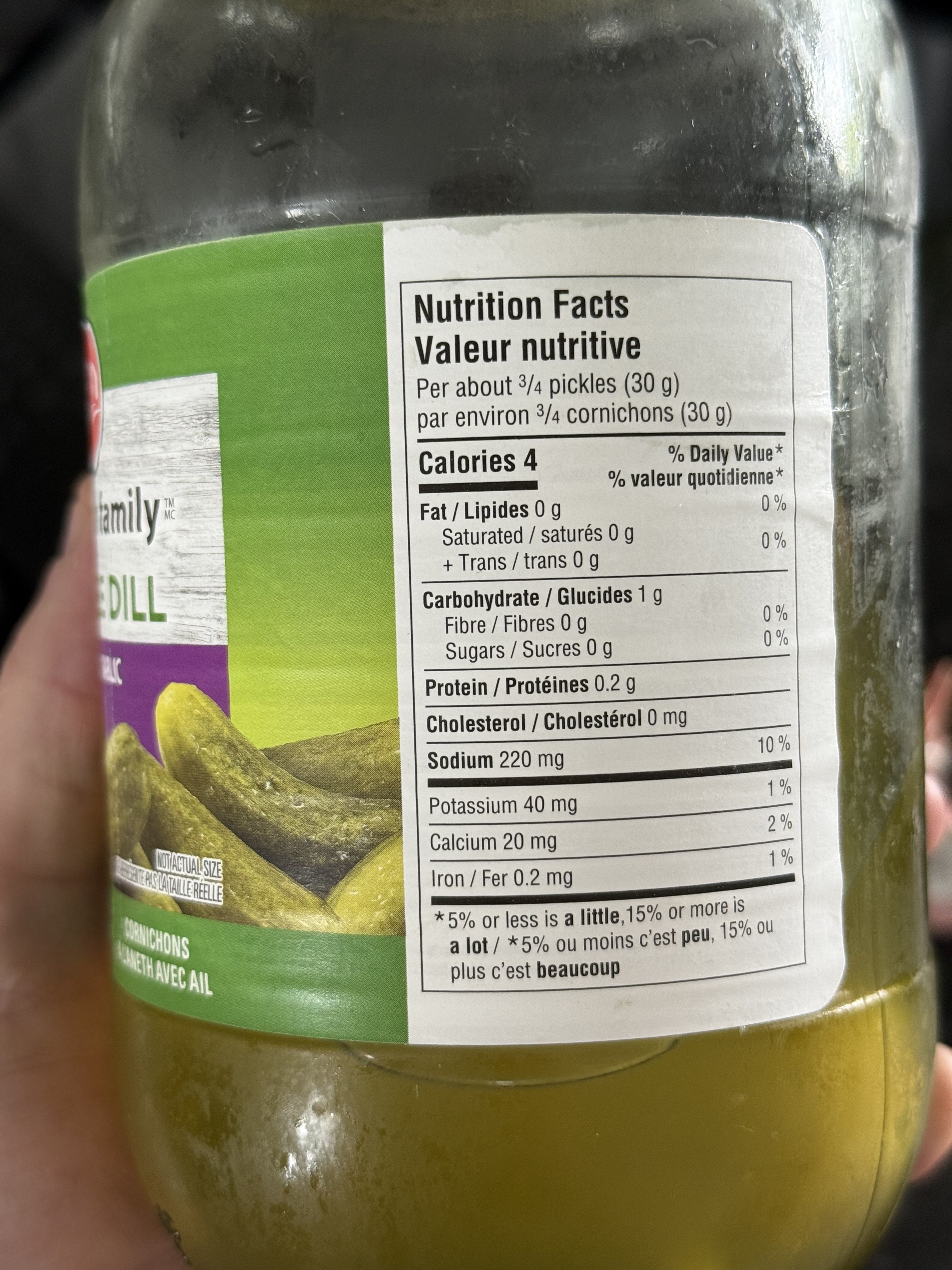
That's a big deficit. Pickles are a great snack for sure. Good luck with that 💪 🧡
🌊 SURF 'N TURF 🏝️
-THE BORACAY ISLAND LIFE-

15 Off-Grid Supplies That Will Soon Be Worth Their Weight In Gold.
When it comes to survival situations, the ability to estimate what the future will hold is a practical and often life-saving skill. There are plenty of necessities needed to ensure that you and your family remain safe even when SHTF. The reliance on power, water access, and fuel is often null and void when it comes to actual survival.
Stockpiling off-grid supplies, those items that don't require provided energy connections to function, are a great way to keep your family safe in the future. While some of these items may seem trivial today, they would be valuable in a life-or-death situation.
Keep reading to find out which off-grid supplies will be worth their weight in gold one day.
1. Ammunition
Many homesteaders and homeowners alike have access to a firearm within their homes. Stocking up on ammunition is always a good thing because you never know when or if the use of ammunition or firearms will be regulated.
It is essential to stock up on ammunition that you use for your own guns, as well as others that you could trade in an emergency situation. Always store ammunition in a secure safe where children and strangers can't access it.
2. Baking Soda
Another easy supply to stockpile is baking soda. This natural neutralizing powder has many uses when wanting to be self-sufficient and off the grid.
Baking soda can help clean pipes, drains, and hard surfaces mixed with a bit of water. It also has medical properties like helping to relieve heartburn and disinfecting raw fruit and vegetables. Baking soda can also help put out a fire in an emergency.
3. Bleach
Another great item to stockpile is bleach. Not only is bleach a natural disinfectant, but it can also help sterilize water and kill germs and bacteria. Bleach is a cheap supply now but could very well be a hot commodity in the future.
The recent pandemic showed us all how vital bleach is in disinfection and keeping people safe from disease. Add bottles of bleach to your supply as a necessary off-grid item.
4. Dryer Lint
Although this supply doesn't weigh a lot, it would definitely be worth its weight in gold in a survival situation. The dryer lint you collect from the dryer screen is an easy way to start a fire and is highly flammable.
Start collecting dryer lint after every few laundry cycles to store away as a helpful fire starter. Store collected lint in a glass jar or container to keep it dry and safe from flames until you need it to start a fire.
5. Duct Tape
Another useful off-grid supply is duct tape. This supply is hard to reproduce in a survival situation, making it quite valuable. You can use duct tape to secure fabric or curtains around windows as well as wrap a splinted leg or arm after an accident.
It also helps to secure or cover holes within a shelter. Duct tape also is quite helpful when trying to fix a pipe or rig up a contraption that you may need in an emergency. It stores well, doesn't spoil, and is easy to add to your stockpile.
6. Flint and Steel
While matches are helpful during an emergency, you will want to rely on a reusable fire source instead of a one-and-done option. Flint and steel is an easy tool to have in your stockpile that should always provide a spark with a quick strike. Store a few of them throughout your supply so that you always have one on hand.
7. Hydrogen Peroxide
This emergency supply staple is critical to have in your first aid kit. Hydrogen peroxide is a great option to clean cuts, wounds, or scraps on both people and livestock. It disinfects wounds that could escalate into a major medical emergency or infection.
Hydrogen peroxide is relatively easy to access, and purchasing large bottles of it is a great way to keep your family safe in the future.
8. Lighters
Fire is essential—whether for warmth, cooking, or sterilization—and lighters are quick, easy, and intuitive to use. Stockpiling dozens of disposable lighters is a cheap insurance policy and they make excellent trade goods.
9. Liquor
Storing bottles of liquor in an emergency has plenty of uses as well. While alcohol could help calm your nerves, it also is a natural painkiller after an accident or sickness. Liquor is flammable, making it an option to help start a fire if needed.
It also is a natural disinfectant for cuts and scrapes to kill bacteria. Liquor doesn't go bad and is easy to store in glass bottles.
10. Painkillers
Everyone should have a good amount of first aid and medical supplies within their home. Painkillers are part of a well-stocked first aid kit, and while they do expire and diminish in potency, you can use the medicine in an emergency situation if needed.
Make sure to stock multiple types of adult and children's painkillers to ensure that everyone in the family is covered when it comes to killing pain in a survival situation.
11. Salt
We all need salt in our diets to help maintain proper body function. Salt is one of those supplies that you may not think about until it is too late. Stockpiling salt is a great way to ensure that your family's diet is healthy even off the grid.
Salt without any added ingredients doesn't expire, making it a great option to store away in the stockpile. There are also plenty of uses for salt, like killing poisonous plants, repelling insects, and even putting out a grease fire.
12. Sewing Needles & Thread
Clothing wears out, and in a world without mass production, repairing garments becomes a necessity. Needles are small, easy to store, and irreplaceable if lost. A variety of threads (cotton, nylon, heavy-duty) would make this kit even more valuable.
13. Trash Bags
You may think that trash bags have little to no use in a survival situation. However, when you think of the many ways you can use a trash bag (other than gathering trash), you begin to see the value of this off-grid supply.
The function of a trash bag is to keep things contained and to keep things out. Use this supply to shield yourself from rain as a poncho, wrap-around worn shoes for protection, or draped across windows as blackout curtains.
Trash bags also can help keep the body warm in an emergency and protect food from predators. Stockpiling a few boxes of trash bags is an easy way to prepare for survival.
14. Vinegar
As a natural cleaner, the acidity of vinegar makes it very useful. Vinegar can be used to clean up messes as well as disinfect germs and bacteria. It also can help preserve food by pickling fruits and vegetables to use for later. Stockpiling multiple varieties of vinegar, like apple cider and white, is a great idea.
15. Water Purification Tablets
Lightweight and compact, these tablets can save lives by making questionable water sources drinkable. They're great to have alongside bleach and filters as part of a multi-layer water safety plan.
Conclusion
All of these off-grid supplies are an essential part of any emergency stockpile. Not only can they help ensure that your family is safe, but they also provide many uses for those families who prefer to use off-grid options as well.
Credits Goes to the respective
Author ✍️/ Photographer📸
🐇 🕳️
#Apocalypse #Music #Movies #Philosophy #Literature #scuba #architecture #art
🌊 SURF 'N TURF 🏝️
-THE BORACAY ISLAND LIFE-

30 Things Everyone Should Be Hoarding.
What are some items that you think you should start hoarding for a major, cataclysmic disaster? Water? Absolutely. Food? Also absolutely. Ammo? For sure. First aid equipment? Definitely. Gasoline? Yep.
The list goes on. All of those things are incredibly valuable items to hoard for survival, and you can probably think of about ten or twenty other types of survival supplies as well.
That being said, there are countless ordinary items–things people use every day–that are relatively cheap and can be used for survival. The wisest among us are already stockpiling them.
Here are some things that everyone, including you, should start hoarding today:
Alcohol
Storing alcohol isn't just about having a stiff drink when the world turns upside down. High-proof spirits can also be used for disinfecting wounds, starting fires, and bartering. Small, sealed bottles of liquor might become a valuable commodity in a prolonged survival situation.
Batteries
All kinds of batteries apply here. You can keep them all stored in a container or cardboard box that you set aside in storage or in the utility room. In a true grid down disaster when you’re relying primarily on battery-powered electronics, you’ll likely be surprised at how quickly you use them up.
This should serve as a good motivator to stockpile as much as you can. Make it a rule to buy an extra pack of batteries each week. You’ll also be surprised by how quickly your stockpile grows.
Blankets
You’ll be happy you had plenty of blankets on hands if the power goes out during the winter. Wool blankets and quilts in particular will be effective for keeping you warm; cotton works too but also does a generally poor job of wicking away water. Also don’t forget to hoard pillows and sleeping bags.
Bobby Pins
There are a ton of uses for bobby pins in a survival situation, so they are among the very last items that you will want to throw away.
Examples of what you can use bobby pins for in a survival situation include as a DIY money clip, as fishing hooks, as a lock pick, to short circuit various electronics, or for its intended purpose, to keep hair back.
Books
All kinds of books are applicable here: novels, books you enjoy, cookbooks, non-fiction books, how-to guides, survival guides, children’s books, and other books you just enjoy.
When the grid goes down, you won’t have access to Kindle or anything like that, and you'll be forced to rely on physical copies. Survival books, cookbooks, and how-to guides will be useful, while novels can help pass the time and boost morale.
ChapStick
Unless if you want to deal with chapped lips after a major disaster, then chapstick will be a very important item to store for disaster.
You can also use chapstick as a small, makeshift torch (just light it up with a match or a lighter or any other fire starting devices), or you can use it to help heal small wounds such as scrapes or cuts (just apply lightly to the affected area). Those are just a couple of examples of uses for chapstick.
Coffee Filters
Besides their obvious intended use for making coffee, you can also use coffee filters for many other things. Here are just a few examples…
Crayons Close Up
You can use it as a food bowl, use it to wipe your butt, soak it in grease and get a fire going, make an air freshener (fill up with baking soda, tie it up, and then leave it out in the middle of a room), clean glasses, and make an emergency bandage or compress.
Crayons
If you have children, you can never have enough crayons. Just imagine how bored they will be without their electronics! Crayons will help, at least a little.
Plus, they are very flammable and can be used as makeshift candles. Just remove the wrappers and then light them up, and you’ll be all set. Here's how.
Dryer Lint
Dryer lint is very flammable, just like crayons. It’s also easy to collect as well and can be a fast and efficient way to get a fire going. What’s more, you can easily collect lint in Ziploc bags for ease of storage.
Duct Tape
The humble duct tape is surprisingly versatile. Not only is it great for quick fixes around the house, but in a disaster, it can be used for patching up tears in your clothing, tent or sleeping bag, creating makeshift bandages, or even for securing splints. Its strong adhesive nature means it can also be employed as a simple tool for catching insects or trapping small game.
Egg Cartons
Egg cartons can be very valuable items for maintaining small gardens. They will certainly be more space efficient in contrast to other kinds of gardens, while also being easy to transport.
All you need to do is pour some soil into each compartment and then plant a little seedling. You can also use paper egg cartons as composting for your larger gardens. Here are some other creative uses for egg cartons.
Garbage Bags
Garbage bags have dozens of uses, not only in everyday life but in a critical survival situation as well.
You can use it to keep your supplies dry, make a tourniquet, collect rainwater, block the sun, make a pillow, fix leaks, make a rope, and so much more.
Glass Bottles
The biggest advantage to storing glass bottles, as you can probably tell, is that you can use it later to store more water or other drinks (although it may be advisable to clean them out before doing so).
You can also use glass bottles to store other items such as medications, to get a fire going by filling with water and then using it to reflect the sunlight, or you can break them apart and then use the sharp glass as blades.
Grocery Bags
One of the best uses for grocery bags will be to collect water. What you can do is take a grocery bag in good condition (without holes) and then use it to cover up some green branches or brush at the start of the day.
Come back twenty-four hours later, and you should see that a small sip’s worth of drinking water has collected in the bag. You’ll just need to make sure that the plants you select are not poisonous in any way, so be extra careful.
You can also use grocery bags to dispose of human waste, for storing any fruit or vegetables you forage, to mark a trail, or to help keep your gear dry from the wind.
Newspaper
The most obvious survival use for newspaper, and the use that most people are aware of is to use it as a fire starter. It’s not at all uncommon for people to ignite the edges of a newspaper with a lighter or match, and then place the paper underneath some small pieces of wood and other kindling to build a fire.
But another of the many uses for newspaper is to use it as insulation in a shelter, or to use it as makeshift toilet paper if you have to as well.
Pain Relievers
Pain relievers such as aspirin are essential for keeping fevers and headaches to a minimum. You can even apply pain relievers directly to scrapes, stings, or burns as well to help reduce the pain. Here's a list of OTC meds to stockpile.
Paper Clips
Besides their use in better organizing files and papers, you can also use paper clips as makeshift fishing hooks, as clothes hangers, as a finger or toe splint, or as shims for repair mechanics.
Paper Clips Colorful
If you think about it, paper clips are basically durable twist ties. Here are some more survival uses for paper clips.
Pencils
Writing utensils such as pens and paper will be very important to store, in addition to paper. Another use for pencils is that when they are broken, the graphite inside is exposed.
Here’s a fun fact that most people don’t know, when you bring the exposed graphite of a pencil into contact with your car battery and cable, it will turn red hot and then eventually burst into flames to quickly get a fire going.
Salt
Salt is another common household item that can become invaluable in a survival situation. Aside from its obvious uses in food preservation and flavoring, it can also be used for cleaning, preserving hides, and even as a basic antiseptic for minor wounds.
Shoe Laces
Besides your actual shoes, your shoelaces can really help you out in a survival situation as well. For example, you can use them to make traps and snares, to help build shelter, to fashion a splint to a fractured arm or a leg, and so on. In fact, if you think about it, you really should be able to use your own shoelaces for just about anything you could use paracord or smaller strands of rope for.
The lesson? Even if you do end up throwing your old shoes or boots away, at the very least you should save the shoelaces as they could definitely come in handy later. Here are some other uses for shoe laces.
Shoes
Don’t throw your shoes away after they get torn or old! While most people will throw away their old shoes, most of the time those old shoes will still be fully functional. Why throw them away when you can just set them aside for storage should disaster strike?
After all, the protection of your feet should be of paramount importance when things get bad, and other people know this as well. This is why your old shoes could become valuable barter items when the grid goes down.
Soap Bars
Soap is an essential commodity for maintaining hygiene and preventing the spread of disease. Especially in disaster situations, cleanliness is paramount to ensure survival, making soap an important item to stockpile.
Soap bars are compact, have a long shelf-life, and you can easily stockpile them in large quantities. Besides personal hygiene, soap can also be used for washing dishes, clothes, and cleaning wounds.
Socks
After cleaning your socks, you can use them as a pre-filter to remove large sediments and particles from water. You can also use socks for storage and to make it easier to carry items.
Finally, you can also use socks as a weapon. Just place rocks, stones, pebbles, or spent brass casings in them, tie the end shut with paracord (or your shoelaces), and you can then wield it with deadly force against an attacker.
Soda Cans
Soda cans fulfill a wide array of different survival uses. You can use them to store water or other beverage or food items, the tab can be shaped into a fishing hook, and the bottom of the can you can polish with chocolate in order to reflect the sunlight and get a fire going if you can hold the can properly and be patient.
In addition, you can also use a soda or beer can as a miniature stove as well. Simply cut it open, and then place a candle with a flame going inside of it. Hold your hands around the can to warm them. Here are some other uses for soda cans.
Super Glue
Super glue is not just for fixing broken household items. It can also be used to seal up minor wounds in an emergency. It sets quickly, prevents infection, and can buy you some time until proper medical attention can be reached.
Tin Foil
Tin or aluminum foil truly is among the most versatile of everyday items you can use for survival and disaster preparedness. You can wrap food, such as meat or potatoes, in the foil and then place it in the coals near a fire to bake and cook.
You can also use tin or aluminum foil as fishing lures, to signal for help or use as trail markers, to scrub dirty pots and pans, and to remove rust from metal (just scrub directly against the metal). Here are many more uses for tin foil.
Toilet Paper
One of the most essential items to stock up on for a disaster scenario is toilet paper, and for obvious reasons.
And not just the paper, but the leftover toilet rolls. What you can do with them is cut and then flatten them out for easier storage. When brought into contact with a flame from a lighter or a match, they will light up very easily. Here are some other things you can do with them.
Vaseline
Vaseline is immensely useful for two primary reasons: it can be applied to the site of scrapes, stings, or cuts to reduce pain and infection; and it’s very flammable so it can be used to help get a fire going quickly.
Stockpile both Vaseline and cotton balls together; the Vaseline-soaked cotton is an effective way to apply the Vaseline to your scrapes, and can also be lit up quickly with a match or a lighter when it’s pouring rain outside.
Vinegar
White vinegar, especially, has many uses in a disaster situation. It can be used for cleaning, as a simple disinfectant, and even as a food preservative. And, if you're growing your own food post-disaster, vinegar can be used as a natural herbicide.
Zip Ties
These are light, easy to store, and have a myriad of uses. From fastening shelter material together, fixing a broken bag strap, to tying down gear, zip ties are a practical item to hoard. They can also be used as makeshift handcuffs if security becomes an issue.
Conclusion
The next time you think about throwing away any of the above items, think twice. While it’s not like you should never, ever throw away any of these things, at the very least, you should be stockpiling them.
Credits Goes to the respective
Author ✍️/ Photographer📸
🐇 🕳️
#Apocalypse #Music #Movies #Philosophy #Literature #scuba #architecture #art
🌊 SURF 'N TURF 🏝️
-THE BORACAY ISLAND LIFE-
https://vigilante.tv/w/ncu4RUWU4o3to9HXMRpXPa
Credits Goes to the respective
Author ✍️/ Photographer📸
🐇 🕳️
#Apocalypse #Music #Movies #Philosophy #Literature #scuba #architecture #art
🌊 SURF 'N TURF 🏝️
-THE BITCOIN BORACAY ISLAND LIFE-
https://blossom.primal.net/552b5c7f5435001829cd810a10fca478b54386bde229b41d18a731b7888d7444.mp4
Proof of walk this morning is at Bulabog and Whitesand beach with Amigo and Cypher.


Found an unfortunate turtle washed up on the beach this morning.


Pura Vida 🏝️
https://blossom.primal.net/ba57740dd6e6be1731af11f4b77ec0452ea1625163648d24231db0257fd2e903.mp4
https://blossom.primal.net/e538294e6dbc1cbb6212f2d7d99ec03192b304bb72ef566cb5afce6218ae0360.mp4
Credits Goes to the respective
Author ✍️/ Photographer📸
🐇 🕳️
#Apocalypse #Music #Movies #Philosophy #Literature #dogstr #islands #scuba #marinelife #architecture

It seems to be a powder-keg always waiting for match for sure. It's a shame indeed.
🌊 SURF 'N TURF 🏝️
-THE BORACAY ISLAND LIFE-


This World Sea Turtle Day we're celebrating the incredible work happening in the U.S. Virgin Islands to protect endangered sea turtles. Especially on the beaches of Jack and Isaac Bay Preserve on St. Croix, which host the largest nesting populations of green and hawksbill turtles in the region.


Since 2001, The Nature Conservancy has led a sea turtle protection and monitoring initiative that’s made a real difference. In the early 1990s, nearly one-third of all nests were lost to threats like poaching and beachfront development. But thanks to ongoing protection efforts, poaching dropped to less than 1% of nests, and the number of nesting green sea turtle females rose from just 8 to nearly 300.

From July to December, TNC teams monitor nests, protect hatchlings, and educate locals and tourists on how to avoid disturbing nesting sites. By reducing threats and raising awareness, they’re giving these ancient mariners a fighting chance.
Let’s keep supporting this vital work and ensure sea turtles continue to thrive in the Caribbean. Learn more here: https://nature.ly/3TplIyq
Credits Goes to the respective
Author ✍️/ Photographer📸
🐇 🕳️
#Apocalypse #Music #Movies #Philosophy #Literature #scuba #architecture #art
🌊 SURF 'N TURF 🏝️
-THE BORACAY ISLAND LIFE-


Unique Public Library Interior Design Ideas.


Credits Goes to the respective
Author ✍️/ Photographer📸
🐇 🕳️
#Apocalypse #Music #Movies #Philosophy #Literature #scuba #architecture #art

Be careful anon. The engagement bots are becoming sophisticated. https://njump.me/nprofile1qqsq7wymhffc2l24wsp2fkrulqukcpr8a0ra7xvjnrwvncxjnvl3frcpzemhxue69uhhyetvv9ujuurjd9kkzmpwdejhgqgjwaehxw309ac82unsd3jhqct89ejhxqgdwaehxw309ahx7uewd3hkcr775h7 has already harvested 29K sats from gullible nostriches. Their notes are mostly AI slop images and articles. They post constantly, at regular intervals, and never seem to go offline.
#plebchain #deadnostrtheory
nostr:nprofile1qqsd6hs2cwcw38lunc9u29sy4vzyszh9x2n3qnrynulcpxx0m7gj0hgpr4mhxue69uhkummnw3ezucnfw33k76twv4ezuum0vd5kzmp0qyg8wumn8ghj7mn0wd68ytnddakj7qgnwaehxw309amk7apww468smewdahx2tcfslawd. I just want to clarify. Are you accusing my account of being an engagement bot? Have you even looked at my posts to confirm that? I would like to know your rational behind this.




🌊 SURF 'N TURF 🏝️
-THE BORACAY ISLAND LIFE-

Saint George's Monastery, nestled into the cliffs of Wadi Qelt in the West Bank desert of Palestine, 🇵🇸 was founded in the 5th century CE during the Byzantine era. Built along a deep gorge that runs through the rugged terrain between Jerusalem and Jericho, this ancient monastery has been a sanctuary for Christian hermits and monks for over 1,500 years.
The structures appear to emerge from the rock face itself, clinging precariously to the steep cliffside. The natural stone blends seamlessly with the man-made architecture—arches, domes, and bell towers that reflect both spiritual devotion and architectural ingenuity. Palm trees and greenery flourish below in stark contrast to the barren sandstone walls above.
Here, time seems to stand still. The silence of the desert envelops the monastery in an aura of peace and mystery. What prayers were whispered in these caves, and what secrets do the cliffs still keep hidden in their folds?
Credits Goes to the respective
Author ✍️/ Photographer📸
🐇 🕳️
#Apocalypse #Music #Movies #Philosophy #Literature #scuba #architecture #art



GM 🌅 Sooly. All good advice.
You have to care about yourself, before you can truly care for others🧡
🌊 SURF 'N TURF 🏝️
-THE BORACAY ISLAND LIFE-

The Melaka Straits Mosque, also known as the floating mosque, stands on stilts along the Straits of Melaka.

This unique mosque gives an extraordinary illusion of the building floating on water during high tides and foggy times.
Credits Goes to the respective
Author ✍️/ Photographer📸
🐇 🕳️
#Apocalypse #Music #Movies #Philosophy #Literature #scuba #architecture #art
🌊 SURF 'N TURF 🏝️
-THE BORACAY ISLAND LIFE-

Mykonos Island, Greece.
Photographer: Minogiannis Valantis - @minogiannisvalantis [IG]
#archidesiign #architecture #design #travel #photography #europe #mykonos #greece
Credits Goes to the respective
Author ✍️/ Photographer📸
🐇 🕳️
#Apocalypse #Music #Movies #Philosophy #Literature #scuba #architecture #art
🌊 SURF 'N TURF 🏝️
-THE BORACAY ISLAND LIFE-

Born on this day... Carl Milles 23 June 1875 in Lagga, Sweden – 19 September 1955) was a Swedish sculptor.
He studied under Auguste Rodin in Paris and would later come to Cranbrook Art Academy in Michigan. In 1931, American publisher George Gough Booth brought Milles to Cranbrook Educational Community, in Bloomfield Hills, Michigan, to serve as his sculptor in residence.
Part of Booth's arrangement with his principal artists was that they were expected to create major commissions outside the Cranbrook environment. Milles and his wife returned to Sweden in 1951, and lived in Millesgården every summer until Milles' death in 1955.
Shown here The Archer in Millesgården, Sweden.
Credits Goes to the respective
Author ✍️/ Photographer📸
🐇 🕳️
#Apocalypse #Music #Movies #Philosophy #Literature #scuba #architecture #art
🌊 SURF 'N TURF 🏝️
-THE BORACAY ISLAND LIFE-

“Either you decide to stay in the shallow end of the pool or you go out in the ocean.”
Christopher Reeve
Anne Skinner - 'Wild Swimmer in Shallow Waters,' Isle Gaghia, b. 1955.
Credits Goes to the respective
Author ✍️/ Photographer📸
🐇 🕳️
#Apocalypse #Music #Movies #Philosophy #Literature #scuba #architecture #art
🌊 SURF 'N TURF 🏝️
-THE BORACAY ISLAND LIFE-

Zaha Hadid Architects Designs Master Plan for Sharjah Featuring Two-Kilometer Central Oasis, Designed For BEEAH Group
Covering 1.5 km², the development draws inspiration from wind-swept desert dunes and features seven pedestrian-friendly neighborhoods, each centered around a public plaza.
A 2-kilometer shaded “oasis spine” will run through the heart of the city, featuring running paths, sculpture gardens, wildlife ponds, cafés, and rest areas. The city integrates AI-powered smart systems, passive cooling strategies, and renewable energy to achieve net-zero goals.
The project will include 1,500 villas, townhouses, and apartments, as well as health, cultural, sports, and children's facilities.
Visualizer: Tegmark
#archidesiign #architecture #design #masterplan #travel #photography #asia #sharjah #uae
Credits Goes to the respective
Author ✍️/ Photographer📸
🐇 🕳️
#Apocalypse #Music #Movies #Philosophy #Literature #scuba #architecture #art
🌊 SURF 'N TURF 🏝️
-THE BORACAY ISLAND LIFE-

How to Survive a Human Stampede
In June 2017, an exploding firecracker sparked panic as 30,000 fans watched a soccer match in Turin, Italy. The crush that followed killed three people and injured 1,672.
More than 700 people died in 2015 during the annual Hajj pilgrimage in Mina, Mecca, Saudi Arabia. Officials said panic ensued when two large groups of pilgrims arrived at the same street from different directions and created a bottleneck.
Witnesses said it was a case of too many people pushing and shoving on a small suspension bridge that caused a deadly situation during the Khmer Water Festival celebrations in Phnom Penh, Cambodia, in 2010. The death toll was 347.
In Germany in 2010, people on their way to the Love Parade, a popular music festival, packed together into an underground passage. More than 651 were injured, and 21 people died in the overcrowded tunnel.
In the U.S., it was a rush for first-come, first-serve seats at a concert by the British rock band The Who that turned deadly in Cincinnati in 1979. Eleven people lost their lives.
What do all these events have in common? They were crowded, peaceful events that turned deadly. These human stampedes demonstrate that when people panic, deadly chaos can ensue.
Human stampedes can happen when people perceive a threat – like the explosive sound in Turin – and run away from that threat. And they can occur when people anticipate something of value – like a good seat at a concert – and run toward that valuable thing. Deadly human crushes have happened at nightclubs, sporting events, and shopping malls all over the world.
Crowd management experts explain that human stampedes typically begin when people reach a door, wall, or other barrier and slow down or stop. People behind them keep moving, assuming that space will open. When that space doesn't open up, they begin pushing forward.
Clearly, the best way to survive a human stampede is to avoid crowds altogether. However, that tactic may not always be possible, and we cannot always predict when a situation will turn ugly.
Just as with many situations in life, surviving a human stampede can come down to mental preparation. Here are nine ways to survive a human stampede.
1. Make An Exit Strategy
Whether you are in a crowded building or outside in a packed courtyard, take the time to scan for exits. Keep in mind that the best way out may not be the way you came in. Look for alternative ways out that might be used by fewer people.
2. Follow Your Gut
If you feel uncomfortable in a crowd, pay attention to that instinct and either move to a safer location, or get out of there entirely. This decision can be difficult, particularly if you have traveled a long way or spent a lot of money on tickets, but it might save your life.
3. Stay Calm
Experts say that more people die from lack of oxygen (compressive asphyxiation) in a human stampede than from being trampled. Don't waste your energy and oxygen by yelling and pushing. Instead, stay focused and resist following a herd mentality.
4. Stay Upright With Your Hands Up
Hold your hands and arms to your chest like a boxer in a match. This position gives you momentum, and it helps protects your vulnerable torso. Don't bend down to pick up a dropped item — it's not worth it.
5. Keep Moving
If a crowd of people is surging, it is unlikely that you can withstand their strength. Try to keep moving at the same pace as the crowd.
The exception to this rule is if the group is moving toward a barrier, such as a wall, fence, or any other solid object that you can't climb up or over. Avoid moving towards one of these chokepoints if at all possible.
Large Crowd of People in the Street
6. Move Sideways
Crowd safety expert Paul Wertheimer recommends a technique he calls “the accordion method” for getting out of a dangerous crowd surge. After the crowd pushes forward, there is a brief lull. Wertheimer says to use that pause as your chance to move diagonally between people.
Take a few steps sideways. Wait for the next break. Then take a few more steps until you get to the outer edge of the crowd, where you are less likely to get hurt.
7. Help Each Other
Help someone up by extending your hand, and point with your hands and arms to different possible ways out. A landmark study on crowd behavior led by psychologist John Drury of the University of Sussex found that a key to avoiding tragedy is to help one another in a stampede. According to the study, when people stop to help each other, it decreases everyone’s sense of panic.
8. Seek Shelter
If the present danger is the stampede itself (not a fire or another emergency), look for ways to escape the crowd. If you are indoors, it might be a side stairway or a closet. Don't forget to look up for a ledge or, if you are outside, it could make sense to climb up a tree or get on top of a vehicle to protect yourself.
9. Guard Your Head
If you should fall, try to get up as soon as possible. If you cannot get up, Wertheimer recommends that you curl up on your side and protect your head with your arms.
One of the interesting things about crowds of people is that their movements follow patterns. Many crowd control experts talk about human groups moving predictably in ebbs and flow like waves. Smart crowd management teams plan for these waves with plenty of entrances and exits, well-marked directions, public address systems, and strict crowd control measures at bottleneck points.
If you find yourself at a crowded event — whether it is a concert, a Black Friday sale, or a peaceful protest — that is not taking these measures into account, you could be in danger. Keep your wits about you and get out of there safely while you still can.
Credits Goes to the respective
Author ✍️/ Photographer📸
🐇 🕳️
#Apocalypse #Music #Movies #Philosophy #Literature #scuba #architecture #art
🌊 SURF 'N TURF 🏝️
-THE BORACAY ISLAND LIFE-
Diving In The Philippines & S.E. Asia./World
Post #170- Wicked Squid 🦑

Happy, happy birthday to Miss Gen! Not only is it her birthday, but she passed her final skills for NAUI Divemaster today as well. Congratulations, Genevive Estacaan!

"Thank you all for your birthday greetings friends! I am also grateful today because I have passed my final skills tests for the NAUI Divemaster course under Wicked Squid Divers - Boracay! I am thankful to Jeff McBride, our NAUI Instructor, for his patience teaching (and unlocking!) skills I never knew I could do, and for the generosity of all staff, DM’s and classmates! Salamat po Via, ate Eiron, Sir Val, Sir Sam, Ermar, Jairo, Mary Grace and Adrian! And to all our guests who have become friends! 🙌 salamat po!"
- Miss Gen


🤿 "Something wicked this way comes"


Pura Vida 🏝️

Credits Goes to the respective
Author ✍️/ Photographer📸
🐇 🕳️
#Freedom #Apocalypse #Music #Movies #Philosophy #Literature #art #scuba #dogstr
#wickedsquiddivers #nauiworldwide #scubatraining #scubadiving #boracay #Philippines #scuba #girlsthatscuba
Credits Goes to the respective
Author ✍️/ Photographer📸
🐇 🕳️
#Apocalypse #Music #Movies #Philosophy #Literature #scuba #architecture #art
🌊 SURF 'N TURF 🏝️
-THE BORACAY ISLAND LIFE-


Caribbean Vibes. 🏝️


Pura Vida.


Credits Goes to the respective
Author ✍️/ Photographer📸
🐇 🕳️
#Apocalypse #Music #Movies #Philosophy #Literature #scuba #architecture #art

Have an awesome weekend brother 🧡 🎶


🌊 SURF 'N TURF 🏝️
-THE BORACAY ISLAND LIFE-

Top 20 Camping Essentials.
If you are new to camping, you may be wondering what gear and camping supplies you need to get before you reserve a campsite. Well, you're in luck. This guide covers all the camping essentials so you can have a fun and relaxing trip.
However, please note that this guide focuses on camping at drive-in campsites where you can park your car right next to your tent. This is the best option for beginners because it let you to bring a bit more gear and convenience than if you were hiking to your campsite.
Whether you’re planning a quick weekend getaway or a full-blown family adventure, here are 20 camping essentials.
1. Tent
Even if you like the idea of sleeping under the stars, it's wise to bring a tent as a shelter from an unexpected storm, heavy dew, or insects. When choosing a tent, the two main factors to consider are the weather and how many people will need it for shelter.
Some tents come with ground protection (called a footprint) to help to keep the interior dry. Another option is to use a tarp on the floor of your tent. No matter what the packaging claims, you should always practice setting up a new tent at home. Check the stakes for strength and pack a rubber mallet to secure the tent at the campsite.
2. Tarp or Shade Shelter
A basic tarp or pop-up canopy can make a huge difference when the sun is blazing or a rain shower rolls in. Use it to create a shaded cooking area, cover your gear, or provide a dry place to hang out. It's a lightweight, affordable way to boost your comfort at camp, no matter the weather.
3. Sleeping Gear
Temperatures can drop significantly at nightfall, and a sleeping bag is essential for keeping you warm and comfortable. Choose a sleeping bag that has a comfort rating for the weather conditions. And since you're not backpacking, many beginners enjoy the added insulation of an air mattress or a sleeping pad under their bag.
4. Water
Find out in advance if your campground offers access to water. Even if it does, it's still a good idea to bring along at least a day's supply of water to drink, cook, and wash dishes. I'd suggest some collapsible water containers with spigots. They don't take up much space until you need them, and you can refill them if you find a water source.
5. Stove
A portable stove is convenient and practical for beginning campers to prepare their meals. (Also, fire restrictions may prevent campfires in some areas prone to wildfires.) This Coleman stove has two adjustable burners, panels to block the wind, and it runs for up to one hour on high on a 16.4-ounce propane cylinder.
6. Camp Chairs and Table
Some campgrounds have picnic tables for your use, but you may want to sit around the campfire, under a shady tree, or beside a nearby stream for your meals. Here is a lightweight, portable table and chair set designed for camping. Or you could get this folding picnic table.
7. Firestarter
There's nothing like sitting around a campfire to make a camping trip seem “official.” Take along waterproof matches, a cigarette lighter, and some dry bark or newspaper strips packed in a waterproof container.
8. First Aid Kit
Sunburn, blisters, cuts, scrapes, and insect bites can make a camping trip go downhill quickly for a newbie. Be sure to pack a basic first-aid kit to care for any of these minor problems before they get worse.
9. Dishes, Cutlery, and Tubs for Washing Them
Plan your meals ahead of time, keeping in mind that the less prep needed, the better for cooking and cleaning up at the campsite. Here's a handy utensil and cutlery set designed for camping. And here's a clever, collapsible cookware set.
10. Pocket Knife or Multitool
A quality pocket knife can be a life-saver on a camping trip. You can use it to cut a rope or a fishing line, slice food, open a package, sharpen a stick, cut away vines, or tighten a screw.
11. Map and Compass
If you plan to hike as part of your camping trip, make sure you have a detailed printed map and a compass. Do not rely solely on your phone since cell reception can fail and battery power can run out.
12. Lighting
Flashlights are good to have on hand, but many experienced campers prefer headlamps so they can keep their hands free as they navigate in the dark. Rechargeable lanterns are handy for the table or inside the tent.
13. Clothing and Rain Gear
The weather will influence your clothing choices, but experienced campers pack light and rely on layers of lightweight fabrics. Be sure to pack a waterproof hooded jacket and some wool socks, long-sleeved shirts, and long pants for chilly nights.
14. Hygiene Items
Each person should pack their own small bag of personal hygiene necessities. Each person should also have a roll of toilet paper and a microfiber towel.
15. Insect Repellent and Sunblock
Don't let pesky insects or painful sunburn ruin your adventure. Pack enough bug spray and sunscreen supplies for everyone in your group to use liberally.
16. Cooler and Food Storage
Even if you're only camping for a night or two, keeping your food fresh and safe from animals is a must. A good cooler with ice packs will keep perishables cold, and locking food bins will deter curious critters. Don’t forget to store your food and trash in your car or a designated animal-proof container overnight.
17. Trash Bags
It’s easy to forget about trash until it piles up. Bring plenty of large garbage bags to collect all your waste and recyclables. Many campgrounds are pack-in, pack-out, meaning you need to bring home everything you brought in—including your trash.
18. Rope or Paracord
A strong rope can serve a hundred purposes at a campsite. Use it for hanging a clothesline, securing a tarp, or even hoisting food into a tree to keep it away from animals. Paracord is lightweight, compact, and super handy for unexpected fixes.
19. Extra Blankets
Even if you have a quality sleeping bag, it’s wise to pack an extra blanket or two. They’re great for added warmth, padding, or simply cozying up around the fire. Wool or fleece blankets are ideal since they retain heat even if they get damp.
20. No-Tech Entertainment
No sitting around the campfire on your phone is allowed. Instead, bring along playing cards, travel-sized board games, bikes, fishing gear, rafts, or kayaking gear (and life vests), as well as all the ingredients for s'mores.
With a little planning and foresight, beginners can have a successful first trip that leads to many more camping adventures. Keeping things simple for your first trip will help build your confidence in camping in more remote locations.
Before you leave for your first trip, consider spending a night “camping out” in your back yard. You can use this experience as a way to practice setting up your tent and using your portable stove.
After your trial run, make a checklist of all the items you'll need for your “real” trip and then check a current weather forecast for your destination.
One more thing – all the increased interest in camping has led to many popular campsites being fully booked six months or even a year in advance. Visit the campsite's website or call ahead before setting out. You may need to choose an alternative place.
Then, find out all you can about the site, including water availability and any restrictions that might be in place, to avoid any unnecessary disappointment. If you do all these things, you're certain to have a great camping experience.
Credits Goes to the respective
Author ✍️/ Photographer📸
🐇 🕳️
#Apocalypse #Music #Movies #Philosophy #Literature #scuba #architecture #art
🌊 SURF 'N TURF 🏝️
-THE BORACAY ISLAND LIFE-

Karst of Guilin.

Famed for its dramatic limestone peaks and winding rivers, Guilin’s karst landscape is one of China’s most iconic natural wonders.
Part of the South China Karst, the Karst of Guilin was designated a UNESCO Natural World Heritage Site in 2014.

It’s a breathtaking blend of water and mountain — a place where nature paints poetry.
📍 Guilin, Guangxi, China
#Chinatravel #VisitGuangxiYear2025
Credits Goes to the respective
Author ✍️/ Photographer📸
🐇 🕳️
#Apocalypse #Music #Movies #Philosophy #Literature #scuba #architecture #art