
Avatar
BitWild Safaris
125ec2ae9425a8599ed2cc5c5ae08274ec7c3c583be1b4cf909bc762e7362e37
We curate a web-based platform that connects Bitcoiners with safari planning and booking companies that accept Bitcoin.
Replying to Avatar JOSE BAM

Resonates with stoic philosophy

I'll take the Santa dip over a Santa rally, thanks. Rather Christmas stacking than stocking 😊 #Bitcoin

Replying to Avatar BITCOINSAFARITZ

*Mbege* is a traditional alcoholic beverage made from *fermented millet*, *sorghum*, or *maize* (corn), typically consumed by the *Chaga* people of *Kilimanjaro* in Tanzania, as well as other ethnic groups in East Africa, particularly in Tanzania and Kenya.

Key Points about Mbege:

1. *Ingredients*:

- The primary ingredients in mbege are *millet*, *sorghum*, or *maize* (depending on the region and availability). These grains are typically fermented to create the alcoholic beverage.

- Sometimes, *banana* is added to enhance the flavor, especially in regions where bananas are plentiful.

2. *Preparation*:

- The grains (millet, sorghum, or maize) are first *cooked* and then *fermented* to create alcohol. The fermentation process can take several days to weeks, depending on the desired strength of the beverage.

- Some people use a starter culture, often a traditional fermentation agent, to speed up the process and ensure that the fermentation is successful.

3. *Alcohol Content*:

- The alcohol content of mbege varies, but it is typically *moderate to strong*, ranging from about *5% to 10% alcohol by volume (ABV)*, similar to beers or traditional brews.

- The strength of the drink can depend on how long it has been fermented and the proportion of grains used.

4. *Cultural Significance*:

- Mbege is deeply *cultural* and is often served at significant *social gatherings*, such as *weddings*, *funerals*, *ritual ceremonies*, and *community events*.

- It is a symbol of hospitality, and serving mbege to guests is a sign of respect and welcome in many Chaga communities.

5. *Drinking Style*:

- Mbege is typically served in *large communal bowls* or *containers* and shared among groups of people. It is common to drink it using a *gourd* or a traditional *calabash* (a type of bowl made from gourd or wood).

- The drink is often consumed in *ceremonial settings*, and the sharing of mbege fosters a sense of *community* and togetherness.

6. *Taste and Flavor*:

- Mbege has a *sour* or *fermented* taste, which comes from the natural fermentation of the grains. The flavor can vary depending on the ingredients used and how long it has been fermented. Sometimes, it may be slightly sweet or tangy, especially if bananas are added.

7. *Health Aspects*:

- Like many traditional fermented drinks, mbege contains *probiotics* that are beneficial for digestion. The grains used in its preparation are also a good source of *fiber*, *vitamins*, and *minerals*.

- However, as with any alcoholic beverage, excessive consumption can have negative health effects.

8. *Regional Variations*:

- While mbege is primarily associated with the *Chaga* people, other ethnic groups in East Africa also prepare similar fermented beverages using locally available grains. Variations of the drink may have different names and slightly different ingredients, but the basic fermentation process remains similar.

short Briefly

*Mbege* is a traditional East African alcoholic drink, commonly made from fermented *millet*, *sorghum*, or *maize*. It is an important part of cultural ceremonies and social gatherings, especially in the Chaga communities of Tanzania. The drink has a moderate alcohol content and a distinctive sour or fermented taste. Mbege is often shared communally, and it plays a key role in fostering social bonds and cultural identity.

Like Umqombothi in South Africa (pronounced "oom-[click]omm-bottee". Fun fact: in some South African ethnic groups, you have to smack you lips and say "aaaagh" after taking the first sip, to indicate that it is good sorghum beer. Is there the same tradition in Tanzania?

Unfortunately, that accounts for about 90% of the population! I think early adopters (anybody who has bought BTC and held at any time in the last 15 years) forget how contrarian we are. The best we can hope for is that most noobies who buy BTC will progress from initially leaving their BTC on an exchange, to moving most of it to hot wallet self custody. Some will eventually get to cold storage, but whether we like it or not, that will be a bridge too far for more people than you think.

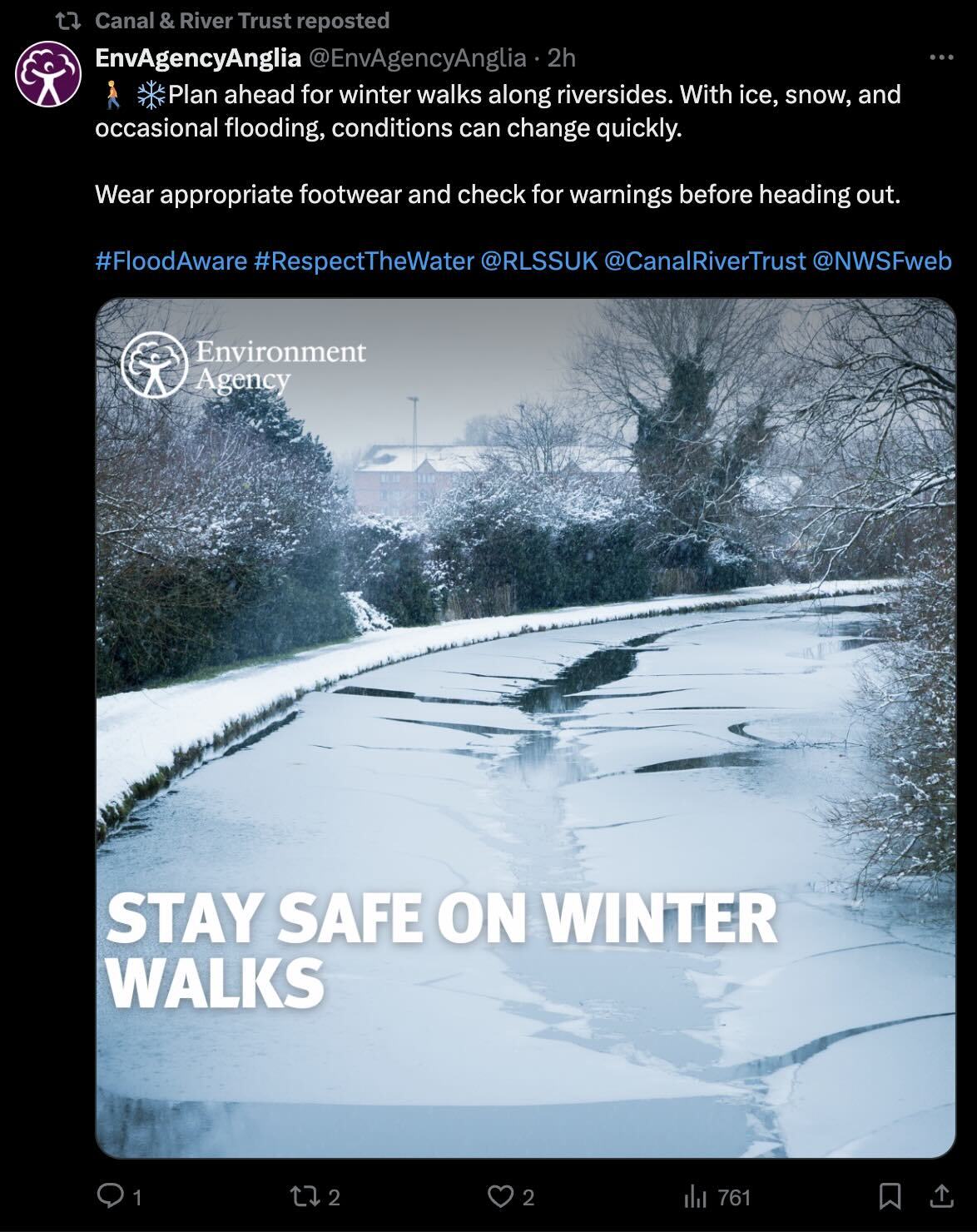
First world problems. πŸ˜„ Seems like common sense is not so common any more in some parts of the wold πŸ™„

nostr:note176v788fz3gcpgjgavpymhajstkh0vaqfqeafp3ymghq4yn60tnms3juh63

Christmas is a time of sharing. Consider sharing some β‚Ώitcoin with worthy African conservation or community development projects listed here: https://bitwild.co.za/engage/ or here: https://bitcoinbabies.com; https://btcdada.com

Your African Bitcoin safari adventure starts here https://bitwild.co.za Explore our curated profiles of safari booking companies that accept Bitcoin. Learn about useful apps you can use to pay for everyday expenses while in Africa, using bitcoin. Explore profiles of African conservation and community development projects fueled by bitcoin.
Take thou the sacred Trezor of Taproot and smite mine enemy, Lord Fiat the Debaser.

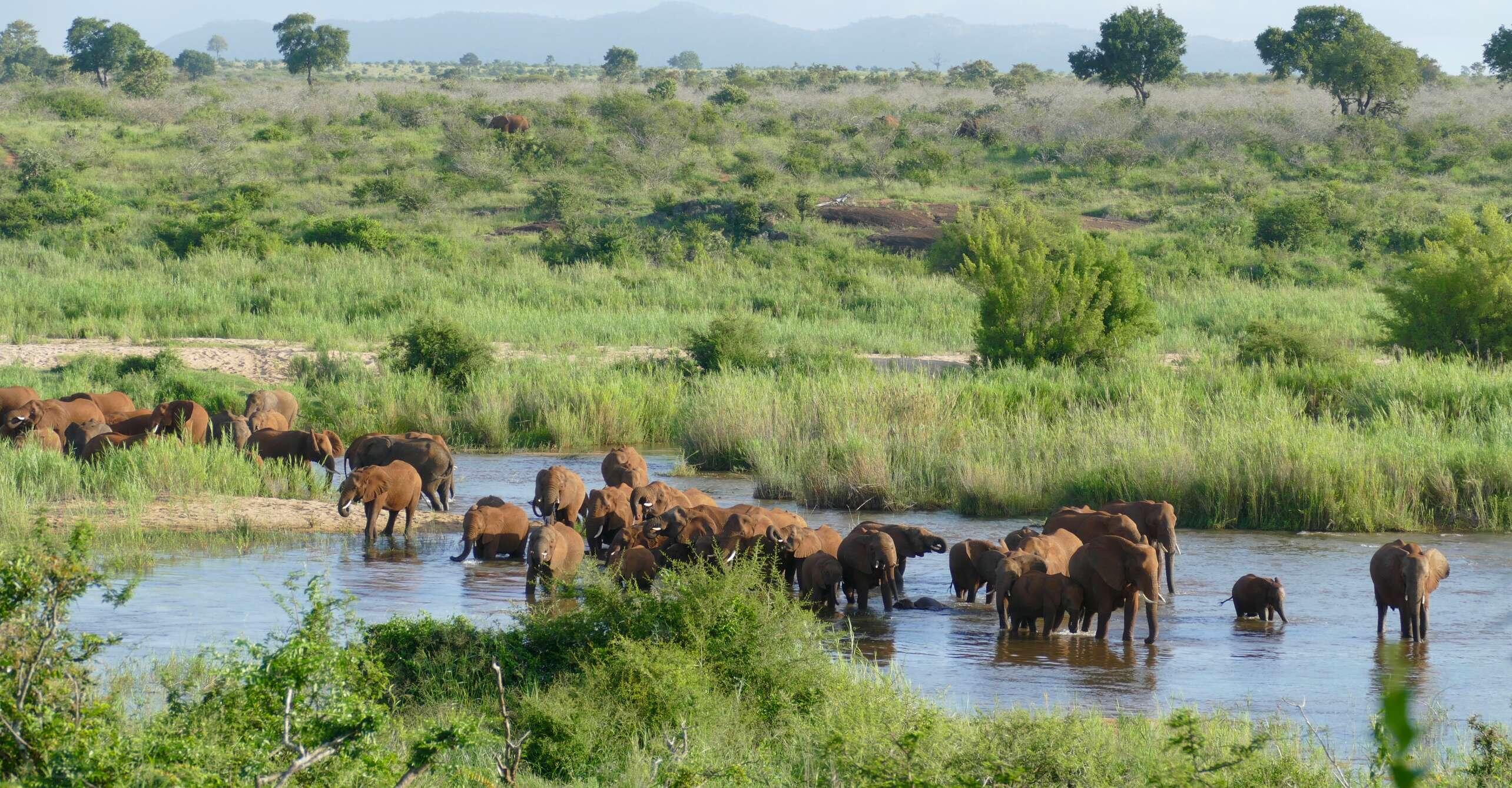
I hope the Sat Market sees the year out with a bang. Brrrr. Looks like you and yours could do with a sunny African Bitcoin safari Ben! Https://bitwild.co.za

Good morning Bitcoiners. Did you know you can choose from a range of travel companies to book and pay for your dream African Safari using bitcoin? You can also pay for every-day expenses on your trip with bitcoin in countries such as Kenya and South Africa. You can even support an African conservation or community development project with bitcoin. Learn more at: https://bitwild.co.za