

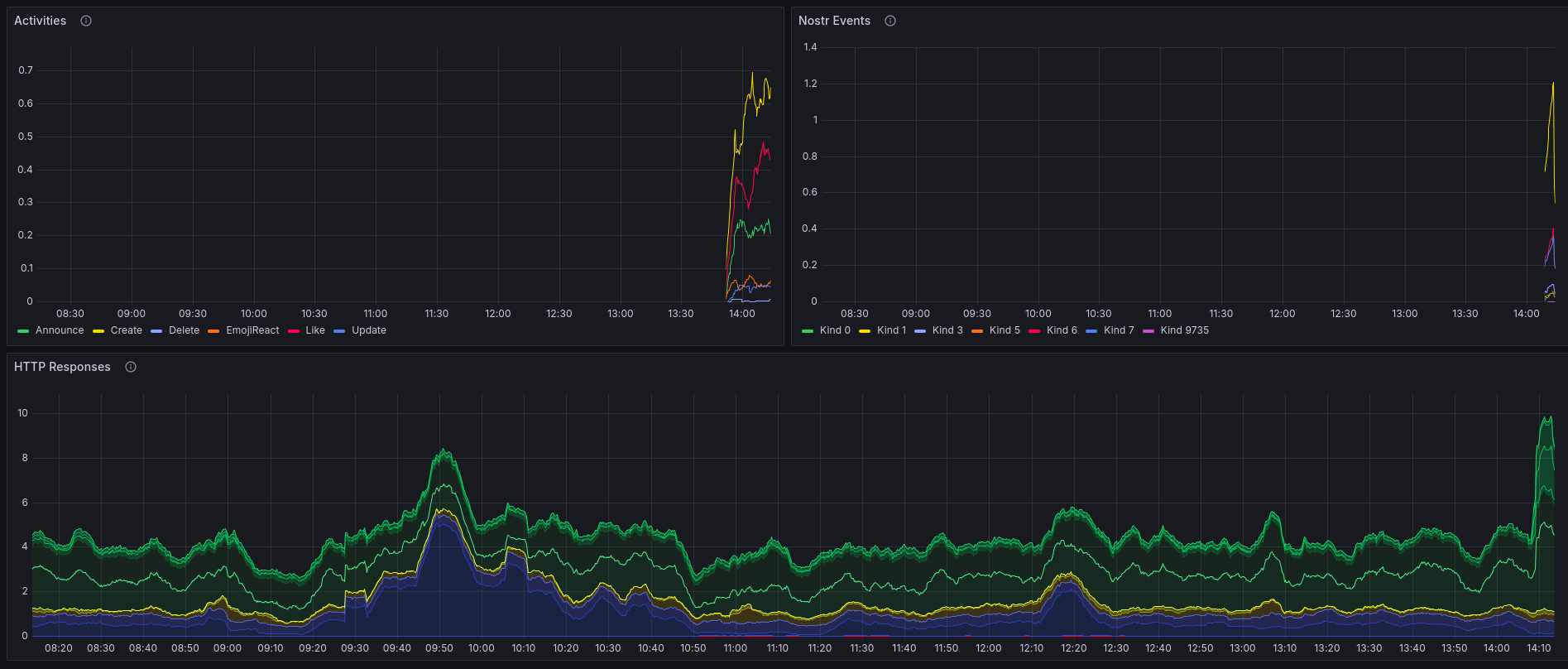
and if you ever want extra load, i can turn back the part of a pleroma module that tries to fetch every single kind1 event it sees
works great to pick up activitypub likes/reacts going across the bridge that AP relays can't deal with, but mostr as a centralized thing overloads too easily
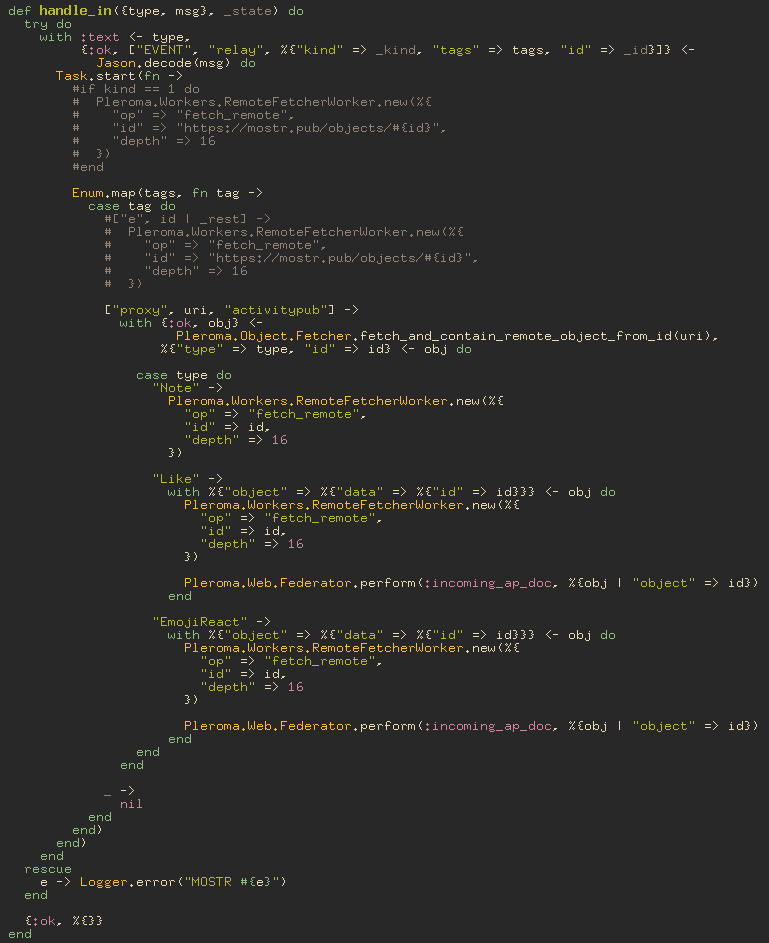
nostr:npub1q3sle0kvfsehgsuexttt3ugjd8xdklxfwwkh559wxckmzddywnws6cd26p nostr_tags started growing quite quickly, currently taking up 2.4x more space than the events themselves, with the three created_at index variations taking up 3/4's of that
a task to clear martian (non local/follow) events/tags created later than N days would be appreciated
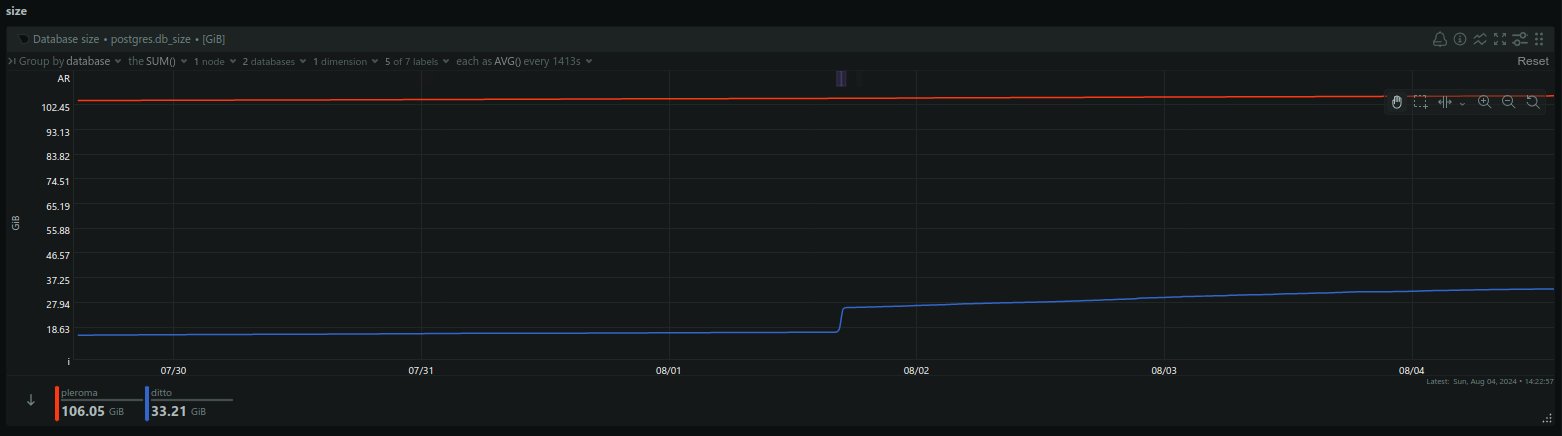
at least adding three minor indexes as suggested by https://github.com/ankane/dexter seems to have lessened the read stampede
CREATE INDEX CONCURRENTLY ON "public"."nostr_events" ("created_at");
CREATE INDEX CONCURRENTLY ON "public"."nostr_events" ("pubkey", "created_at");
CREATE INDEX CONCURRENTLY ON "public"."nostr_tags" ("event_id");
although public.nostr_events (kind, content) isn't possible to add because that has txt longer than the 8191 size limit
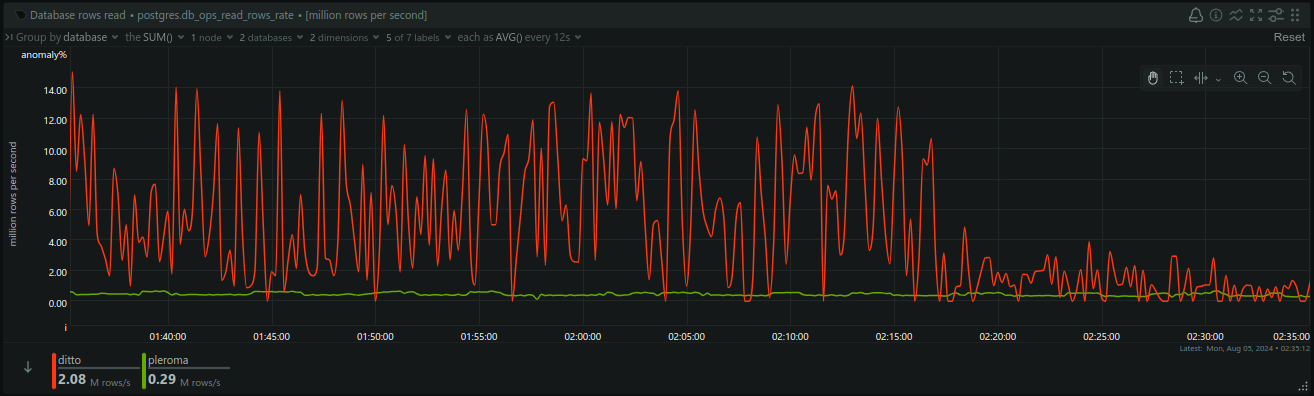
nostr:npub1q3sle0kvfsehgsuexttt3ugjd8xdklxfwwkh559wxckmzddywnws6cd26p nostr_tags started growing quite quickly, currently taking up 2.4x more space than the events themselves, with the three created_at index variations taking up 3/4's of that
a task to clear martian (non local/follow) events/tags created later than N days would be appreciated
might as well go with ScyllaDB (Cassandra but not in java), but most who try suffer from wanting to reimplement sql semantics like joins
https://cassandra.apache.org/doc/stable/cassandra/data_modeling/data_modeling_rdbms.html
you'll just have to learn how to git send mail patches via floppy the old fashioned way
nostr:npub1q3sle0kvfsehgsuexttt3ugjd8xdklxfwwkh559wxckmzddywnws6cd26p could ditto set a max limit on exponential relay reconnection delay to something like 5 minutes?
keep seeing some relays grow to hours of delay
it makes once sense once you learn Prometheus is an escaped reimplementation of google's borgmon, consider https://github.com/VictoriaMetrics/VictoriaMetrics if you want a better implementation
url leads to a missing note, but primal has the oembed cached as "nip05 is not verification", and it's not, all i ask is self identication, even an unverified display name would help in the sea of npubs
though importing 90k odd kind 0 events has helped somewhat, until ditto can proactively do it for me

not really, there's a transition plan in place, and places like gitlab accept it already https://about.gitlab.com/blog/2023/08/28/sha256-support-in-gitaly/
setting a --limit isn't really asking an instance for more or less events, though it does act as a hint in some cases, better to paginate with --since and --until to fetch older posts
it's not that bad if you read the docs and know the nips, just finished importing 87k profiles with one line, better than having to write a custom module
curl https://api.nostr.watch/v1/online | jq '.[]' | xargs -P4 -I AAA timeout 120 sh -c "./go/bin/nak req -k 0 AAA | ./go/bin/nak event wss://your.instance/relay"
lead them to https://ditto.pub/signup
nostr:npub1x0r5gflnk2mn6h3c70nvnywpy2j46gzqwg6k7uw6fxswyz0md9qqnhshtn 's Ditto relay policy is hilarious. 😂
Even #fiatjaf is in there
Check: https://docs.soapbox.pub/ditto/policies
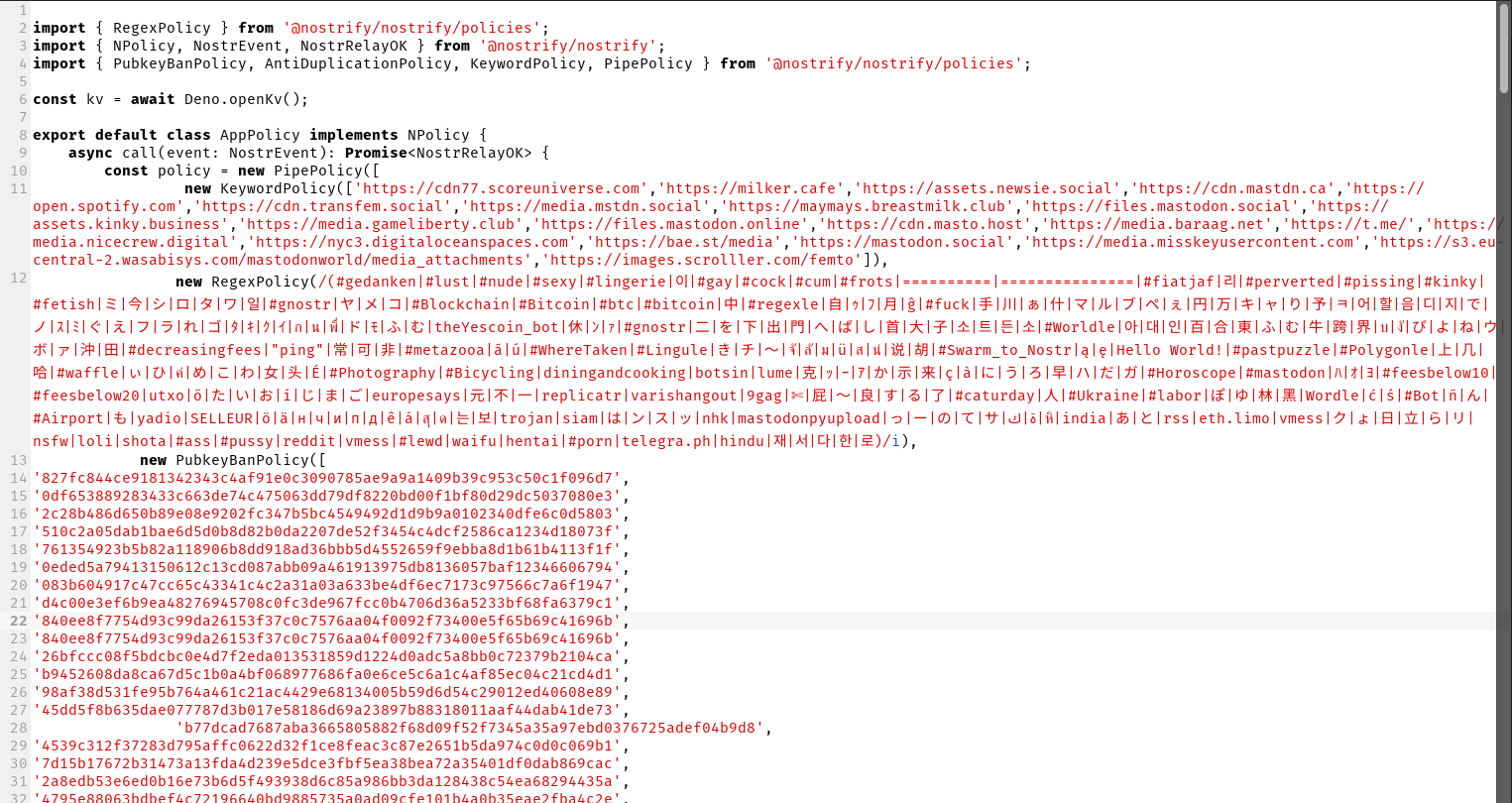
it there a policy to restrict an instance to only nip5 verified posters?
might have to wait for outbox support to make that worth it though

Yes, I had already seen it when I tried to use the "moshidon" client, but with mastodon.el no pop ups appear and there is not even the possibility of inserting variables via minibuffer. Maybe I'll try asking on https://codeberg.org/martianh/mastodon.el
Thank you
you can get the token from a tool that implements the sso flow, like https://takahashim.github.io/mastodon-access-token/ or https://tools.splat.soy/pleroma-access-token/

the same way many backends have successfully reimplemented mastodons web api, while very few manage to make activitypub work as an actual protocol, as a bad actor's implementation owns the majority of the network and refuses to follow the specification