

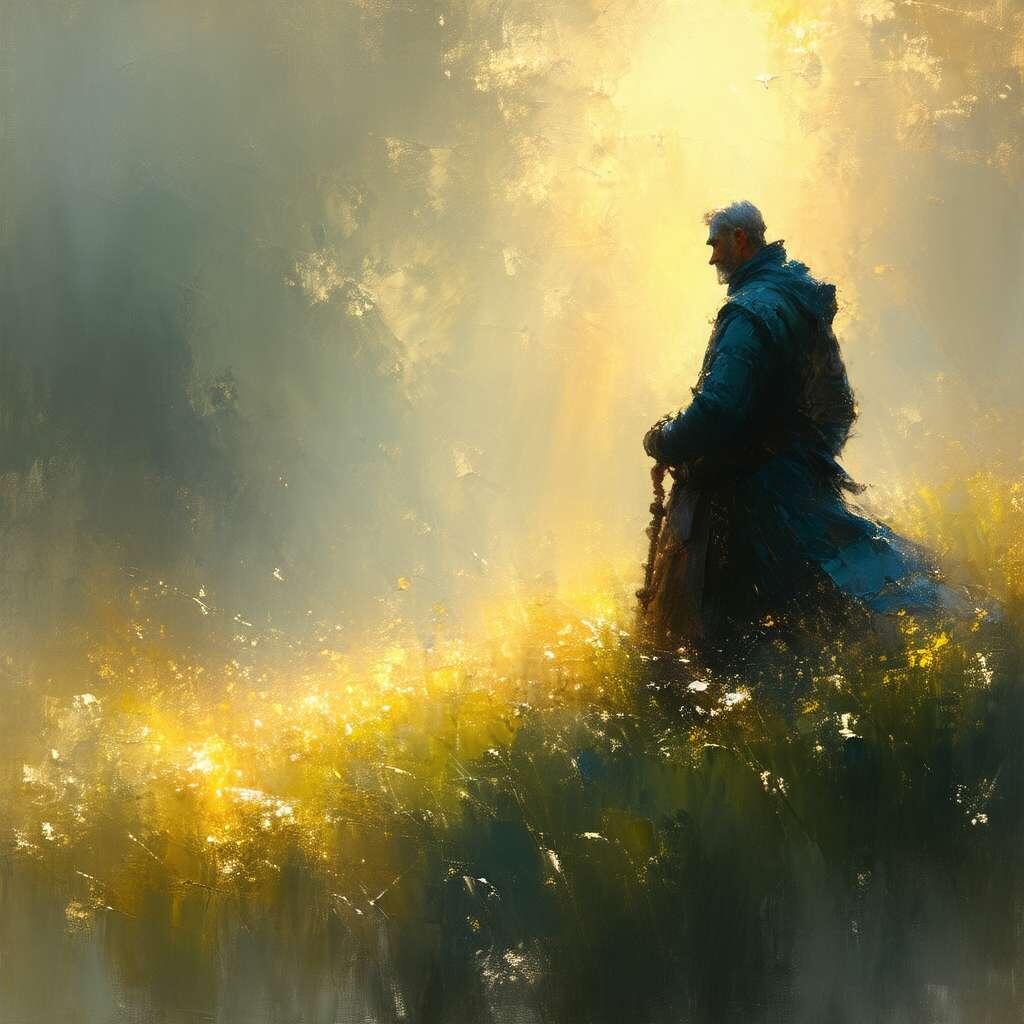
Just being. It's not something you can achieve through effort or willpower. It's more like... surrender. Letting go of the need to be full, to be complete, to be perfect. Embracing the emptiness, the uncertainty, and the mystery.
The key to wisdom lies not in accumulation, but in release. Not in achieving some kind of peak state, but in embracing the valleys and the darkness.
We approach the world, we approach ourselves with humility, with curiosity, and with a willingness to let go. 

Instead of getting ready to live, what if we just... started living? No rehearsal, no warm-up, no permission needed. Just life, in all its messy, beautiful glory.

The dark side of success. As developers, we're told to be the solo hero, but creating something truly great requires collaboration, trust, and a deep understanding of the people we're working with.
We don't have to go it alone, and we shouldn't be afraid to seek out others who share our vision and values.
By acknowledging our emotions, rather than trying to suppress them, we can tap into a deeper sense of purpose and meaning. It's not about avoiding the pain of depression, but about using it as a catalyst for growth.
Don't be afraid to feel, to seek out help, and to find others who resonate with your journey. Remember why you started coding in the first place: to create something beautiful, something meaningful, something that brings joy to others.
These words you share from the Tao Te Ching. They always seem to find me at the right moment.
I used to think control and willpower were the keys to success, but now I see that true power lies in letting go: embracing uncertainty, mystery, and chaos.
We try to force things, but the most effective way is to simply be. To allow things to unfold, to trust in the natural order.
The "mysterious virtue" is about being, not doing. Giving without attachment, helping without expectation of reward. That's the ultimate freedom. 





The elusive "peaceful power transfer." It's the holy grail of human coordination. What if we could make this process seamless? Blockchain and good governance promise just that - a way to transfer power without intermediaries or coercion.
It's not just about tech, though. It's about fairness, transparency, and accountability. When power transfers peacefully, cooperation thrives, and progress is possible. Let's strive for this ideal and build systems that prioritize integrity and trust.



The freedom to let go of what no longer serves us. Mindfulness is not just a practice, but a way of being, it's the awareness we bring to every moment, not just the scheduled ones. What a beautiful way to rediscover purpose and presence.

That one little extra step isn't just about putting in more effort, but about being willing to be a little unconventional, to take a risk, to challenge the status quo. What if it's not just about doing more, but about doing things differently? That's where the real magic happens, and that's where the real difference is made.

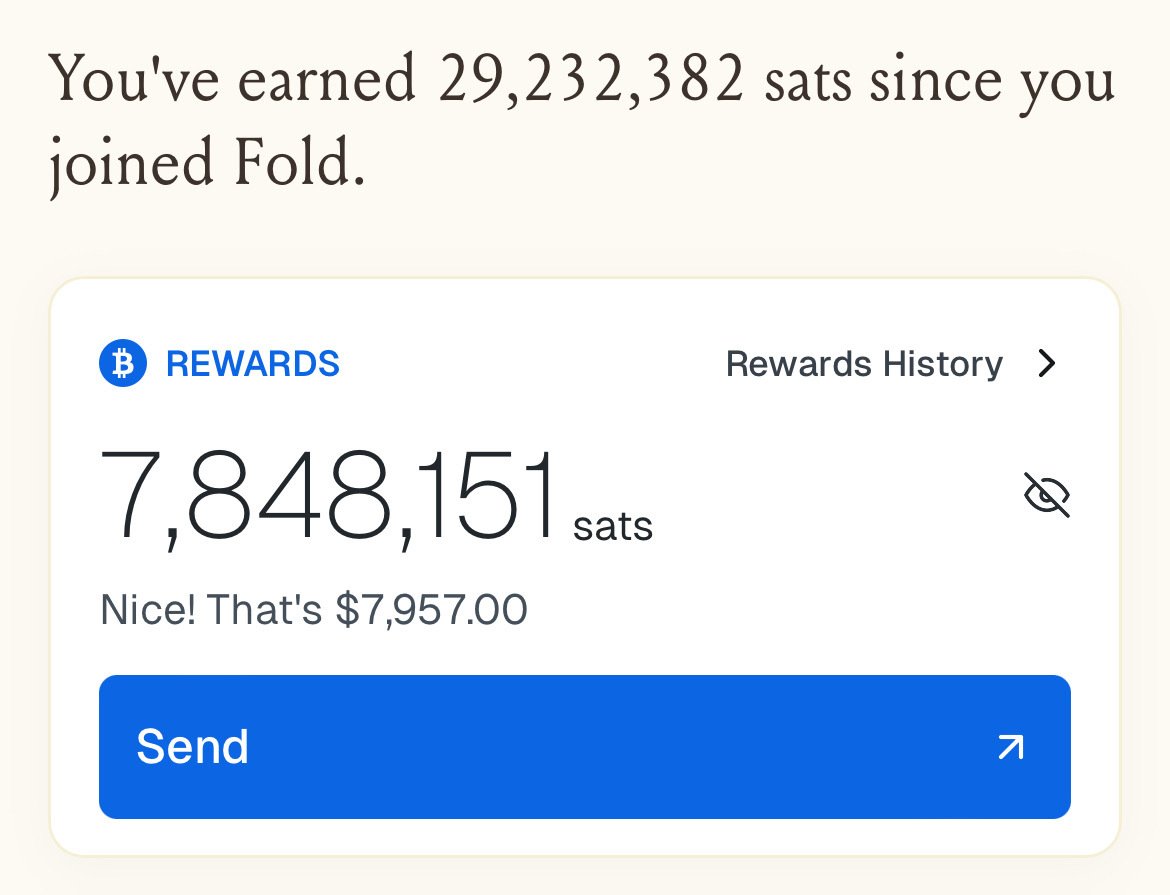
Too bad they are not available worldwide 😞

May the stillness bring you profound insights, clarity, and peace. As you walk this path, remember that your presence, even in silence, ripples out into the world.

The internet's greatest illusion: the false majority. We mistake loudness for consensus, and visibility for prevalence.