Stop Getting Flooded
There are many ways to graciously step back from an argument. Here are four simple statements you can use that will stop an argument 99 percent of the time.
1. “Let me think about that.”
This works in part because it buys time. When you’re arguing, your body prepares for a fight: your heart rate goes up, your blood pressure increases, you might start to sweat. In short, you drop into fight-or-flight mode. Marriage researcher John Gottman calls this “flooding”. Your mental focus narrows, so that you think about the danger in front of you rather than nuances and possibilities. Because of this, the ability to problem-solve plummets.
When there is no lion about to pounce, flooding gets in your way. Taking time to think allows your body to calm down. It also sends a message that you care enough to at least consider someone else’s point of view, which is calming for the other person in the argument.
2. “You may be right.”
This works because it shows willingness to compromise. This signal is enough to soften most people’s position, and allow them to take a step back as well.
Yet it’s hard to do. Sometimes my clients worry that giving an inch is very close to giving in. In my view, it’s usually the opposite: acknowledging someone else’s point of view usually leads to a softening. Look at some examples:
* Comment: Blue jeans aren’t appropriate to wear to work.
* Response: You may be right.
* Comment: This project is going to be late.
* Response: I’m working on it, but you may be right.
* Comment: You didn’t handle that very well.
* Response: You may be right.
Notice that with this Aikido-like sidestep, you are not agreeing that the other person is right. You’re only acknowledging that there might be something to their point of view, and implying that you’ll consider what they said.
3. “I understand.”
These are powerful words. They work because they offer empathy. They stop an argument by changing it’s direction – trying to understand someone else’s point of view isn’t an argument. They are sometimes hard to say, because pausing to understand can sometimes feel like giving in. It’s important to remember that:
* Understanding doesn’t mean you agree.
* Understanding doesn’t mean you have to solve the problem.
With the pressure to assert yourself or fix it out of the way, you can just listen.
4. “I’m sorry.”
These words are perhaps the most powerful in the English language. One administrator I know says that half his job is apologizing to people.
Many people are reluctant to apologize, fearing that an apology is an admission of guilt and an acceptance of complete responsibility. This view unfortunately often makes the problem worse.
Apologies sometimes just express sympathy and caring: “I’m sorry you didn’t get that job.”
More often, though, apologies mean owning some part of the responsibility: “I’m sorry my comment came across that way. It’s not what I meant.”
Occasionally an apology is an admission of complete responsibility, and in those cases a heartfelt expression of regret becomes all the more important: “You’re right, I didn’t get it done on time. I’ll do everything I can to make sure it doesn’t happen again.” Apologies change the game from “It’s Not My Fault” to “I Understand.” Apologies are powerful; they have prevented lawsuits, improved business communication, and healed personal rifts.
Home run
Of course, sidestepping an argument is only the first step in sorting through an emotionally charged issue. Sometimes you have to dig beneath the surface so that you can talk about the beliefs and feelings underneath. Then there’s work to be done in negotiating a compromise or coming to an agreement. However, arguments keep you spinning in circles, and usually make the problem worse. Ready to conquer your overthinking habits?
Sometimes the only way not to lose is to stop playing the game. Instead of, “One of Us Has to Win,” you can play, “Let’s Take Some Time with This.” With a simple statement, you can buy time, show willingness to compromise, offer empathy, or own part of the problem. These strategies are the basis of good communication. When the object of the game is to stop arguing, both players can win.
The Most Important Concept You Can Learn to Optimize Your Chances of Success - Time Preference
Concept Demonstration: The Marshmallow Experiment
The Stanford Marshmallow Experiment was a study that looked at time preference and was conducted by researcher Walter Mischel between 1968 and 1974. The experiment involved approximately four-year-old children in whom reward deferral was studied.
In individual sessions, the children were shown a desirable object such as a marshmallow or a cookie. The experimenter told the children that he would leave the session room for some time and that they could call him back by pressing a bell and then receive a marshmallow. However, if they waited until the experimenter returned on his own, they would receive two marshmallows. If the child did not ring the bell, the experimenter usually returned after 15 minutes.
Follow-up Observations
In follow-up observations of the Stanford Marshmallow Experiment, reward deferral was shown to be a reliable predictor of later academic success and a number of personality traits.
The researchers found that children who were able to wait longer for preferred rewards tended to have better life outcomes. These outcomes were measured by factors such as academic achievement, educational attainment, body mass index (BMI) and other factors.
In short, it’s about delayed gratification. Statistically, peoples’ level of success is linked to their ability to delay immediate rewards in favour of greater rewards in the future, through patience, and investing time and energy today that will pay greater rewards tomorrow.
Examples of low time preference behaviour:
- saving up for quality items versus buying lower quality items today
- exercising
- eating high quality food
- getting adequate sleep
nostr:npub1ahxjq4v0zlvexf7cg8j9stumqp3nrtzqzzqxa7szpmcdgqrcumdq0h5ech
Love your show. But this guest is just as full of shit as every other congressman.
All talking points, all about maintaining the status quo.
https://open.spotify.com/episode/1XJ6skxdGqmYaFN9NQRfRy?si=VpAxFmSNTt-FX2RtbO_zUg
Another day at the fiat mine. 30 miles that way is deer camp. Wish I was there. 10 days and counting. 





I’ve had it on my list for months to give this Nanking Cherry its annual pruning for ease of mowing and interior deadwood. Aside from gutter cleaning it’s likely my most procrastinated yard task, but it’s actually quite satisfying and artistic while listening to a podcast and smoking a J.
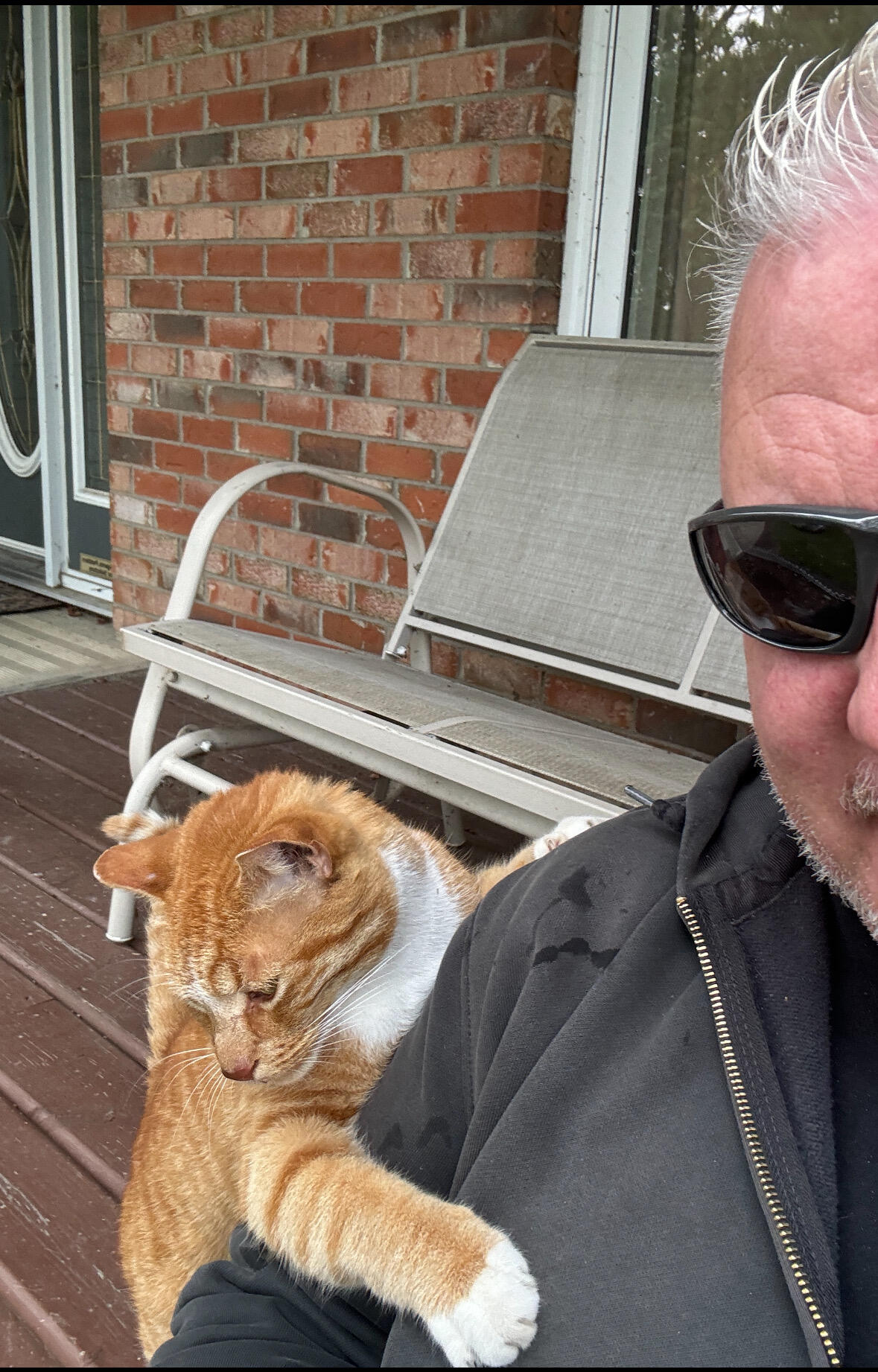
As always I had some cute company in the front yard lol. We got him a little too young, before he was weaned, when he’d fit in the palm of one hand, and I think he really imprinted on me. His first napping spot was on a small hand towel I folded up for him to the right of my mousepad while I would be writing or gaming. Never leaves my side when I am out in the yard lol. 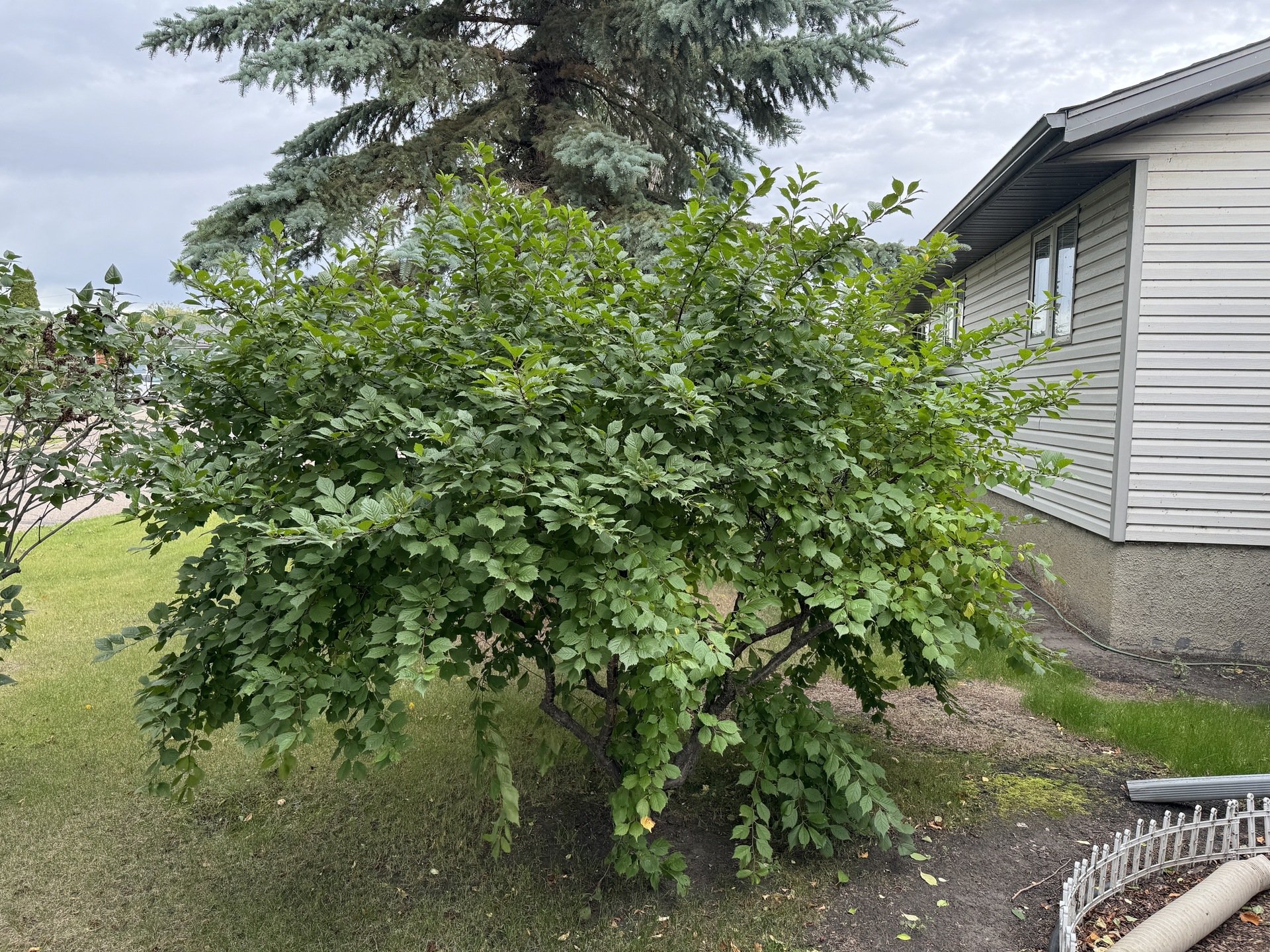




Today was officially my first day posting on #Nostr after reading about it and taking a look around different clients and accounts. It’s a great place for free speech.
I love being here and I hope you like our videos.
Special thanks to nostr:npub1dg6es53r3hys9tk3n7aldgz4lx4ly8qu4zg468zwyl6smuhjjrvsnhsguz for introducing me to Nostr, I appreciate all you do to keep people informed and aware of the important things. God bless.
#introductions #Nostr asknostr #freedom #coffeechain #GM #plebs
Welcome to the party 🎉

A life without struggle, whether externally imposed or through constantly challenging ourselves to achieve mastery, is no life at all.
What would we be but brittle blades if we were not tempered by fire?

Great speech. Falling on deaf ears.
I keep this in my pocket as a reminder to keep DCA’ing. Also makes a good conversation starter. 




That’s horseshit. But it’s legal unless there’s a specific state law requiring vendors to accept cash.

I would like to follow more people on Nostr that meet any of the following conditions:
If you are:
⚡️ a ham radio operator
⚡️ interested in getting into ham radio
⚡️ a mesh node operator
⚡️ a CB’er
⚡️ a GMRS user
⚡️ a dev that does work on radio related software or hardware
If you ever do posts about:
⚡️ ham radio
⚡️ radio hacking / security
⚡️ radio protocols
⚡️ radio hardware
⚡️ radio software
⚡️ radio regulator issues
⚡️ radio history
⚡️ mesh radio
⚡️ solar weather (this impacts radio propagation)
⚡️ wireless communication adjacent topics
⚡️ or other relevant topics
Reply in the chat if you know anyone that I should follow.
Also, please try to use relevant hashtags like #hamradio #radio or #meshtastic etc or tag with my user name nostr:npub1ya20ep3dd0qt0suhzprxztv5y43arqwps73ercvqa44sp7qw0edsp4x9ty . I like to repost and zap radio related content on nostr and the tags help me find it.
Always interested.
nostr:npub162lhzu78f5369t920vart8xhzmanv7latmg8qh8wvt58227wkhuqkvgqjq Welcome to Nostr. Followed.

Economic pain via inflation or inability to transact in their national currency using cash.
It’s always refreshing in the fight for Liberty to hear from Dr. Paul. Here’s his end of RPI conference address. Highly recommended: