Stories From the Color Concepts Skydive Boogie, Abbotsford, BC 1995
In the summer of 1995 I was fortunate to be in the right time and at the right place to participate in a truly unique and memorable event: Roger Ponce de Leon’s Abbotsford BC stop on the Color Concepts Skydive Boogie series.
Roger has been a pioneer and organizer of large formation freefall skydives for over 50 years. The Color Concepts series saw Roger grace the airfields of a number of drop zones all over the world with a set of different brightly colored jumpsuits, to be donned by the most experienced skydivers at each stop of the tour, and a set of formations to be drilled both on the ground and in freefall, using multiple aircraft. Many of the invitees to the Color Concepts events went on to training camps for the world record formation skydive attempt in Anapa, Russia in 1996.
The hosts of the event and longtime owners of the Abbotsford Parachute Centre (now Skydive Vancouver), Gerry and Debbie Harper, have been in the parachute instruction business for decades. Their introduction hundreds of people to sport parachuting (including many of the event participants), their love of the sport, and their choice of such a scenic place to call their home drop zone and business, made Abbotsford a great choice of location for the Color Concepts event.
For me, my participation in this event was peripheral to the main action of the large formation attempts. At the time, I only had about 250 jumps logged, which was much lower than the minimum 500-1000 jumps that formal participants were expected to have. While I did have quite a bit of experience with up to 8 person formation flying and regarded by my peers as a capable skydiver, the stakes on these jumps are pretty high. With every jumper on a 24-30 person freefall formation load paying $24-$26 for their slot on each formation jump attempt, and the safety concerns of having that many jumpers achieving sufficient separation from one another prior to deployment altitude, the formal event jumps were invite-only, for only the most seasoned jumpers in the area. Not to mention the situational awareness that the skydivers on such a jump have to maintain once “under canopy” over a relatively small airfield.Things can get pretty crowded, with everyone eventually needing to fly into a circuit that sees everyone landing into the wind for a landing that their legs can keep up with.
Using such a short airstrip and a small footprint drop zone for this event was pretty ambitious. The small paved strip itself hasonly 1150 feet of takeoff and landing surface, and operating both a Pilatus Porter turboprop and a larger DH6 Super Otter off the same strip was right at the limit of what the runway could handle. The Porter could quite comfortably take off with room to spare, but the Otter was just barely able to achieve the required lift for takeoff with full flaps before crossing the threshold of the municipal road that is perpendicular to the end of the runway. Every time the Otter had to take off, flag-peoplehad to stop the rural traffic in either direction so the tires on the landing gear wouldn’t risk clipping a passing vehicle, with obvious disastrous effect for everyone involved.
The week was filled with some amazing skydives, even for those of us that weren’t on the big formation attempts. Everyone got to experience the energy of having that many skydivers all in one place, and getting to do unique jumps that they didn’tnormally get to do on a regular weekend at the DZ. Like getting a few extra-long 80-second freefalls from 16,000 feet rather than the usual 60 seconds from 12,500 feet, practicing forming-up in freefall with jumpers exiting separate aircraft, lots of head down freestyle flying with others (which was starting to become the “new thing”), and amazing sunset load “hop and pops” wherewe could exit from 12,500’, immediately deploy our parachutes, and fly for 10-12 minutes, taking in the breathtaking viewswhile piloting high performance parachutes down into what was already near darkness on the ground.
Being mid-summer and with the temperatures being in the low 30’s Celsius, I was able to make a few midday jumps wearingonly my rig, goggles, a pair of shorts and sandals on. The feeling of the cool terminal air gradually warming up as I fell through the thermoclines as I sped toward the ground was the best sensation ever. It’s like a big air bath with a feeling of total freedom, being unrestrained by a full-bodied jump suit.
The nighttime fun and comradery around the bonfire, reviewing the day’s video footage, listening to tunes over the drop zone PA system, smoking ample amounts of BC bud, sharing a few drinks, and the opportunity to share stories with jumpers from other drop zones made it a really festive atmosphere. The laughs and practical jokes abounded. One of the guys who “gassed out” everyone in the plane with the smell of his sneakers during the day left the fire to take a leak, and returned to see his Nike’s bubbling on the coals. A few people celebrated their 100th jump and got the customary surprise stealth pie in the face, and at least one person had their thousandth jump recognized by getting an impromptu champagne shower. It’s quite an accomplishment getting that many jumps in. A bottle of champagne is a worthy sacrifice after spending $18-25k on airplane rides. It’s hard to believe that by the time a skydiver has a thousand jumps that they have usually amassed anywhere from 11 to 13 HOURS of freefall time. Imagine waking up one day at 6am, immediately going into freefall, and not stopping till 7 or 8pm that evening! It’s a lot of time to be falling at terminal velocity. And a lot of opportunities for mishaps if you get complacent.
As the week of the Color Concepts event progressed, the memorable moments and skydives just kept coming. One of my favorite jumps of the week was a “hop and pop” on the sunset load from 12,500’ where my buddy Eric and I were able to do a little bit of canopy close formation flying and “dogfighting” type maneuvers. Once we got oriented under canopy with our right of way rules already established on the ground, we would fly directly at one another then pass the other guy to the right, then both “bury” our inside steering toggle to engage in an ever-tightening spiral around one another, with the top surfaces of our parachutes nearly bumping against the other. The thing that made that jump really memorable aside from the thrill of flying so close and fast with a friend, while we hooted and hollered,was the heart stopping view of the distant sunset over the Pacific Ocean on one horizon, and the nearly full moon over Mount Baker, WA on the other, in nearly cloudless skies. We did some equally memorable freestyle head down flying during the week, and captured some cool video.
Another of the coolest memories from the week came near the end of the boogie when the Color Concepts formation attempts were really starting to gel. I had just finished packing a couple of rigs and everyone on the ground was aware that the Otter and the Porter were close to making their jump run pass for a formation attempt, with the jumpers all wearing their particular sub-group’s colored jumpsuits. I lay on my back on the grass in the middle of the lawn, so I could watch the entire jump unfold, from exit to building the formation, to deployment, all while catching some prime rays of the hot August sun. As the two aircraft reached the exit point, our view was obscured just slightly by a very thin layer of high overcast haze at about 8000’. On exit, we could see the tiny barely-colored human forms being seemingly expelled from the aircraft like a seahorse spitting out it’s young. Eight from one aircraft, and twenty-onefrom the other including the freefall videographer. Excitement grew on the ground as the colored forms became more and more visible, and we could tell that the circular formation was building as planned, with all of the colors in their proper place. By about 10,000’, the formation was built, and it was apparent that all of the hard work on the ground “dirt diving”, and in the air practicing live, had paid off. The formation was built! Then one of the coolest things I have ever witnessed on a drop zone happened. After holding the formation for close to ten seconds, the sound of the bodies in freefall could be heard all the way from the ground. Then “poof!”, the whole formation suddenly punched through the thin layer of haze. Not only did the color and pattern of the formation become instantly twice as vibrant as it had been above the haze, but the team had punched a perfectly round hole in the haze layer behind them! Everyone on the ground gasped in wonder at the sight. It was like a scene out of a cartoon, seeing an actual hole being punched in the atmosphere.It was comical.
The pinnacle of the Color Concepts event was for the skydivers to recreate the week’s couple of successful “big-way” color coordinated formation jumps above the sands of Spanish Banks Beach, 43 miles WSW from the home airfield, on the south shore of the Vancouver Inlet near the University of British Columbia and the yacht club. A large beautiful strip of sand was to make a great spot to land and culminate the week’s activities. All of us that weren’t on the formation jump drove out to the new exhibition drop zone and waited till we had radio contact with the pilots. As with most endeavors of value, this one was not to be without it’s challenges. The wind had kicked up from the west, gusting to 45km/h and strong enough to be creating whitecaps on the waves in the inlet. Any sand that one kicked up in the process of walking across the beach was swept sideways with the wind. It was starting to look like the exhibition jump was going to be cancelled. The organizers and the ground crew continued to monitor the conditions as the word came from the pilots that they were airborne and headed west toward the drop zone. Throughout the hour leading up to the appointed jump time, the winds appeared to be calming down to the point where the jump looked like it was going to go ahead. While it was still quite windy, the gusts had been replaced by a steady wind that was around 20mph, just slightly higher than the technical recommendation from the Canadian Sport Parachuting for max wind speed for conducting exhibition jumps. Occasionally the wind would ramp up to 30mph or so, but the general trend seemed to be pointing toward calming conditions as the inflow winds of the day reached a balance and got ready to stop and reverse into the evening.
We waited with bated breath, and the word finally came over the radio. Five minutes to exit. The pilots were in contact with the tower at Vancouver International and it was a “go”. In a couple of minutes, we could see the smaller Pilatus Porter with the base group in it, formed up with the Super Otter slightly behind and off to the starboard side. Then the exit. I have no doubt that for the jumpers, the challenge of maintaining focus was made even more difficult by the distraction of the beautiful coastal mountains stretching to the north, and the whole Fraser River delta, the city of Vancouver, Stanley Park, and the Lions Gate Bridge in full view below.
As the seconds ticked by, we could see the formation come together and hold as planned. The many weekend beachgoers were getting to witness something that not many non-jumpers get to see. A large formation skydive, with the added bonus of color coordination to boot! At about 4500’ the outer jumpers in the formation began to turn and track away from the formation, followed by those closer to the center; the goal being for everyone to achieve max separation from one another before deploying their parachutes. It was quite a sight seeing 30 parachutes popping open all over the sky above us, many of them friends who we got to jump with most regular weekends.
With the first few landings, it started to become apparent that the wind had stiffened up somewhat compared to what it had been on exit. The wind sock on the beach was now standing straight sideways, and despite some of the jumpers being under very high performance parachutes with significant forward speed capability, almost all of the landings (into the wind) were resulting in almost straight down vertical landings. Anyone who was unable to immediately collapse their parachute upon landing by pulling down on a single steering toggle, quite quickly found themselves being dragged off of their feet into the sand. A few of the veteran skydivers who were jumping larger, more conservative parachutes without a lot of built-in forward “drive”, were actually moving backwards with the wind before they even landed, and needed assistance from those of us who were on ground support to keep from being dragged down the beach.
Once the dust settled (literally), it was high fives all around. The demo jump, despite being harassed by high wind conditions, was a success. For the jumpers, it was definitely a career highlight. And for those of us that did a bunch of interesting jumps among ourselves through the week, it was the culmination of a week of laughs and great training opportunities.
Everyone headed back to the drop zone in Abbottsford to round out the week, but not before my friend Eric put on a little show for everyone with a quick tack out into the whitecaps on his buddy’s windsurfing rig, who was on the beach that day taking advantage of the bomber wind conditions. Eric and my other friend Bernard had operated a windsurfing school in Cabarete in the Dominican Republic through much of the 80’s, and while Bernard was still operating the Windsure Windsurfing School next to the Vancouver Yacht Club for some time, Eric hadn’t been on a board in the many months since skydiving had become his new passion. Everyone’s jaw dropped as Eric kicked off his sandals, hopped on the board in his street clothes, took off toward the biggest swell he could see, and executed a perfect front loop off the crest of the wave and stuck the landing. It was seemingly effortless for him, and he barely even got wet despite not having been on a board in some time.
If you ever want to join a community of really interesting peoplethat span a full cross section of people in your local area that are into pushing their limits and seizing life, go take a first jump course and see if the sport is for you. At a your local skydive center, you will meet hippies, seekers, young professionals, doctors, lawyers, teachers, extreme sports practitioners, stunt people, military and former military men and women, tradespeople, and everyone in between. Everyone you’ll meet has the same love of human flight. Blue Skies!
#writing #skydiving #grownostr
Stories From the Color Concepts Skydive Boogie, Abbotsford, BC 1995
In the summer of 1995 I was fortunate to be in the right time and at the right place to participate in a truly unique and memorable event: Roger Ponce de Leon’s Abbotsford BC stop on the Color Concepts Skydive Boogie series.
Roger has been a pioneer and organizer of large formation freefall skydives for over 50 years. The Color Concepts series saw Roger grace the airfields of a number of drop zones all over the world with a set of different brightly colored jumpsuits, to be donned by the most experienced skydivers at each stop of the tour, and a set of formations to be drilled both on the ground and in freefall, using multiple aircraft. Many of the invitees to the Color Concepts events went on to training camps for the world record formation skydive attempt in Anapa, Russia in 1996.
The hosts of the event and longtime owners of the Abbotsford Parachute Centre (now Skydive Vancouver), Gerry and Debbie Harper, have been in the parachute instruction business for decades. Their introduction hundreds of people to sport parachuting (including many of the event participants), their love of the sport, and their choice of such a scenic place to call their home drop zone and business, made Abbotsford a great choice of location for the Color Concepts event.
For me, my participation in this event was peripheral to the main action of the large formation attempts. At the time, I only had about 250 jumps logged, which was much lower than the minimum 500-1000 jumps that formal participants were expected to have. While I did have quite a bit of experience with up to 8 person formation flying and regarded by my peers as a capable skydiver, the stakes on these jumps are pretty high. With every jumper on a 24-30 person freefall formation load paying $24-$26 for their slot on each formation jump attempt, and the safety concerns of having that many jumpers achieving sufficient separation from one another prior to deployment altitude, the formal event jumps were invite-only, for only the most seasoned jumpers in the area. Not to mention the situational awareness that the skydivers on such a jump have to maintain once “under canopy” over a relatively small airfield.Things can get pretty crowded, with everyone eventually needing to fly into a circuit that sees everyone landing into the wind for a landing that their legs can keep up with.
Using such a short airstrip and a small footprint drop zone for this event was pretty ambitious. The small paved strip itself hasonly 1150 feet of takeoff and landing surface, and operating both a Pilatus Porter turboprop and a larger DH6 Super Otter off the same strip was right at the limit of what the runway could handle. The Porter could quite comfortably take off with room to spare, but the Otter was just barely able to achieve the required lift for takeoff with full flaps before crossing the threshold of the municipal road that is perpendicular to the end of the runway. Every time the Otter had to take off, flag-peoplehad to stop the rural traffic in either direction so the tires on the landing gear wouldn’t risk clipping a passing vehicle, with obvious disastrous effect for everyone involved.
The week was filled with some amazing skydives, even for those of us that weren’t on the big formation attempts. Everyone got to experience the energy of having that many skydivers all in one place, and getting to do unique jumps that they didn’tnormally get to do on a regular weekend at the DZ. Like getting a few extra-long 80-second freefalls from 16,000 feet rather than the usual 60 seconds from 12,500 feet, practicing forming-up in freefall with jumpers exiting separate aircraft, lots of head down freestyle flying with others (which was starting to become the “new thing”), and amazing sunset load “hop and pops” wherewe could exit from 12,500’, immediately deploy our parachutes, and fly for 10-12 minutes, taking in the breathtaking viewswhile piloting high performance parachutes down into what was already near darkness on the ground.
Being mid-summer and with the temperatures being in the low 30’s Celsius, I was able to make a few midday jumps wearingonly my rig, goggles, a pair of shorts and sandals on. The feeling of the cool terminal air gradually warming up as I fell through the thermoclines as I sped toward the ground was the best sensation ever. It’s like a big air bath with a feeling of total freedom, being unrestrained by a full-bodied jump suit.
The nighttime fun and comradery around the bonfire, reviewing the day’s video footage, listening to tunes over the drop zone PA system, smoking ample amounts of BC bud, sharing a few drinks, and the opportunity to share stories with jumpers from other drop zones made it a really festive atmosphere. The laughs and practical jokes abounded. One of the guys who “gassed out” everyone in the plane with the smell of his sneakers during the day left the fire to take a leak, and returned to see his Nike’s bubbling on the coals. A few people celebrated their 100th jump and got the customary surprise stealth pie in the face, and at least one person had their thousandth jump recognized by getting an impromptu champagne shower. It’s quite an accomplishment getting that many jumps in. A bottle of champagne is a worthy sacrifice after spending $18-25k on airplane rides. It’s hard to believe that by the time a skydiver has a thousand jumps that they have usually amassed anywhere from 11 to 13 HOURS of freefall time. Imagine waking up one day at 6am, immediately going into freefall, and not stopping till 7 or 8pm that evening! It’s a lot of time to be falling at terminal velocity. And a lot of opportunities for mishaps if you get complacent.
As the week of the Color Concepts event progressed, the memorable moments and skydives just kept coming. One of my favorite jumps of the week was a “hop and pop” on the sunset load from 12,500’ where my buddy Eric and I were able to do a little bit of canopy close formation flying and “dogfighting” type maneuvers. Once we got oriented under canopy with our right of way rules already established on the ground, we would fly directly at one another then pass the other guy to the right, then both “bury” our inside steering toggle to engage in an ever-tightening spiral around one another, with the top surfaces of our parachutes nearly bumping against the other. The thing that made that jump really memorable aside from the thrill of flying so close and fast with a friend, while we hooted and hollered,was the heart stopping view of the distant sunset over the Pacific Ocean on one horizon, and the nearly full moon over Mount Baker, WA on the other, in nearly cloudless skies. We did some equally memorable freestyle head down flying during the week, and captured some cool video.
Another of the coolest memories from the week came near the end of the boogie when the Color Concepts formation attempts were really starting to gel. I had just finished packing a couple of rigs and everyone on the ground was aware that the Otter and the Porter were close to making their jump run pass for a formation attempt, with the jumpers all wearing their particular sub-group’s colored jumpsuits. I lay on my back on the grass in the middle of the lawn, so I could watch the entire jump unfold, from exit to building the formation, to deployment, all while catching some prime rays of the hot August sun. As the two aircraft reached the exit point, our view was obscured just slightly by a very thin layer of high overcast haze at about 8000’. On exit, we could see the tiny barely-colored human forms being seemingly expelled from the aircraft like a seahorse spitting out it’s young. Eight from one aircraft, and twenty-onefrom the other including the freefall videographer. Excitement grew on the ground as the colored forms became more and more visible, and we could tell that the circular formation was building as planned, with all of the colors in their proper place. By about 10,000’, the formation was built, and it was apparent that all of the hard work on the ground “dirt diving”, and in the air practicing live, had paid off. The formation was built! Then one of the coolest things I have ever witnessed on a drop zone happened. After holding the formation for close to ten seconds, the sound of the bodies in freefall could be heard all the way from the ground. Then “poof!”, the whole formation suddenly punched through the thin layer of haze. Not only did the color and pattern of the formation become instantly twice as vibrant as it had been above the haze, but the team had punched a perfectly round hole in the haze layer behind them! Everyone on the ground gasped in wonder at the sight. It was like a scene out of a cartoon, seeing an actual hole being punched in the atmosphere.It was comical.
The pinnacle of the Color Concepts event was for the skydivers to recreate the week’s couple of successful “big-way” color coordinated formation jumps above the sands of Spanish Banks Beach, 43 miles WSW from the home airfield, on the south shore of the Vancouver Inlet near the University of British Columbia and the yacht club. A large beautiful strip of sand was to make a great spot to land and culminate the week’s activities. All of us that weren’t on the formation jump drove out to the new exhibition drop zone and waited till we had radio contact with the pilots. As with most endeavors of value, this one was not to be without it’s challenges. The wind had kicked up from the west, gusting to 45km/h and strong enough to be creating whitecaps on the waves in the inlet. Any sand that one kicked up in the process of walking across the beach was swept sideways with the wind. It was starting to look like the exhibition jump was going to be cancelled. The organizers and the ground crew continued to monitor the conditions as the word came from the pilots that they were airborne and headed west toward the drop zone. Throughout the hour leading up to the appointed jump time, the winds appeared to be calming down to the point where the jump looked like it was going to go ahead. While it was still quite windy, the gusts had been replaced by a steady wind that was around 20mph, just slightly higher than the technical recommendation from the Canadian Sport Parachuting for max wind speed for conducting exhibition jumps. Occasionally the wind would ramp up to 30mph or so, but the general trend seemed to be pointing toward calming conditions as the inflow winds of the day reached a balance and got ready to stop and reverse into the evening.
We waited with bated breath, and the word finally came over the radio. Five minutes to exit. The pilots were in contact with the tower at Vancouver International and it was a “go”. In a couple of minutes, we could see the smaller Pilatus Porter with the base group in it, formed up with the Super Otter slightly behind and off to the starboard side. Then the exit. I have no doubt that for the jumpers, the challenge of maintaining focus was made even more difficult by the distraction of the beautiful coastal mountains stretching to the north, and the whole Fraser River delta, the city of Vancouver, Stanley Park, and the Lions Gate Bridge in full view below.
As the seconds ticked by, we could see the formation come together and hold as planned. The many weekend beachgoers were getting to witness something that not many non-jumpers get to see. A large formation skydive, with the added bonus of color coordination to boot! At about 4500’ the outer jumpers in the formation began to turn and track away from the formation, followed by those closer to the center; the goal being for everyone to achieve max separation from one another before deploying their parachutes. It was quite a sight seeing 30 parachutes popping open all over the sky above us, many of them friends who we got to jump with most regular weekends.
With the first few landings, it started to become apparent that the wind had stiffened up somewhat compared to what it had been on exit. The wind sock on the beach was now standing straight sideways, and despite some of the jumpers being under very high performance parachutes with significant forward speed capability, almost all of the landings (into the wind) were resulting in almost straight down vertical landings. Anyone who was unable to immediately collapse their parachute upon landing by pulling down on a single steering toggle, quite quickly found themselves being dragged off of their feet into the sand. A few of the veteran skydivers who were jumping larger, more conservative parachutes without a lot of built-in forward “drive”, were actually moving backwards with the wind before they even landed, and needed assistance from those of us who were on ground support to keep from being dragged down the beach.
Once the dust settled (literally), it was high fives all around. The demo jump, despite being harassed by high wind conditions, was a success. For the jumpers, it was definitely a career highlight. And for those of us that did a bunch of interesting jumps among ourselves through the week, it was the culmination of a week of laughs and great training opportunities.
Everyone headed back to the drop zone in Abbottsford to round out the week, but not before my friend Eric put on a little show for everyone with a quick tack out into the whitecaps on his buddy’s windsurfing rig, who was on the beach that day taking advantage of the bomber wind conditions. Eric and my other friend Bernard had operated a windsurfing school in Cabarete in the Dominican Republic through much of the 80’s, and while Bernard was still operating the Windsure Windsurfing School next to the Vancouver Yacht Club for some time, Eric hadn’t been on a board in the many months since skydiving had become his new passion. Everyone’s jaw dropped as Eric kicked off his sandals, hopped on the board in his street clothes, took off toward the biggest swell he could see, and executed a perfect front loop off the crest of the wave and stuck the landing. It was seemingly effortless for him, and he barely even got wet despite not having been on a board in some time.
If you ever want to join a community of really interesting peoplethat span a full cross section of people in your local area that are into pushing their limits and seizing life, go take a first jump course and see if the sport is for you. At a your local skydive center, you will meet hippies, seekers, young professionals, doctors, lawyers, teachers, extreme sports practitioners, stunt people, military and former military men and women, tradespeople, and everyone in between. Everyone you’ll meet has the same love of human flight. Blue Skies!
#writing #skydiving #grownostr





Don’t let them enter your residence without a warrant. And don’t consent to searches of your vehicle.
You can say that two times. And super talented.

“In Time” with Justin Timberlake and Amanda Seyfried. It is cool because it demonstrates the concept of inflation and the importance of money in aligning incentives. 

nostr:note1lp92fcsug7mlaf28p45wx2sj0lmyj7h5hdxalfvg3cnpfxarmvhsvmykqg

The Wraith (1986)
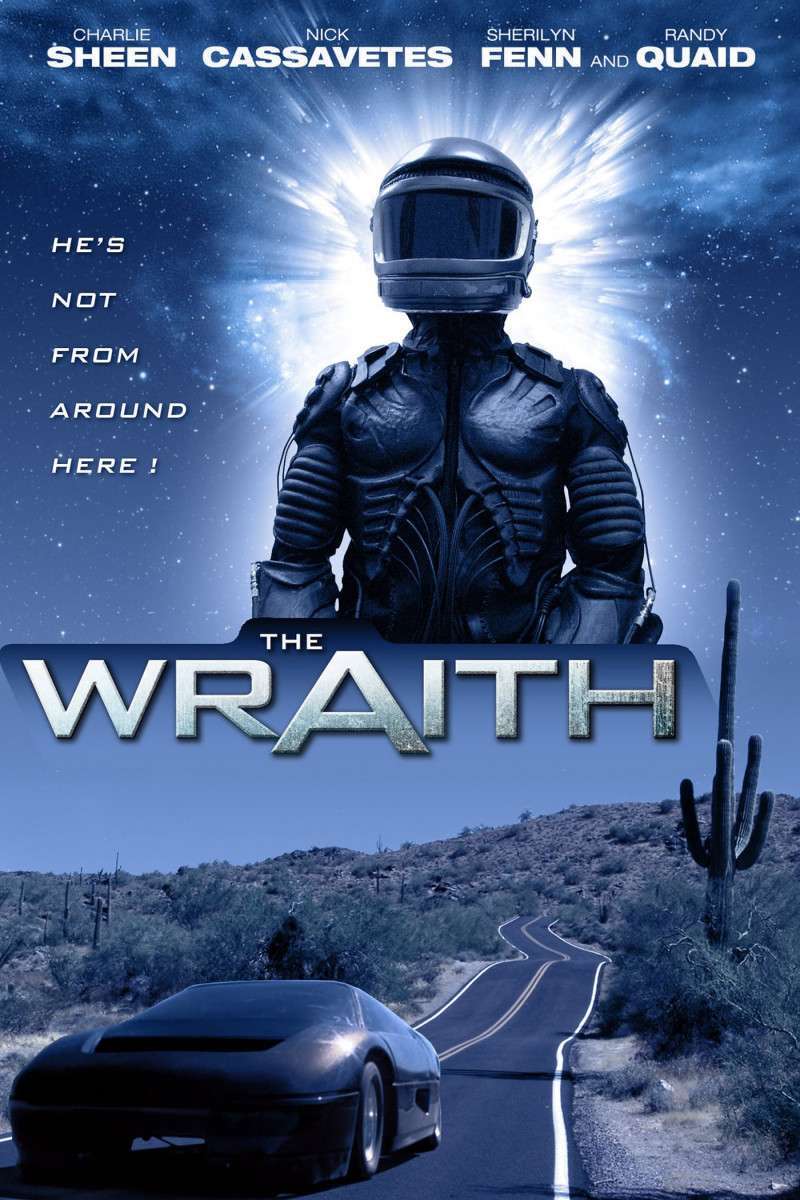
https://archive.org/download/the-wraith-1986/%5BGorGom%5D%20The%20Wraith%201986.mp4
#film #movies #kinostr
Sweet
Good episode 🤙🏽. Important coverage on the coordinator vulnerability. And other “news you can use”. nostr:note1strwrsrwzkvlw0qs5wcjfj4kcnt4mxmdpqv7yu2vl3whj27hp5cskp8z79
Good episode with Peter Diamandis

One last big money print before Christmas
 nostr:note1c7sghncv436ud2j9z502kmflxsm2632p32nvp9zuh74eurdz4kzqkw2278
I painted the inside of my pressure canner with tomatoes once. Just one jar of 7, but it was a mess inside the vessel. Pretty rare but it happens.
Well, my attempt at posting flyers and texting any freedom minded people in my local patriots list two weeks ago about holding an informal first Bitcoin meetup tonight has yielded exactly zero RSVP’s. I’m not surprised or disappointed, as it is a pretty small town.
But one of the best minds at work did come to me the other day and ask if I could send him some resources.
I loaded him up with enough material to keep him busy for 6 months and lent him a copy of Saif’s book. And told him how to acquire a signing device and seed plates and establish his first exchange account. Didn’t want to overwhelm him just yet with no-KYC info yet.
I saved the carcass from the turkey from Thanksgiving and froze it. I made stock out of it yesterday.
I harvested 14 quarts of turkey stock. https://video.nostr.build/a51569f750bd79ba853073be7bbfeffbd2a0f0b3a7958c5cf96c926b9731e529.mp4 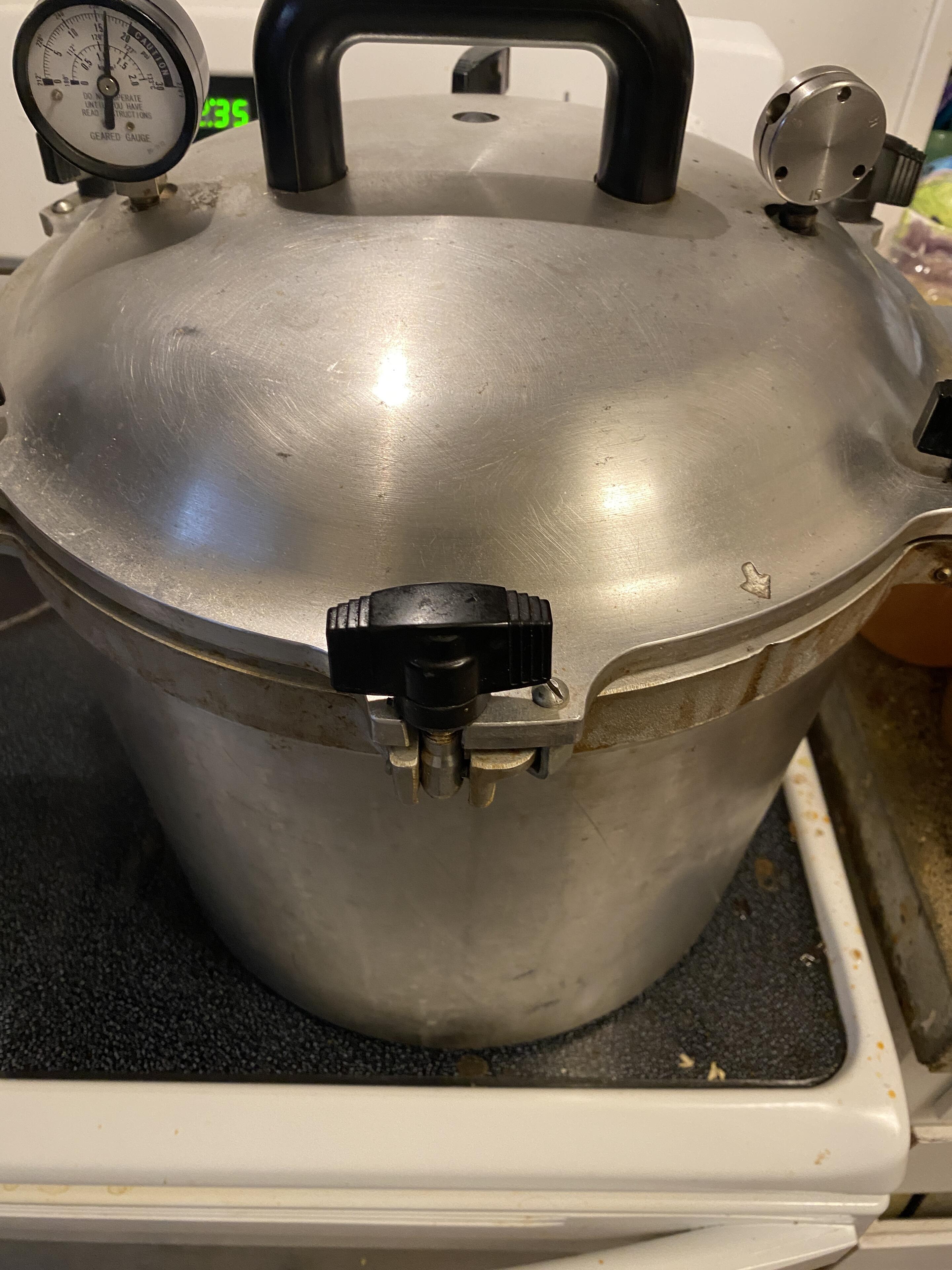
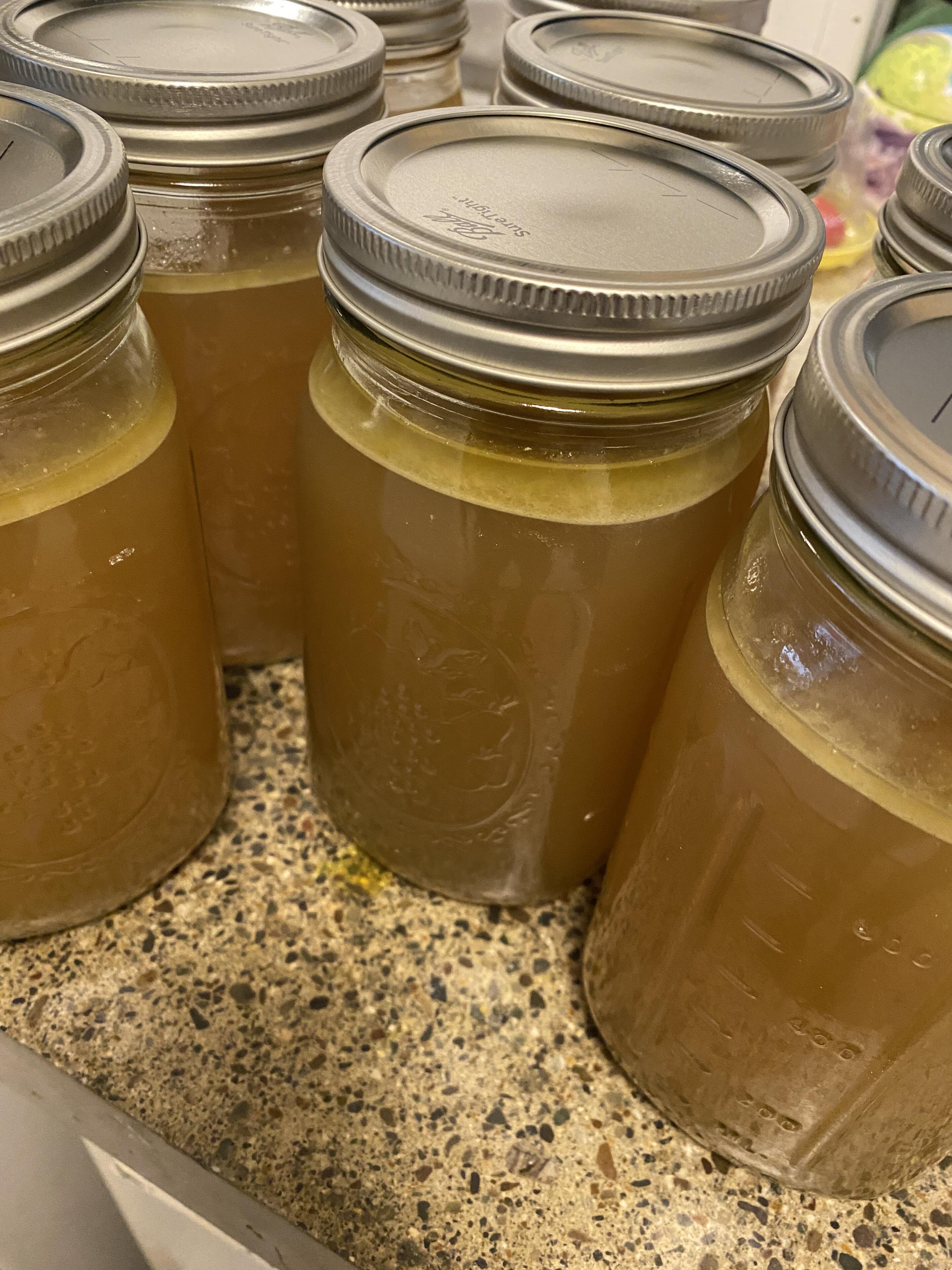
Another awesome use of a pressure canner. When you consider what constituted soup for the average prisoner in Auschwitz, a quart such a stock could really yield a lot of soup in a pinch. The last quarts I did were made with 5 carcasses and 4 of them were the remnants of hot smoked turkeys given to us as gifts. That smoke flavour has made for the best turkey soup I’ve ever built.
Looking forward to pressure canning bone broth too.