

It’s easy too to use #nostr as a marketplace. Could be used like a Craigslist. #


Yes, but there’ll be a point at which one has to measure increasing purchasing power in goods and services. Until hyperbitcoinization is complete. At which point one has to earn Bitcoin.
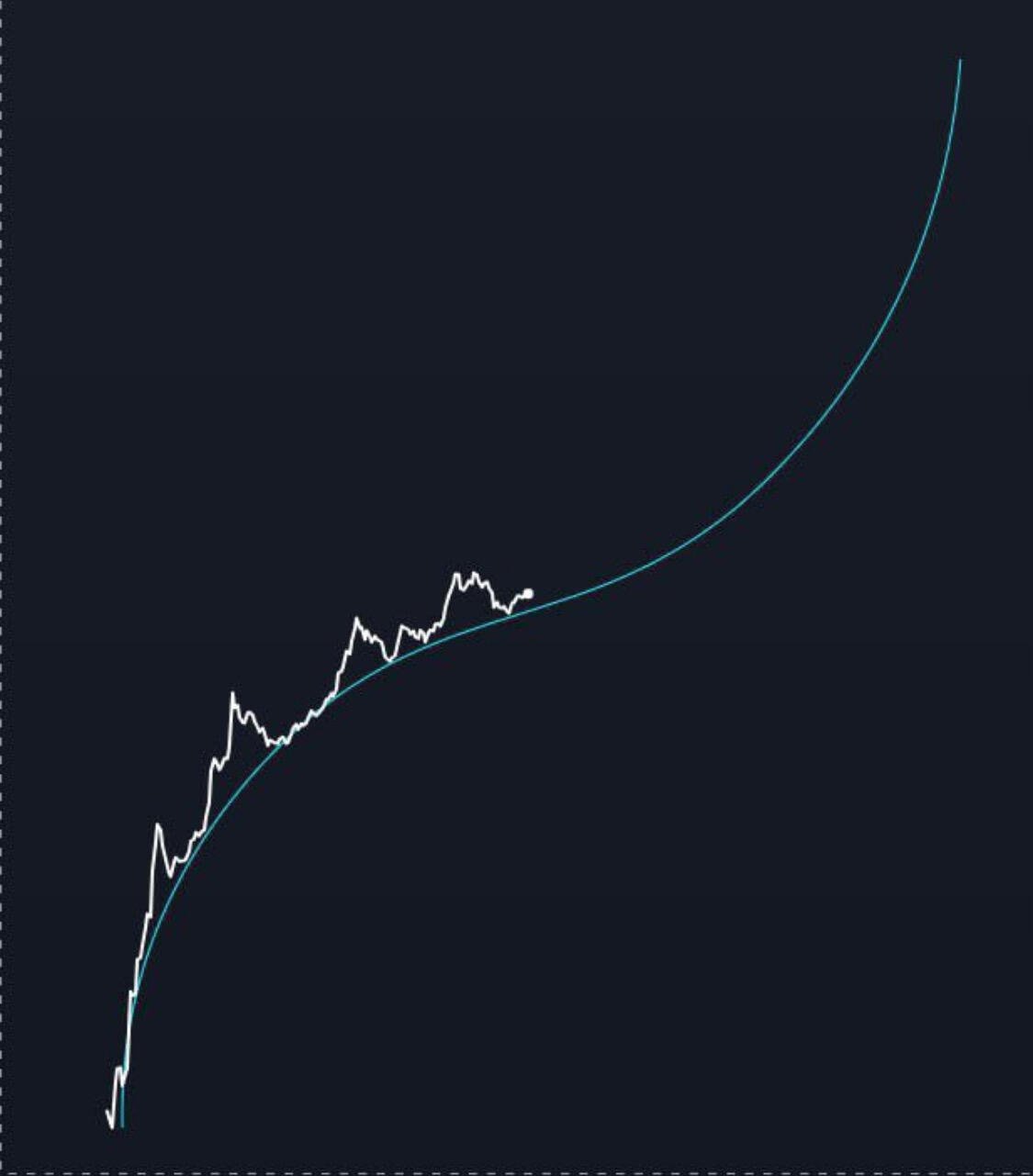


There’s also the money printing aspect associated with real estate. As mortgages are created out of thin air. And then, the government and banks extracts intrest and taxes thus reallocating capital mostly from the middle class.

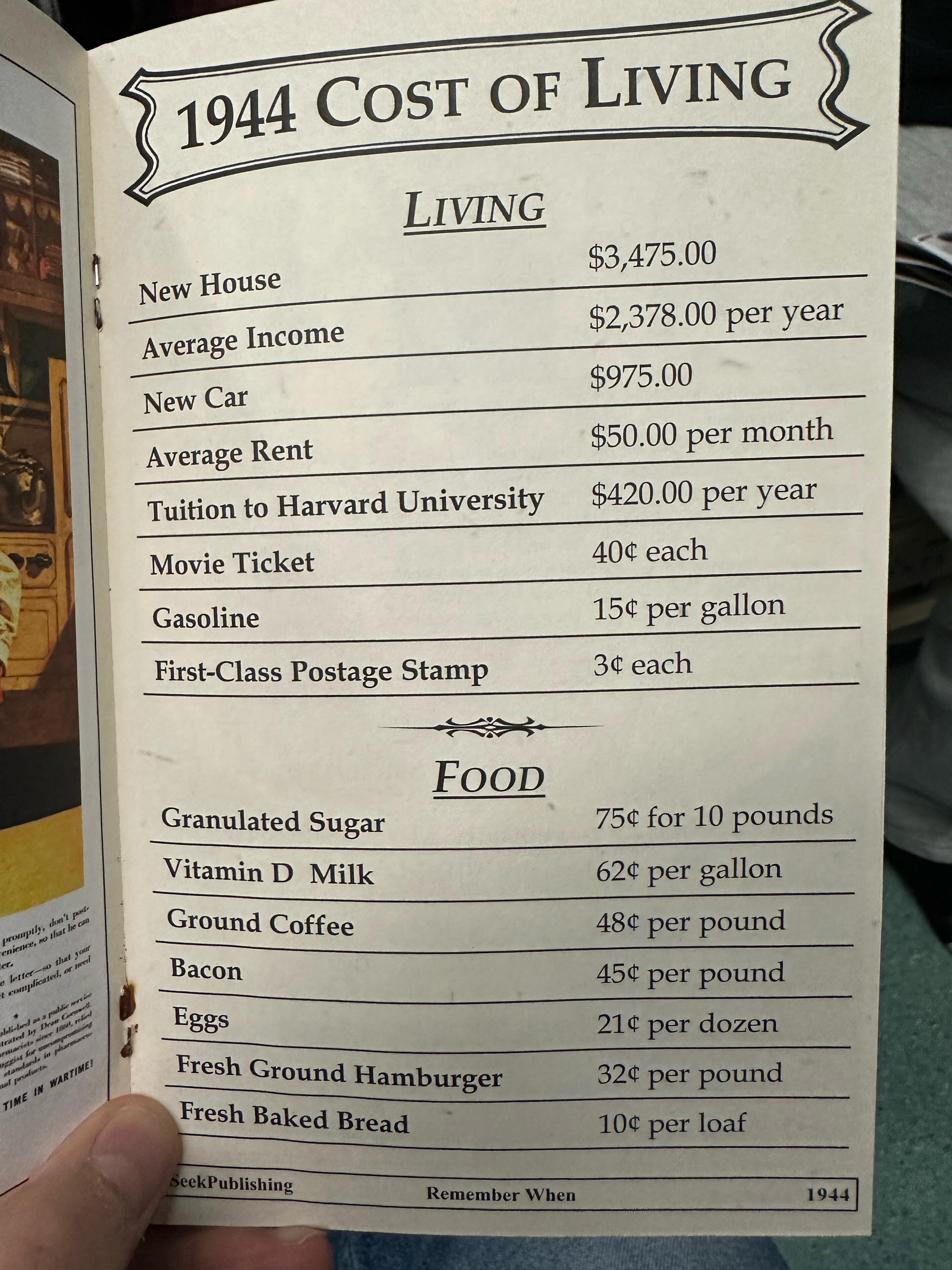
And everything was beautiful.

Correlation is not causation. I would think an acceleration of debt, a stock market crash, collapsing edge countries, anything can tip it.

Let’s hope we (nodes) have consensus not add the Lutnick, Tiehl, Blackrock code „bug“ to the #Bitcoin code.

Unfortunately people are sheeple. Even Winston, in 1984, in the end gives up. Winston Smith, broken and compliant, experiencing a sense of victory over himself as he loves Big Brother, a final act of submission to the Party's control.
The fact we have 20,000 nodes for #bitcoin and what, 200,000 users on #Nostr isn’t bad…


How will we organize after hyperbitcoinization?
I’m wondering what our society will look like in the future. I’ve posted before thoughts about why large centralized democracies don’t work. So, in the vein of decentralization, we may end up moving toward small communities, tribes of like minded peoples in the pursuit of their happiness.
Which led me to look at how American Indians organized. They seemed to, within their tribes, live so harmoniously amongst themselves and with nature.
American Indians organized many decisions around family units and tribal councils. One way to illustrate how it works is to look how American Indians disincentivized bad behavior.
Now probably the first thing to know about Native American history is that there was very little crime. Perhaps crime and punishment go with Western Industrial-type nations. Historically, travelers to the outermost regions of Native America commented on how honest and how little crime existed.
So what did they do if one of their own committed a “crime”?
Firstly, there were no jails. Secondly, while all tribes were different, in matters of severe offenses, the family or the clan usually dealt with the offender. Often the person guilty of the crime was “sentenced” to go away from the tribe and try to make it on his own — which in the long ago past, was almost a testiment to a death sentence. In the Lakota tribe there is a reference in the book, WATER LILY, about the offender having to make restitution with the family by taking a role in the family. Usually such people were so happy to not be put out of the tribe, that they became the best family members of all. Imagine if this were so in our society today? That the offender had to make restitution with the family for his acts? What do you think might be the result? Less crime, perhaps?
In the Creek society, as well as the Blackfeet, the crime of adultery (for women only) was a cut off nose — the tip of the nose. This was usually performed at the request of the offending husband and was done by the society that he belonged to.
As far as stealing is concerned, it was almost unheard of. George Catlin remarked that in all his travels in Native America he had never had one single thing taken from him, or even a hand lifted against him. In truth, one young man made quite a journey to join Catlin in order to return to him some of his property. However, if stealing had been done, the offending party again made restitution with the “victim” by supplying them with whatever they needed in return. Seems a much simplier process, doesn’t it? Make up the damage one has done to the person who has been harmed, himself.
Besides almost non-existent crime, there was also no poverty. Some people were more prosperous than others — such has always been the case amongst a people. But noone went hungry when there was food to be had within the tribe, nor did anyone go without.
And if a culture is known by its humanity towards others and the material condition of its people, then I would have to say that American Indians were, indeed, a culture to be proud.
#Bitcoin. Fix the money, fix the world.
#Bitcoin. It’s the only chance we have.
Parts extracted verbatim from CRIME & PUNISHMENT — Native American Style
October 14, 2008 by Karen Kay

Most normies will never realize what’s going on. The movie The Jones Plantation depicts a few normie archetypes. The little enforcers that get a kick out of their little power, the cowards, the group thinkers, etc etc.
Even Winston in 1984 complied in the end: Two gin-scented tears trickled down the sides of his nose. But it was all right, everything was all right, the struggle was finished. He had won the victory over himself. He loved Big Brother

#Bitcoin separates money from state. It’s not really that important how many Bitcoin the state owns, but have the people of El Salvador fully adopted it? They had plenty of time…

You know how we all talk about trojan horsing with bitcoin.
I'm starting to get a creeping feeling that nostr:nprofile1qydhwumn8ghj7mn0wd68yttsw43zuum9d45hxmmv9ejx2aspr4mhxue69uhkummnw3ez6ur4vgh8wetvd3hhyer9wghxuet5qqs2rqy9tprs8zg59c5h63efuzq6hz7l7x44p58tughl57y43aax4dcr0rju9 (and Trump, David Sacks, etc...) trojan horsed bitcoiners instead. The first meeting she chaired yesterday on digital assets was just about stablecoins (aka psuedo-cbdc). They didn't talk about bitcoin, it wasn't really mentioned in any meaningful way.
Seems like they got us all excited about possibilities like a bitcoin strategic reserve, de minimus tax exemption, etc... to get votes and massive donations. But all we're going to get are a bunch of shitcoin etfs, more pump/dumps (aka 'friendly' regulation), and essentially a government wet dream panopticon CBDC (disguised as "NOT A CBDC, BUT PRIVATE STABLECOINS, WE PROMISE")
Hopefully I'm wrong, but I don't like the direction things are going thus far.
Frankly, Lummis has always been honest about her campaign against #Bitcoin. From the very beginning she‘s been talking about government regulation, such as taxation (above certain amounts) and track and trace and even the government buying #Bitcoin with our money (SBR) to control it. #Bitcoin is a peer to peer electronic cash system separate from any government. I’m not sure why the ambiguity?

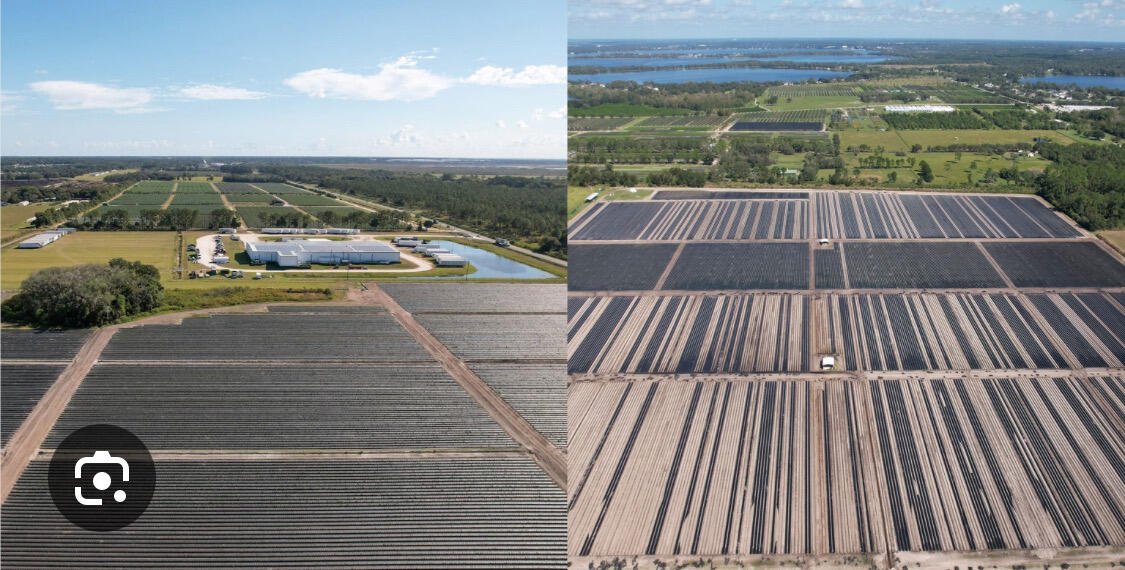
What I came to realize during COVID and through #bitcoin, it’s the people….how do you save the people from themselves?
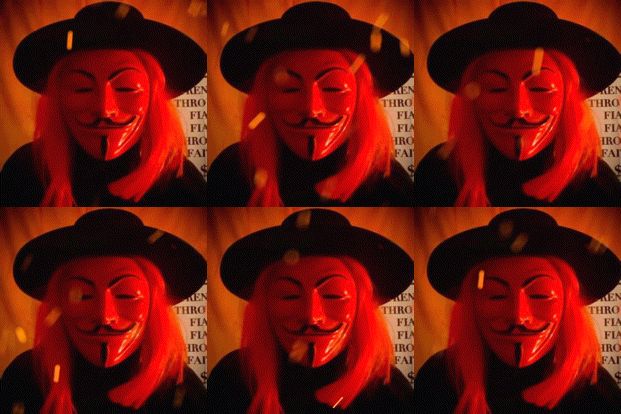
I mean, it’s all in the name. Stan Printingpress.
On June 12, 1987, at the Brandenburg Gate, United States president Ronald Reagan delivered a speech commonly known by a key line from the middle part: "Mr. Gorbachev, tear down this wall!"
I saw interviews of people afterwards and they thought it would take at least 50 years to change.
2-years later the wall came down.
Slowly, then suddenly #bitcoin
