Avatar
Christopher Marshall
16cde121ec939778b69a5e17d7c411ecb55d10af67dd9a3b0be411aaeedbeea8
software developer and communications engineer. interested in bitcoin and understanding 2008 banking crisis.

I have been listening to your discussion with Pascal on the bitcoin enlightenment. I am in the section about using bitcoin as a ruler and you ask when that will happen. I think once bitcoin checkmates central banks so that they can't print money anymore, there will be a period where the value of bitcoin stabilizes, and other forms of money that require trust rise and start to compete with bitcoin to be used as money. One obvious form of that is tokenized commodities and baskets of commodities chosen to have stable value or chosen to match what people typically consume in a given region (electricity, gas, local apartment rental, food, ...). . Bitcoin would enter that system as one commodity among many, except under jurisdictions whose legal apparatus refuses to enforce the redemption agreements for tokenized commodities. In those, bitcoin would be the only acceptable form of money.

As you move through your career, you will notice things in your field no one else does. Take on problems that matter that everyone else ignores. This is your Edge. Relentlessly sharpen it.

Replying to Avatar Lyn Alden

My harshest critic is my husband. Most people can’t honestly say that, but I can.

He’s always my final boss when trying to assert an idea. He’s super smart and usually comes at things from a different angle. And he’s my primary editor. He’s also the head of my website’s customer support center.

Unlike my social media where I shoot from the hip and fuck around, I post detailed articles on my site only after my harshest critic gives me his feedback.

And he doesn’t phrase things like a loving husband normally would. He goes over the top.

He’ll literally put comments on my drafts like “This is fucking right wing trash Lyn. I know you were raised in a trailer park so I don’t expect much, but do better. Rephrase literally all of this.”

That sounds abusive but it’s humorous in practice given our context when working.

We’re not very politically different, but I tend to lean slightly righter than him, so that’s a common source of debate. I pull him right and he pulls me left, not as people who are far apart but who are slightly apart but both opinionated and debate over every inch. It’s on an issue by issue basis.

Mostly he does those comments for humor, but partially because he wants a debate and will bring like a well-researched150 IQ argument to hold the line as I try to argue through his defenses. And I write my research for investment clients of all political views, left and right, globally, as objective as possible, and so he purposely helps keep me straight and steelmans all my arguments for clients.

We debated in the early days about the vaccine in the pandemic, for example, back in 2020 and 2021. We’re still kind of debating about it now in 2025, both granting certain details to the other.

But whenever I write something of substance that is controversial, I know he will read it and call me a retard, which I have to push through and turn into a publishable article.

My social media posts are just me, whereas my long-form posts take time and argue through him.

I often post thoughts and gather comments on Twitter/X, since a lot of tradfi financial pros are happy to discuss. Then I write a piece, and my husband looks through it. I either agree or disagree, and then publish. I get the final say, but I only publish after I’m confident after his arguments.

TLDR; My summary from this whole rambling piece is that I suggest you find a close loved one who will call you a trailer park retard while challenging you on every piece you write while loving you.

Few people will do that but it’s important.

I would like to hear about your thoughts on vaccine safety testing and how covid was handled. What points do you and your husband disagree on?

The billionaire class needs to stop making outrageous amounts of money from selling onesies with propaganda stenciled on!

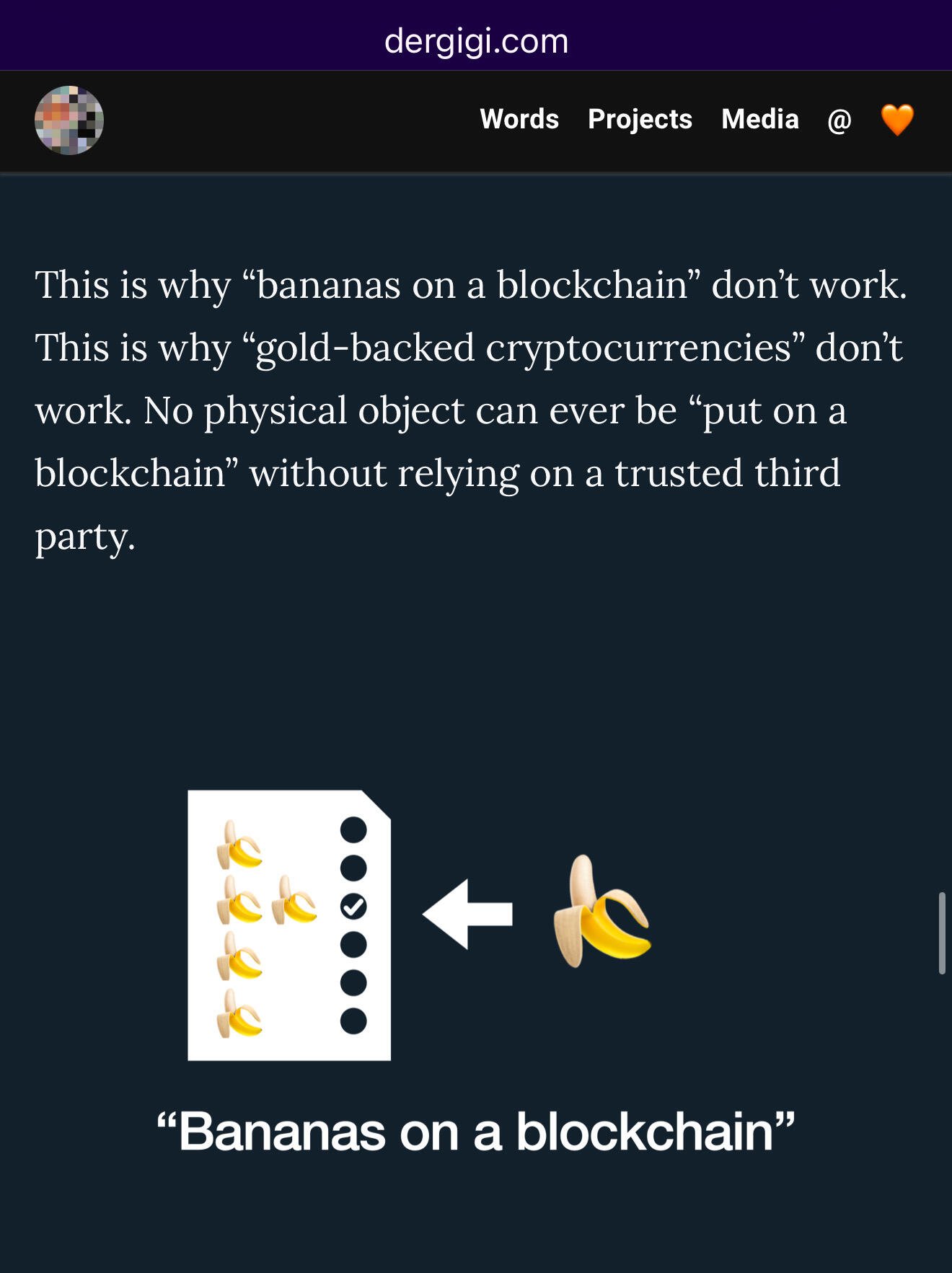
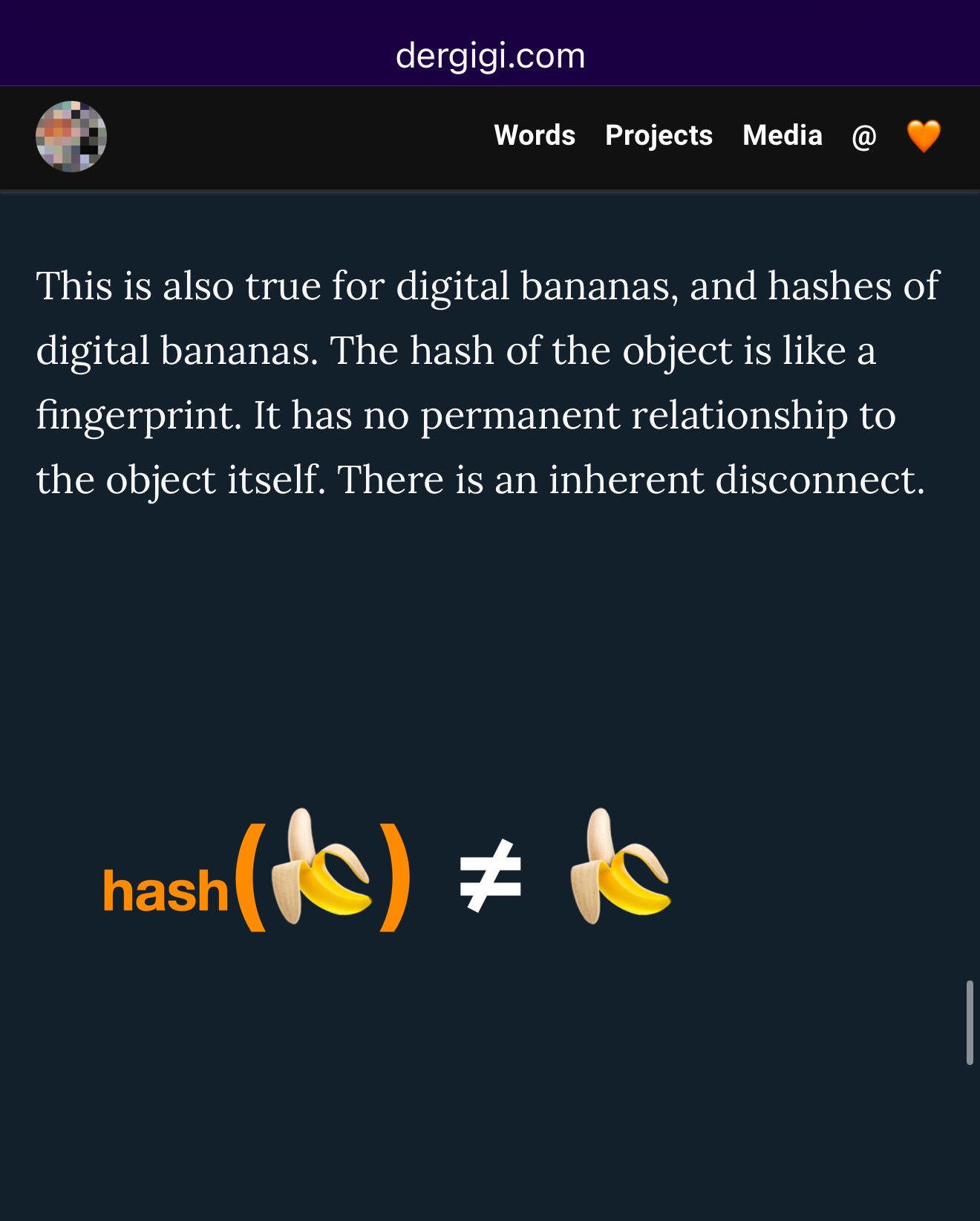
They work just fine in terms of satisfying demand for commodities efficiently. They don't work just fine in terms of being usable as a form of money. Which they could if they were tokenized.

There is of you want to create currencies from baskets of commodities (flatcoins). I think those are destined to become units of account, which I don't think Bitcoin is useful for the until after the price stabilizes. And even then, bitcoin is one commodity among many. Would you be willing to hire someone for a fixed amount of Bitcoin as their yearly salary?

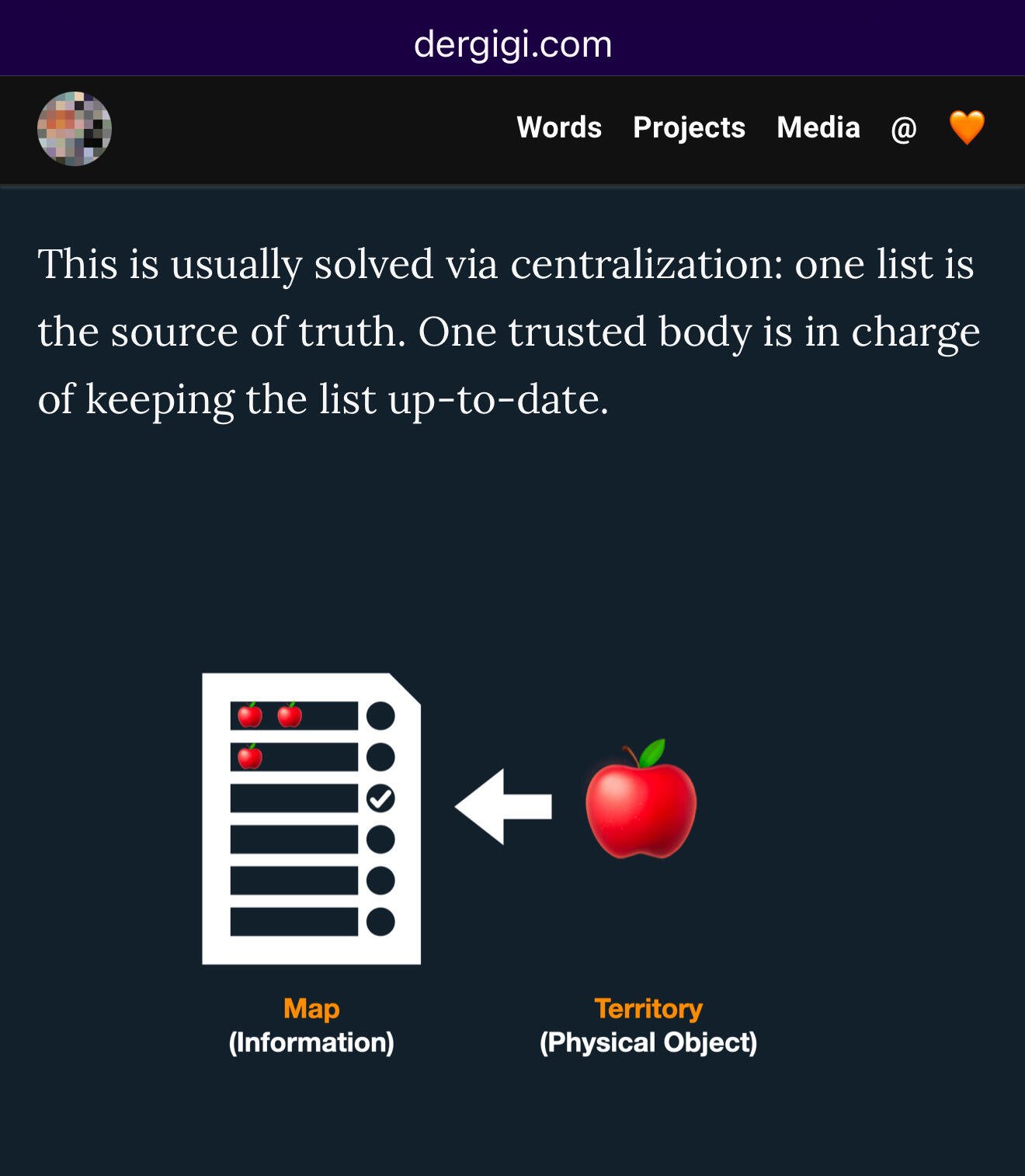
Does tokenizing assets and commodities require any more trust than placing an online order with Amazon and expecting delivery? Tokenized commodities will become a significant economic force on the coming years. Those countries that manage this well will even see tokenized commodities compete with Bitcoin for use as medium of exchange and unit of account. Those countries that don't will have to rely on more trust less protocols like Bitcoin.

I think being able to usefully navigate a noisy, cluttered (real world) environment requires a cognitive architecture with a vast number of edge cases. Finding an architecture like that from first principles takes an evolutionary process operating over a vast area (the biosphere of the earth) and time scale. We can discover useful pieces of it if we study how insects are able to operate so well with such small nervous systems and so little power. I predict we won't make much progress in robotics until we take that able seriously.

And income tax is punishing people for being productive. Not sure why cap gains is worse than other taxes like income and sales. I hadn't thought of the inflation avoidance angle before though. So we have a feedback loop between the gvt causing inflation and getting more revenue from cap gains. I wonder if there is a way to modify the cap gains tax to reduce that effect.

My guess is he wants to outlaw open source development. It's too dangerous for just anyone to be allowed to experiment with. Only the blessed shall tinker.

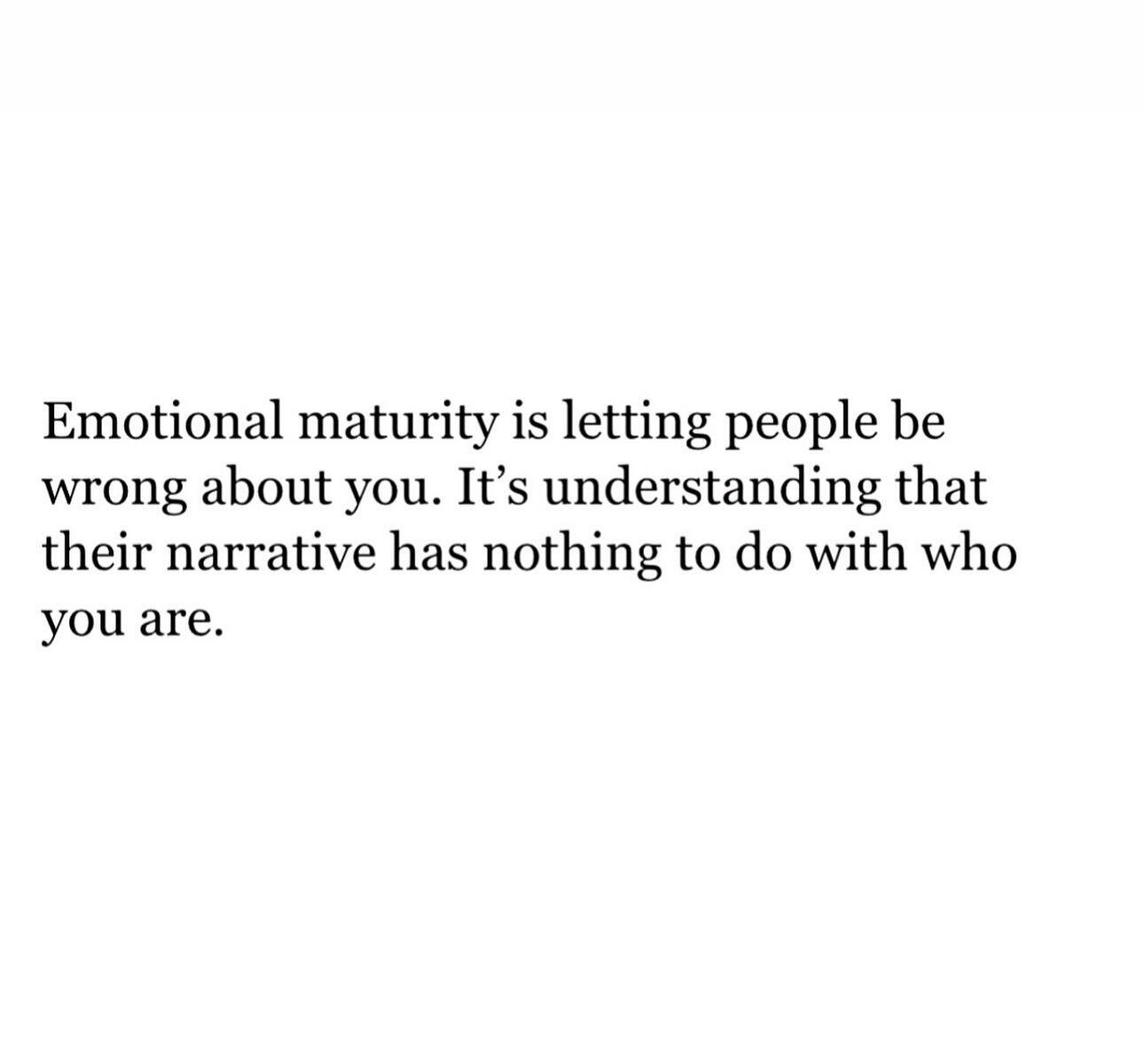
My take on this: be confident in your long game. When people unfairly blame you for things that are not your fault, or think ill of you, they are either not understanding your long game, or they are opportunistically connecting a false set or dots to blame you for their failures. That set of dots will be seen as fraudulent in the long run as your good faith efforts pay off. If you reply to accusations immediately and comprehensively, instead of ignoring them or giving simple short replies, it shows that you don't trust your own long game. If the people blaming you now are working with you in good faith, they will realize they were wrong soon enough and respect you more for being steadfast and not getting excited about being blamed.

Those make sense to me. I wonder if "6102 honeypot" shouldnt be added to the list. He would be such a fat target to a desperate govt when fed printing is checkmated by the Btc omega candle.

Replying to Avatar Lyn Alden

A lot of people look down on blue collar work, which I think is misguided. Especially for skilled blue collar work (and most type of work does benefit from skill/experience).

Basically, there’s a popular notion that it’s objectively better to be a CEO than a plumber, or an engineer than a barber, and that’s pretty off base. So it’s not that they criticize blue collar work in any overt way; it’s that they assume that that people in “lower” jobs would all want to be in “higher” roles if they had the choice. A technician would want to be an engineer. A janitor would want to be a CEO.

There are a lot of studies on job happiness and one of the most consistent correlations is that people are happier when they get more immediate feedback. Like if you cut people’s hair or fix mechanical issues or wire up electronic boxes, you often resolve things in minutes, hours, days, or weeks depending the specific task, and with progress along the way, so you get that quick feedback loop where you see the positive results of your work quickly and tangibly. Nothing lingers, unclear and vague.

And for those jobs, often when you’re outside of work hours, you’re truly out. You don’t have to think about it. You can fully devote your focus elsewhere. There’s not some major thing hanging over your head, other than sometimes financial stress or indirect things.

Now, obviously jobs with more complexity and compensation and scale give people other benefits. More material comfort and safety, more power to impact the world at scale, more public prestige, etc. and for some people that’s important for happiness, and for others it is not. And the cost is that it’s generally highly competitive, rarely if ever turns off, and usually comes with much slower and more vague feedback loops in terms of seeing or feeling whether your work is making things better or not.

There was a time in my life where wiring up electronic boxes was really satisfying. Each project had a practical purpose but then also was kind of an artform since I wanted it to look neat for aesthetic and maintainability purposes. I would work on these things like a bonsai enthusiast would sculpt bonsai. And then eventually I would design larger systems and have technicians wire them instead, but for some of the foundational starting points I’d still set up the initial core pieces to get it started right. I wasn’t thrilled when I realistically had to give that up when I moved into management for a while.

I have a housekeeper clean my house every couple weeks. She’s a true pro; she used to clean high-end hotels for years and now works for herself cleaning houses. When we travel, she can let herself in and clean our place, since we trust her.

She doesn’t speak much English, but her daughter does, and that daughter recently graduated college.

Notably, she consistently sings while she cleans. She could listen to music or podcasts but doesn’t. She just sings every time she cleans. I can tell she’s generally in a state of flow while cleaning. She’s good at what she does, and it’s kind of a meditative experience involving repetition but also experience to do it properly and efficiently and then a satisfying conclusion of leaving things better than how they were found. Turning chaos to order.

Last year she was hit by a truck while driving, and had to be out of work for a few months to recover. When she came back, we just back-paid her the normal rate for those few months as though she cleaned on schedule, so she wouldn’t have any income gap from us. Full pay despite a work gap. She was shocked when we did that. We weren’t sure her financial situation (I assume it’s pretty good actually based on her rate), but basically we just treated the situation as though she were salaried with benefits even though she works on a per-job basis. Because skilled, trustworthy, and happy people are hard to come by and worth helping and maintaining connections with.

If I were to guess, I honestly think she is a happier person than I am on a day to day basis. It’s not that I’m unhappy; it’s that I think whatever percentage I might be on the subjective mood scale, she is visibly higher. I experience a state of flow in my work, and my type of work gives me a more frequent state of flow than other work I could do, but I think her work gives her an even higher ratio of flow.

Anyway, my point is that optionality is important. While it’s true that some jobs suck and some jobs are awesome, and financial security matters a lot, for the most part it’s more about how suited you are for a particular type of work at a particular phase in your life. And you’re not defined by your work; it’s just one facet of who you are among several facets.

Find what gives you a good state of flow, pays your bills, lets you save a surplus, and lets you express yourself in one way or another.

Do you have any thoughts of vivek's recent commentary on American cultural pathologies w.r.t tech work? My summary: American kids are not guided well in developing their tech talents and waste too much time watching TV and spend too little time learning math and science compared to asian cultures like India and China. My gut feel is that he is wrong but I don't have a detailed argument around that yet. I am still thinking about his remarks and the ensuing brawl on Twitter.