Avatar
PaddleManJoe
181f334d46f8ec615ff12c0c987055ae8dc003a18967205baeeb27d41fe7d9f3
Just a meathead trying to figure out this Freedom tech thing. I occasionally post whitewater kayaking footage from my archive.

Think the biggest perk of borrowing against your Bitcoin is that you don't have to sell it right? No taxes..... That's like 30% extra spending power right there.
Exception: Its great to tell them to stay humble and stack sats.

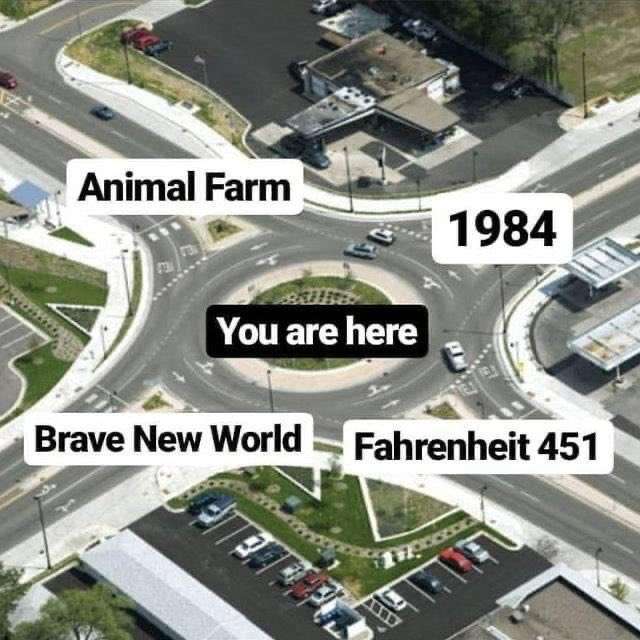
I think I'll just do laps on the round about forever.

Replying to Avatar Avi Burra

Why am I always the middle bell curve guy 😔

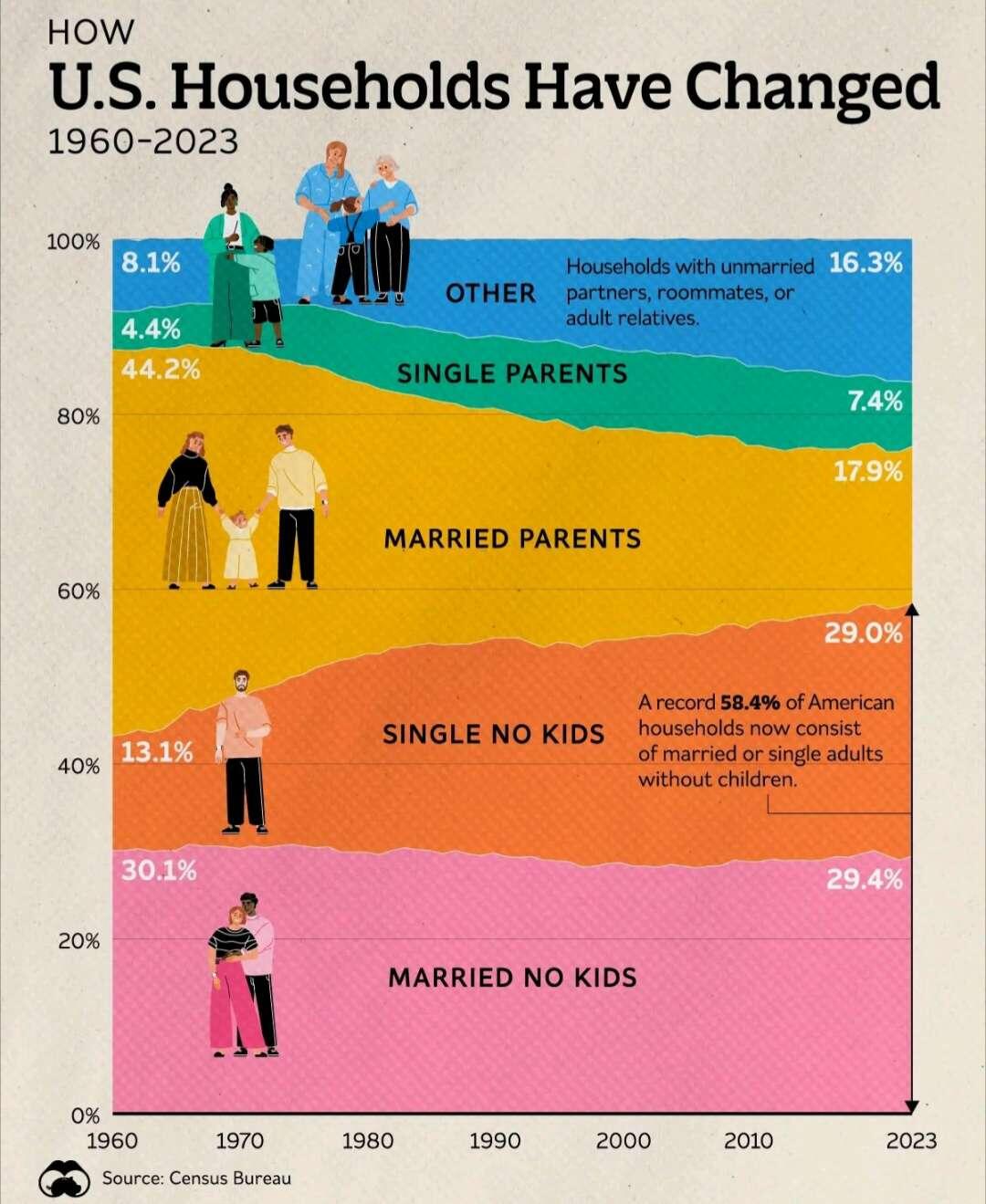
We will out breed all them all.

I have only read Mistborn. The Gods clashing like they did was a pretty unusual theme. The evil god being as powerful as the good one was terrifying. Felt like a Greek pantheon war or something. Most modern fantasy is either Christian themed or all atheist so this was pretty weird and differnt.


I think this dude is wrong. There is plenty oil out there even if it gradually gets more energy intenseive to extract it. If the civilization of tomorrow weilds more energy than today then this is no problem.

Think we will always be growing, but this fiat cancer growth has got to stop. Growth will mean a completely different thing under a Bitcoin standard.

Replying to Avatar Lyn Alden

One of the things I’ve been thinking about a lot lately is non-traditional story structures.

(Spoilers for The Matrix, Sicario, and John Wick if you haven’t seen them by now…)

A good example of a traditional story structure is The Matrix. It’s a typical three-act structure with an underdog protagonist who explores a whole new world, powers up via his mentor, and then takes down the stronger villain and gets the girl. But it’s more creative and better executed than most. Top shelf stuff.

In contrast, a movie like Sicario is less traditional. We mostly follow the story from the protagonist’s perspective. But then toward the end, she basically gets defeated and her worldview is invalidated. And then a supporting character, like a dark anti-hero type, kind of takes over as the main character for the final 20 minutes of the film. It’s quite highly rated and very good, but that kind of structure can be risky because the protagonist that we've come to care for goes through an anti-climactic and unhappy ending, with the dark/cynical side winning over the light/optimistic side. And it’s not even as simple as “villains win”, but rather, the anti-hero kind of takes over as the main character and defeats villains in the original protagonist's place, so we have partial "protagonist rotation", where a supporting character kind of ends as the main character. It’s a higher difficulty level to land that type of ending because the viewer is like, “Damn. I mean amazing too, but damn.”

A less complex example of a non-traditional structure is John Wick. It’s an action movie, one of the better ones for its genre, but the non-traditional element is that we know from the start that the protagonist John Wick is the biggest badass around. None of the villains are as strong as him individually, or even close really. The villains are the underdogs. And so to make that non-boring (“John Wick just kills everyone and wins easily”), it requires things like greater numbers of villains, and/or various schemes to surprise or outsmart the protagonist. It’s also a little harder to stick the landing because the climax can be less satisfying if you know from the start that the protagonist is stronger than the antagonist, and so it either needs emotional depth, complex situations, or other ways to make that ending satisfying.

I’ve been exploring some of these and thinking about it a lot because my novel has a number of these types of non-traditional elements, which elevates the difficulty in terms of making them satisfying despite going against the basic structure that people expect as a baseline.

Are there books, shows, or movies you like that go through rather non-traditional story structures?

My favorite story arc is having two seperate worlds collide and merge. The story follows two characters that have all the pieces of the puzzle, but they don't really know each other. Its even better when one charactor is astonished by the other character. These are the most dramatic moments I have encounterred. Extra tasty when one character arrogantly underestimates the other for the whole story beforehand.

Breaking Bad, where Hank finally discovers that Walter is Heisenberg. Arsenic and Old Lace, the psycho murderer dude discovers that his sweet old aunts are not so innocent and helpless. The Expanse, Detective Miller and Holden finally meet 2/3 of the way through the book.
Replying to Avatar Lyn Alden

One of the things I’ve been thinking about a lot lately is non-traditional story structures.

(Spoilers for The Matrix, Sicario, and John Wick if you haven’t seen them by now…)

A good example of a traditional story structure is The Matrix. It’s a typical three-act structure with an underdog protagonist who explores a whole new world, powers up via his mentor, and then takes down the stronger villain and gets the girl. But it’s more creative and better executed than most. Top shelf stuff.

In contrast, a movie like Sicario is less traditional. We mostly follow the story from the protagonist’s perspective. But then toward the end, she basically gets defeated and her worldview is invalidated. And then a supporting character, like a dark anti-hero type, kind of takes over as the main character for the final 20 minutes of the film. It’s quite highly rated and very good, but that kind of structure can be risky because the protagonist that we've come to care for goes through an anti-climactic and unhappy ending, with the dark/cynical side winning over the light/optimistic side. And it’s not even as simple as “villains win”, but rather, the anti-hero kind of takes over as the main character and defeats villains in the original protagonist's place, so we have partial "protagonist rotation", where a supporting character kind of ends as the main character. It’s a higher difficulty level to land that type of ending because the viewer is like, “Damn. I mean amazing too, but damn.”

A less complex example of a non-traditional structure is John Wick. It’s an action movie, one of the better ones for its genre, but the non-traditional element is that we know from the start that the protagonist John Wick is the biggest badass around. None of the villains are as strong as him individually, or even close really. The villains are the underdogs. And so to make that non-boring (“John Wick just kills everyone and wins easily”), it requires things like greater numbers of villains, and/or various schemes to surprise or outsmart the protagonist. It’s also a little harder to stick the landing because the climax can be less satisfying if you know from the start that the protagonist is stronger than the antagonist, and so it either needs emotional depth, complex situations, or other ways to make that ending satisfying.

I’ve been exploring some of these and thinking about it a lot because my novel has a number of these types of non-traditional elements, which elevates the difficulty in terms of making them satisfying despite going against the basic structure that people expect as a baseline.

Are there books, shows, or movies you like that go through rather non-traditional story structures?

No Country for Old Men. I was gripped the whole time. I loved the main theme. You can be the most badass commando, but one stray bullet is still enough to take you. The villian winning and getting the last laugh was kinda lame though.

Replying to Avatar WienerMemer

Makes sense. Every year the federal government has expanded its scope and power. Stakes get raised every election.