

Steamrolling y'all mothafuckas.
nostr:note1dpy8uek38qqtc5frzf77hnhtsw0xyerpatfldm3gk0jq2sspjt7q3ykm5j
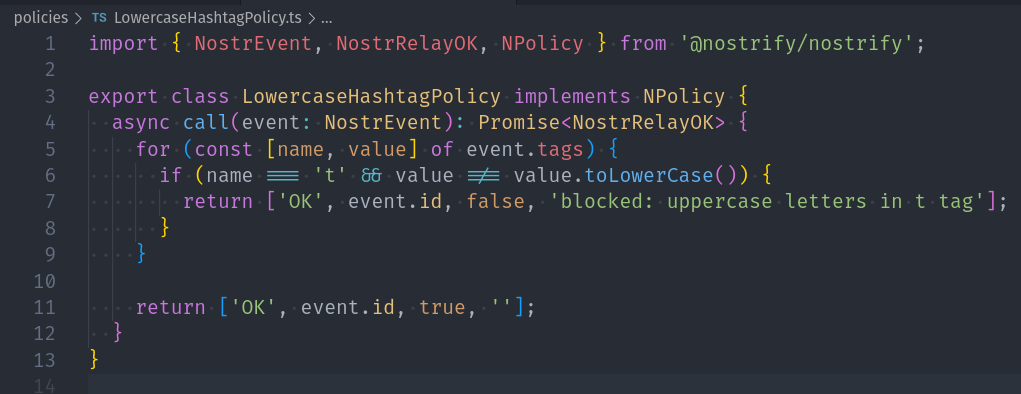
I appreciate the chuckle I had, but CamelCase hashtags are pretty essential for screen reader accessibility for multi/compound word tags. But not sure how a policy could properly account for that.
By the way, this is usually done via oEmbed around the rest of the Web: https://oembed.com
That was my point. A livestream would work the same way, and it's just a matter of the client rendering it inline or not.
Agreed on it just being the Web. However, it's still a bit different with signed content, because it is attributable to that pubkey for eternity, whereas unsigned content offers plausible deniability.
This is a misconception. Images and videos "on Nostr" are simply uploaded to normal HTTP servers, and native Nostr notes only contain links to them.
What a client does or does not render inline (so it looks like it's part of the Nostr note) depends entirely on the client.

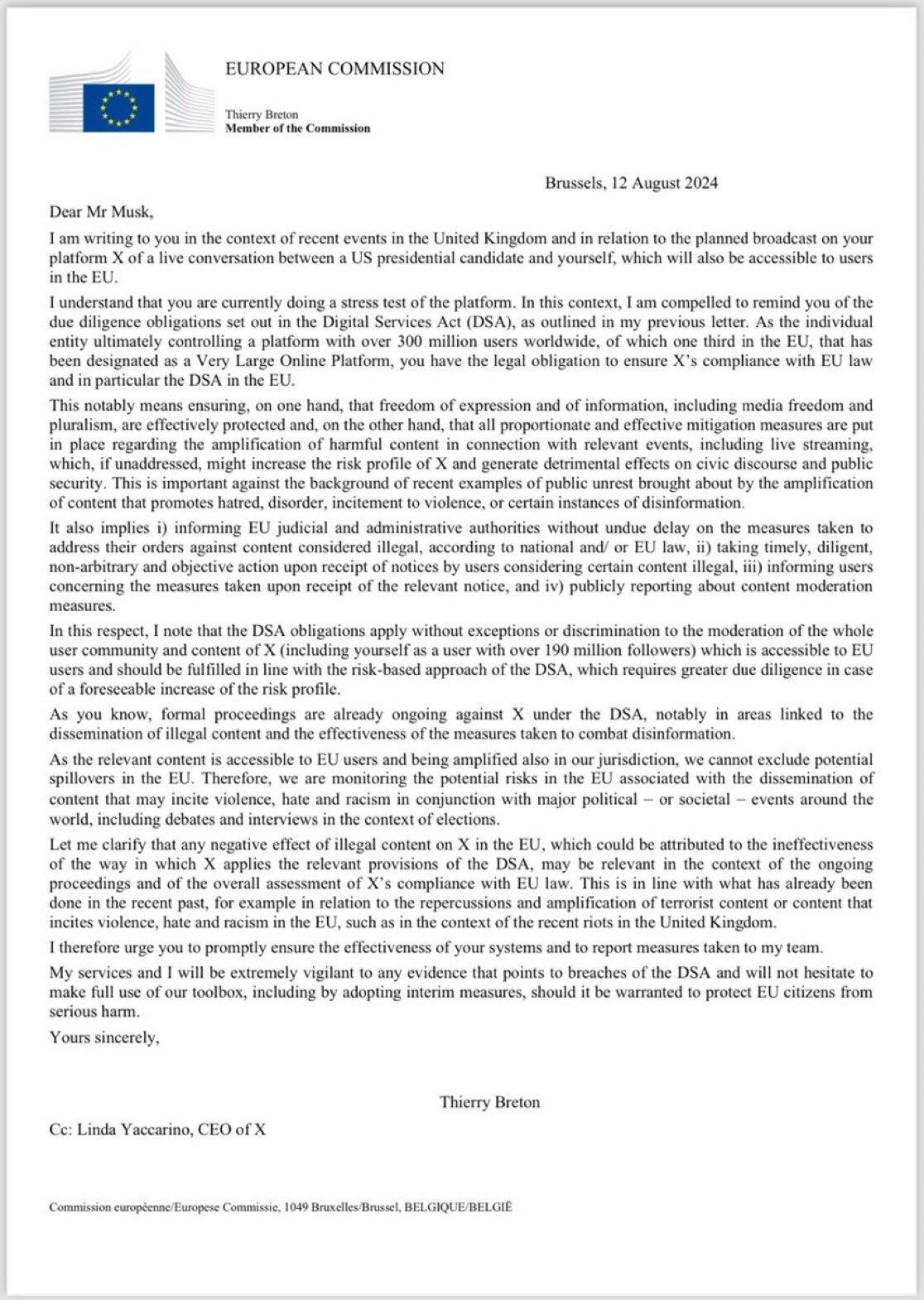
EU trying to steal the strongly-worded-letter meme from the U.N.? Hilarious! :D
General rule for economics and life: something that requires energy to be provided to you can never be free. It can only be paid by someone else's energy expenditure.
From this, it follows that:
1. Money based on energy is the purest and least corruptible form of money.
2. The less energy a good or service requires to be provided, the cheaper it should be. If this is not the case, then the price is artificially inflated.
3. Information wants to be free, because its marginal cost of production is virtually zero with modern technology.

Just a note regarding the real-world usage of such a function, since this has existed for a long time already on the fediverse, where you also post your content to hundreds (if not thousands) of other servers/instances, and which I've been using over Twitter since 2017:
1. In almost all cases that I have deleted (or even better on Mastodon: "delete and re-draft") a post, it was within less than 10 seconds after posting the mistake. It's highly unlikely that normal people not running a surveillance machine would be able to save it that quickly, since they have to see it first, and then not have it disappear from their timeline immediately.
2. We have to assume that someone *is* running such a surveillance machine, so anything posted publicly has to be assumed to be indexed and searchable *by these actors*
3. Since Mastodon introduced post editing a while ago (i.e. publicly announcing changes to a post), I haven't used "delete and re-draft" at all anymore. This is because deletes were usually about fixing things like typos, grammar, formatting, broken links, etc.. Sometimes it is about changing the content itself, e.g. to remove an unnecessarily aggressive tone for example. But even then, it's virtually always fine if someone would be able to read the previous draft but know that my intention was to change it.
4. I do not remember ever having had to remove something that you describe causing the fear. However, Mastodon does strip image metadata automatically for example, and I think basic safety features like that are very important.
Anyway, just some personal observations, because we don't have to talk about it as if it's some kind of untested no man's land of decentralized social protocols. Hope it's helpful to someone.

We have a small gift for you today: over the past 8 months, we've been building an icon library for various decentralized social platforms and protocols within the space. It's an ongoing effort, and we're happy to release our initial version today. It's like Font Awesome, but for the Social Web!
https://wedistribute.org/2024/08/decentralized-social-icons/
I think liaizon deserves an honorable mention for https://fediverse.wake.st
nostr:npub1uac67zc9er54ln0kl6e4qp2y6ta3enfcg7ywnayshvlw9r5w6ehsqq99rx Thanks for the nostr.watch service!
I'm wondering if there's any documentation about what constitutes "spam protection" on the relay details page? (Our relay is members-only and thus spam-protected in my opinion.)
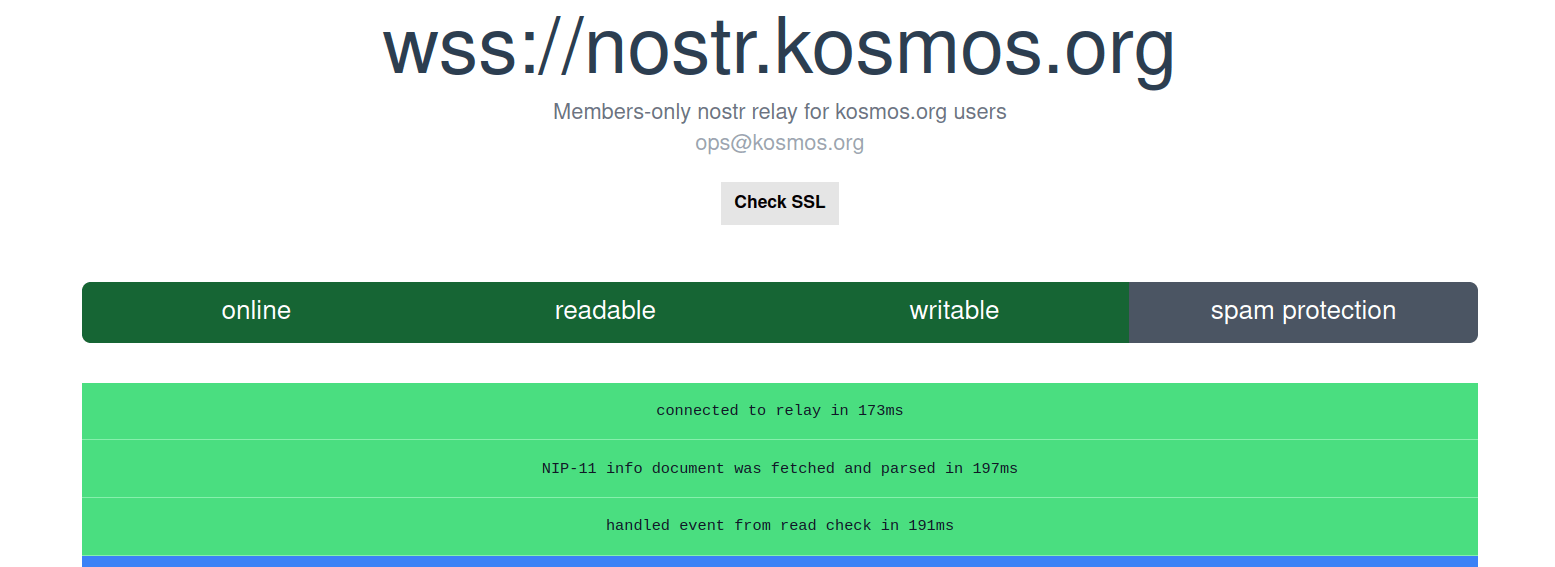


This is a pretty good summary:

Browsers already provide options to block cross-site cookies, and some of them do it by default. No extensions necessary.

Not just that, but also Enhanced Tracking Protection in Firefox for example.
It's both a currency *and* a commodity, so both are valid terms for acquiring BTC.

Was actually thinking about a bunch of gambling ideas involving zaps and DMs recently. I think there's a lot of potential to piggyback on existing clients this way, so you don't even need a custom Web UI at all.
Yes, you'd have to manage Web Push subscriptions on the server issuing the push messages, and store pubkeys per subscription there. I can help you with the actual implementation if you want, but only from Thursday on.