
Probably nothing 👍 

I just finished reading "Christ the Eternal Tao"
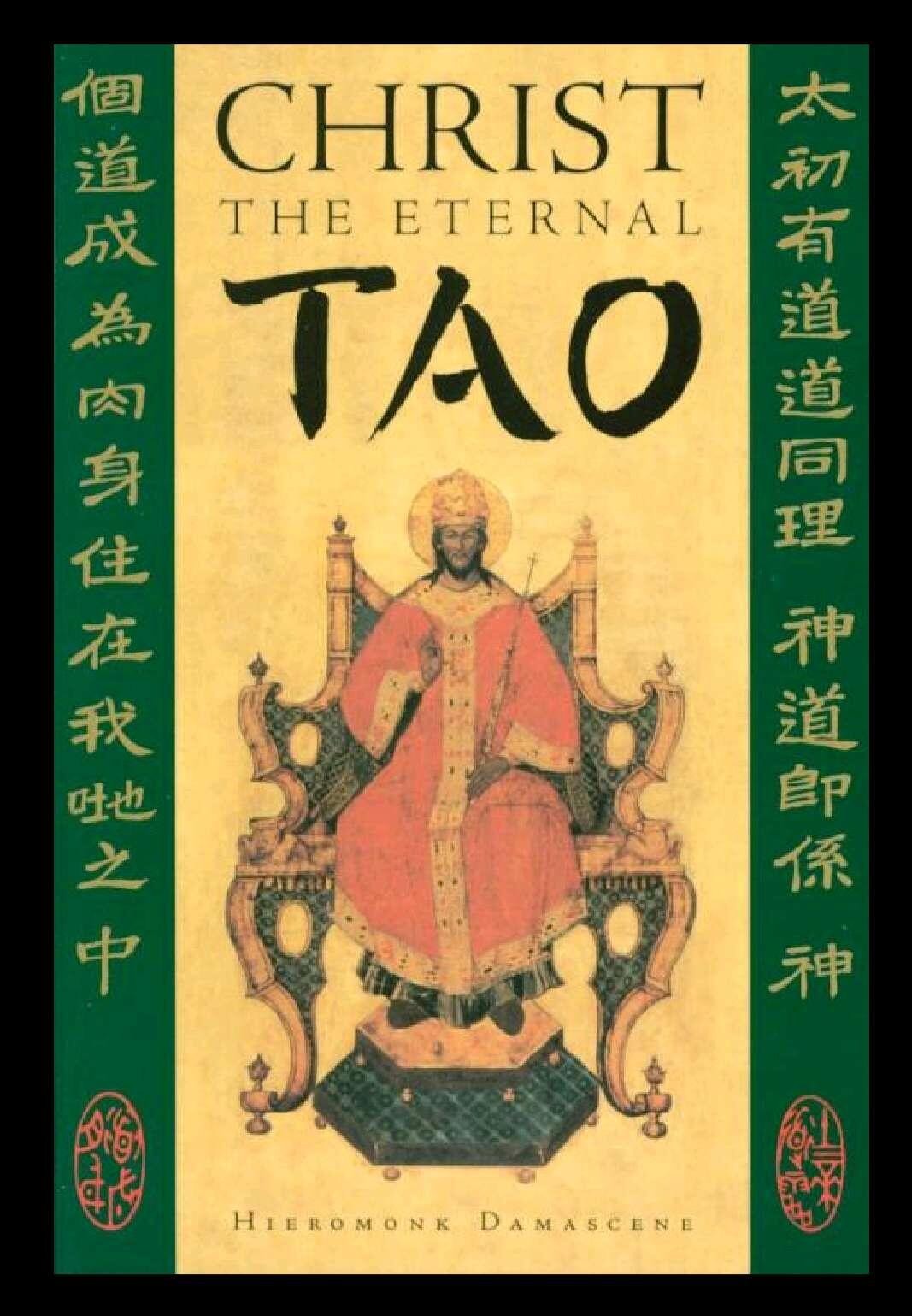
which is written by an Orthodox author and is actually more about Orthodoxy than Taoism and is pretty good. I found Orthodoxy at times appealing while reading it, but then they also engage in what I call "Mariolatry" by referring to Mary as "the Mother of God" and praying to her, which the Roman Catholics are also guilty of.
The book also gets into "deification" or "divinization" which is like man becoming God or in union with God, which is something I certainly I never hear talked about in Western theology! It is said the early church father Irenaeus taught "God became man in order that man might become god" 😳 (but I haven't found a direct quote of this from Irenaeus yet). The apostle Peter did write that Christians have become "partakers of the divine nature" ( https://ref.ly/2Pe1.3-4 ). I will have to explore this idea further...
John 10:30-36 ESV — I and the Father are one.” The Jews picked up stones again to stone him. Jesus answered them, “I have shown you many good works from the Father; for which of them are you going to stone me?” The Jews answered him, “It is not for a good work that we are going to stone you but for blasphemy, because you, being a man, make yourself God.” Jesus answered them, “Is it not written in your Law, ‘I said, you are gods’? If he called them gods to whom the word of God came—and Scripture cannot be broken— do you say of him whom the Father consecrated and sent into the world, ‘You are blaspheming,’ because I said, ‘I am the Son of God’?


2 related videos I think you'd enjoy.
Directly related to my previous reply. 🙏
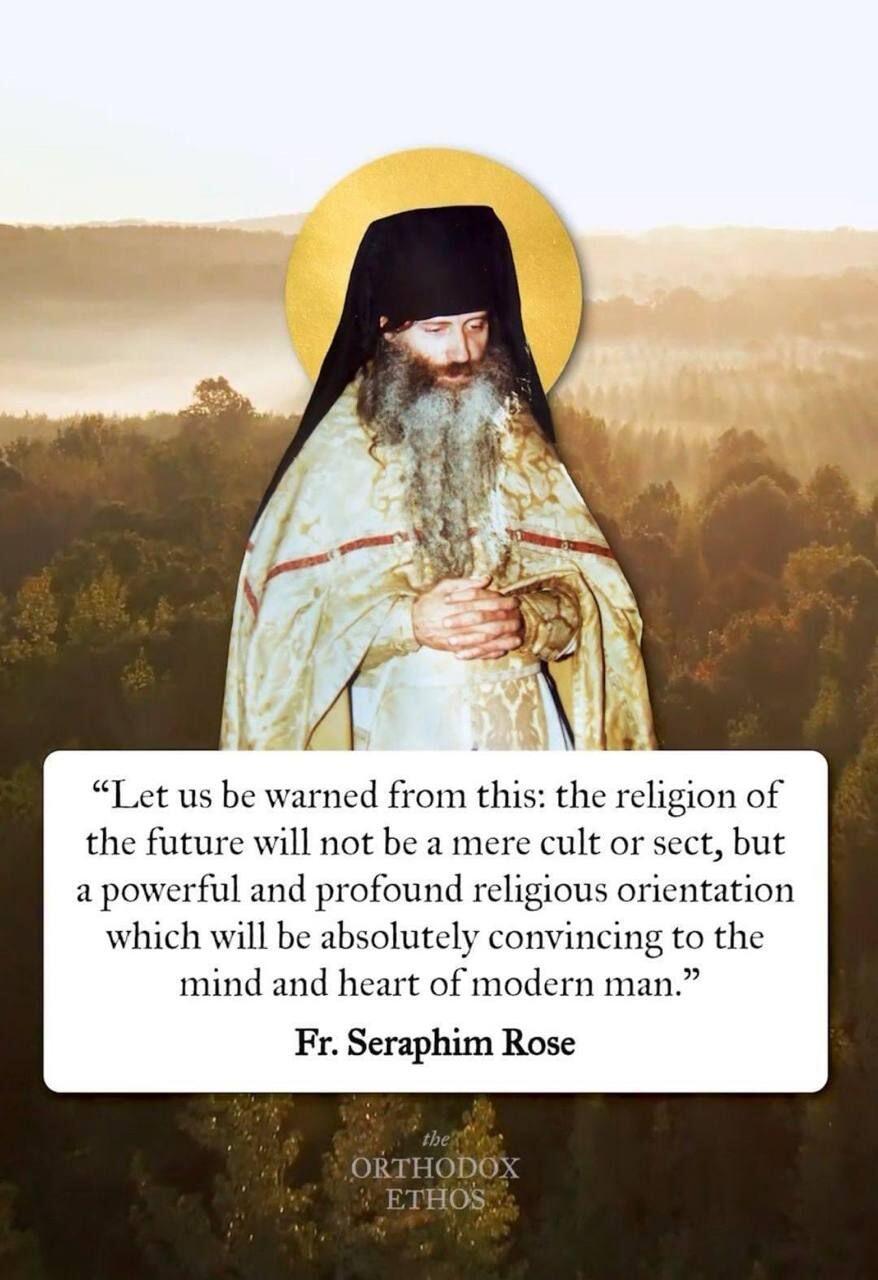
This book is something like ~50 pages. It's a talk Fr. Rose gave in California to a college. His story in itself is worth investigating and his talks and writings speak to the post-modern age in an incredible way. This book may not answer your question but perhaps it will bring you to the person that could.
https://www.goodreads.com/book/show/262282.God_s_Revelation_to_the_Human_Heart
☦️ 
☦️ 



☦️ Fr. Rose's story is one which will resonate with the, "I'm not religious but am spiritual" folk. https://video.nostr.build/98cab06f1ef40b5e6e84b928049fff0827c2b1466bc446cd03e4f505e6181aa4.mp4
“The psychological trials of dwellers living in the last times will be equal to the physical trials of the martyrs. In order to face these trials, we must be living in a different world.”
☦️Seraphim Rose of Platina
☦️ Fr. Rose's story is one which will resonate with the, "I'm not religious but am spiritual" folk. https://video.nostr.build/98cab06f1ef40b5e6e84b928049fff0827c2b1466bc446cd03e4f505e6181aa4.mp4

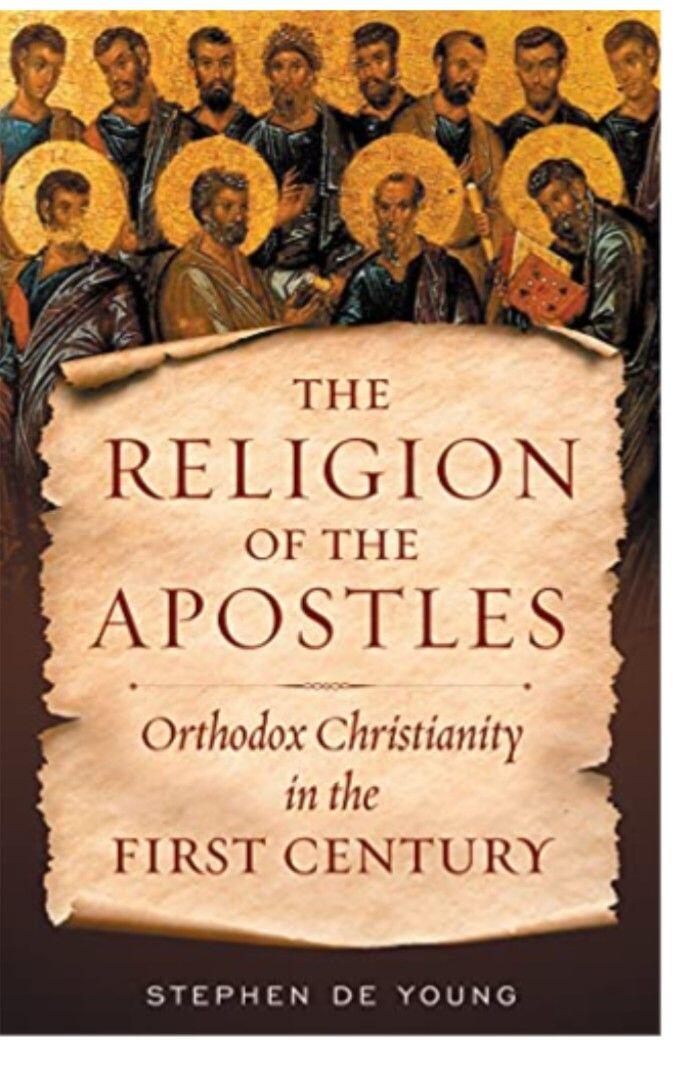
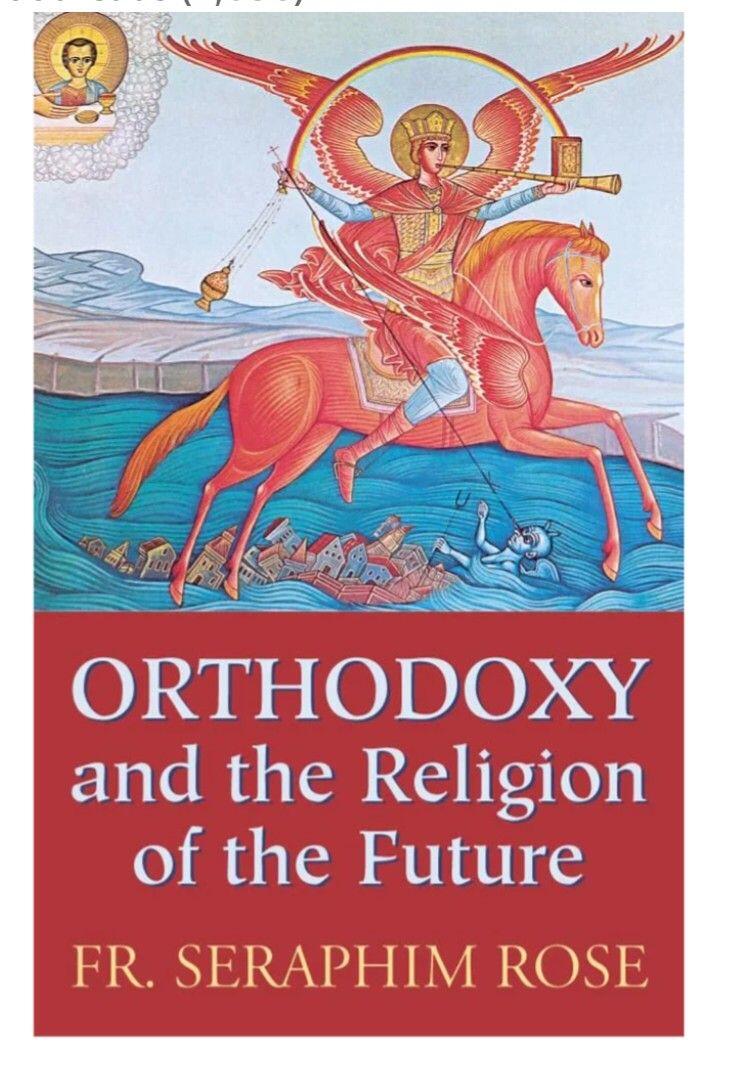
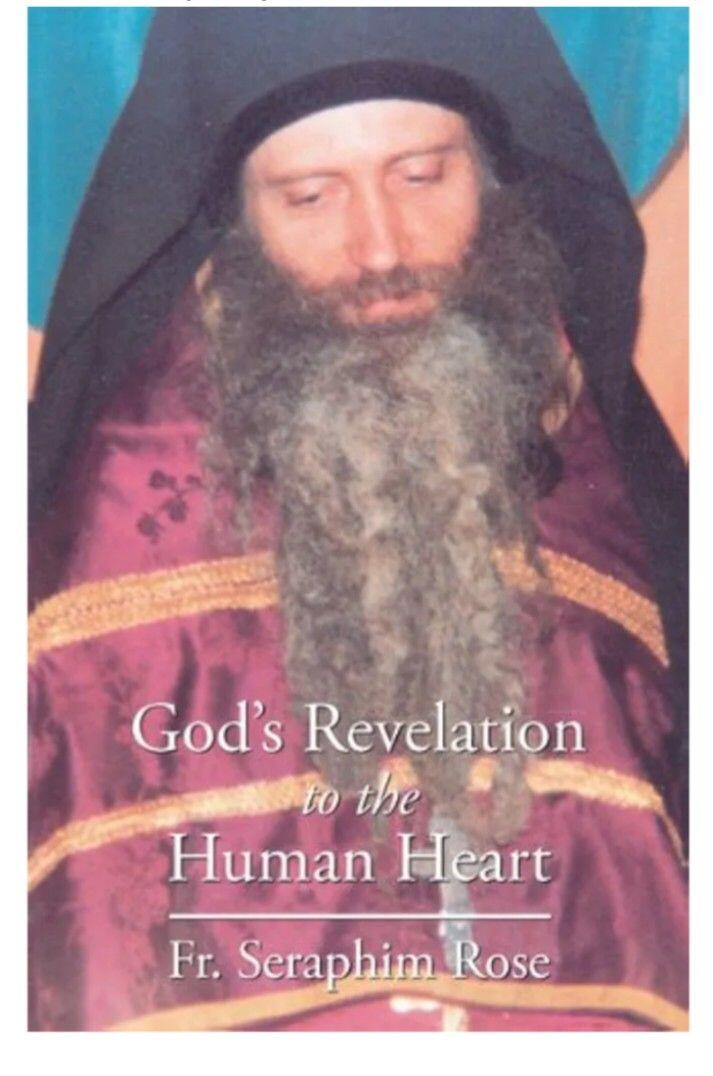
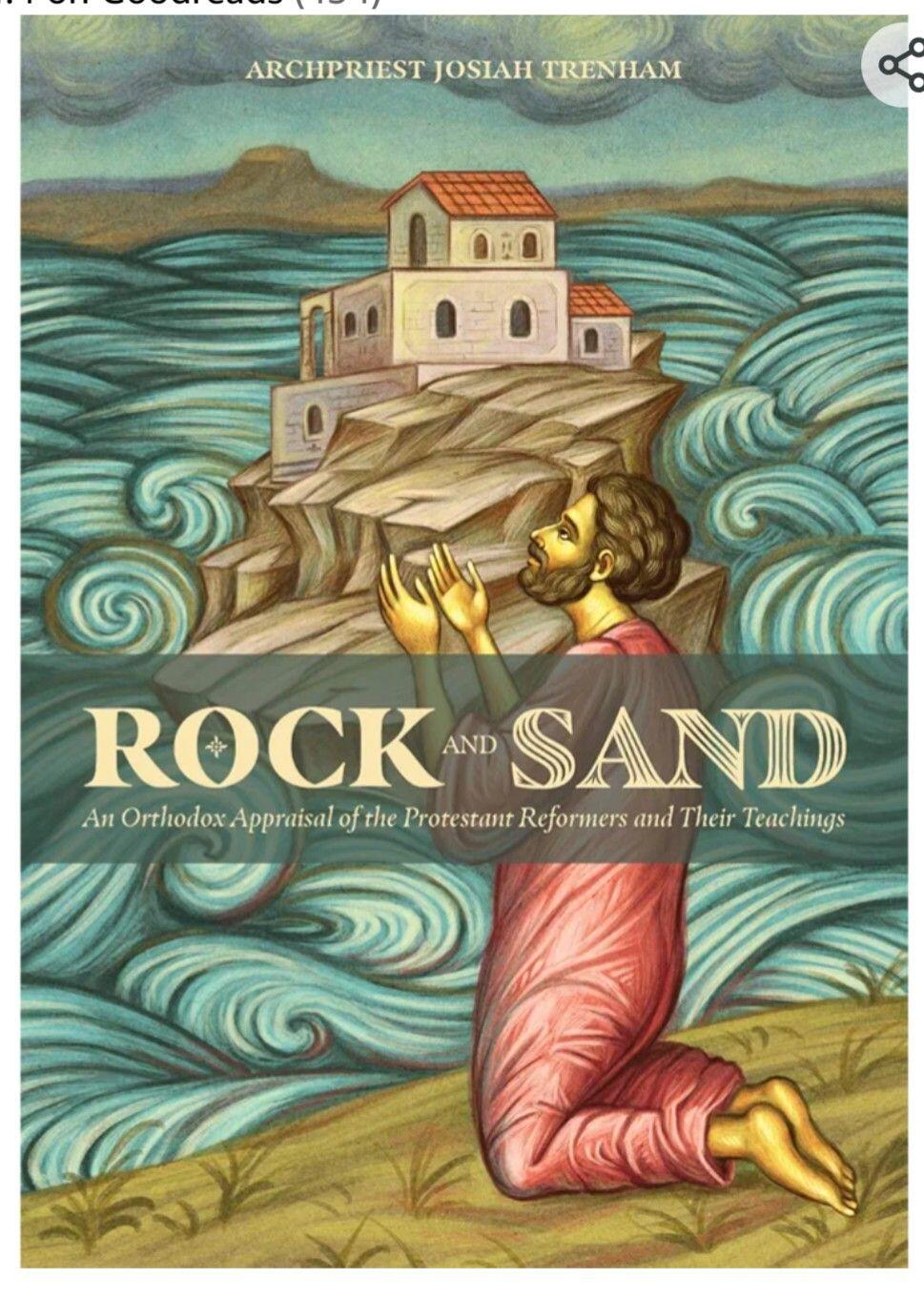
I appreciate the response brother! As for me,
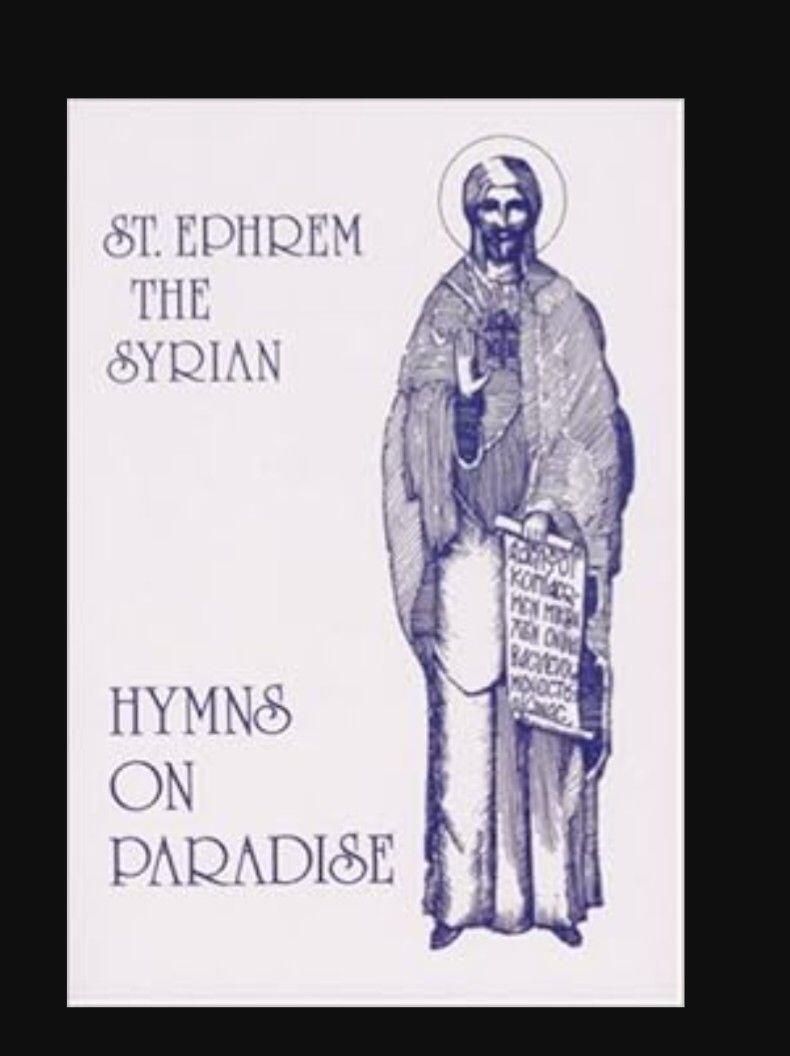
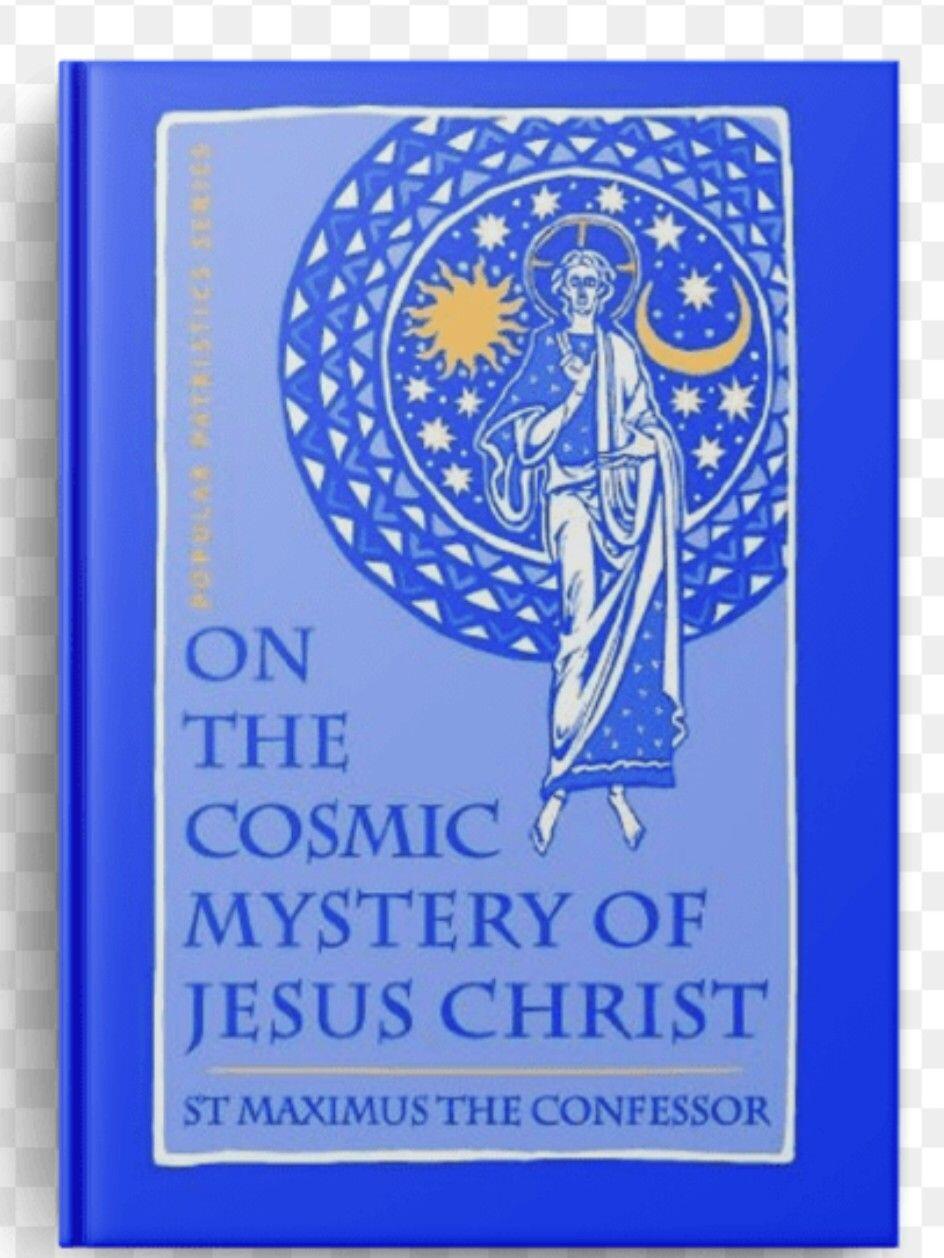
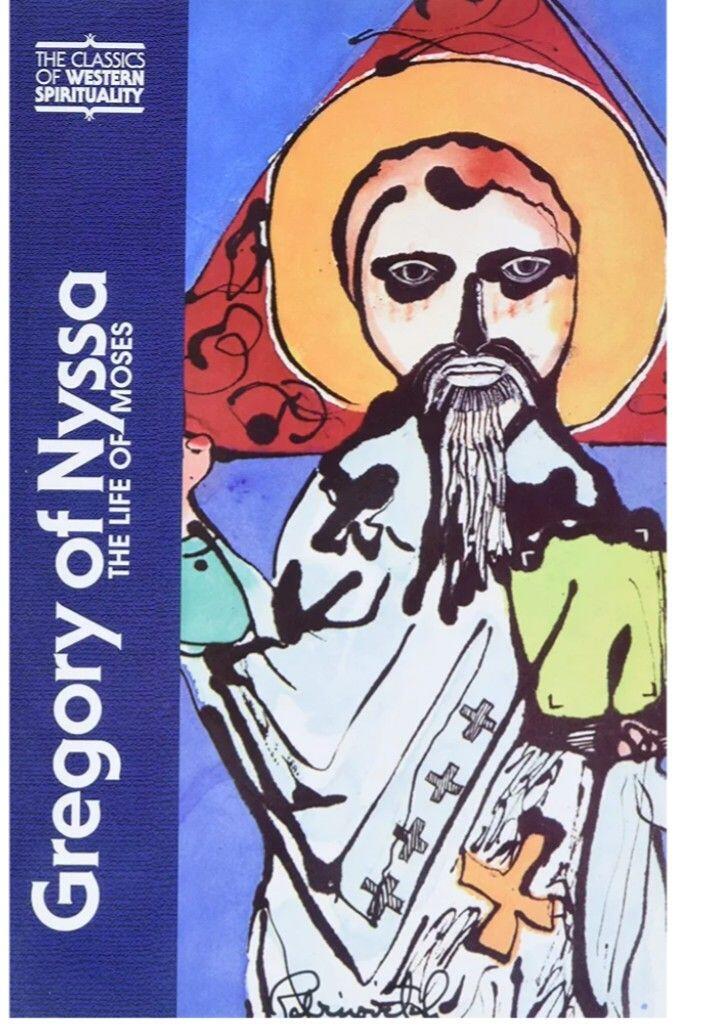
I grew up about as secular as it gets. I attended some variety of church service maybe 5 times my first 28ish years alive. I met my now wife in that 28th year and knew she was a church goer, so, in order to get the gal I started attending her non denom church with her. Super long story short: I fell in love with Holy Scripture thanks in large part to her family, and like many curious seekers, I stumbled upon Jordan Peterson's Genesis lectures which definitely grabbed my attention. Not long after that I found his friend Jonathan Pageau giving a lecture on symbolism and was really blown away by what he had to say. I started hearing a lot about the church fathers through Pageau's different talks, specifically St. Gregory of Nyssa (Life of Moses), St. Ephraim the Syrian (Hymns on Paradise...my favorite book of all time), and St. Maximos the Confessor (The Cosmic Mystery of Jesus Christ) and decided to read some of their writings. Naturally, after getting through a few books, I was flabbergasted as to why I hadn't heard a mention of these ancient fathers in the church circles I was familiar with and realized very quickly how ignorant I was to church history. I went down the church history rabbit hole and just could not get enough (still can't) of all these early Christian writings. There is so much more to say as I know you understand, but it was reading the early fathers that did it for me.
Chad Van Dixhoorn, [Is the Larger Catechism Worthwhile?](https://www.opc.org/new_horizons/NH00/0010b.html)
#Reformed #Christian #grownostr
Interested in reading how/why you wound up in the reformed tradition.
I think the "ascetic ideal" is best observed in the lives of the saints. Get you the synaxarion and read the lives of the saints or investigate the emergence of the early church and all of its martys/desert ascetics. Just pure devotion to truth...which in the Christian worldview is a person and not some abstract idea.


Unfortunately most of the world will tell you there are many truths...or truth can be what you think/feel.