
Oh come, let us adore him.
Merry Christmas to all the freaks.

100K to 1M sat UTXOs are fine. Hardware signers are nice to have up to 10M sats, IMO.


Yes and if you can’t afford a Bitkey or Coldcard, then a hot wallet with Nunchuk is better than leaving your sats with a custodian.
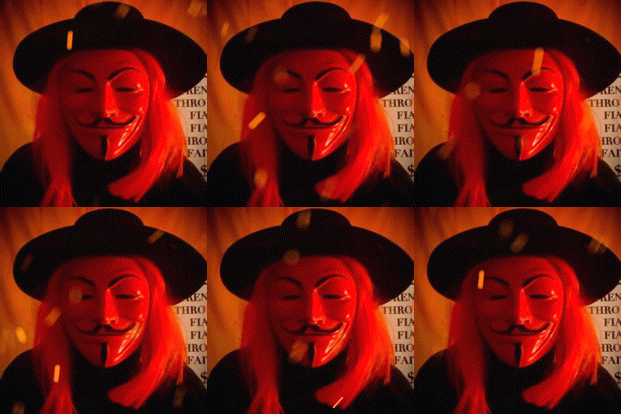
THEY NEED MARKS TOO. WELCOME TO uTIlitY TOkeNS 2.0.
THE SUITS WANT ICO SEASON 2. Plus a whole lot of BS and midwittery
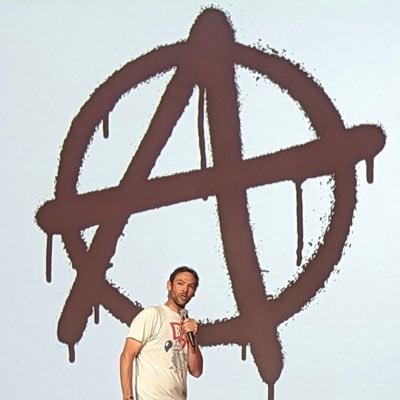
retards who never grew past their 8th grades civics class: “taxes are the price we pay to live in a civilized society.”

It takes courage to drop all the masks that covered your old insecurities.
Showing your true self is a great filter and life hack; weeds out those not worth spending time with. Only thing scarcer than bitcoin is your time.


nostr:npub18ull0tdnj9vugtq259k48szg80al44ta7g4fa85nvj3svaq7kt8s9udcl9 does it better. No withdrawals, you provide an address or invoice or you don’t get to buy.
HAVE YOU LOOKED BETWEEN THE COUCH CUSHIONS? ANY CHANGE LYING AROUND IN YOUR CAR? DO YOU STILL OWN ANY JEWELERY OR A NICE WATCH? DIDN'T GRANMA PUT A $20 BILL IN YOUR KID'S PIGGY BANK?
- YOU MAY THINK YOU ARE ALL IN, BUT MAYBE YOU ARE NOT.

i.e. non-politicians.


Bitcoiners stanning for Bukele because he introduced legal tender and SBR, both completely illegitimate, got rugged. This is good for Bitcoin.

He should know Spent four decades running the greatest empire on earth to the ground.

GM! Last week, Chainalysis claimed that Syrian rebels used cryptocurrency to finance its operations leading up to the toppling of the Assad regime.
We identified one of the addresses referenced in Chainalysis' report: it received a total of $807 USD.
Across the Telegram Group we identified, we found that participants had raised around $13,000 USD since November 27th via USDT – it may be arguable whether this amount contributed significantly to terrorist financing within the country.
But here's what's even more interesting:
Chainalysis claims that an OFAC sanctioned btc address shared mutual consolidation addresses with donation campaigns operating on Tron – a technical impossibility, leading us to believe that Chainalysis broadly simplified its depiction of events.
While Chainalysis' report claims to look at funding leading up to and following the events of December 8th, the identified OFAC sanctioned address last transacted in August 2021.
Why does this matter?
Chainalysis, as the primary Government contractor for blockchain surveillance, holds vast influence with both the Government and the public on the perception of btc.
Without regulatory oversight of the technologies Chainalysis uses and the methodologies it applies, the public has no opportunity to fact check whether what the contractor claims accurately reflects reality.
If we want to have an honest discussion on terrorist financing on bitcoin, blockchain surveillance firms need to be held to scientific standards and a minimum degree of transparency in their operations – otherwise, we run the risk of designing policy based on the claims of for-profit surveillance firms that can hardly be held accountable.

Updated story: https://www.therage.co/chainalysis-claims-cryptocurrency-funds-syrias-hts-2/
There is zero chance that regulation fixes this. Chainanalysis is a creature of the state. The only hope in the short term is to fight it in court.


Side project inception.
Broken glass fallacy will never die.
I know you mean well but this BSR thing is overhyped and subject to catastrophizing at the same time. The USG is fiscally incontinent, and the idea that it will somehow accumulate any significant amount of bitcoin is laughable. Plus, the chances that the Deep State will allow Trump to sabotage the Fed and its wards on Wall Street is fantastical. They will continue making the printer go brrrrr until the whole thing explodes, and then insiders will loot the little bitcoin that may have confiscated. In the meantime, any attempt to influence the protocol has zero chance to do anything. The real threat from the state is what you have been focusing on all this time: attacks on privacy and absurd prosecutions of bitcoin builders and users.

No, no, no! This is the cost-of-production theory of value, pure economic fallacy and the predecessor to marxism. The value of 1 Bitcoin is not determined by the value of the electricity used to mine it. The price of 1 bitcoin is a function of the subjective valuations of buyers and sellers of bitcoin. Miners expend energy to bid for bitcoins in the expectation of profit, but may run at a loss if the energy costs are higher than the value of the bitcoin they mine.

Capitalism will always be blamed by the dumb or propagandized for the ill effects of state intervention, a.k.a. socialism. Bitcoin and Nostr fixes this, but perhaps not in the timeframe that any of us would like.

Nah, you may be old enough in Bitcoin cycles for a Porsche, but too young in actual years. Treat yourself to something else and save the Porsche for later.