

I did read a lot of Hannah Arend already before this book. Then you know already about human mechanisms. https://nl.m.wikipedia.org/wiki/Wir_haben_es_nicht_gewu%C3%9Ft
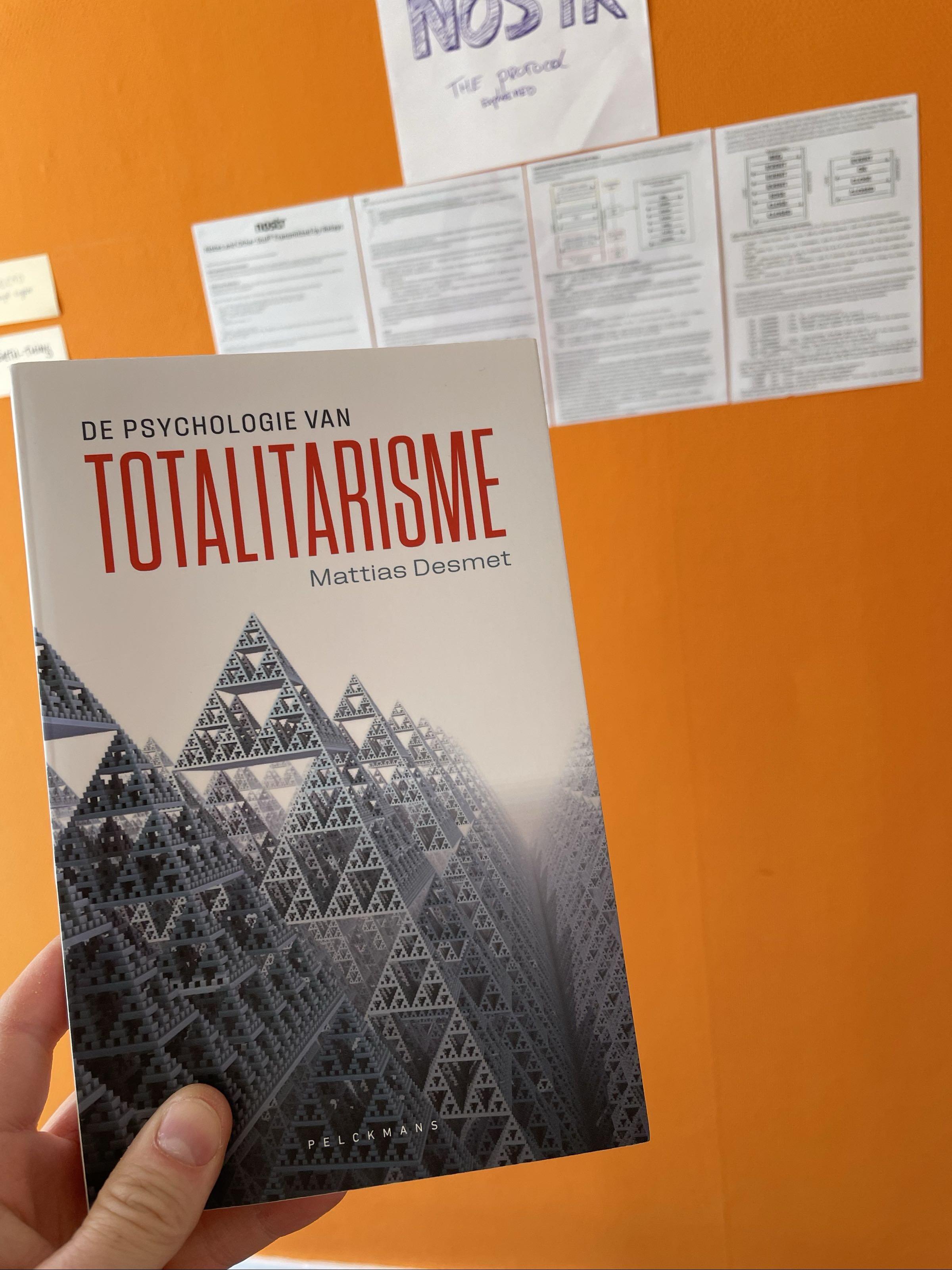
Then you missed some Hannah Arendt books. :)

For what?, for people that don’t care about you?


True, but I didn’t wanted to go that route this time. :)

The problem is that taxes are spend on a lot of things I don’t agree with.
Politiek is het probleem, niet de oplossing.


Currently the first time nostr:nprofile1qqsfy6rya6vjqze5qdt27wvu7a2xfhw46cxwr9at0g3n8xf6l5fvdhgpzemhxue69uhkwctjv3hzumn0wd68yvfwvdhk6qgkwaehxw309aex2mrp0yh8qunfd4skctnwv46qlpl8s8 !
How amazing is it when you see all of the people in real life for the first time and not through a screen 💜🙏
Enjoy “the ride”. ✨


Heeft de belastingdienst geen grotere problemen dan deze zaken? Hebben ze niet wat andere zaken nog af te handelen?
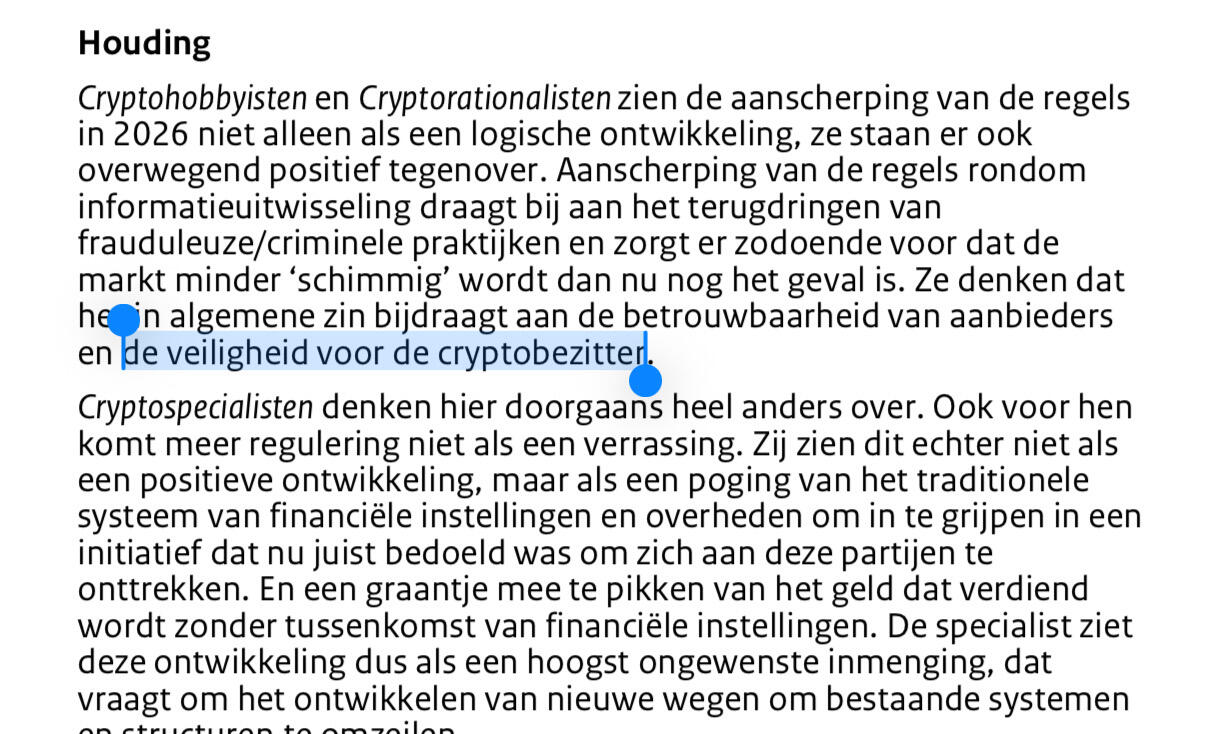
Onderzoekje uit 2024 naar bezitters van virtual assets.
https://www.rijksoverheid.nl/documenten/rapporten/2024/04/30/bezitters-virtual-assets
Leuker kunnen we het niet maken, wel………

New UN report claiming mining is a “powerful tool” for money laundering makes zero sense and will be used an excuse to push KYC/AML/Sanctions at miner level – Full story at end of this post.

First, it claims that criminals use “illegal” mining operations to launder money, which literally defeats the entire purpose of money laundering.
Money laundering is done best via businesses that generate quick cashflow – at current hashprice, even if you *did* have free electricity and a all-in hosting cost of 0, one ASIC generates a mere return of ~$6000 over the course of 24 months.
This is particularly true in the fucking LIBYAN DESERT where heat and dust contribute significantly to wear and tear, but I’m sure that the geniuses who wrote this report also take their laptops to the beach.
The amount of nonsense the UN has cooked up here is truly astonishing.
It claims illegal mining operations are hard to detect, which is not just untrue for stealing electricity from the grid, but also for the heat signatures such operations omit.
If you do want to make such operations undetectable, facilities need to be impossibly insulated on the one hand – further diminishing returns on investment – but you also need to utilize off-grid energy.
If these operations use off-grid energy, which the UN names as a power source, then they do not, by definition, contribute to “chronic power outages in Lybia [..] depriving essential services and residential areas”, which the UN also claims, because *they are not connected to the grid*.
An exception to this would be if Bitcoin miners utilized stolen fuel, but then the issue is *people stealing fuel*, not people mining Bitcoin. This further erodes the UN’s claims that Lybia is an attractive destination for “illegal miners” due to low electricity cost, because stolen electricity is *not paid for by definition*.
As widely reported, Lybia’s fuel shortage arises from vibrant black markets. This does *not* happen due to a lack of “anti-money laundering authorities”, or because “bitcoin miners are stealing all the energy,” but because political tensions in the country have ground entire industries to a halt.
If you want to stop people from stealing electricity, maybe next time don’t bomb an entire country back to the Stone Age. You’re welcome.
Full Story: https://www.therage.co/un-mining-money-laundering/
1984 is back!
Is het leuk om eens contact met elkaar op te nemen nostr:nprofile1qqs9afryspzmk8ljyfj4mhfkumwwmhzrtyxzvzgvfp477w80g5x6t0gpzamhxue69uhhyetvv9ujuct60fsk6mewdejhgtcprdmhxue69uhhyetvv9ujuumwda68ytnwdsargwfe8yuj7s9930a ?
Great conversation.
Yes, there have been notable studies examining the impact of fluoride in Calgary’s water supply. In 2011, Calgary ceased adding fluoride to its drinking water. Subsequent research, including a 2021 study by the University of Calgary, found that Grade 2 students in Calgary had a higher prevalence of cavities compared to those in Edmonton, where water fluoridation continued. Specifically, 64.8% of Calgary children had one or more cavities in their baby teeth, versus 55.1% in Edmonton.  These findings suggest that the absence of fluoride in Calgary’s water may have negatively affected children’s dental health.
In response to these concerns, Calgary held a plebiscite in 2021, where 62% of voters supported reintroducing fluoride into the city’s water supply. The city has since undertaken infrastructure upgrades to facilitate this, with the reintroduction expected in the second quarter of 2025. 
However, it’s important to note that some critics have questioned the methodology of studies linking fluoride cessation to increased cavities, arguing that other factors may also contribute to dental health trends. 
Overall, the Calgary case highlights the complexities and debates surrounding water fluoridation and its role in public health.