
Food that makes you smile!! 😋
GN frens.
☁️
🌕
🫂

Ok I tried my hand at long form writing for the first time today…so here goes.
———
The Infinite Ripple of Money…ahem, Currency Printing
Today marks 53 years since the U.S. government removed the dollar from the Gold Standard, a decision that unleashed the infinite ripple of currency printing.
At first glance, printing more currency seems like a straightforward solution to economic problems. Need more cash to stimulate the economy? Just print it! But like most things that seem too good to be true, the consequences are far from simple. What begins as a quick fix sets off a chain reaction that echoes through time, affecting not just today’s economy but also the future for years and generations to come.
So, what happens right after they hit the “print” button?
When a government or central bank creates currency out of thin air, it injects fresh liquidity into the economy. In the short term, this can kickstart economic activity, make debt more manageable, and fund public projects. Businesses may find it easier to invest, consumers might feel more confident to spend, and unemployment could even drop. On the surface, it looks like a win-win. Right?!
What about the costs we don’t see?
That immediate boost comes with a hidden cost. As more currency circulates, the value of each dollar starts to slip. This is inflation at work, gradually eroding the purchasing power of the currency. Suddenly, goods and services cost more, and those with savings or fixed incomes feel the pinch the most. Inflation is like a stealthy thief, slowly robbing people of their wealth without them even noticing. This lost wealth doesn’t just disappear—it gets redistributed, often from savers to borrowers and spenders.
And the longer-term effects?
The consequences don’t stop there. As rising inflation becomes the norm, it distorts the signals that guide our economy—like interest rates and prices. These distorted signals can lead businesses to invest in projects that seem profitable in an inflationary environment but are unsustainable in the long run. Meanwhile, consumers might start spending more recklessly, assuming their debts will shrink as inflation rises. This triggers a dangerous cycle of rising debt and financial instability, leading us into what some call “The Death Spiral.”
As inflation runs rampant, trust in the currency starts to erode. Once people lose faith in their money, it’s a slippery slope to economic instability—hoarding, a rush to buy alternative assets, and speculative bubbles. Rebuilding trust in a devalued currency is incredibly difficult. The endgame? Economic stagnation or collapse.
Beyond these economic effects, deeper issues are at play. Currency devaluation stifles innovation and progress by increasing the cost of creating knowledge. Research, education, and innovation require significant investment, and when money loses value, these pursuits become more expensive. In essence, devaluing currency turns progress into a costly endeavor, making every step forward more difficult and every setback more devastating.
Not only does it increase the cost of creating knowledge it also increases the cost of creation, the creation of life. Worldwide, growth rates have plummeted, and it’s hard not to see the relentless printing of money as a major factor. Economic instability makes people feel less secure about their financial futures, leading many to delay or forgo having children. This declining birth rate adds another layer to the crisis—an economic landscape that discourages growth, both financially and literally.
So here we are, 53 years later…
Currency printing isn’t just an economic decision; it’s a force with a life of its own, triggering a cascade of consequences far beyond any immediate benefits. Inflation, economic distortion, loss of trust, degrowth—these are just the beginning. The true cost of currency inflation is infinite because it reshapes the economic landscape in ways that can’t easily be undone. It affects not just today, but tomorrow, and the very fabric of society.
And then I talk about how Bitcoin is here to fix everything jada, jada, jada, but you guys already know that. Fix the money (supply), fix the world!
Peace! ✌️
Indeed, I fear it will get worse before it gets better!

I sympathise! Mine is 14 mo and weighs 30 pounds, the entire right side of my body feels like a 79 year old; bad knee, bad hip, bad elbow from carrying this small man. He’s just started walking thankfully, but that means I now have to bend down to hold his hand all the time! 😅

In the beginning yes, but ultimately that will change and high quality education will become almost free on a Bitcoin Standard.
On @primal if I reply to the latest message in a multi person thread does it reply to all in the thread or just the last person who spoke? #asknostr #primal #help
Education on a Bitcoin Standard I agree, on a Fiat Standard I disagree. Not worried about my kids being woke just worried about them having a beneficial education.
“Money” printing is anti-knowledge and anti-wealth.
*You can’t technically “print money”, you can only “print currency” and the devaluation of currency undermines both knowledge and wealth by increasing the cost of acquiring and creating knowledge.

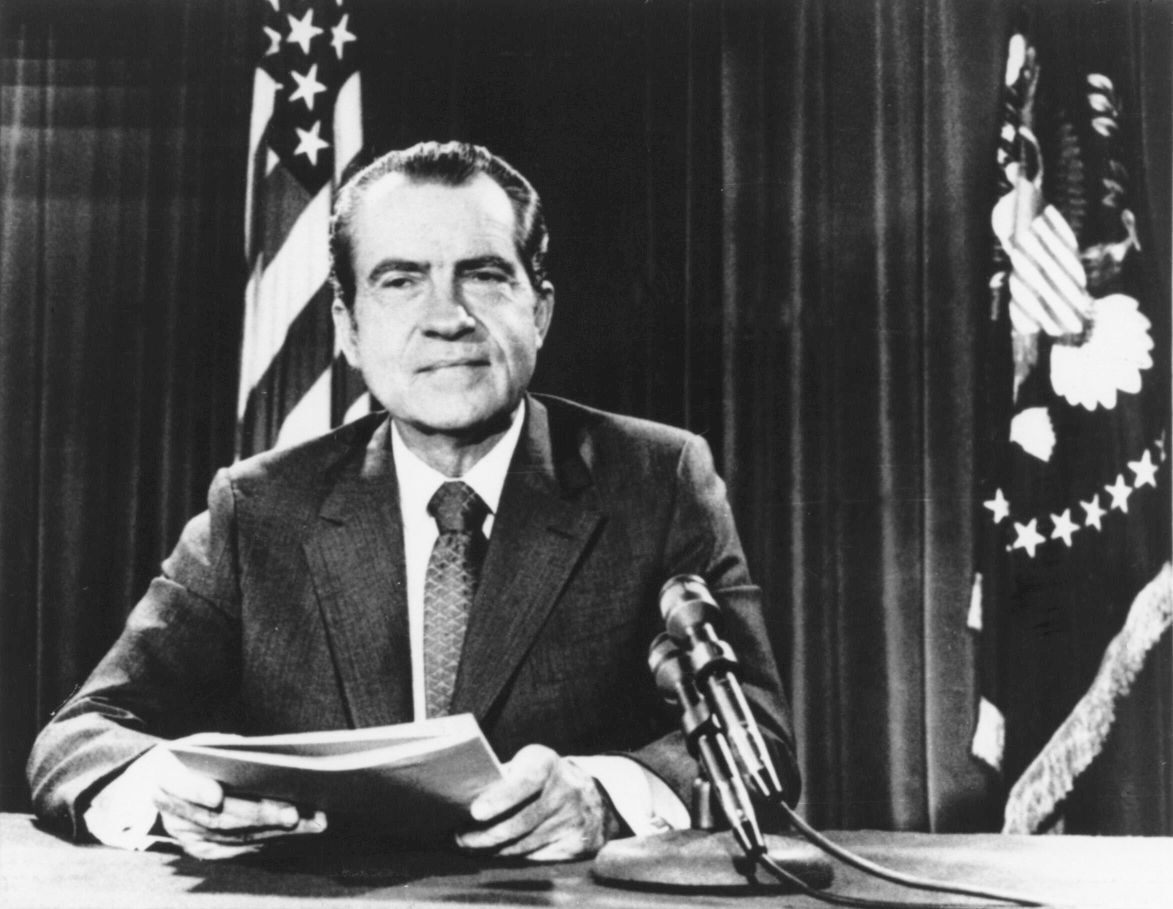
Sad for the negative impact that decision had on all of our lives but grateful because it led us to Bitcoin, which I believe is a net positive for us all! 🧡🙏


I accidentally learnt how to turn on lucid dreaming, went to sleep with headphones on listening to music and woke up in my own world, I’ve found it quite addictive and have some deep ethereal dreams. ✨🌙
God Bless & Good Night 🌙 #nostr #gn

A serene dream…we are surrounded by so much beauty. 🧡🕊️✨
nostr:note1ztuuk7gjt8tlkz3dchaw9x3760kwzh88a7zmy8mpzyeqmqngc8ms4fue6z
Christ, but no surprise there. I left soon after masked police came to my house to check I was self-isolating because I was unvaccinated but my dumbass compliant lodger reported that THEY had tested positive for Covid and the police told me I was flagged because “a neighbour had reported they saw you leaving the house”. Threatened me with arrest and a fine if I didn’t comply. 🙃
😂 I love it here! #nostr
nostr:note1rjrl9falsf2y9fjau8kgxk5zeyr0s4nd5fqk44ud8qx8jlpd3uwsac2ka5
I left a while ago (came to Germany 🙃) but what did I miss? Is it that bad? Not having Twitter really cuts you off from all that stuff!