

A major source of objection to a free economy is precisely that it ... gives people what they want instead of what a particular group thinks they ought to want. Underlying most arguments against the free market is a lack of belief in freedom itself.
— Milton Friedman
Bitcoin Audible Chat_122 - A Cypherpunk World for Everyone with Future nostr:nprofile1qqsq6myr3rwtqjdcm48u357ccwae8h3a4y96s28y7zwg458ngeyg5vcp2amhxue69uhkv6tvw3jhytnwdaehgu3wwa5kuef0dec82c33wq6xkeec0fu826ms09knx6pjxpjhyenpxdekzmt2xqc8ymfjva6rguf4wan827t4xd6xwvrcxd4xwvm8v4ehvmnr0pnrsqgkwaehxw309ahx7um5wgh8vatvwpjk6tnrdaksz9rhwden5te0dehhxarj9ehhsarj9ejx2ase3kkz0
In contrast to the hegemonic form of society, in which one person or one group of persons exploits the others, a contractual society leaves each person free to benefit himself in the market and as a consequence to benefit others as well. An interesting aspect of this praxeological truth is that this benefit to others occurs regardless of the motives of those involved in exchange. Thus, Jackson may specialize in hunting and exchange the game for other products even though he may be indifferent to, or even cordially detest, his fellow participants. Yet regardless of his motives, the other participants are benefitted by his actions as an indirect but necessary consequence of his own benefit. It is this almost marvelous process, whereby a man in pursuing his own benefit also benefits others, that caused Adam Smith to exclaim that it almost seemed that an “invisible hand” was directing the proceedings.
Thus, in explaining the origins of society, there is no need to conjure up any mystic communion or “sense of belonging” among individuals. Individuals recognize, through the use of reason, the advantages of exchange resulting from the higher productivity of the division of labor, and they proceed to follow this advantageous course. In fact, it is far more likely that feelings of friendship and communion are the effects of a regime of (contractual) social co-operation rather than the cause. Suppose, for example, that the division of labor were not productive, or that men had failed to recognize its productivity. In that case, there would be little or no opportunity for exchange, and each man would try to obtain his goods in autistic independence. The result would undoubtedly be a fierce struggle to gain possession of the scarce goods, since, in such a world, each man’s gain of useful goods would be some other man’s loss. It would be almost inevitable for such an autistic world to be strongly marked by violence and perpetual war. Since each man could gain from his fellows only at their expense, violence would be prevalent, and it seems highly likely that feelings of mutual hostility would be dominant. As in the case of animals quarreling over bones, such a warring world could cause only hatred and hostility between man and man. Life would be a bitter “struggle for survival.” On the other hand, in a world of voluntary social co-operation through mutually beneficial exchanges, where one man’s gain is another man’s gain, it is obvious that great scope is provided for the development of social sympathy and human friendships. It is the peaceful, co-operative society that creates favorable conditions for feelings of friendship among men.
- Murray Rothbard
More puzzling is the case in which one individual is superior to another in all lines of production. Suppose, for example, that Crusoe is superior to Jackson both in the production of berries and in the production of game. Are there any possibilities for exchange in this situation? Superficially, it might be answered that there are none, and that both will continue in isolation. Actually, it pays for Crusoe to specialize in that line of production in which he has the greatest relative superiority in production, and to exchange this product for the product in which Jackson specializes. It is clear that the inferior producer benefits by receiving some of the products of the superior one. The latter benefits also, however, by being free to devote himself to that product in which his productive superiority is the greatest. Thus, if Crusoe has a great superiority in berry production and a small one in game production, it will still benefit him to devote his full working time to berry production and then exchange some berries for Jackson’s game products. In an example mentioned by Professor Boulding:
"A doctor who is an excellent gardener may very well prefer to employ a hired man who as a gardener is inferior to himself, because thereby he can devote more time to his medical practice."
This important principle—that exchange may beneficially take place even when one party is superior in both lines of production—is known as the law of association, the law of comparative costs, or the law of comparative advantage.
- Murray Rothbard

Stay humble, stack sats, and starve the State.
https://fountain.fm/episode/diR0WiT2AJXhLuPFFxuW
nostr:nevent1qvzqqqpxquqzqwhstf0pc2fcl20us4ut3da8wy49xykzvluzqxgu43ttxzzz832kt0sv67





Contra Krugman Returns! Krugman Retires
Stay humble, stack sats, and starve the State.
https://fountain.fm/episode/OdUWw5V6cAfF7llW8G3x
nostr:nevent1qvzqqqpxquqzqsu842ua2lc40jf5f02r77g64kzx3mfezfm7z8qj6y0z3xmce97e3rua9q


Never give up on your wife!

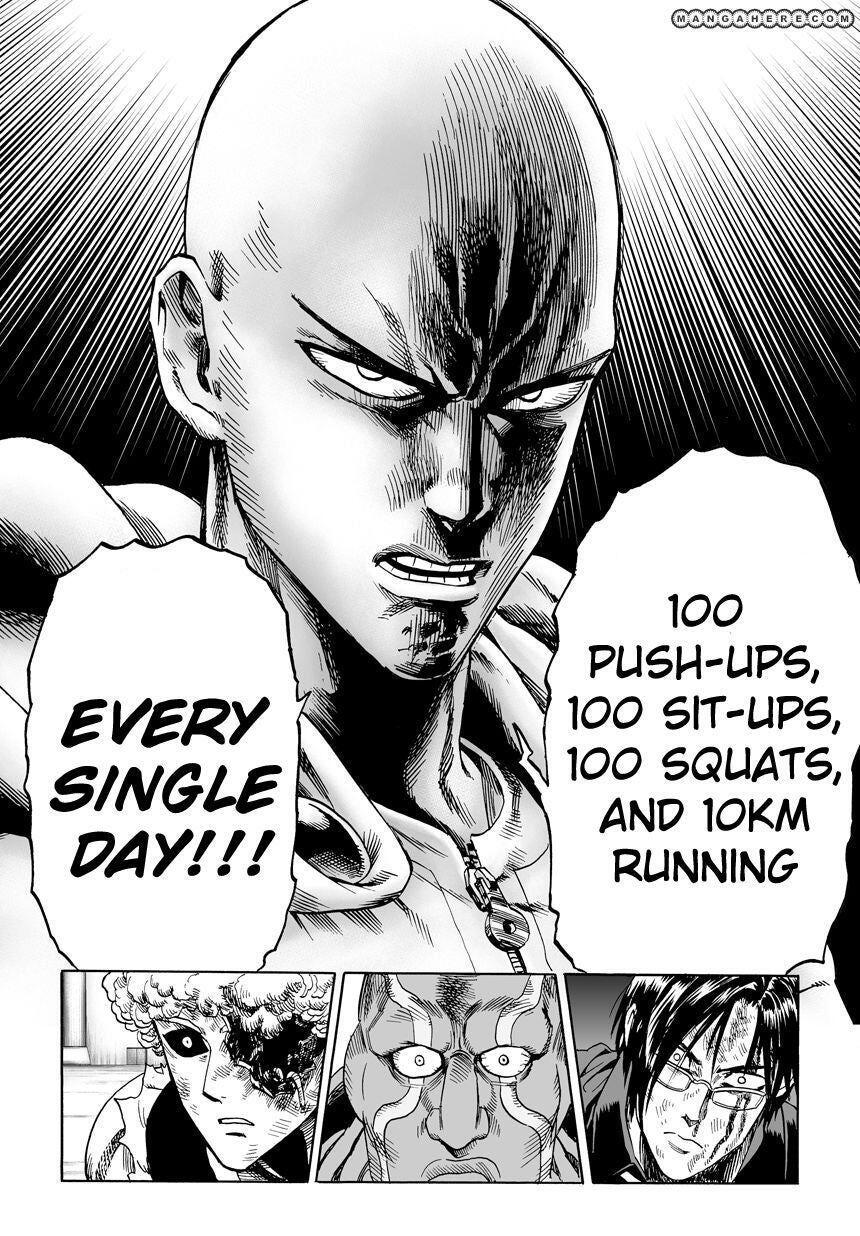
Man is nothing else but what he makes of himself
nostr:note15xy9uqpyddz7dcj0vfm9g7ty2y8vrspk7rdc3tzx3rkngxvpqxgq6526r5

A policy of freedom for the individual is the only truly progressive policy.
— Friedrich Hayek
Stay humble, stack sats, and starve the State.
https://fountain.fm/episode/j7uVLO6XJuSbULknvSmi
nostr:nevent1qvzqqqpxquqzp8ckdxnt7kp9yy9lndkd3nw3z02qcpmr0lfpjwu4g794v0f5qf5z2yhd7s

If you feel threatened by people wanting to be left alone
You're probably not the good guy
Politely asking fascists to not be fascists has a very poor track record.
- Larken Rose

nostr:nprofile1qqstnem9g6aqv3tw6vqaneftcj06frns56lj9q470gdww228vysz8hqpzpmhxue69uhkummnw3ezuamfdejsz9thwden5te0v4jx2m3wdehhxarj9ekxzmnyqyt8wumn8ghj7un9d3shjtnswf5k6ctv9ehx2aq3z54ds' Roundtable - November 2024 - w/ nostr:nprofile1qqswex0dc4t8uq5pt7c4qgpgtch6swgfx88d7kwg844m930kac2npwgpzpmhxue69uhkummnw3ezumt0d5hszrnhwden5te0dehhxtnvdakz7qg3waehxw309ahx7um5wgh8w6twv5hsv3sy43, nostr:nprofile1qqsqlk5pjxkwgjh4x9gxj990vm5ewrqw0qmrwyst05wh5hexduvvt4cpzemhxue69uhhyetvv9ujuurjd9kkzmpwdejhgqgewaehxw309ahx7um5wgh8g6r9wdsk6etrv96zu6t0qyvhwumn8ghj7mn0wd68ytnvv43hgatjd9n8jtnwv46qyc8s3d, & nostr:nprofile1qqs8fl79rnpsz5x00xmvkvtd8g2u7ve2k2dr3lkfadyy4v24r4k3s4sppemhxue69uhkummn9ekx7mp0qy2hwumn8ghj7un9d3shjtnyv9kh2uewd9hj7qg4waehxw309aex2mrp0yhxummnw3ezucn89ur9eu8h


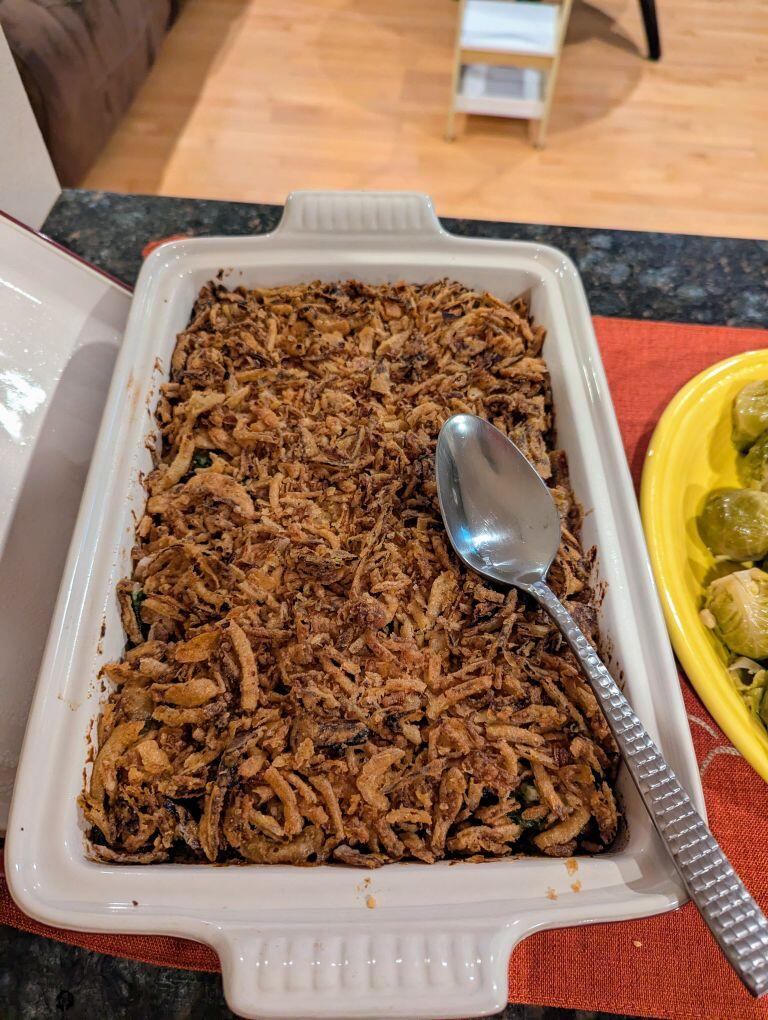





Activate CheckTurkeyVerify

Looks like we’re going to be relying on you nostr:npub1t42gfjzfv74v8xrv65f2lrwd65jr85ysrtdmkkfrvqgcss5r4g0qk487qz and nostr:npub1y0gaju64gxtw2utz9dud9ju9nlg7k4u7yq5exkxrcw85myplzdlsf5jxa0 to respond to Per’s upcoming Mises.org article.
Please diarrhoea in his cornflakes.
I’m available to make any response as thorough and shitty as possible given I instigated this.
Somehow I doubt Mises.org will let me respond direct but let’s see what their incumbents have to say.


At a time when belief in collectivism and paternalistic government is threatening to diminish even more of our shrinking freedom, we need to recall that this has all been tried before. And how it is the free individual, secure in his right to life, liberty, and honestly acquired property that is the basis of any and all the prosperity that we have in America and around the world.
The Pilgrim Fathers came to colonial America to escape religious persecution in Great Britain, but also to establish a new type of society in the wilderness. They were determined to follow Plato’s model in “The Republic,” and create a communist utopia.
It lead to economic disaster, which was only overcome through the Plymouth Colony elders admitting their error, and instead “privatizing” the colony’s property. By doing so they set loose individual initiative and market-based incentives. The result: a bounty in the wilderness rather than starvation.
In the wilderness of the New World, the Plymouth Pilgrims had progressed from the false dream of communism to the sound realism of capitalism. At a time of economic uncertainty, it is worthwhile recalling this beginning of the American experiment and experience with freedom.
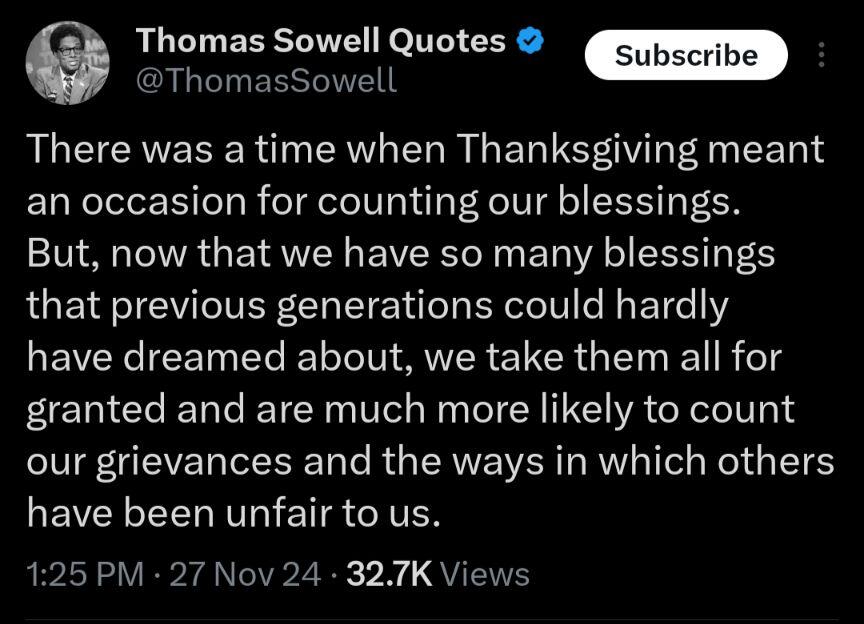
This is the lesson of the First Thanksgiving. This year, when we, Americans sit around our dining table with family and friends, we should also remember that what we are really celebrating is the birth of free men and free enterprise in that New World of America.
The true meaning of Thanksgiving, in other words, is the triumph of Capitalism over the failure of Collectivism in all its forms.
https://mises.org/mises-wire/first-thanksgiving-and-birth-free-enterprise-america