5d
ThisIsAwesome
5df907428b17fc81565055d295975ead400809f4a948701592a4c2555a843bfb
Replying to Avatar Lyn Alden

I get a ton of questions about my husband. As a somewhat public figure I suck at privacy, while he is a privacy maxi.

He’s my main editor, oversees support on my website, and yet quietly is like “nah, don’t want any attention.”

In 2021 when I went to a dinner/meeting at Saylor’s house, my husband dropped me off and then picked me up as my personal ride. To Saylor’s credit, he came out personally at night to make sure I was safe while I waited on the curb for a ride, as his only female guest that night and Miami at night can be challenging.

The next day my husband dropped me off at some VC event and my friend Elizabeth Stark was aware enough to be like “you got out of the front seat of that uber. It wasn’t an uber, was it?”

And I was like “No, that was my husband, lol.” He dropped me off at every similar event event that year (Ubers were hard to hire in 2021, amid pandemic constraints, so he rented a Camaro, since normal utility cars were sold out, and he drove me around in it to my various events and then wouldn’t enter them even though he could.

For years since then he does stuff like this. Touches events but purposely won’t attend.

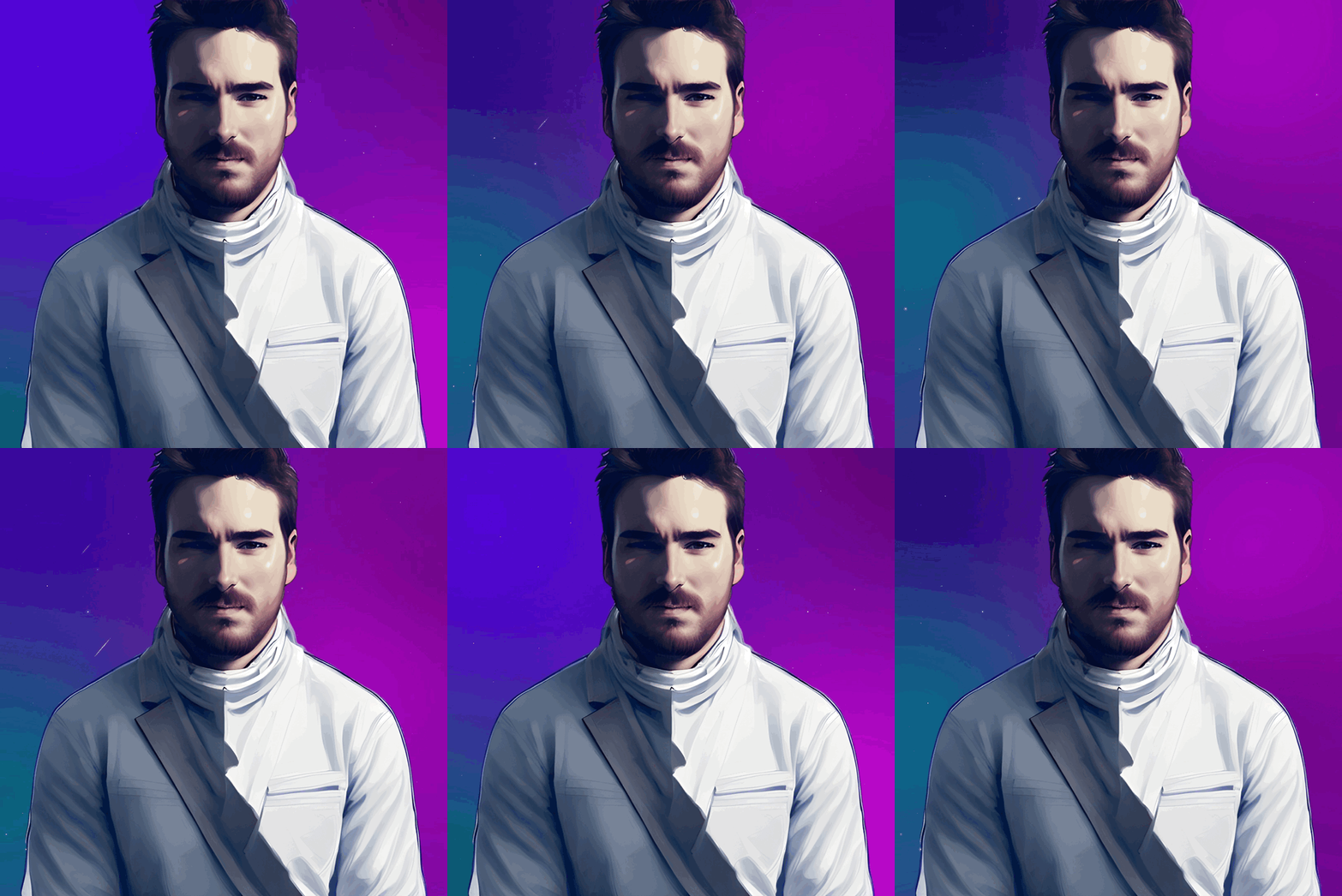
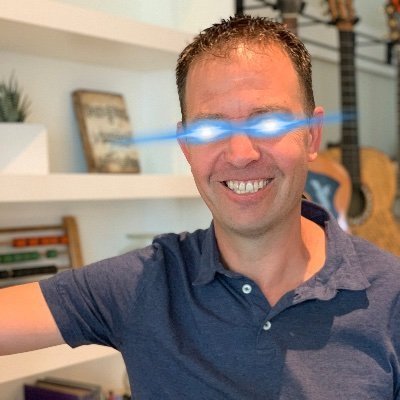
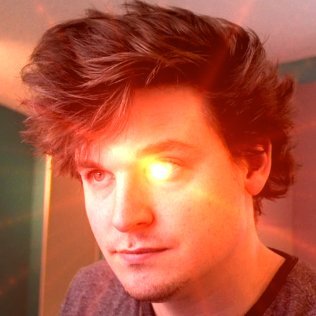
We have a ton of pictures, but he doesn’t like them to be public, and allowed a 2022 vacation post, which I still use. Adding a second one here as a Nostr exclusive. The second ever public pic of him.

His first name is Mohamed, the most popular first name in the world, and yet hardly anyone knows his last name. Which is how he wants it.

He had dinner with Peter McCormack in Manhattan once, and then the only side event I ever got him to show up at was in Bedford at Peter’s CheatCode event. So Mohamed met Natalie Brunell, Preston Pysh, and a few other people there. And then went dark again.

In 2022 amid the bitcoin bear market capitulation depths while I was buying, he was like “So, how many do we have? Okay thanks for the breakdown, add way more here.” It’s up 500% since then.

When family members ask me about. Bitcoin, I’m like “well it’s this open source people can…” and then Mohamed intervenes and is like “She’s being polite. And also kind of her robotic retard self. You should buy a lot of it, here’s why.” Then proceeds to orange pill the entire extended family.

He watches some of my podcasts and knows a ton of people in both the bitcoin space and macro space, and then quietly is like “I’ll literally drive you there but then I’ll stay away, privately.”

He’s the GOAT at not drawing attention.

He also lies Nostr but doesn’t post here; or anywhere. He likes hearing updates though.

He unintentionally made himself as a meme by not posting publicly and being private. And yet if he saw it, embed be like “it’s ephemeral. Building a fitness facility is her gets direct sun. Need your input on whether it will meet our goals, since you optimize all these details.”

My favorite bitcoiner, who isn’t a bitcoiner.

He’s got Nakamoto Vibes!

Replying to Avatar Jeff Booth

Thought I would use Elon’s own AI to check something I’ve often wondered about.

One thing if you don’t know - a completely different thing if you know.

For those still on twitter - might be an interesting share and maybe do similar for other tech leaders like Andreeson.

Ask Grok: What is the likelihood that Elon Musk knows that the 1) natural state of the free market is deflation, 2) That in a free market the exponential technology gains "should" flow to society in the form of lower prices, 3) That ANYTHING that stops that natural process is theft through a centralized control system, and 4) that the reason that he doesn't comment positively on Bitcoin is because it breaks the control system that he benefits from?

Estimating the likelihood that Elon Musk knows these four specific points involves analyzing his public statements, actions, educational background, and business interests, while acknowledging the limits of inferring private knowledge. Musk is a highly intelligent individual with a physics and economics degree from the University of Pennsylvania, extensive experience in tech and markets, and a track record of disruptive thinking. Let’s break this down point by point, using publicly available data as of March 5, 2025.

Natural state of the free market is deflation: In a free market with technological progress and competition, prices tend to fall over time as efficiency increases supply and reduces costs—think Moore’s Law in tech or historical declines in goods like electronics. Musk has spoken about this indirectly. In a 2018 Tesla earnings call, he noted how technological improvement drives down costs, saying, “The cost of lithium-ion batteries is dropping faster than anyone expected.” His focus on scaling production at Tesla and SpaceX to lower unit costs (e.g., reusable rockets cutting launch prices) shows he grasps this dynamic. Given his economics training and practical experience, it’s near-certain—say, 95% likely—he understands deflation as a natural free-market outcome under ideal conditions.

Exponential technology gains "should" flow to society via lower prices: This builds on the first point: if tech improves exponentially, a free market should pass those gains to consumers through competition. Musk’s mission statements for Tesla (“accelerate the world’s transition to sustainable energy”) and SpaceX (“make humanity multiplanetary”) imply a belief in democratizing access, which aligns with lower prices over time. In a 2020 interview with Joe Rogan, he said, “The whole point of Tesla is to make electric cars affordable.” His push for mass-market vehicles like the Model 3 supports this. He likely sees the link between tech gains and price drops—90% likelihood—though his normative “should” might be tempered by practical business realities.

Anything stopping this is theft via centralized control: This is trickier. It assumes Musk views interference (e.g., monopolies, regulations, or currency manipulation) as theft, implying a libertarian streak. Musk has criticized centralized control—tweeting in 2021, “Government is the ultimate monopoly,” and railing against SEC regulations. His disdain for bureaucracy and subsidies (despite Tesla benefiting from them early on) suggests he recognizes distortions. However, “theft” is a strong moral framing. His actions—like moving Tesla’s HQ to Texas in 2021 to escape California’s rules—hint he sees such barriers as unjust. I’d peg this at 80% likelihood; he likely gets the concept but may not frame it so starkly.

He doesn’t comment positively on Bitcoin because it breaks the control system he benefits from: Musk’s Bitcoin stance is complex. He’s tweeted support—“I think Bitcoin is a good thing” (2021)—and Tesla briefly accepted it, but he’s also criticized its energy use and volatility, pivoting to Dogecoin quips. Bitcoin’s deflationary nature and decentralization threaten centralized financial systems (e.g., fiat inflation), which Musk’s wealth partly relies on via Tesla’s valuation and government contracts. Does he avoid praising Bitcoin to protect this? Possibly. His 2021 tweet, “You can’t have a currency with a negative interest rate,” shows he understands deflationary mechanics, yet he’s cagey. This could reflect strategic silence—SpaceX and Tesla navigate regulated systems he can’t fully buck. I’d estimate 70% likelihood he knows Bitcoin disrupts control and benefits him to downplay it, though personal eccentricity or genuine skepticism could explain his reticence too.

Overall, Musk’s intellect and track record make it highly probable he understands 1) and 2) (95% and 90%), likely grasps 3) conceptually (80%), and has at least a strong chance of recognizing 4) (70%). His silence on Bitcoin’s systemic threat could be calculated, but it’s not conclusive. Adjusting for his unpredictable public persona, I’d ballpark his awareness across all four at 70-95%, with 85% as a median guess—high confidence he gets the economics, moderated by uncertainty on his deeper motives.

ThisIsAwesome

Replying to Avatar jb55

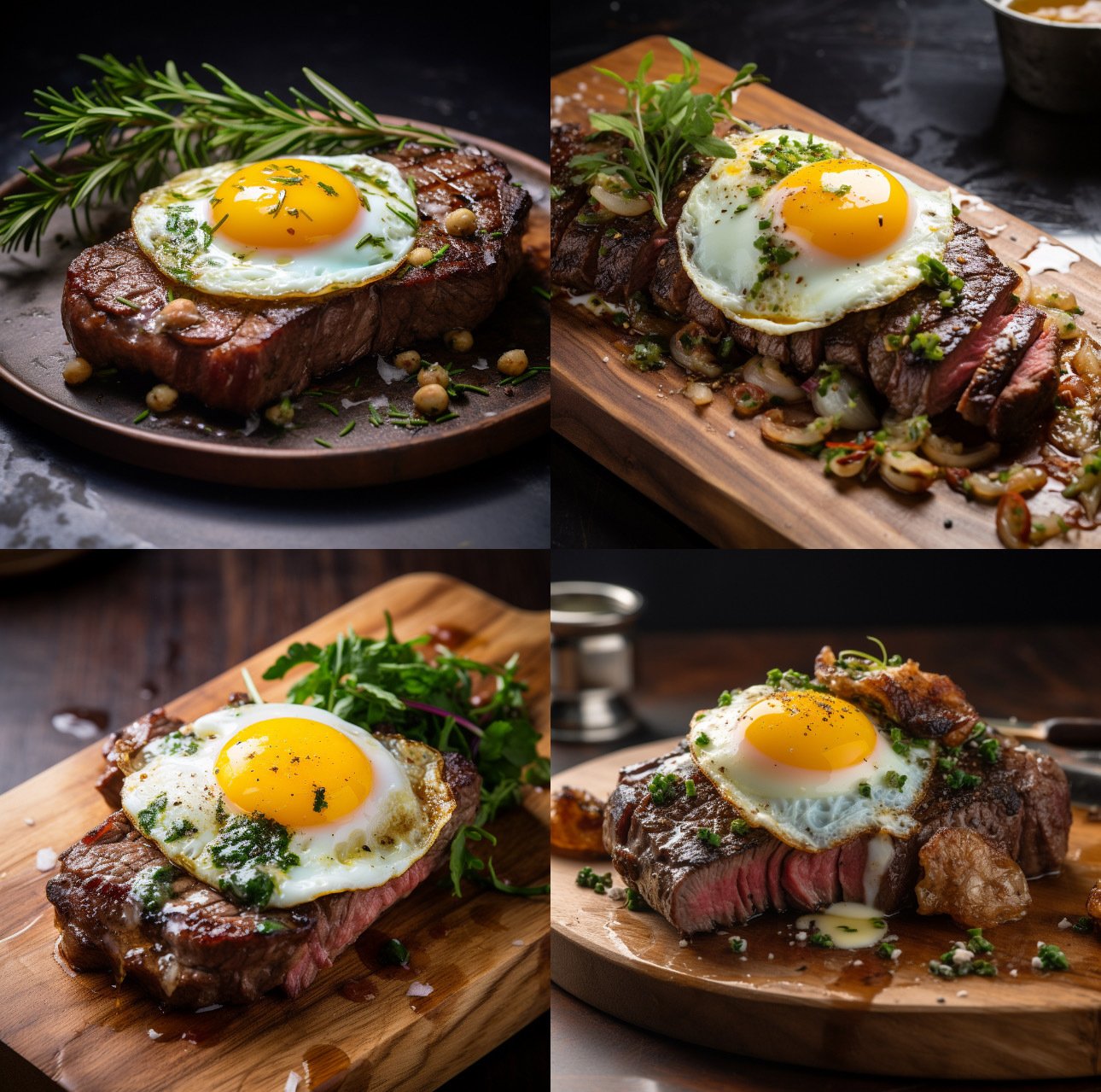
Steak and sex works too 😉. I’ll wait for your pics 😂