

Sounds about right.

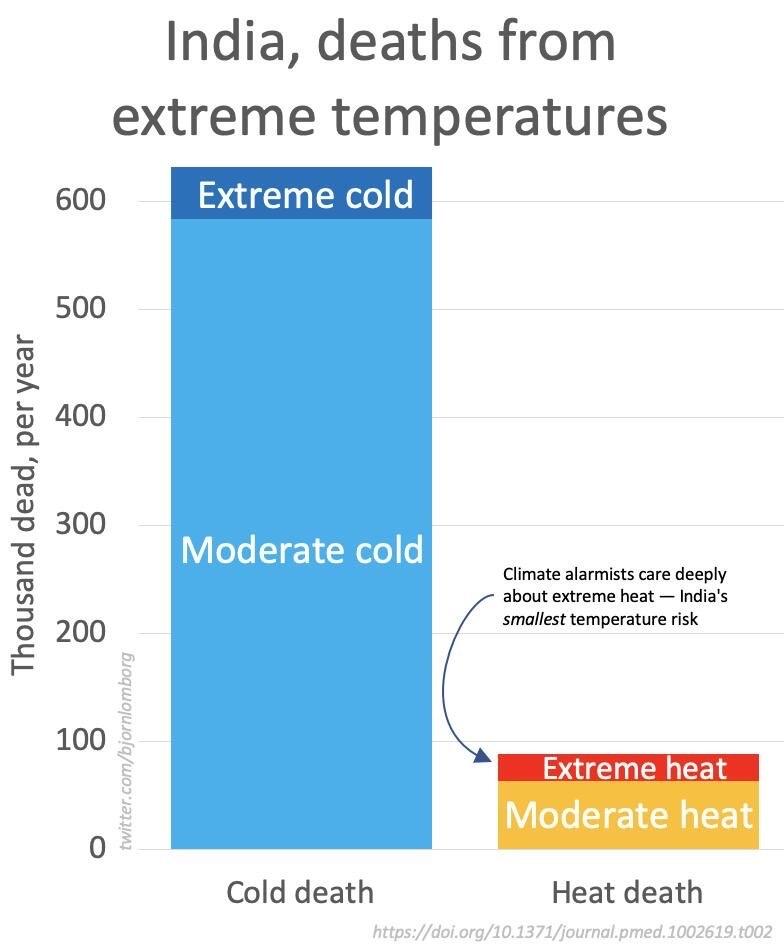
Everyone loves warm weather. We go to fun, warm places for vacation for a reason.

But he took it, right?
💥 💥
👄

Watching now 💥💥
Counting future coins and ignoring lost coins, yes.
#Bitcoin #meme IYKYK 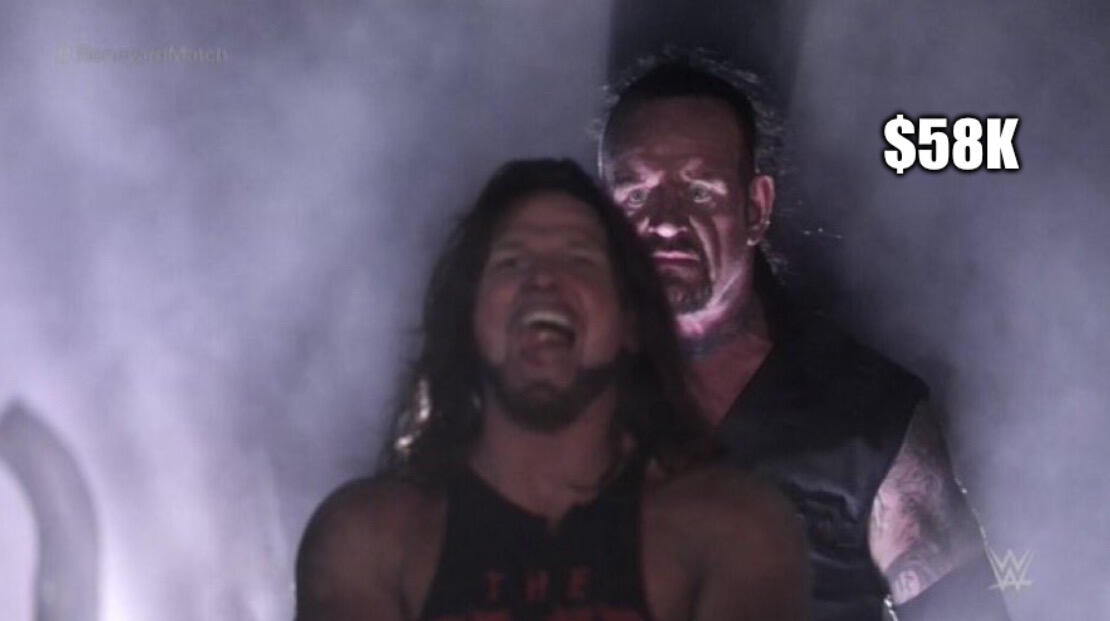



At $1M, we’ll switch and everyone will understand.
Look supercyclers, I’m sorry. It’s been a long 4 1/2 years. I don’t know why #Bitcoin is still in the $0.06M range. I don’t know why people don’t get it.
Logic is unchanged. At $0.3M per coin, $1M becomes a self-fulfilling prophesy. At $1M per coin, a sat costs $0.01. A penny stock.
That’s when we keep the BTC ticker, and do a one time 1:100,000,000 accounting split. Mainstream media reports $0.01 BTC price and we go to $0.02 overnight.
I thought this would happened in 2021. I was wrong. I was unable to meme it into existence. 😔

⚠️ wall of text warning ⚠️
The point of insurance is to take risks that would be catastrophic to the individual, and aggregate them in such a way that most people end up paying a little more than they normally would, but certain, unlucky individuals end up paying a whole lot less.
Consider homeowners insurance. Most people’s houses don’t burn down, and so the premiums rarely pay off. But in the event of a catastrophe, that person is made whole. If the insurance company refuses to pay such a legitimate claim, they’re in breach of contract and their customer is entitled to legal remediation.
Medical insurance could work this way. One could have catastrophe-only insurance, and pay out-of-pocket for daily expenses. Your car insurance doesn’t cover gas, wipers and oil changes. Your medical insurance doesn’t need to cover routine checkups, etc.
Our current systems of healthcare and health insurance obfuscate the true costs in layers of bureaucracy. Medical technology, like all technology, ought to be getting cheaper year over year.
People imagine that if the state doesn’t provide something it’ll cease to exist. This is not so. It’s just that when the state provides something, it disincentivizes entrepreneurs from attempting to offer an alternative.
Consider public school. In many places, public school is free at the point of delivery (the student pays nothing directly). These state-subsidized schools are often low quality. Private schools, where students do pay, are higher quality but also quite expensive. The only way to compete with free is to go upscale.
Now, the teachers at public schools aren’t working for free. They’re collecting paychecks. Where does that money come from? The taxpayers. Since the taxpayers are already burdened with school payments, only the wealthy can afford the additional cost of private education.
This is why we don’t have private roads. State roads are already paid for out of taxation. For a private road to be economically viable, it would have to be upscale enough to warrant the additional cost, like private school. Since roads take a lot of space, and there are only so many wealthy to cater to, the economics of private roads competing with State roads don’t make sense.
At the extreme, Bitcoin makes compulsory taxation impossible. In Bitcoin, ownership is knowledge. You either know the keys or you don’t. Your exclusive knowledge of the keys grants you exclusive control of the coins. If a government is overbearing in their taxation, you can leave and take all your wealth with you in your head. They can kill you, but then they’ll never get your Bitcoin.
So in the Bitcoin future, State-subsidized, free-at-point-of-use, so-called “public” goods are untenable. This ought to mean the end of public schooling, public roads, public healthcare etc. In their vacuum, entrepreneurs will finally have the opportunity to compete for that business. This will likely mean fractionating of the market as different entrepreneurs take different approaches, offering different levels of service for different prices.
The difficulty of your initial question is that it imagines a world exactly as it is today, minus a State provided service. Yes, that specific service would be gone, with the specific billing and quality we’re familiar with. But at the same time, the market will finally be open to alternatives, unleashing the latent creative potential of people who are currently precluded from even trying.
What fraction of people have issues such as this? 1%? 5%? 10%?
Currently, many people pay upwards of 50% or more of their net income to various forms of tax, and another 6-14% in lost purchasing power due to inflation.
Take away the theft of taxation and inflation, and people will have more than enough surplus income to contribute to these problems. The reason charitable contributions are so low right now is because able people are already being squeezed to death.
s U p e R c Y c L e nostr:note12ygd0wecenu3wndnj6t84r44l365qxmphl642ed9n4pfz0ys8djsq6dj5l


S U P E R C Y C L E nostr:note1le5feyml678y7wgujcj6gyxkh8vxlgt9v68rag4dmv83q4vpfv4qm4geum

Such a scheme could be developed. It would require publishers to somehow hash their posts into the timechain (like with opentimestamps). Then clients (and optionally relays) would check for these hashes and assert that they preceded the pre-specified height.
Not impossible, but it would take some backend work to implement, and front end work to design a UX for both publishers and readers.


Insecure by design.
And while we’re at it, how about stupid restrictions on what characters you can use? Punctuation too good for ya?