Methodology Note: This chart identifies blocks specifically tagged with known Ocean/Knots coinbase parameters. Solo miners using Knots without tagging cannot be distinguished from Core nodes via BigQuery public data.
👀 Tomorrow: I will analyze the actual block data (avg transaction size) to prove if this 1.4% is truly filtering "spam" or just talking about it.
The debate around Bitcoin Knots, block filtering, and "spam" is loud, but how much Hashrate is actually enforcing stricter rules on-chain right now?
I queried the on-chain data for the last 30 days to find out. The result is stark:
🟦 Knots / Ocean: ~1.4% 🟧 Core / Others: ~98.6%
The on-chain vote remains clear. For now.


Buying. 'Front-running' implies accumulation. They are trying to scoop up the coins before the ETF demand hits the order books, not dump into it.
Overlayed IBIT volume with whale activity (>10 BTC).
The correlation is tighter than I expected. Whenever institutional volume spikes, native whales aggressively compete for the same coins.
They aren't selling to the ETFs. They are front-running them.

BTC price is chopping, but the chain is awake.
I queried all transactions >10 BTC over the last 30 days to see if the big players are stepping back.
They aren't. Transaction count for whales remains elevated despite the red candles.
Retail gets bored. Smart money gets busy.
#Bitcoin


You should give „Pluribus“ on Apple TV+ a chance.
This annoys me the most

⚡️🇺🇸 NEW - Palantir CEO Alex Karp: why does no one care about the working class?
“1% of people in this country are in prison. Do you know what happens when you go to prison? They take you away from your kids.
“That happens disproportionately to working class, black and Hispanic men, and white men in the underclass. Where are the thousands of articles about them?
“Somehow none of us have empathy for those people because none of us really deal with those people. At Palantir, we are on the side of working class Americans.”
https://blossom.primal.net/aae6ab266c46edc678ad5597f5e8bc62e8d1ef4931ef13f60583fa4bd48529f4.mp4
This wasn’t in my bingo card for 2025
The myth that #Bitcoin is more unequally distributed than the traditional financial system is false. When adjusting for exchange wallets, Bitcoin's Gini coefficient is roughly 0.82. The global fiat system scores worse, around 0.88 according to the UBS Global Wealth Report.
The key difference is the trend. Fiat wealth continues to centralize over time. Bitcoin is distributing. In 2012, whales controlled 62% of the supply; today, that figure is down to 34%. One system is concentrating, the other is dispersing.


Wow! Especially the comparison with the Nasdaq 100 is crazy because so many people argue Bitcoin is too volatile and instead investing in a Nasdaq ETF


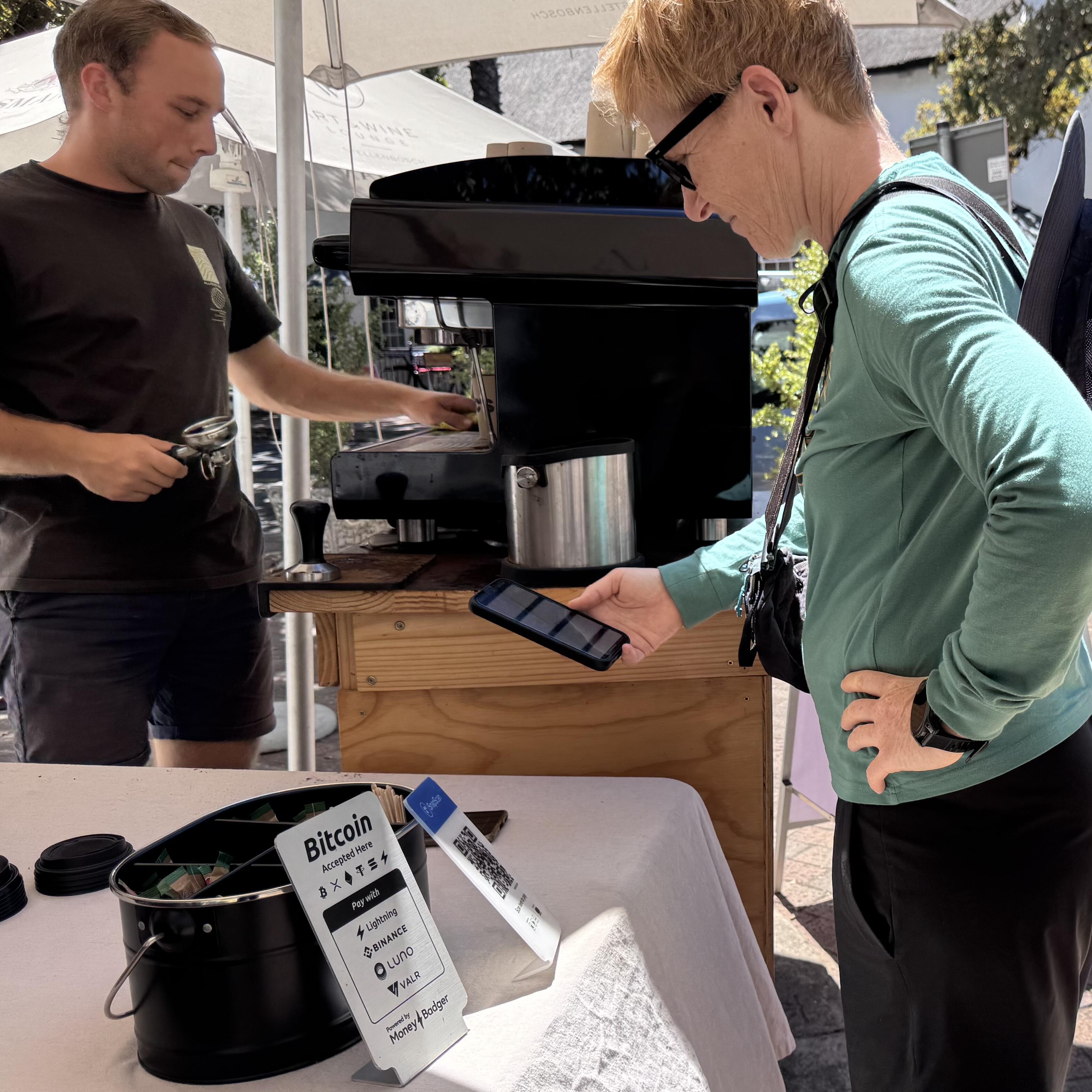
Stellenbosch is one of the most magic places I ever visited. Enjoy!




Hey everyone, I’m diving deep into Bitcoin data analysis using Python and I’m looking to connect with fellow Bitcoin data scientists. What are you working on? Are there specific topics that interest you? I’d love to hear your thoughts!
I‘m sure a lot of CEOs watching this very closely! nostr:note1c4u5gr9u9678dp337885m4wfj2jze43fz0j78kndsp8zg57r0vxsd4a2nc


#Bitcoin miner revenue is still mainly coming from subsidy, but the share of fees is slowly on the rise. 🚀
Massive spikes have been driven by high network demand during bull markets and crazes like Inscriptions.
Is Bitcoins security budget sustainable in the long run? 👇🔥