
Same goes for the federal income tax, by the way. The Revenue Act of 1913 was passed by Congress and part of it established a one percent tax on income above $3k per year. Of course that wasn't adjusted for inflation so this morning I looked up what $3k in 1913 is in today's dollars. $95k. A 3000% decrease in purchasing power in 100 years. Federal income tax is basically zero for some of the lowest income brackets, but still, inflation just made everyone subject to what was once only applied to a specific income bracket.
Will be interesting to see if there is enough support in congress to eliminate the income tax as Trump has proposed.

Technically abloshing the IRS, Fed, and cap gains on BTC all require congressional approval. The admin may provide enough incentive or pressure for congress to approve one or all of these things but at the moment it seems like an uphill battle. Perhaps establishing an ERS will help provide enough political cover for going after the IRS or cap gains.


A court just lifted the OFAC sanctions on Tornado Cash. Tide seems to be turning. Hopefully the DOJ will drop the charges against Samourai next.

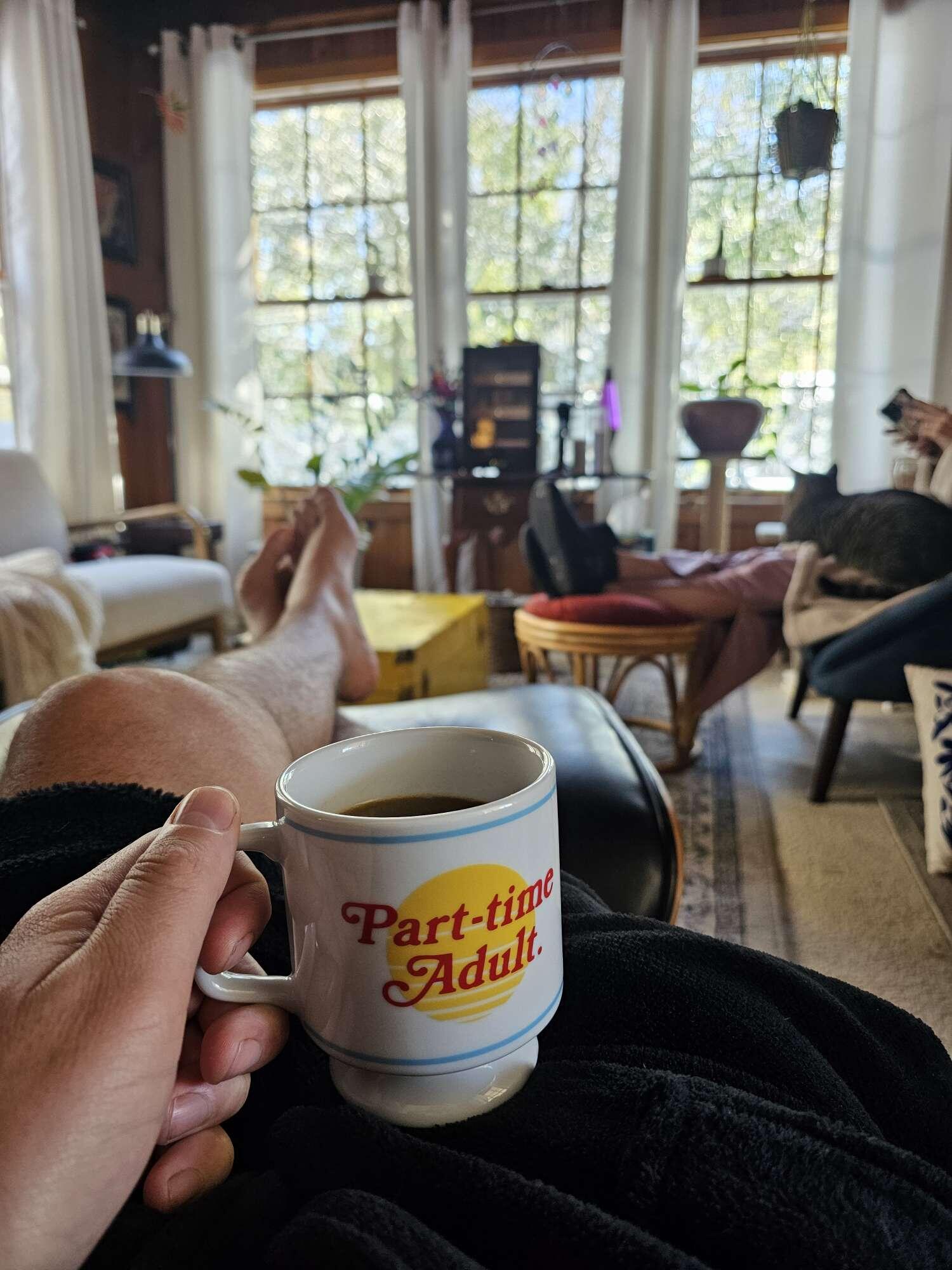



On a related note: I would love to see more movie posters done like this again. Fully illustrated imagery that communicates the mood or nature of the film without being too on the nose, and dynamic title treatments. It isn't the high watermark of design but it is visually interesting and has personality.

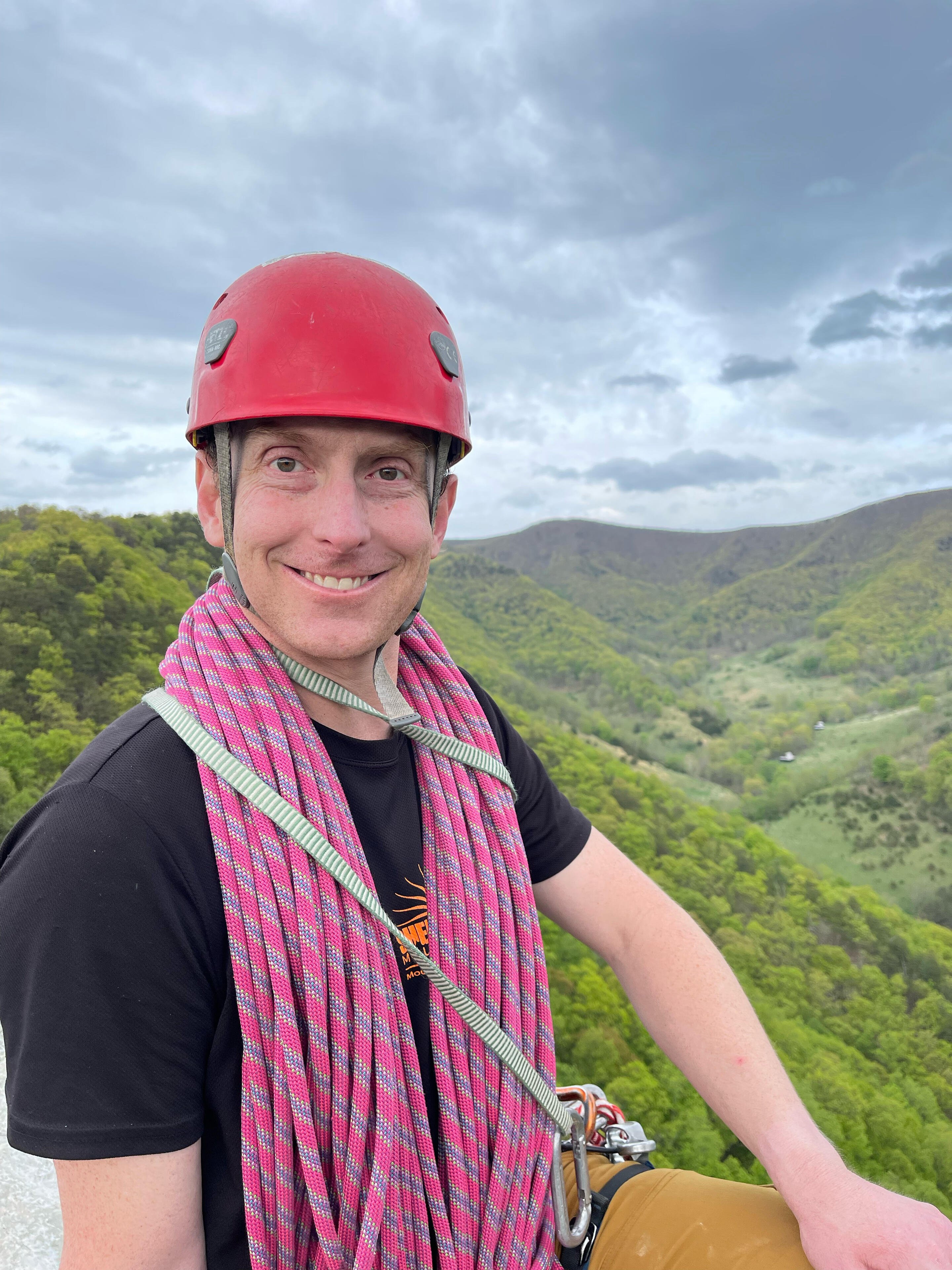

Christian father of three
Welcome to #nostr, sir

Welcome to #nostr!
Welcome to #nostr

I should say that by "what standards would be used to be used in that judgment", the EO is calling for buildings with visually identifiable qualities from regional, traditional, and classical architecture. This is clear direction but it will still be interesting to see what standards and judgments are used and who the individuals are that will be occupying the roles within government that provide approval for new architectural projects.
An EO signed yesterday that isn't getting as much attention:
Promoting Beautiful Federal Civic Architecture
Architectural movements inevitably flow from worldview, reflecting the zeitgeist. Brutalism, for example, is inherently socialistic. Architecture also acts as a way of *further shaping* the beliefs of a peoples. In other words, what we make flows from how we see the world and how we continue to see the world flows from what we make.
This EO is likely a response to the federal and civic buildings that emerged during and after the world wars. By this time, modernism—a result of the industrial revolution—had already gained popularity as an artistic, architectural, and cultural movement. After the wars, Modernism led to the New International Style, a more universalist style of architecture. Brutalism rose as a reaction. Then post-modernism followed. Each of these movements are distinct and deserve their own studied attention, but each of them have played large roles in shaping 20th century civic architecture in the United States and abroad.
The post-war consensus is globalist in its orientation, and, in many ways, so is the architecture that it produces. Universal man is exalted above a man's particular people, place, and culture. In this sense, much of the architecture from the last century can be described as anti-local, giving one a sense that they are nowhere in particular because there is nothing of the local culture reflected in its buildings. So it is understandable that many average people hate 20th century architecture, even if they don't always know the deepest reasons why.
As it concerns this EO, one can understandably ask "who decides what is beautiful?" and it is a good question. I'm not yet certain of who would judge and what standards would be used in that judgement. However, the past century has shown that there are architectural styles that are *more human* and those that are *less human* as it concerns what is communicated both about people and about the the world God made.
Beauty is not merely subjective. Neither is it a civilizational byproduct but a civilizational driver. It is essential for human life and flourishing. That is, we are made for beauty. I hope what results from this EO is civic architecture that honors people and place, that beautifies cities, and that glorifies creation's God.
#plebchain #architecture #grownostr #nostr #design #beauty
Note: I dont know that I ever waited outside in -14 in shorts and flip flops. That may have been a bit much even for my adolescent self. 🥶