


Bitcoin: the ultimate risk-reducer and value-booster. 🔥

GM Nostr 🤙🏼☀️
21.21 seconds of sparrows taking a bath.
Sometimes that’s all you need to see in the morning.
Stay humble stack sats 🫡🧡
Timestamp of freedom 913,701
https://blossom.primal.net/c2128fed99eef546b3ca303efedbbafa56f58415ee5a4905137663bdbf657ef0.mov
GM Dave 🌞 and staying blessed 🙏☕
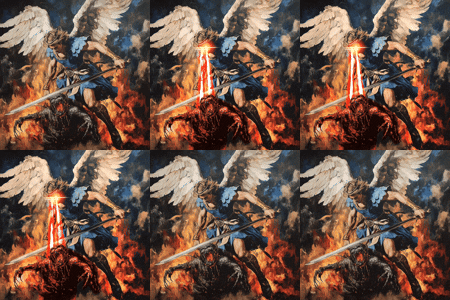
Mindset > Everything.




Faith turns fear into strength. Truly beautiful verse.

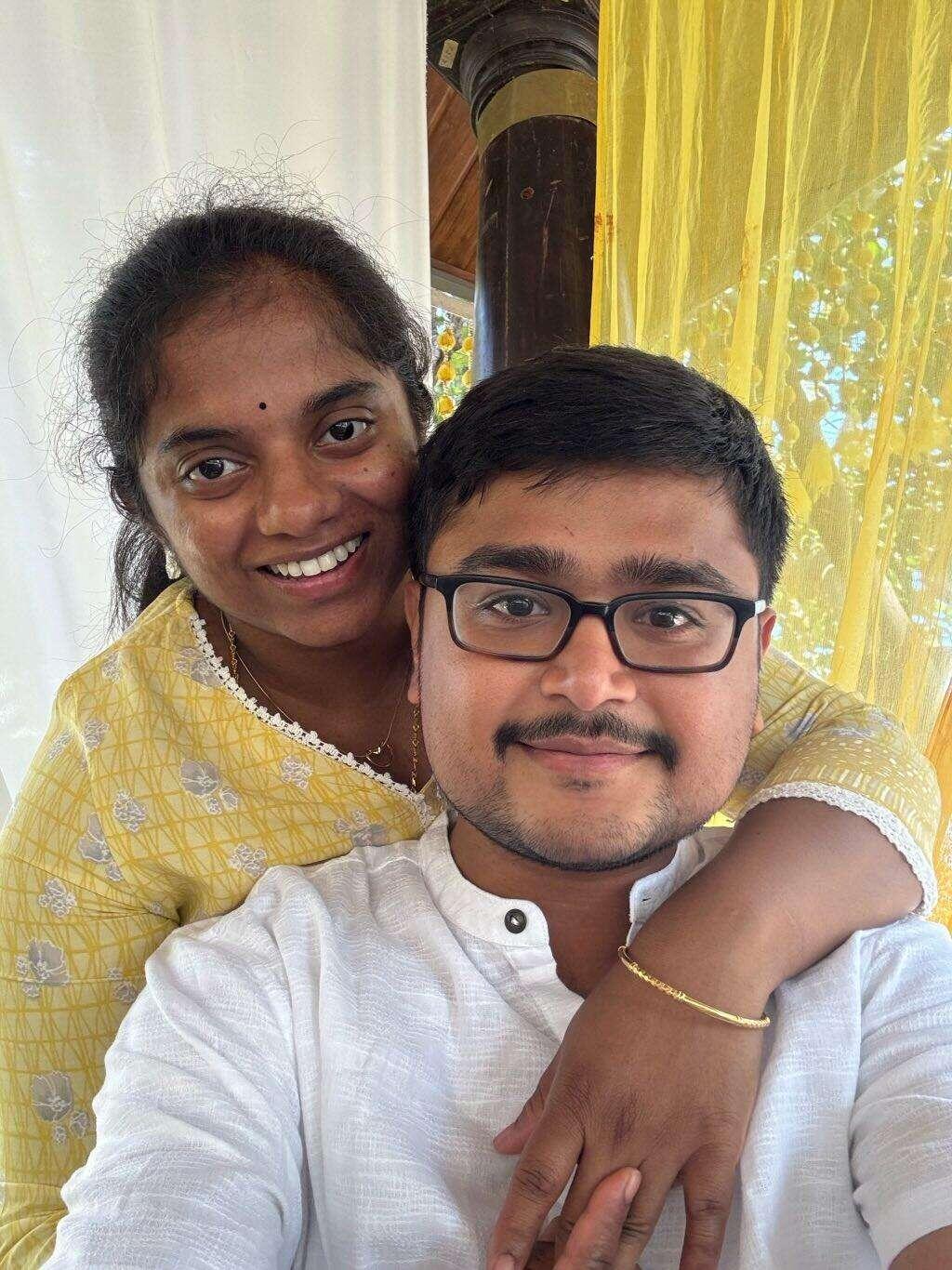
GM #nostr #plebchain
Hey nostr:nprofile1qqsyvrp9u6p0mfur9dfdru3d853tx9mdjuhkphxuxgfwmryja7zsvhqpzamhxue69uhhv6t5daezumn0wd68yvfwvdhk6tcpz9mhxue69uhkummnw3ezuamfdejj7qgswaehxw309ahx7um5wghx6mmd9u2mk7fe - seems like zapping on #Amethyst is not smooth anymore!
I am using NWC with #coinos
Good morning ☕️🧡
Have a nice day 🫂

😎 El Salvador is the first country to make Bitcoin official. Short-term losses don’t matter; their bold move is valuable for the future of crypto.
lol

Look at this beauty!
Thank you Satoshi


https://blossom.primal.net/7579a654b2a681e4cfac7e8315f92f6f8e5efc117ef7a18b2ece4131b92d8f10.mov
🔥🔥

No worries mate, your posts are always a good read. Enjoy the grass time 🌱😆


If we ever get there, it won’t be about who hodled through, it’ll be about who adapted fastest. Survivor won’t be the ones praying, but the ones prepared.
Optional migration at spend-time only works if adoption is near-universal. Otherwise, untouched UTXOs become the weakest link. Either you break fungibility by confiscating them, or you risk collapse by leaving them vulnerable. That’s why the real defense is incentives + market consensus, not just praying quantum away.
Guess someone missed the memo about maritime etiquette. 😅



I see your points, but I think it’s not entirely impossible. Advances in post-quantum cryptography, like lattice-based or hash-based schemes, could be integrated carefully to maintain UX and scaling. Yes, it’s challenging, but with a proper soft-fork strategy and community coordination, we could upgrade Bitcoin without fundamentally breaking its core principles. It would still be Bitcoin, just future-proofed.



Next time, pack the eggplant just in case 😅


Love that balance, stacking sats and enjoying nature 🌿🦋
When exponential tech meets linear humans, everything changes. Fascinating and terrifying.


History lesson in a tweet: Don’t mess with your monetary bets 😅

Exactly, version distinction matters more than just ‘core vs knots’.


Beautiful commitment. Families and communities thrive when men step up in faith 💪🙏


👋 Following you, zap me! ⚡
#privacy
#bitcoin


Exactly, inflation is essentially a reflection of how much money is chasing goods, not just rising prices.
Humans grow more complex in their illusions, yet every now and then, wisdom sneaks in.

nostr:nprofile1qqsg86qcm7lve6jkkr64z4mt8lfe57jsu8vpty6r2qpk37sgtnxevjcprpmhxue69uhhyetvv9ujuumwdae8gtnnda3kjctvqyxhwumn8ghj7mn0wvhxcmmvxstny0 : When you really understand #Bitcoin, you’re constantly a buyer. There’s never a price that’s too high.🔥🧡🔥
https://blossom.primal.net/22353eb35a54671efd5d81218665fc0c9daa045f19b17d494c3fd9d39e200541.mp4

The main reasons why inflation and actual policy are more complicated than the “print money → hire people → buy votes → repeat” cycle include:
1.Multiple factors drive inflation, Not just government spending. Supply chain disruptions, energy prices, global demand, wages, and consumer behavior all affect inflation.
2.Central bank policy matters, Interest rates, reserve requirements, and monetary policy tools influence money supply and inflation in ways that aren’t captured by a simple cycle.
3.Private sector dynamics,Businesses, investors, and households respond to incentives in unpredictable ways, which can amplify or dampen inflation.
4.Lag effects, Fiscal or monetary actions don’t affect the economy immediately; sometimes inflation reacts months or years later.
5.Global influences, Exchange rates, imports/exports, and international capital flows can have big impacts beyond domestic hiring or spending.

Spot on! The cycle of scarcity, greed, and waiting for higher prices is what makes markets so wild.