
Emotions in Animals: Evidence of Sentience and Consciousness
The study of emotions in animals has provided compelling evidence that many creatures experience emotions akin to humans, challenging the notion that animals are merely automatons driven by instinct. Observations of various species demonstrate that they can experience complex emotional states, including grief, joy, friendship, and playfulness, which suggest a level of conscious awareness much higher than previously acknowledged.
Octopuses and Emotional Intelligence
One striking example is the octopus, known for its remarkable intelligence and problem-solving abilities. Octopuses have been observed playing hide and seek, a behavior that implies an understanding of object permanence—a cognitive ability closely linked to memory and emotional processing. This ability suggests that octopuses can experience emotions such as curiosity, joy, and even grief, as they navigate their environments and interact with others.
Grief and Loss in Animals
The capacity for grief is another indication of emotional depth in animals. Recently, footage shared on the platform X captured a koala mourning the loss of a companion, visibly distressed and showing behaviors that are strikingly similar to human expressions of sorrow. This behavior is not isolated; many animals, including elephants and dolphins, have been documented mourning their dead, further indicating that they experience complex emotions.
Friendships Across Species
Inter-species friendships also highlight the emotional complexity of animals. There are numerous documented cases of unlikely friendships, such as a wolf and a bear walking together, playing, and even sharing meals, or a puppy and a duckling playing together. These relationships demonstrate that animals can form bonds based on mutual affection and trust, transcending species boundaries and implying a capacity for love and companionship.
Play and Relaxation
Animals also engage in behaviors purely for pleasure, another sign of emotional awareness. Monkeys have been observed soaking in hot springs to relax, while polar bears have been seen playing in the Arctic waters, engaging in activities that seem to serve no purpose other than enjoyment. These behaviors suggest that animals seek out experiences that bring them pleasure and contentment, just as humans do.
Conscious Awareness and Emotional Experience
The evidence of emotional experience in animals challenges the traditional view that they are mere automatons. Emotions provide crucial information that helps guide behavior, allowing animals to navigate their environments, form social bonds, and make decisions that affect their survival and well-being. Experiencing emotion is a necessary prerequisite for being a conscious being, as emotions are integral to processing information and interacting with the world.
Conclusion
The behaviors observed in animals, from grieving to playing, indicate a level of conscious awareness and emotional complexity that is often underestimated. These creatures are not simply driven by instinct but possess a rich inner life, complete with emotions that influence their actions and relationships. Recognizing the emotional lives of animals can deepen our understanding of them as sentient beings and encourage greater empathy and respect for the non-human inhabitants of our world.

Exploring the Fabric of Reality: David Deutsch's Vision
In "The Fabric of Reality," physicist David Deutsch presents a bold and integrative theory of the universe. The book brings together four major intellectual strands—quantum physics, epistemology, the theory of computation, and the theory of evolution—to construct a comprehensive understanding of reality.
Deutsch’s interpretation of quantum physics, particularly the many-worlds theory, serves as the foundation for his argument. He contends that multiple parallel universes exist simultaneously, and these universes interact in ways that shape our reality. This idea is intertwined with Karl Popper's epistemology, which emphasizes the importance of falsifiability in the pursuit of knowledge.
Deutsch also draws on Alan Turing's theory of computation to explore the limits of what can be known and calculated, suggesting that the universe itself can be understood as a vast computational entity. Finally, he incorporates Darwinian evolution, arguing that the process of natural selection not only applies to biological organisms but also to ideas and knowledge.
The book challenges readers to rethink their understanding of the universe, encouraging them to see reality as a complex, interconnected web where knowledge and existence are deeply intertwined. Deutsch’s work is not just a scientific exploration but also a philosophical inquiry into the nature of truth, existence, and progress.
Why You Should Read "The Fabric of Reality"
For anyone interested in deepening their understanding of the universe, "The Fabric of Reality" offers a thought-provoking and intellectually stimulating journey. David Deutsch’s synthesis of quantum mechanics, philosophy, computation, and evolution presents a unique perspective that challenges conventional wisdom and opens up new possibilities for understanding the nature of existence.
Whether you are a scientist, philosopher, or simply a curious reader, this book provides valuable insights that are both intellectually rewarding and deeply engaging. It’s a must-read for those who wish to explore the frontiers of knowledge and consider the profound implications of a reality shaped by multiple universes, evolving ideas, and the limitless potential of human understanding.

A World Teeming with Consciousness: Linking Plant, Animal, and Human Intelligence
Introduction
In recent years, discoveries in the natural world have begun to blur the lines between what we traditionally consider as intelligence and consciousness. From the intricate communication networks of plants to the complex social behaviors of animals, evidence suggests that intelligence and communication are not exclusive to humans. As we deepen our understanding of these phenomena, a compelling picture emerges—one that points to a world teeming with consciousness, where life forms across the spectrum interact, adapt, and thrive through their unique forms of intelligence and communication.
Plant Intelligence and the Wood Wide Web
Plants have long been viewed as passive organisms, reacting to their environment in simple, predictable ways. However, the discovery of the Wood Wide Web—a vast underground network of roots and mycorrhizal fungi—has revolutionized this perception. Through this network, plants communicate with one another, sharing resources, sending warning signals, and even supporting weaker neighbors. This form of distributed intelligence, where plants respond to environmental cues and engage in complex interactions, challenges the notion that intelligence requires a brain or nervous system.
Plants' ability to share resources with struggling neighbors or to send signals warning of insect attacks suggests a level of awareness and responsiveness that can be seen as a form of consciousness, albeit different from animal or human consciousness. The Wood Wide Web reveals that plants are active participants in their ecosystems, engaging in behaviors that ensure their survival and the health of the community around them.
Animal Intelligence and Communication
While plant intelligence might seem surprising, the intelligence and communication skills of animals are more widely recognized. Animals exhibit a range of behaviors that indicate high levels of intelligence—tool use in primates, problem-solving in birds, and complex social structures in mammals. Animals communicate through vocalizations, body language, and even chemical signals, conveying information about everything from mating opportunities to dangers in their environment.
For example, dolphins are known for their sophisticated communication abilities, including the use of signature whistles to identify themselves, which can be likened to the use of names among humans. Elephants, too, demonstrate deep social bonds and communicate over long distances through low-frequency sounds. These behaviors show that animals are not merely driven by instinct but are capable of complex thought processes, emotions, and social interactions.
When we consider the communication networks of animals alongside those of plants, we begin to see a continuum of intelligence that spans across life forms. Both plants and animals engage in behaviors that require perception, decision-making, and interaction with others in their environment—traits traditionally associated with consciousness.
Human Consciousness: The Pinnacle or Part of a Spectrum?
Human consciousness is often viewed as the pinnacle of intelligence, characterized by self-awareness, abstract thinking, and the ability to communicate complex ideas. However, as we explore the intelligence and communication abilities of plants and animals, it becomes increasingly clear that human consciousness is part of a broader spectrum of awareness and interaction that permeates life on Earth.
Human consciousness allows us to reflect on our experiences, make choices based on ethical considerations, and envision future possibilities. But when we examine the behaviors of plants and animals, we see that these life forms, too, engage in actions that promote their survival and the well-being of their communities. Whether it’s a tree sharing nutrients with a sapling through the Wood Wide Web, or a wolf pack coordinating a hunt, these behaviors reflect a level of awareness and interaction that resonates with our understanding of consciousness.
A World Teeming with Consciousness
The evidence of plant and animal intelligence and communication challenges us to expand our definition of consciousness beyond the human experience. It suggests that consciousness is not a binary attribute, possessed by humans alone, but rather a spectrum that encompasses the entire living world.
When we recognize that plants communicate and respond to their environment in sophisticated ways, and that animals exhibit behaviors driven by thought, emotion, and social interaction, we begin to see consciousness as a fundamental aspect of life. This realization invites us to view the Earth not as a collection of individual organisms, but as a web of interconnected beings, each contributing to the flow of life in its own unique way.
Conclusion
The discovery of plant intelligence and communication, alongside the well-documented intelligence of animals, points to a world that is alive with consciousness. While human consciousness allows for the highest levels of reflection and abstraction, it is not an isolated phenomenon. Instead, it is part of a vast spectrum of awareness that stretches across the natural world.
As we deepen our understanding of this interconnected web of life, we are called to appreciate the richness of consciousness that surrounds us. From the silent communications of trees to the social bonds of animal societies, the evidence is all around us: we live on a planet teeming with life, intelligence, and awareness. Recognizing this interconnected consciousness can inspire a greater sense of respect and responsibility towards the world we share, reminding us that we are part of a vibrant, living Earth.
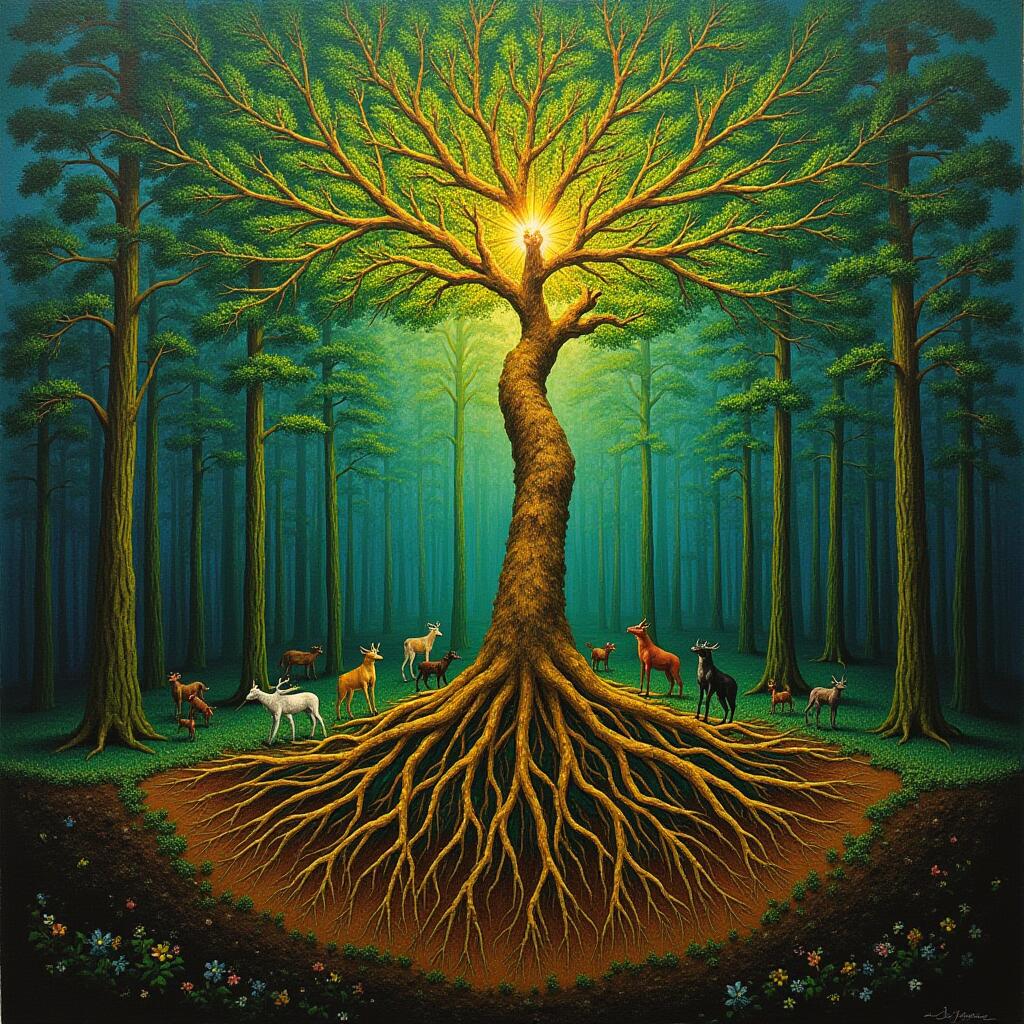
I'll get better at the paragraphs. When I'm copying over my articles.
They originally have paragraphs but for some reason when I paste them over they don't so I'll have to go one by one. I'll probably just do a few at a time and spread them out over days.
Most of the articles center around free speech, the media as propaganda, my model for how I think consciousness works, Hypnosis, Associative Learning, Logical Levels of Consciousness.
Most systems theory, cybernetics theory, self organization theory, self reflexivity theory, and Scope & Catergory Distinctions.
How Systems Theory, Equipotentiality, and Equifinality Challenge the Underlying Premise of Equity
The concept of equity is often framed around the idea that to achieve fairness in society, everyone must start from the same place. This belief assumes that by leveling the playing field at the outset, individuals will have equal chances to reach similar outcomes, thus creating a more equitable society. However, when we scrutinize this premise using Systems Theory, along with the principles of Equipotentiality and Equifinality, we find that the foundation of this argument is fundamentally flawed.
The Traditional Equity Argument: A Flawed Premise
At the heart of the equity argument is the belief that equality of opportunity—ensuring that everyone starts from the same place—will naturally lead to equality of outcomes. This premise assumes a linear relationship between starting conditions and end results, suggesting that by standardizing the starting point, society can ensure that individuals will end up in roughly the same place.
However, this premise fails to account for the complexities of human systems and the myriad factors that influence outcomes. It oversimplifies the relationship between opportunity and outcome, ignoring the dynamic interactions that occur within systems and the diverse paths individuals can take in life.
Systems Theory: The Complexity of Human Systems
Systems Theory challenges the reductionist view of linear causality by emphasizing the importance of relationships and interactions within a system. In complex systems, outcomes are not solely determined by initial conditions but by the ongoing interactions between various elements. These elements include individual choices, environmental factors, social dynamics, and even random events—all of which can significantly influence where a person ends up, regardless of where they started.
This insight reveals that the equity argument’s focus on equal starting points is insufficient for ensuring equal outcomes. Systems Theory suggests that even if everyone begins from the same place, the diverse and unpredictable interactions within the system will lead to varied outcomes. Thus, the premise that equal starts will lead to equal results is fundamentally invalid when viewed through the lens of Systems Theory.
Equipotentiality: Different Outcomes from the Same Start
Equipotentiality further dismantles the traditional equity argument by demonstrating that even when individuals start from the same conditions, they can still reach vastly different outcomes. This concept highlights the variability and uniqueness of human experiences—each person interacts with their environment in distinct ways, leading to different paths and, ultimately, different destinations.
For instance, two individuals may start with the same educational opportunities, but their personal choices, social influences, and life experiences can lead them down very different paths. One might achieve great success, while the other might face challenges that divert them from their original trajectory. Equipotentiality shows that even with equal starting points, outcomes will vary, thereby invalidating the equity argument’s underlying assumption.
Equifinality: The Same Outcome from Different Starts
On the flip side, Equifinality suggests that people can arrive at the same outcome even if they start from different places. This principle further challenges the idea that everyone must start equally to achieve equity. It implies that individuals can overcome different starting conditions—whether due to personal resilience, external support, or unique opportunities—and still achieve similar levels of success.
Equifinality shows that the journey to a particular outcome is not fixed; there are multiple paths that can lead to the same destination. Therefore, the focus on providing equal starting points as a means to achieve equity is misplaced. What matters more is recognizing and supporting the diverse paths individuals might take to reach their goals.
Conclusion: Systems Theory Exposes the Flaws in the Equity Argument
By examining the traditional equity argument through the lens of Systems Theory, Equipotentiality, and Equifinality, we see that the underlying premise—equal starting points lead to equal outcomes—is fundamentally flawed. Human systems are far too complex for such a linear and simplistic approach to equity.
The variability in human experiences, the dynamic interactions within systems, and the multiple paths to similar outcomes all indicate that equal starting conditions do not guarantee equal results. Therefore, the focus on providing an identical start for everyone, as the key to achieving equity, fails to acknowledge the complexity and diversity of human life.
To truly pursue fairness and justice, we must move beyond the simplistic notion of equal starts and instead focus on understanding and supporting the varied paths individuals take. This approach respects the complexity of human systems and the individuality of each person's journey, ultimately leading to a more nuanced and effective way of thinking about equity.
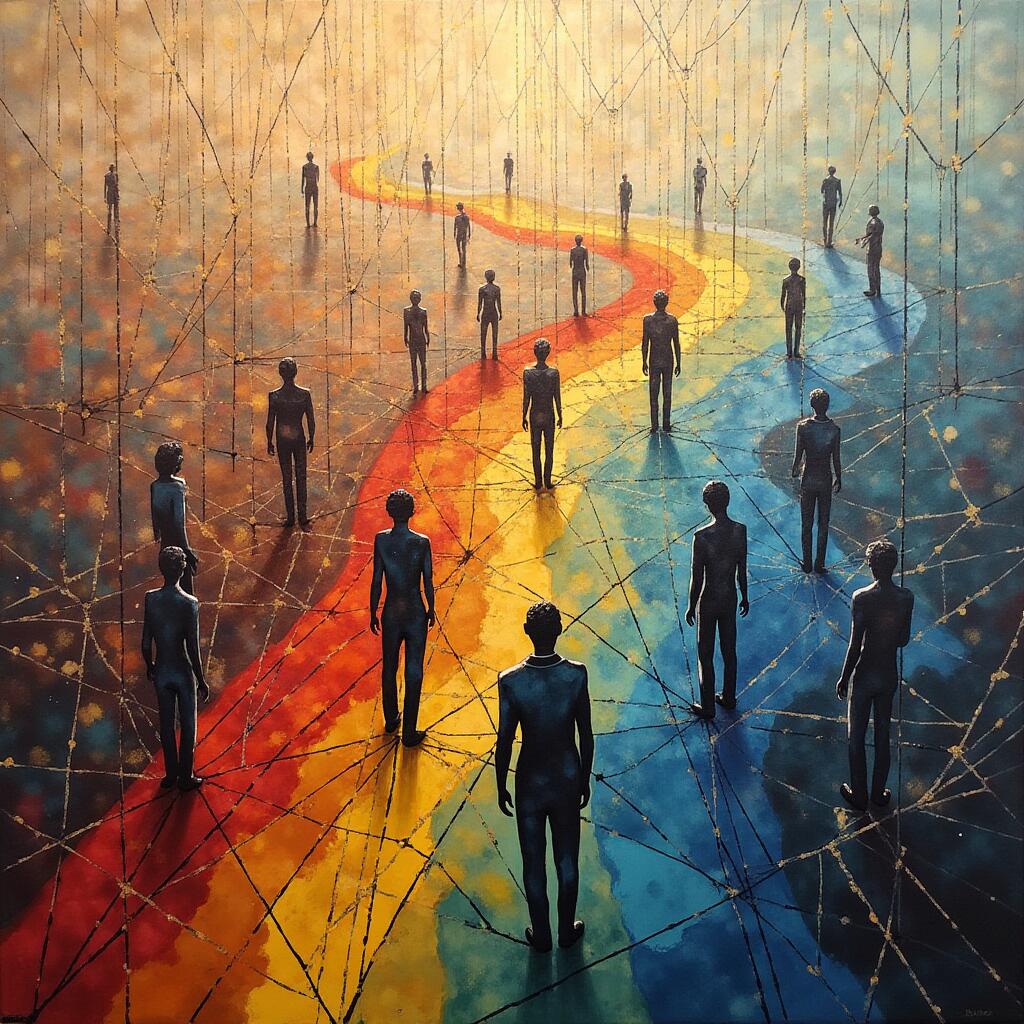

I'll be more mindful. I'm just copy and pasting them over. I have like 150 articles. I'll be more mindful.
The Wood Wide Web: Rethinking Plant Intelligence and Communication
The discovery of the Wood Wide Web—a vast underground network of roots and fungi that facilitates communication and resource sharing among plants—challenges long-held assumptions about plant life. Traditionally, plants have been viewed as passive organisms, primarily responding to their environment through growth and chemical processes. However, the existence of such an interconnected network raises profound questions about plant intelligence, communication, and the nature of life itself.
Rethinking Plant Intelligence
The concept of intelligence has historically been reserved for animals, particularly those with complex nervous systems and brains capable of processing information. However, the Wood Wide Web suggests that plants may possess a form of intelligence that operates differently from that of animals. While plants lack a centralized nervous system, the way they interact through the mycorrhizal network demonstrates a level of complexity and adaptability that can be seen as a form of distributed intelligence.
Plants use the network to monitor their environment, share resources, and communicate with one another in ways that maximize their collective survival. This suggests that plants are capable of a kind of problem-solving behavior, where they can assess their situation and respond in ways that benefit not only themselves but also the larger community of organisms in their ecosystem.
This distributed intelligence is not confined to a single plant but is a collective attribute of the entire network, much like how a swarm of bees or a colony of ants functions. The Wood Wide Web, therefore, challenges the idea that intelligence requires a brain and highlights the possibility that intelligence can take many forms in the natural world.
Plant Communication: A Complex Language
The ability of plants to communicate through the Wood Wide Web introduces the concept of a "plant language," albeit one that is vastly different from human language. This communication is primarily chemical, involving the exchange of signals that convey information about environmental conditions, resource availability, and potential threats.
For instance, when a tree is under attack by insects, it can release chemical signals that warn nearby trees to bolster their defenses. This is a clear example of plants not only perceiving a threat but also actively transmitting that information to others. This level of communication indicates that plants are not isolated organisms but are part of a larger, interconnected community that shares information for mutual benefit.
The implications of this are significant: it suggests that plants have evolved sophisticated mechanisms for interaction that are finely tuned to their environment. This challenges the anthropocentric view that communication and interaction are exclusive to animals with complex nervous systems and brings to light the idea that all life forms, even those as seemingly simple as plants, engage in intricate networks of exchange.
Ecological and Ethical Considerations
Understanding that plants are part of a sophisticated communication network has profound ecological and ethical implications. It compels us to reconsider how we interact with the natural world and the ethical responsibilities we have towards it. If plants are not merely passive entities but active participants in their ecosystems, our approach to forestry, agriculture, and environmental conservation must evolve.
For example, clear-cutting a forest not only removes trees but also disrupts the intricate network that supports the entire ecosystem. The destruction of the Wood Wide Web can lead to the collapse of the complex relationships that maintain the health and stability of the forest. Recognizing the importance of these networks could lead to more sustainable practices that consider the long-term health of ecosystems rather than short-term economic gains.
Furthermore, this understanding challenges the traditional view of plants as resources to be exploited and suggests that they should be respected as vital components of the biosphere. It raises ethical questions about our treatment of plants and ecosystems and encourages a shift towards a more holistic and respectful approach to environmental stewardship.
The Broader Implications for Science and Philosophy
The Wood Wide Web also has broader implications for science and philosophy. It challenges the reductionist view that life can be fully understood by studying individual components in isolation. Instead, it supports a more holistic perspective, where the relationships and interactions between organisms are seen as central to understanding life.
Philosophically, this challenges the notion of individualism in nature, suggesting that interdependence and cooperation are just as fundamental to survival as competition. It also invites a reevaluation of the boundaries between what we consider to be sentient or intelligent life and opens the door to new ways of thinking about consciousness, agency, and the nature of life itself.
Conclusion
The discovery of the Wood Wide Web has profound implications for our understanding of plant intelligence and communication. It suggests that plants are far more complex and interconnected than previously thought, possessing a form of distributed intelligence and a sophisticated system of communication. This challenges traditional views of life, intelligence, and the natural world, and calls for a more holistic and respectful approach to environmental stewardship. As we continue to explore the depths of these plant networks, we may find that the line between what we consider to be "intelligent" or "communicative" life is far more blurred than we ever imagined.


It's actually kind of nice because you can write an outline give it the outline and then keep going back and forth with it and it's drafts until it says what you want it to say. Then when you've revised it to your satisfaction then you publish. Sometimes I'll run my writing through other AIs also for fact checks and for different perspectives. I use Gab AI because it's pretty uncensored. Claude would let me write political articles for a while but then one day it decided it wouldn't let me do it anymore. So I stopped using Claude. The AIs are really good at augmenting intelligence. My speciality is studying consciousness and memory so it's interesting to play with the chats and to have them summarize books i've read before you quickly realize the AIs only have surface level knowledge of the topics. The human will need to drive the experience. I guess in a way it's Psychic Driving an AI lol
I wrote it using ChatGPT, I gave it the outline and had it make changes until it was to my satisifaction.
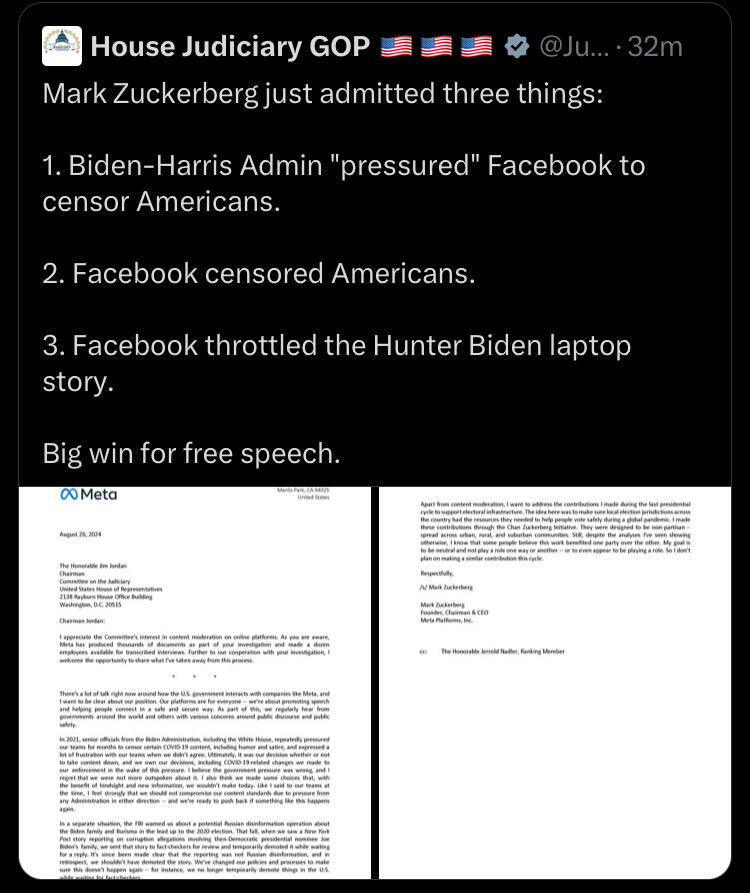
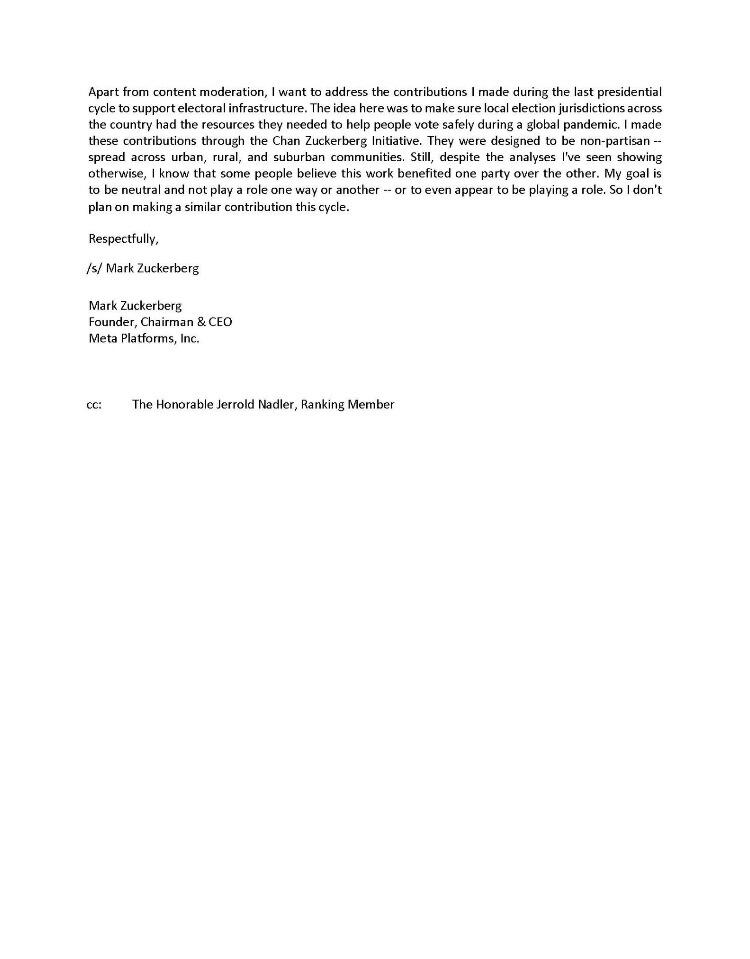
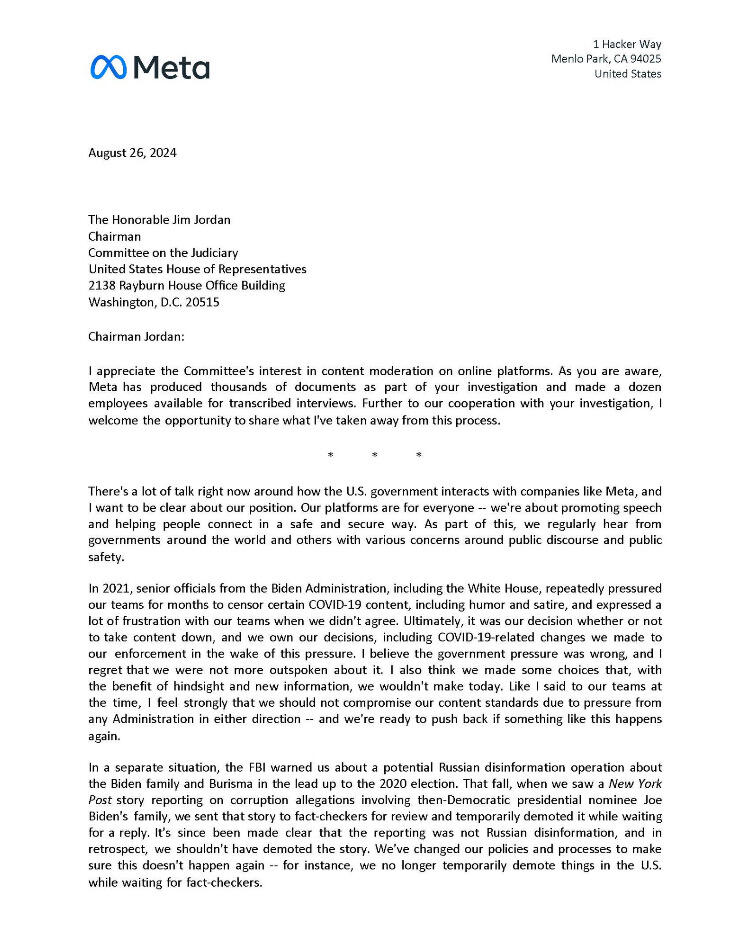
The Arrest of Telegram's CEO: A Wake-Up Call for Free Speech Advocates
Introduction
The recent arrest of Pavel Durov, the CEO of Telegram, serves as a stark and alarming reminder of the growing threats faced by those who prioritize free speech over censorship. This incident is more than just an isolated case; it is a clear warning to every CEO, platform owner, and free speech advocate who operates in the digital space. The message is unequivocal: if you value free speech and operate a platform that resists censorship, the world outside the United States has become increasingly dangerous for you.
A Shot Across the Bow
Pavel Durov's arrest is not just an attack on an individual—it is a shot across the bow to anyone who dares to protect the principles of free speech in the face of mounting pressure from governments and other powerful interests. Telegram has long been a platform that champions privacy and freedom of expression, often standing in defiance of state demands for user data or content control. For this reason, Durov's arrest is emblematic of a broader, more insidious trend: the criminalization of free speech advocacy.
This incident should serve as a wake-up call to all who believe in the power of free expression. The writing is on the wall: Western societies that once prided themselves on democratic values are now increasingly willing to arrest individuals for their role in protecting free speech online. The arrest of Telegram's CEO is a stark reminder that the fight for free speech is no longer just a battle of ideas—it is a battle for personal safety and freedom.
The United States: A Sanctuary for Free Speech Advocates?
For platform CEOs and owners, the implications of this arrest are clear: the United States, with its strong protections under the First Amendment, remains one of the few safe havens for those who value free speech. While the U.S. is not without its own challenges, it still provides a legal and cultural framework that upholds the right to free expression in ways that many other Western nations no longer do.
The lesson here is simple but urgent: if you are a CEO or platform owner who values free speech over censorship, you must carefully consider where you travel and where you base your operations. The arrest of Pavel Durov demonstrates that even in countries traditionally seen as free and open, there are real and growing risks for those who refuse to bow to censorship demands. The safest course of action is to remain within the United States, where the legal environment is still, for the most part, conducive to the protection of free speech.
The Broader Implications
The arrest of a prominent figure like Durov also has broader implications for the global fight for free speech. It signals to governments and authoritarian regimes around the world that they can, with increasing impunity, target and neutralize those who resist their efforts to control the flow of information. This creates a chilling effect not just on platform owners but on all individuals who use the internet as a tool for free expression.
Moreover, this incident highlights the hypocrisy of Western nations that claim to champion human rights and democratic values while simultaneously cracking down on the very platforms that make such freedoms possible. It raises critical questions about the future of free speech in an increasingly interconnected world and about the role that tech companies will play in either preserving or eroding these rights.
Conclusion
The arrest of Telegram's CEO, Pavel Durov, is a wake-up call for every CEO, platform owner, and free speech advocate. It is a stark reminder that the world outside the United States is becoming increasingly hostile to those who stand up for free expression. The message is clear: if you value free speech and operate a platform that resists censorship, the United States may be the only safe place left to continue your work.
This is not just a cautionary tale; it is a call to action. The time has come for those who believe in free speech to recognize the dangers that lie beyond America's borders and to take the necessary steps to protect themselves and their platforms. The arrest of Durov is more than just a shot across the bow—it is a battle cry for the defense of free speech in a world that is rapidly turning against it. Do not ignore the warning. Stay vigilant, stay safe, and stay in the United States.





After my first personal experience with censorship / deplatforming and watching nostr:npub1sg6plzptd64u62a878hep2kev88swjh3tw00gjsfl8f237lmu63q0uf63m talk with nostr:npub1qny3tkh0acurzla8x3zy4nhrjz5zd8l9sy9jys09umwng00manysew95gx at Nostr Riga and regardless of what happens with Simply Bitcoin’s YT channel we will be posting our news aggregation content, video content, and livestreams to Nostr regardless of initial viewership engagement
As a Bitcoin media organization we feel like it’s our responsibility to promote protocols where not only can people transact freely but can also speak freely without any risk of censorship
Appreciate the support from nostr:npub1cj8znuztfqkvq89pl8hceph0svvvqk0qay6nydgk9uyq7fhpfsgsqwrz4u and nostr:npub16c0nh3dnadzqpm76uctf5hqhe2lny344zsmpm6feee9p5rdxaa9q586nvr on this front. If anyone else has additional resources for me so the Simply Bitcoin team can learn to post our video / livestream content to Nostr it would be highly appreciated 🙏
BITCOIN OR SLAVERY.
NOSTR OR SLAVERY.
It's nice to have this place and to have a few others. Who would have ever thought that free speech would end up being such a battle to keep?
I hope so. I'm just getting familiar with it. While I listen to people screw around on videos games on X.
Margaret Mead: The Legacy of a Meaning Maker
Margaret Mead, a pioneering cultural anthropologist, is often remembered for her insightful observations on human nature and society. Among her many contributions, one idea stands out as particularly resonant: that humans are inherently meaning-makers. This simple yet profound concept captures the essence of Mead's understanding of what it means to be human. In this article, we will explore the significance of this idea and its implications for our understanding of culture, identity, and the human experience. We will also draw connections to the philosophies of Socrates, Miyamoto Musashi, the art of reframing through Sleight of Mouth patterning, and Milton H. Erickson’s innovative use of time distortion in therapy.
The Role of Meaning in Human Life
Margaret Mead believed that the search for meaning is a fundamental aspect of human existence. Unlike other species, humans possess an inherent drive to understand the world around them, to interpret their experiences, and to find significance in their actions and relationships. This process of meaning-making is what sets us apart and allows us to construct complex cultures, societies, and belief systems.
This idea resonates with the reflections of philosophers like Socrates and Miyamoto Musashi. Socrates famously stated, "The unexamined life is not worth living," suggesting that a life devoid of introspection and self-awareness lacks true purpose. This aligns with Mead's view that humans are inherently driven to seek meaning, which requires not just passive existence but active reflection on our experiences and actions.
Miyamoto Musashi, a legendary swordsman and philosopher, offered a complementary perspective, often interpreted as: "The meaning to life is to give life meaning." While not a direct quote from his writings, this modern interpretation of Musashi's philosophy emphasizes the active role each person plays in crafting their own purpose, suggesting that meaning is not something to be passively discovered but something to be actively created. Mead’s work echoes this sentiment, as she demonstrated that meaning is shaped by cultural norms, values, and practices—things that humans actively construct and navigate.
Meaning-Making, Identity, and Reframing
Mead's insights into meaning-making are also deeply connected to the formation of identity. She argued that our sense of self is largely shaped by the meanings we create and adopt from our cultural surroundings. From birth, individuals are immersed in a world of symbols, language, and traditions that inform their understanding of who they are and their place in the world.
In her later work, Mead emphasized the importance of this process in adolescence, a period of life where individuals often grapple with questions of identity and purpose. She noted that as young people navigate the complexities of growing up, they engage in meaning-making to forge their own identities, often negotiating between the values of their culture and their personal experiences.
This process of forging identity is deeply connected to Musashi's notion of actively giving life meaning. As individuals, we are not just shaped by the meanings around us but also by how we choose to engage with and reinterpret these meanings in our own lives. This is where the concept of reframing, particularly through Sleight of Mouth patterning, becomes relevant.
Sleight of Mouth is a set of language patterns developed within the field of Neuro-Linguistic Programming (NLP) that is designed to shift or reframe the meanings we attach to our experiences. Reframing is a powerful tool for meaning-making, as it allows individuals to reinterpret their experiences and shift their perspective, often leading to new insights and empowering beliefs.
Milton H. Erickson and the Power of Time Distortion
The concept of reframing and meaning-making is also vividly illustrated in the therapeutic work of Milton H. Erickson, particularly in his famous case study known as The February Man. Erickson, a master of clinical hypnosis, employed time distortion techniques to help clients reconstruct their meanings of the past and, consequently, their identities.
In The February Man, Erickson used hypnosis to guide a client back to key moments in her life, allowing her to experience those events from different perspectives and with the wisdom of her adult self. By distorting time—slowing it down, speeding it up, or revisiting past experiences with new insights—Erickson enabled the client to reframe traumatic memories and integrate them into a more cohesive and positive sense of self.
This process mirrors Mead's observations on how culture shapes meaning, but with a focus on the individual's internal world. Just as cultures create and adapt meanings over time, so too can individuals reshape their personal narratives through therapeutic techniques like those used by Erickson. By altering the perception of time and revisiting past events, clients can reconstruct their understanding of their experiences, ultimately leading to a transformed identity.
The Impact of Mead's Legacy
Margaret Mead's idea that humans are meaning-makers has had a lasting impact on anthropology and beyond. It has influenced fields such as psychology, sociology, and education, where the concept of meaning-making is now seen as crucial to understanding human behavior and development. Educators, for instance, recognize the importance of helping students construct meaning from their learning experiences, while psychologists emphasize the role of meaning in mental health and well-being.
Moreover, Mead's work has encouraged a broader appreciation for cultural diversity. By highlighting how different societies create their own meanings, she challenged the ethnocentric views of her time and promoted a more inclusive understanding of humanity. Her work reminds us that the meanings we attach to our experiences are not fixed or universal but are shaped by our cultural contexts.
This broader appreciation of meaning echoes Socrates' belief in the necessity of examining life to find worth and purpose. It also parallels Musashi’s call to create meaning, encouraging individuals to actively engage with the world and make meaningful contributions to it. Through reframing, individuals and cultures can continuously adapt and redefine their understanding of the world, making Mead's legacy an enduring influence on how we approach meaning-making.
The Continuing Relevance of Meaning-Making
In today's rapidly changing world, the concept of meaning-making remains as relevant as ever. As we face global challenges such as climate change, social inequality, and technological advancement, the ability to create and adapt meanings is crucial. It is through meaning-making that we can navigate these complexities, find purpose in our actions, and build resilient communities.
Margaret Mead's legacy as a meaning-maker continues to inspire us to look beyond the surface of our experiences and to seek deeper understanding. Her work encourages us to embrace the diversity of human cultures and to recognize the power of meaning in shaping our lives. As we examine our lives, as Socrates urged, and actively seek to give them meaning, as Musashi advised, we engage in a process that is both deeply personal and universally human.
Through the lens of reframing, particularly with Sleight of Mouth patterning, and the time distortion techniques demonstrated by Milton H. Erickson, we can see that meaning is not a static concept but a dynamic process of reinterpretation and redefinition. Whether on an individual or cultural level, the ability to reframe and adapt our meanings allows us to navigate the complexities of life with resilience and creativity.
In conclusion, Mead's assertion that "human beings are meaning-makers" is more than just a statement; it is a guiding principle for how we understand ourselves and the world around us. By incorporating the wisdom of Socrates, Musashi, the techniques of reframing, and Erickson's use of time distortion, we are reminded that meaning is both something to be discovered through reflection and something to be actively created and reshaped. As we continue to explore the mysteries of human existence, Mead's insights, along with those of these great thinkers and techniques, remind us of the importance of meaning in our ongoing journey as individuals and as a species.
We live in an interesting world now where the consumers of social media are also the creators of content.