


There’s a strong parallel between different social media and religion.
The spectrum is from MSM (devout Christianity/ Islam), where you just accept what you’re told and have no ability to question or agency. This gives some people comfort, for some reason I can no longer understand. Maybe it’s like ‘well, maybe we are going off the cliff but at least we’ll all go together’.
Then are small branches (say certain denominations that have questioned some irrationality from the main branch). The social media equivalent is eg Threads or Reddit, where they ostensibly allow some agency, but the prevailing view is so heavily enforced that it’s only a make believe agency.
Then there is the kind of counter- prevailing narrative views like X, RT, Sky News Australia, Telegram. Maybe these are ‘religions’ like humanism or liberalism. They attempt to counter the prevailing view and will likely win eventually, but they will have to decentralise and expect to suffer several crusades against them by the self-appointed ‘righteous’ before then.
Then there is Nostr, which is atheism.
Bitcoin not a lifeboat unless the fiat empire lets you go? Some lifeboat…
Interesting analogy😂

You mean you’re not going to pay taxes?


How are you muted and still appearing in my feed

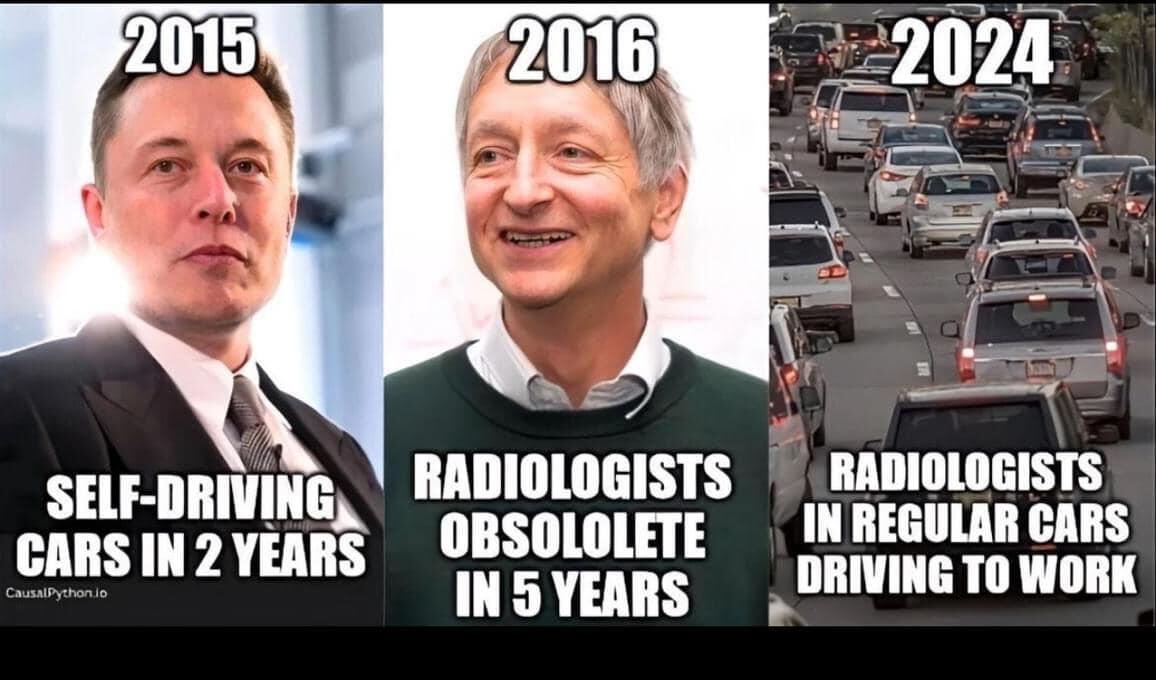
Well they were both right. We had self driving cars and software that could interpret images at the time they said.
Maybe it’s the faceless bureaucrats that stood and still stand in their way from this achieving mass adoption that we should be pointing our fingers at
The Maverick Of Wall Street calling Druckenmiller Drunkenmiller, or saying something like ‘ok so retail shoppers are downgrading and so higher end shoppers are going to shop at Wallmart, but this can’t happen for lower end consumers, I mean if you’re going to shop at Dollar Tree what where you gonna go downgrade and shop in the garbage can?’

Sigh



I have and was going to again recently, but read this:
https://realizebeauty.wordpress.com/2012/12/30/the-trouble-with-making-your-own-sunscreen/
There are a few great clear zinc sunscreens in Australia (I picked up the Wotnot matt clear zinc yesterday).



It’s not that simple. Fiscal policy is determined by election promises from years earlier, public sentiment and the will of politicians to make tough decisions that the public might not enjoy immediately. See eg Milei in Argentina or Howard in Australia. Earlier in Europe following World Wars, or Japan more recently, selling infrastructure to pay debt, despite cost of borrowing being negative. Even imposed externally like IMF in Latin American crisis or Greece. These have a far bigger weight than the cost of borrowing. In fact I’d bet on there being a positive correlation between low interest rates worldwide and lower government spending, since interest rates are usually cut after the government is unable to spend to stimulate the economy any further and is approaching debt levels where some form of austerity becomes necessary for reasons I can expand on if you wish.


She’s not this bad. But the fact that this is banned, I tend to agree with you


Well you’re ignoring fiscal policy
https://pubmed.ncbi.nlm.nih.gov/38309825/
nostr:note1exa5q6h3zltej66d3s7c9rhyyks03v3jjxx8s9khpcp3ujnuqsjskm8xzz