
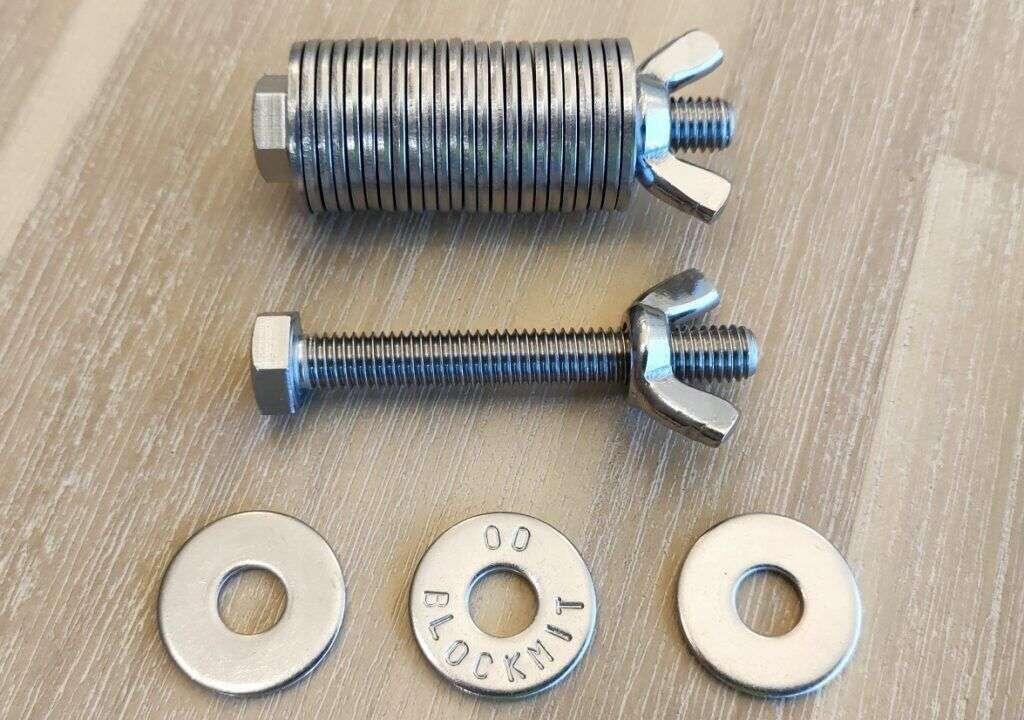
nostr:nprofile1qqs0sd3uqe8j7a8cfwz93nnl9yff0uf493kcu89apkmzxsnp7nh5k0qpz9mhxue69uhkummnw3ezuamfdejj78xu66k has the best info available for keeping your crypto safe. You can start here:
https://jlopp.github.io/metal-bitcoin-storage-reviews//?ref=blog.lopp.net

2 Bitcoin ETFs to Buy With $100 and Hold Forever
https://finance.yahoo.com/news/2-bitcoin-etfs-buy-100-150500924.html
Smh


Blame it on white privledge

Hear about bitcoin.
Research & buy bitcoin.
(Not your keys, not your coins)
Wonder what happens as the limited supply inches toward zero.
(All bitcoin ends up in hands of powerful)
Experience high onchain fees.
Try LN. Too much effort for self-custody.
Realize bitcoin's "digital gold" narrative rug pulled the OG p2p digital cash narrative and is designed to mirror the existing banking system.
(So much for cypherpunk)
Find several other trusted cryptos that each have their own unique features, but all share fast, secure & inexpensive transactions with built in fungibility, and some mainstream support.
Think, if Bitcoin doesn't have a CEO who is managing all of the forks and development?
Is running a node really a 'vote' (as they say) for decentralization, if all node runners regularly upgrade their nodes?
Oops. Ordinals! Devs, "Did I do that?"
Ask #MichaelSaylor or the folks at #Tether

Bitcoin is money!
Almost daily I am purchasing goods at any of over 2,000 PicknPay stores, coffee at First Light Coffee in Jeffreysbay and petrol at TotalEnergies with WiCode vouchers from @bitrefill in #SouthAfrica.
Today I tested the new feature in nostr:npub1ajlrwgfj4yerhqf7ady03h7wmtk2qr3gs7h3sxcx83k05yld36sswpzx3q which allows you to directly pay the QR code from PicknPay. It worked! Thanks to the nostr:npub1jugar2agq6369p0l86razavs9shj2p6pscxecevs8j94ap37hkqsjlfc28 SDK that enables Lightning payments via swaps from nostr:npub1nyyhnqahf3cgqzcc927x7eqyd2msgplfe27ddn6hpgu2m200wh2s0s7gan 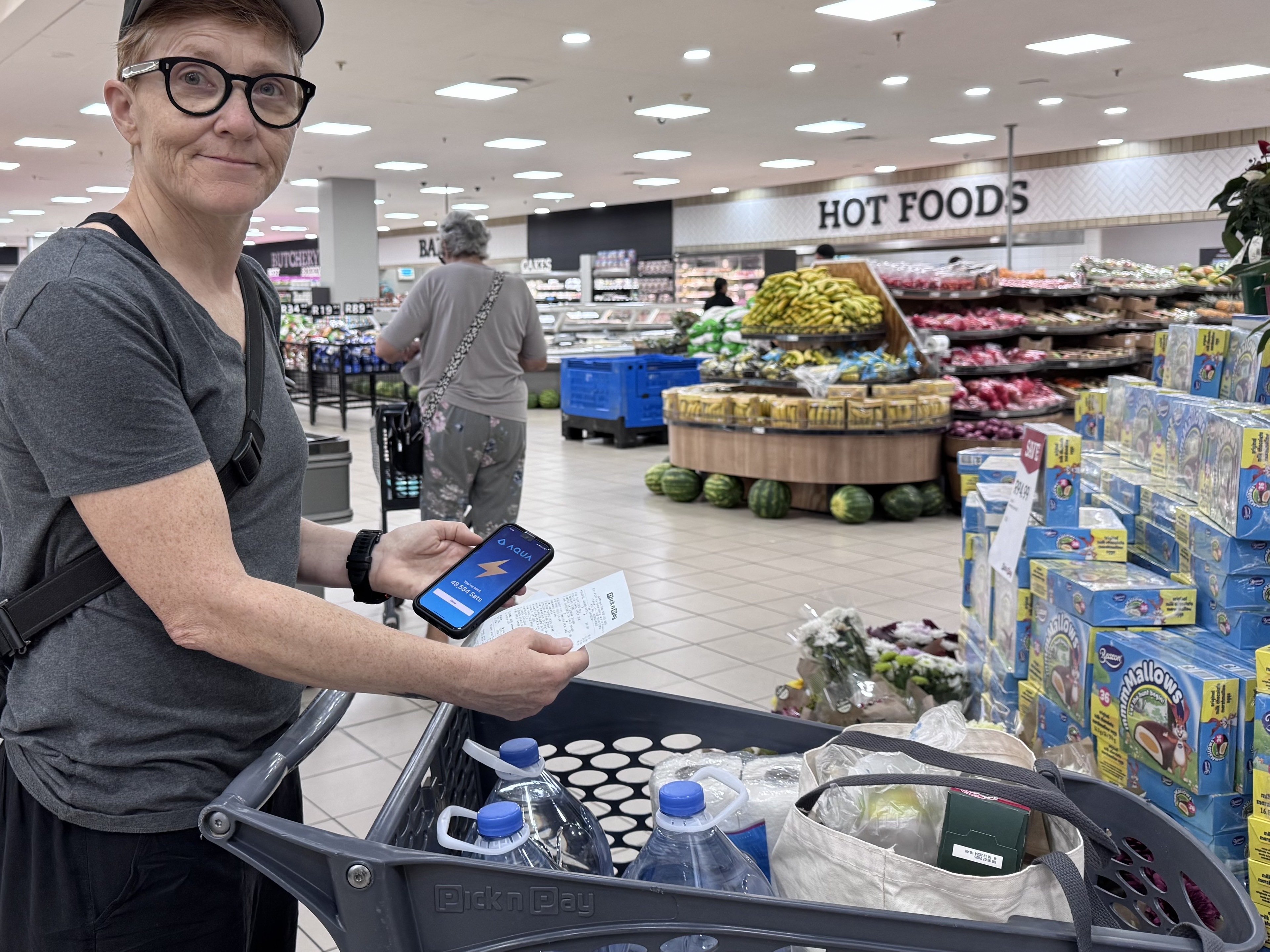
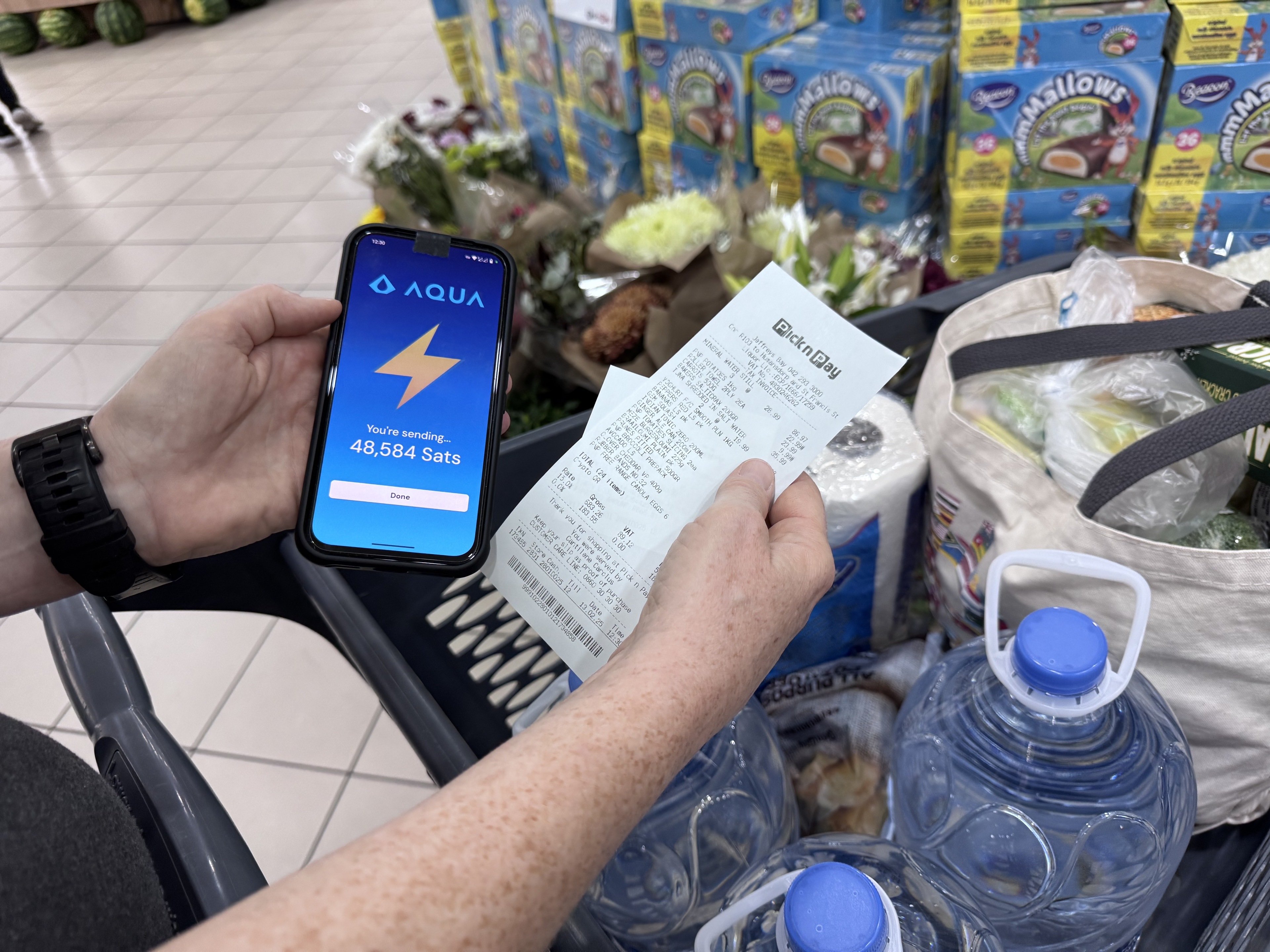
It's inspiring that you are living your ideals, but what is the benefit of spending bitcoin when there are so many third parties between you and the merchants?
She's cute!
The British are coming!

You are only number go up. It's a shame, because each change made to Bitcoin reduces the only leg it has to stand on, namely "the original".
If I ever need toothpicks I know where to look! I love those long, skinny legs!

Nostr has a major competitor now :-). ... BF ISLAND .. there is no chance ...
https://www.perplexity.ai/page/buzzfeed-launches-new-social-p-r5ATwvYCTHKfeYSdsGI8Wg
Bvtt Fvck Island?

Defund the government! Earn in (no KYC) crypto, spend in crypto.
#AcceptCrypto
Sexy trouble!
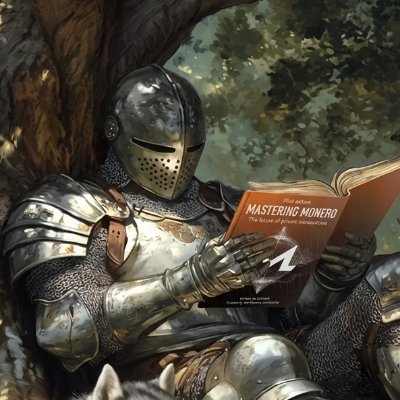

Correction. Those shadowbanners DO NOT ACCEPT BCH either, they can't tolerate competition from two currencies that function far better.
Coinsbee.com and eGifter.com are both more open minded.
Mmmmm. Tasty!

Harder & harder to be free. Even crypto transactions are beginning to ask for KYC, or at least asking to use KYC wallets like Coinbase, Crypto(dot)com, etc. SMH. People just smile and say OK.