

In the end, it's really that easy. 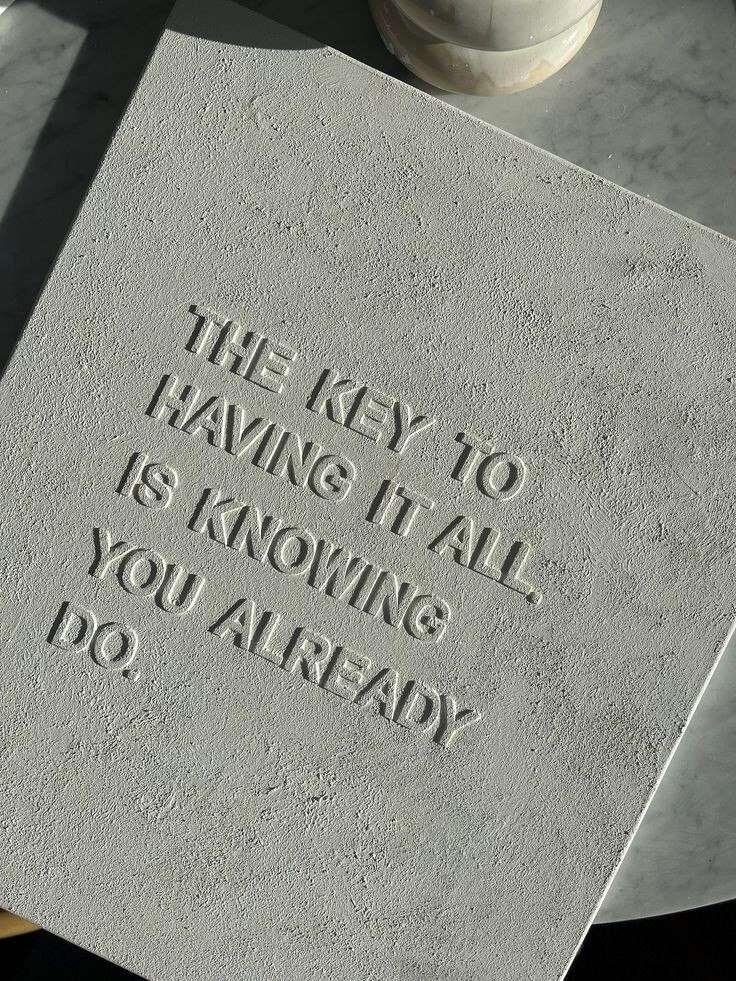

The big fat lie: what we should really know about saturated fat
For decades, we were told that saturated fat was the villain in our diet. Butter, lard and high-fat animal products were seen as precursors to heart disease. But what if everything we thought we knew about fat was based on shaky science?
A turning point in fat science
In 2010, Dr Ronald M. Krauss, one of the leading nutrition experts in the USA, shook the foundations of nutritional science. After a comprehensive review of the scientific literature, he came to a surprising conclusion: there is no robust evidence that saturated fat causes heart disease. A later Harvard-Cambridge study confirmed this finding.
The origin of the fat myth
It all began in the 1950s with one man: Ancel Keys. His ‘Seven Countries Study’ had a lasting impact on our dietary guidelines. However, his research had a crucial catch: he specifically selected only those countries that supported his theory. He simply left out countries such as France or Switzerland, where people lived healthy lives despite eating a high-fat diet.
What nature teaches us
History has many examples that disprove Keys' theory:
The Maasai in Kenya: subsist mainly on meat, milk and blood - without heart problems
The Inuit in the Arctic: 80% of their diet consists of fat - they were perfectly healthy
Indian railway workers: those who ate more fat lived on average 12 years longer
The real culprit?
When we started to avoid fat, we replaced it with carbohydrates. Muesli instead of fried eggs, pasta instead of meat and highly processed vegetable oils. The result? Rising rates of obesity and diabetes. Recent research suggests that excessive carbohydrate consumption - even from ‘healthy’ wholemeal products - may be more harmful than a high-fat diet.
What does this mean for us?
It's time to rethink our fear of saturated fat. A balanced diet doesn't have to be low in fat. Perhaps we should be more concerned about our sugar and carbohydrate intake instead.
Conclusion
The saturated fat story is a prime example of how single influential voices can dominate the scientific debate for decades. It reminds us that we should always question even seemingly certain scientific ‘truths’.

It is a scientific document entitled: Biology, Buddhism and AI: Care as the engine of intelligence.
Quite interesting. It is one of the 3 documents on the tablet alongside the Bitcoin whitepaper.
Got my Daylight Tablet today. It's fun to use it as digital paper. 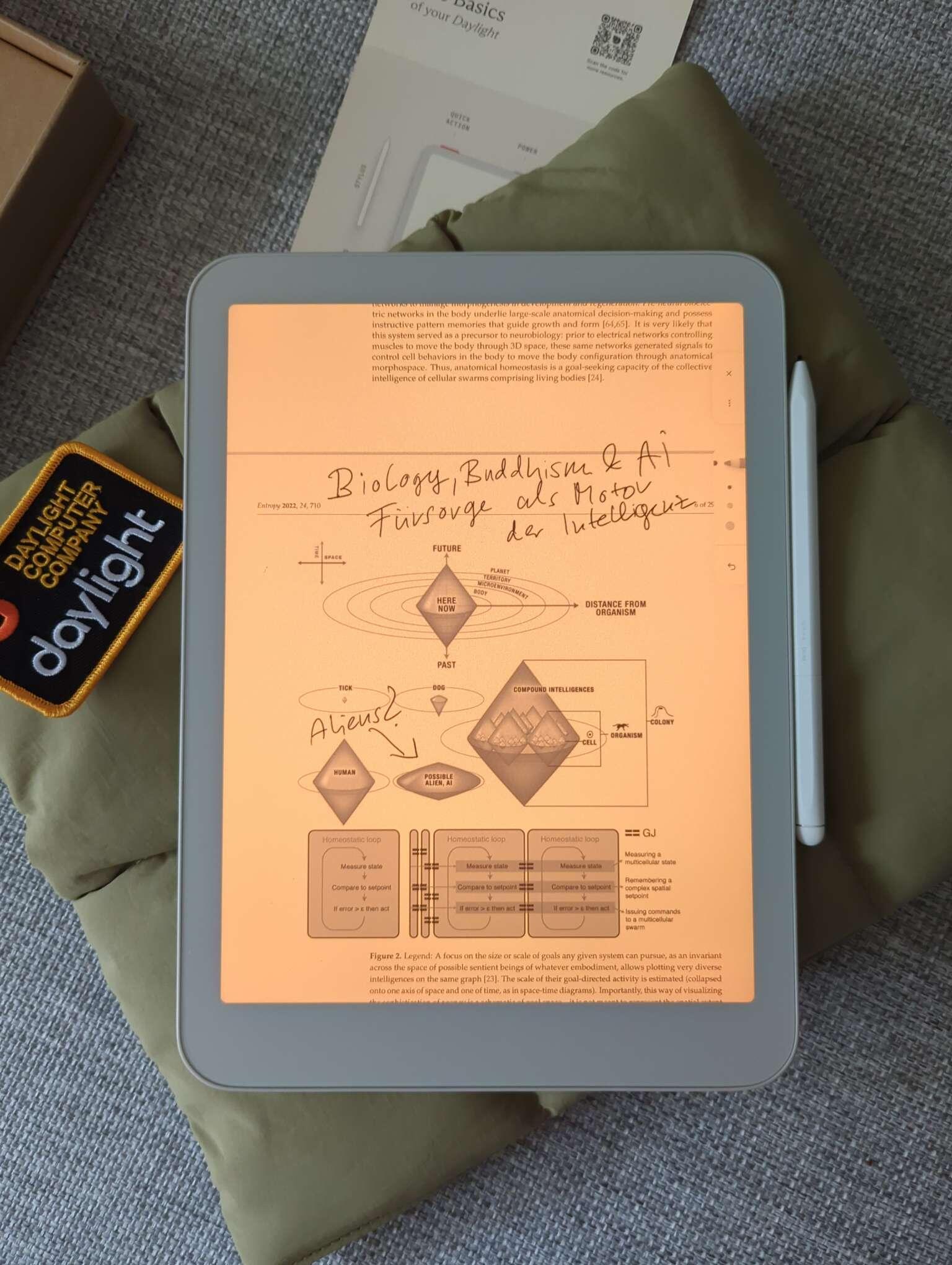
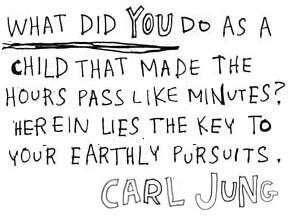

Ponieważ ból nie jest jeszcze wystarczająco silny.
Alchemy.
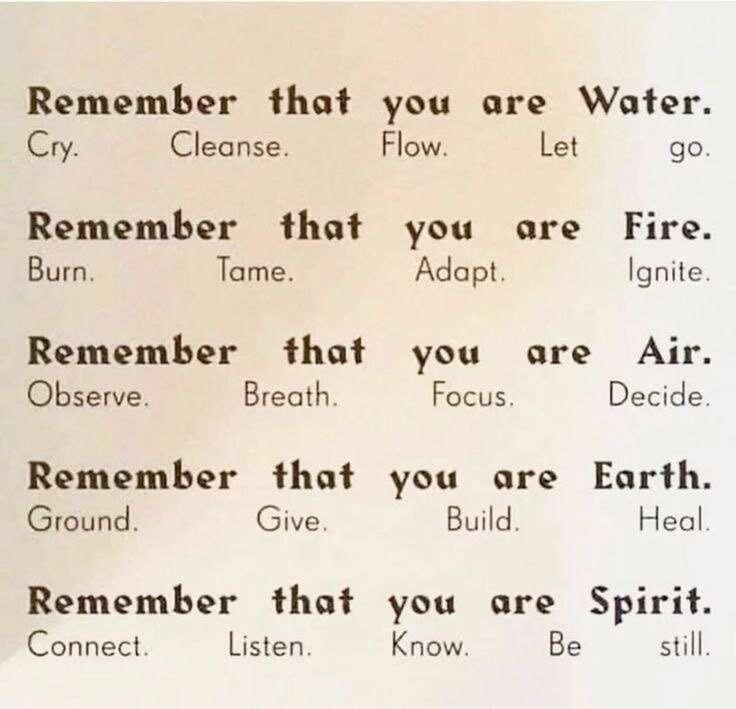
GN 


My first and last console was a Gamecube. But I started with NES. It's a shame that BigN is now cracking down so aggressively on all Switch emulators. Understandable from their point of view though, as the Switch 2 will probably be backwards compatible. For the open source emulator community, however, it is a bitter blow and it will probably hurt BigN more in the long run.

Not so sure about this... 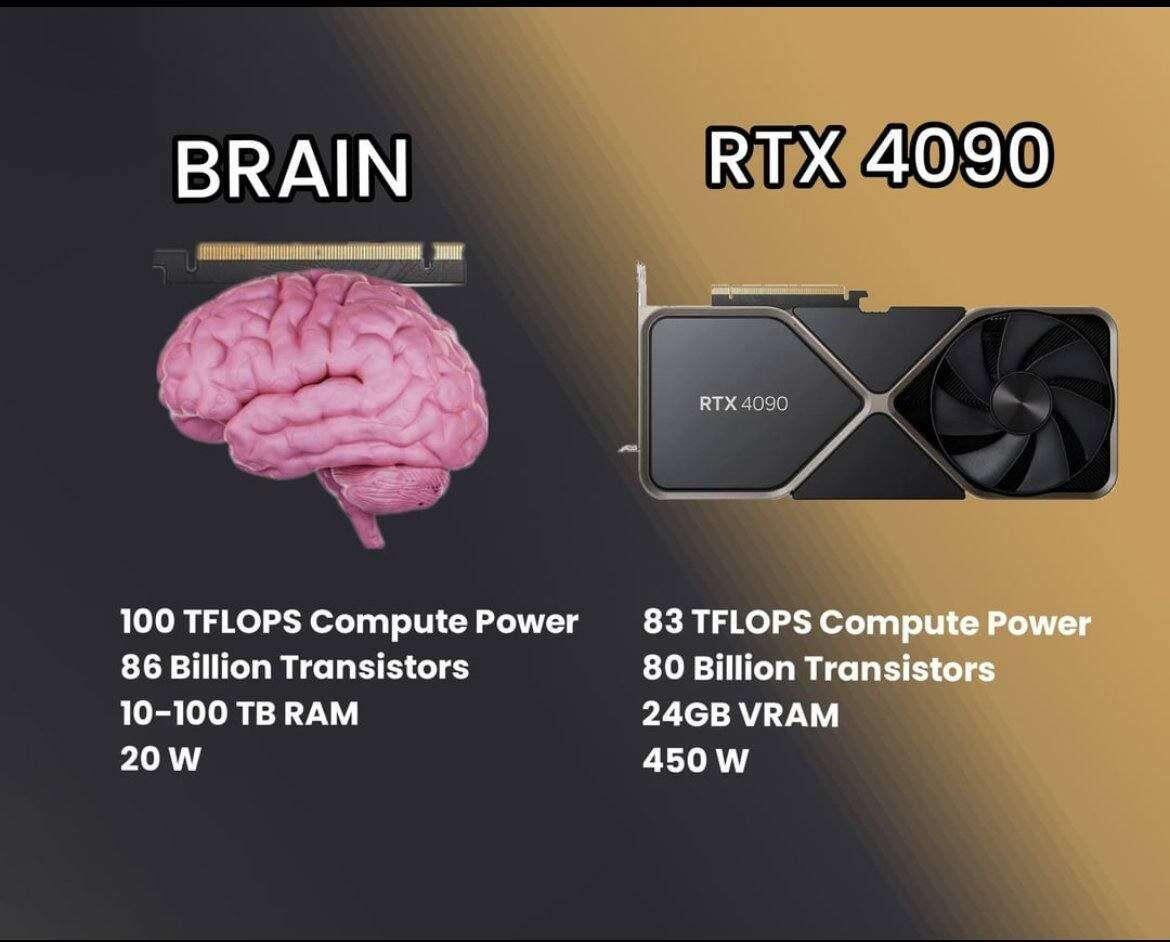
The power of integration: How intellect and intuition lead to wisdom
In our modern world, we often tend to favour either our intellect or our intuition. But what if we could combine the two? Mel Schwartz argues in his insightful article that it is precisely this integration that is the key to true wisdom.
Thinker vs. feeler
Many of us tend to go through life as either a ‘thinker’ or a ‘feeler’. A simple test: Do you tend to start your sentences with ‘I think...’ or ‘I feel...’? The answer reveals which type you tend to be.
The strengths of both sides
Intuition: An immediate form of knowledge, independent of conscious analysis.
Intellect: Based on logical thinking and rational enquiry.
Both have their advantages, but relying solely on one side can limit us.
The path to wisdom
Schwartz emphasises that true wisdom comes when we unite intellect and intuition. This integration allows us to:
• Communicate more holistically
• Have better relationships, especially between the sexes
• Better anticipate the unintended consequences of our actions
Conclusion
Instead of limiting ourselves to one side, we should strive to cultivate both our thinking and our feeling. Only then can we realise the full spectrum of our human potential and achieve true wisdom.
How do you balance your thinking and feeling in everyday life?
Full article: https://www.psychologytoday.com/us/blog/shift-mind/201712/integrating-your-intellect-and-intuition-achieve-wisdom
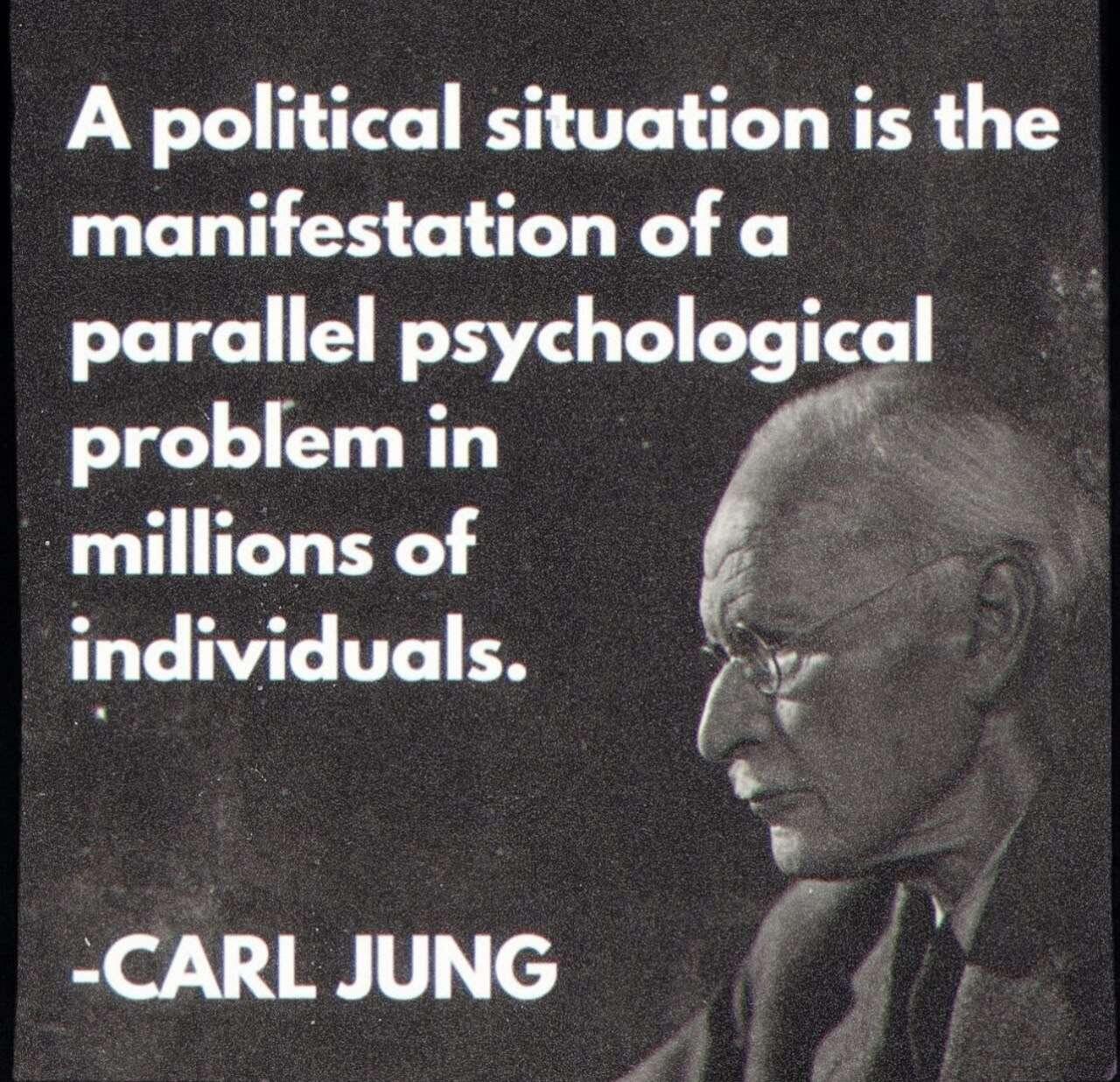
"Invasion on privacy."
"Increasing control of the state and corporations over the lives of citizens."
"We are losing control of our technology and our lives." https://video.nostr.build/4b01f487277a0cc1d618edbd405e0eda7a7f2f6e18e2ec8f819346e374f9ef8d.mp4

Consciousness is complicated and simple at the same time, depending on your perspective.

So if I understand this correctly, Lebanon was flooded with "tweaked" pagers, walkietalkies, smartphones and it is not fundamentally the case that the Mossad is able to trigger an explosion of the batteries with certain frequencies. Let's see what other information leaks out in the coming days and weeks.
Has anyone heard that iPhones are now also exploding in Lebanon or that the Mossad is triggering an explosion? I'm interested in the technical aspect. Is the operating system decisive, or can the Mossad remotely control certain chips independently of the smartphone's operating system?