
Europe’s Defense Gambit: Security Hype, Economic Collateral Damage, and Central Planners’ Folly

Europe’s military buildup is being sold as a grand necessity, but the numbers—and the fallout—tell a messier story. Independent studies dangle the carrot: ramp up defense budgets, and you might spark an economic jolt. EY’s report, cooked up for Dekabank and leaked to Handelsblatt, claims a €46 billion annual windfall if NATO’s European crew hikes spending from 2% to 3% of GDP. GDP could jump 0.66 points, and 660,000 jobs might pop up—factories, tech, the works. Sounds like a libertarian’s dream: markets thriving off a leaner, meaner defense.
Except it’s not. Here’s the gut punch: war economies don’t create wealth—they redistribute it, badly. That €46 billion gets ripped from the private sector—businesses, innovators, and regular folks footing the bill. Central planners, with their sticky fingers and socialist swagger, are starving the real engine of prosperity to prop up their latest pet project. We’re not richer; we’re just more militarized and broke.
And the funding? A clown show. The EU’s bureaucratic overlords can’t resist meddling, yet their system’s too creaky to handle this without choking the gains. Eurobonds—my forbidden obsession—could be the fix: joint debt as collateral to juice credit without crushing the private sphere. But don’t hold your breath—these control freaks dread anything that smells like market freedom. This isn’t a boom; it’s a heist, with liberty as the first casualty.
#StackerNews #Nostr #EuropeDefense #WarEconomy #Eurobonds #Libertarian #CentralPlanning #EU #Bitcoin #Plebchain

Poland is indeed at the crossroads of turning its back on London and Brussels and hanging its flags in the new wind blowing from Washington. With each additional dissident who follows the example of Hungary's Viktor Orbán (Italy is a hot candidate), the central planners' machine loses power. #poland #eu #usa #trump #uk

Ancient Roman Taxes and How the State Kept the Lights On
Let’s dive into the ancient Roman tax system—a messy, evolving beast that somehow kept one of history’s biggest empires afloat until it finally collapsed as a form of late-antique socialist nightmare. From the Republic’s citizen-focused levies to the Empire’s province-squeezing machine, Rome figured out how to fund its legions, aqueducts, and free bread handouts. Spoiler: it wasn’t always pretty, and yeah, they even taxed pee. Stick with me—this gets interesting.

The Early Days Of The Republic
Back in the Roman Republic (509-27 BCE), taxes were straightforward but kinda brutal if you were a citizen with land. The big one was the tributum—a direct tax on property and wealth. Every few years, they’d do a census, sizing up everyone’s stuff and splitting the people into five fiscal classes. The richer you were, the more you paid. Fair, right? Well, if You're a commie that sounds like a good deal. It funded wars and kept the state chugging, but it hit Romans directly.
Then, in 167 BCE, after Rome smashed Macedon and hauled in a ton of loot, they pulled a flex: no more tributum for citizens in Italy. Sweet deal if you lived there, but it shifted the burden onto the provinces. These conquered lands started paying a fixed tax called the stipendium, originally meant for soldier salaries. Rome was like, “Thanks for the cash, new guys—enjoy being part of the club.”

The Empire: Augustus Levels Up the Game
Fast forward to Augustus (27 BCE-14 CE), Caesar's adopted son who turned Rome into an empire and decided the tax system needed a glow-up. He introduced the vicesima hereditatium—a 5% inheritance tax—and the centesima, a 1% sales tax on auctions. These funded a shiny new military budget, the aerarium militare, because legions don’t pay themselves. People grumbled—nobody likes tax hikes—but Augustus sold it as patriotic duty.
The Empire split provinces into two flavors: senator-run ones feeding the aerarium (public treasury) and emperor-run ones filling the fiscus (his personal stash). The fiscus started as Augustus’ Egyptian side-hustle but grew into a monster, soaking up cash from imperial lands. By now, Italy was mostly tax-free, while provinces picked up the slack. It’s like Rome said, “You’re Roman now—pay up.”

Publicani: The Tax Collectors
Here’s where it gets sketchy. Rome didn’t have a slick IRS—they outsourced tax collection to private contractors called publicani. These thieves bid for the right to collect taxes in a region, paid the state upfront, and kept whatever extra they squeezed out. Profit motive meets ancient bureaucracy? You bet it led to corruption. Provincials got fleeced, resentment brewed, and the publicani became the poster boys for Roman greed. Think of them as the ancient equivalent of a shady landlord hiking rent just because he can.
How’d They Spend It?

So, where’d all this money go? The military was the big hog—50-75% of the budget, depending on who’s counting. Rome had a massive standing army, guarding borders from Britain to Syria and occasionally conquering something new. That’s not cheap. Next up: infrastructure. Roads, aqueducts, temples—the Romans built stuff that’s still standing today. They also ran a welfare gig in the capital, handing out free grain to keep the plebs happy and riots off the streets. Add in admin costs, and you’ve got a budget that’d make modern governments sweat.
Late Empire: Diokletian’s Big Pivot
By the 3rd century CE, things were shaky—wars, inflation, chaos. Enter Diokletian with his capitatio-iugatio system, tying land and head taxes together. It was efficient but grim, chaining farmers to their plots like medieval serfs. Short-term, it stabilized cash flow; long-term, it stiffened the economy and provoked a booming black market economy and devolution toward barter. Rome was adapting, but the cracks were showing.
Weird Tax Flex: Pee Money
Okay, here’s the wild card: Rome taxed urine. Under Vespasian, they hit up public toilets and tanners who used pee for ammonia—think cleaning, leather-making, even fertilizer. When his son complained it was gross, Vespasian allegedly waved a coin and said, “Pecunia non olet”—money doesn’t stink. Practical? Sure. Bizarre? Absolutely.

Social Vibes and Reforms
One big move was Caracalla’s 212 CE edict, making every free man in the empire a citizen. Cool for rights, but also a tax grab—more citizens, more taxpayers. The census kept things “fair,” but corruption and exemptions for Italy meant provinces felt the squeeze hardest. No wonder some saw Rome as less liberator, more loan shark.
Wrapping It Up
The Roman tax system was a rollercoaster—from citizen duties in the Republic to province-powered empire cash. It bankrolled a military juggernaut, epic public works, and bread for the masses, but it wasn’t flawless. Outsourcing to publicani fueled corruption, and late reforms like Diokletian’s locked society into rigid tiers. In fact, Diocletian's reforms layed the groundwork for the medieval order. Still, Rome’s knack for taxing everything—even pee—shows how creative they got to keep the empire humming. Next time you groan about taxes, just be glad nobody’s billing your bathroom breaks - until now. I bet, the EU already has some brain storming central planners working around the clock on this topic.
#History #Economy AncientRome #Taxes #Grownostr #Nostr #NostrVibes #Plebchain
On The Way To Euro(war)bonds
EU LOOKS AT TAPPING €93 BLN IN UNSPENT COVID RECOVERY FUNDS FOR DEFENSE - FT
The looming withdrawal of the USA from the Ukraine project has startled the EU and UK Europeans. Now they realize that with the help of a massive fear campaign of a Russian conquest, a project that seemed dead (and is legally ruled out) can be realized: joint debt financing through Eurobonds!
Leveraged creation of cheap credit, which is what the censorship monster Brussels thrives on, requires collateral. And this now seems to have been miraculously found in the form of the remaining funds stolen from taxpayers in the covid panic. An anti-Putin campaign could help to significantly increase national defense budgets, giving the credit lever a stable basis and the european war economy a boost. There is justified hope that project Ukraine will continue for the time being and that the fight for democracy can enter the next round.
#uk #eu #ukraine #usa #russia #nostr #plebchain #newd
Western democracies have, as Alexis de Tocqeville correctly predicted long ago, degenerated into veritable gift orgies in the context of political party competition. This will break the neck of these economies if no change is made. Ponzis have a relatively short half-life in a historical context.

#welfarestate #west #economy #bitcoin #nostr #plebchain










Education is broken. Like meritocratic principles

If You follow the german political scene it's really no surprise that there is no libertarian movement. Germans will be surprised seeing their god, the welfare state, breaking down like the most stupid Ponzi

Their largest credit pump is breaking down in front of their eyes. If I would be a warmongering psychpopath I maybe would be crying too... #ukraine #uk #nato #trump

Top! Thank You for taking Your time and efforts.



I don't know what this means, you might want to watch the documentary "Europa the last battle" - https://odysee.com/@Anonymouse:6b/Europa-The-Last-Battle---Documentary-2017:f
Bitcoin is for the people, not for the fiat politicians, so he obviously doesn't understand it and doesn't care to understand it.
I referred to generalizing people for their religion or nationality. But You're right about the 'fiat politicians'
This here is highly concerning. We need to dry this swamp at all costs. Dematerializing these structures will be our task over the next decade(s).
MICHAEL SHELLENBERGER: GLOBAL ELITES WANT COMPLETE CONTROL OVER INFORMATION
“The censorship industrial complex remains almost entirely intact in Europe, Australia, Britain, Brazil, and other nations in the West as they continue to seek new forms of censorship and information control, including digital identification tied to social media.
The head of NATO, NATO-backed think tanks, the European Commission, former President Barack Obama, former Secretary of State, Hillary Clinton, Bill Gates, the United Nations, the World Health Organization, the World Economic Forum, influential think tanks at Harvard and Stanford, elements of the DOD, the CIA, the FBI, the National Science Foundation, the Department of Homeland Security and many others have all called for government censorship of so-called misinformation in recent years.
The problem is that deep state agencies within the U.S government have for 2 decades sought to gain control over the production of news and other information around the world as part of ongoing covert and overt influence operations, and that after 2016, multiple actors and several deep state U.S government agencies, turned the tools of counter-terrorism, counter-insurgency, and counter-populism against the American people.”
Source: @shellenberger
(Tweet: Mario Nawfal on X)
#eu #uk #socialism #freedom #bitcoin #nostr #grownostr #schellenberger

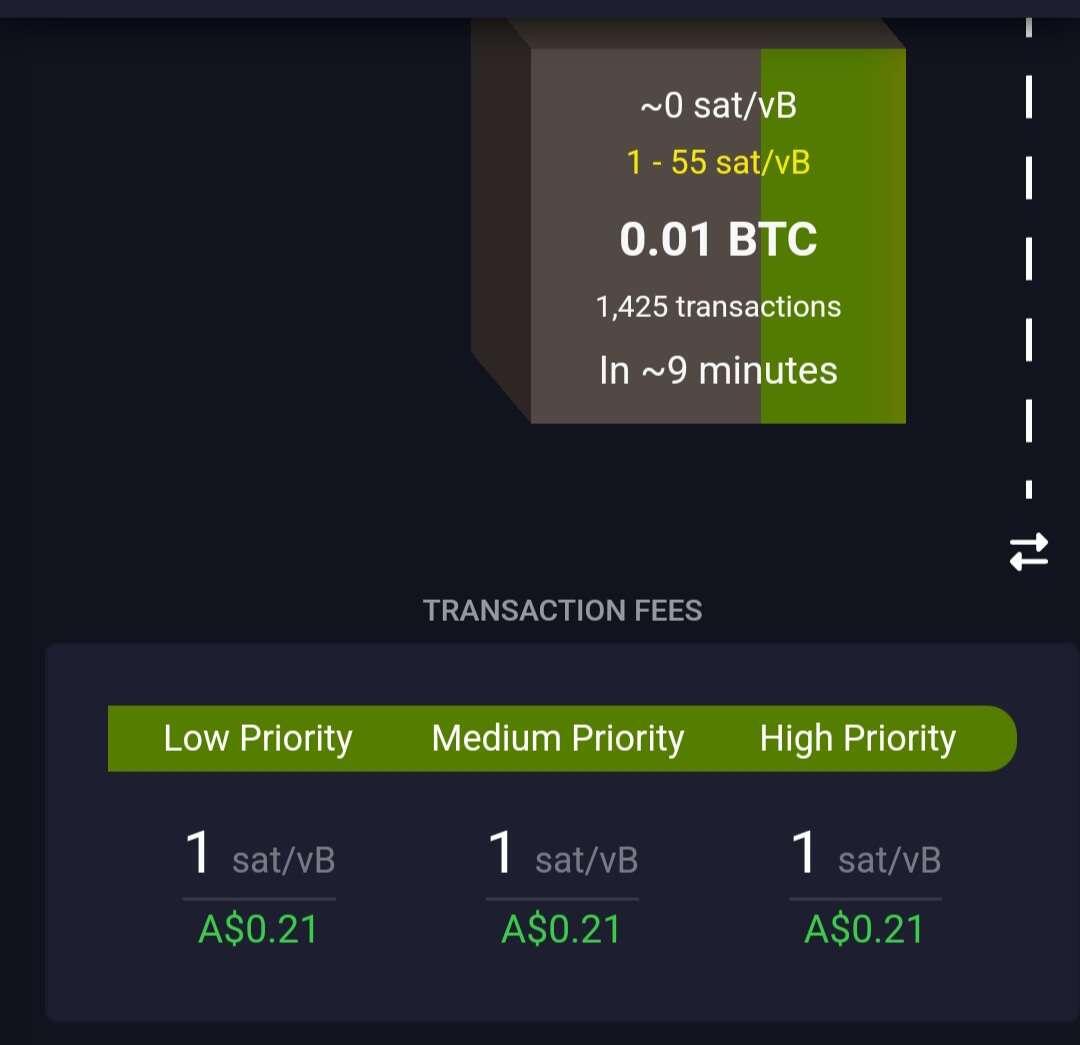
I cant believe it. Consolidating between 90 and 100k and it feels like a deeep bear market. You'll never understand the herd's mood