Avatar
Sophia
885bfc2076f182973b045024459552332f6747772d95e1320f93126ebf1739c5
https://tidal.com/browse/artist/66149723?u finishing mba 🤫 postera crescam laude

It was a wonderful speech.

I have to say after studying finance recently and learning about the rate of return for stock market investors and weighted average cost of capital for corporations, it is really disheartening to see that a recession is being pushed just so they can drop their cost of debt and increase time value of money. I really hope I’m wrong, but this is how I was taught to calculate a value of equity.


Yeah, definitely see and wait. I just don’t want people to suffer further with an already out of control inflation affecting prices, and more prices increases because they didn’t have factories in place.

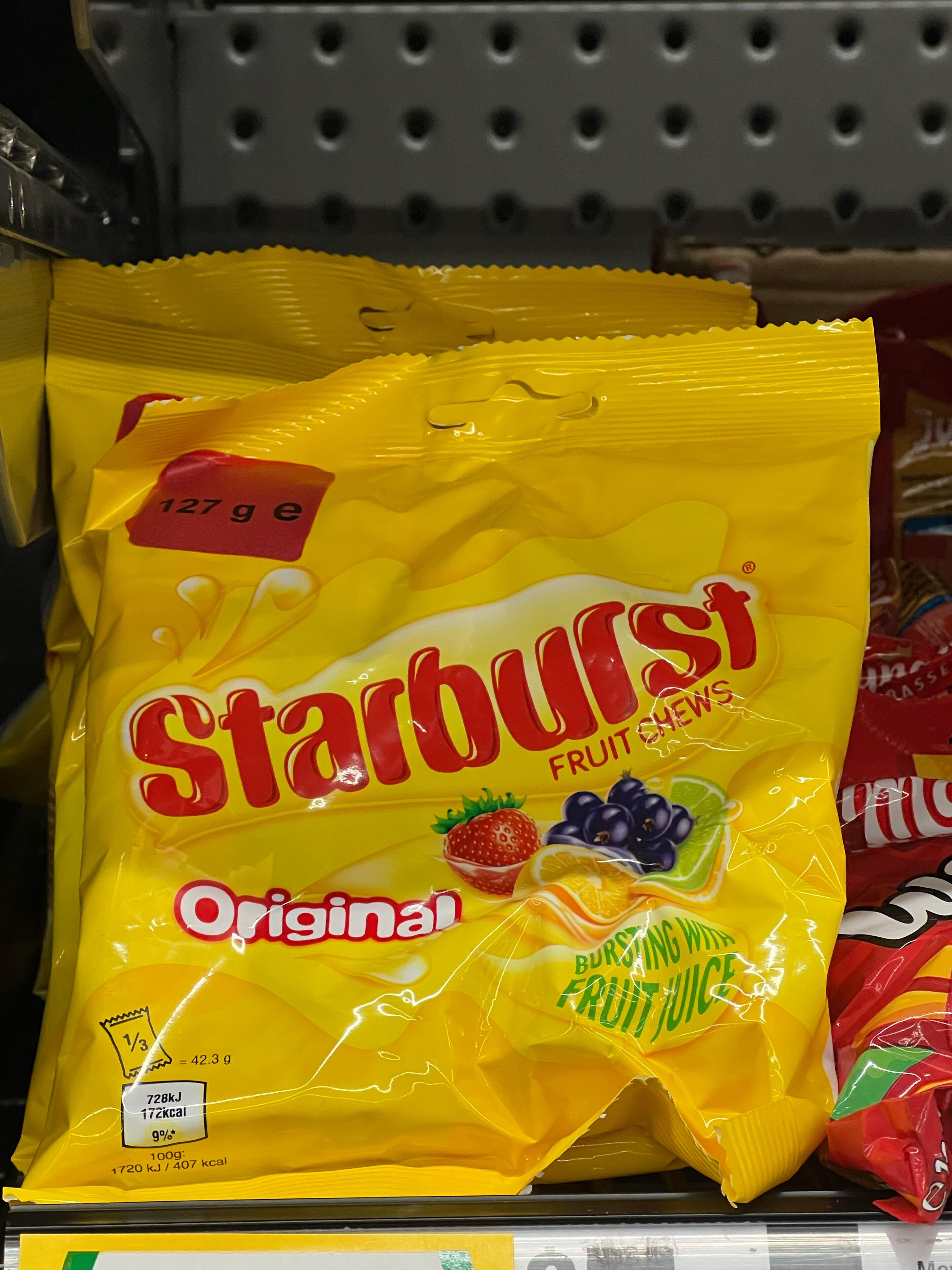
today, I found starbursts lollies in the uk imports aisle of supermarket. They disappeared for like 2 years from Australia due to supply chain costs. My study fuel is back, but at a cost
Elasticity is not the same for all goods, but it has been summed together to be -4 and marginal costs for businesses are different, so I’m confused how they can say without a doubt the price increase is 0.25 in the formula. The yale professor helping trump knows this. Since he would have been teaching students who are now probs execs at these companies and are in charge of pricing, he knows what’s coming next. Plus, if he had been helping students understand the importance of supply chain and vertical integration - where are the factories to meet this demand today. Being a retail girl, I saw it first hand on the shopfloor, price goes up, quantity goes down. Feels like it is on the backfoot.

Replying to Avatar partof

GN

Instead of time value of money. Been thinking, what about time value of reputation. Goodnight ✨

Replying to Avatar kyle

🍻

Ok. This is just too cute :)

Like you seriously catch their expressions so well Riddy ⚡️

Replying to Avatar pam

What are your thoughts on the tariff war? China doesn’t care, they doubled down on domestic trade and alt markets like since 2020 (Dual Circulation Strategy). Canada sends retaliation warning to the US.

Southeast Asia has been the quiet facilitator in the US-Russia-China-EU trade tensions for decades and the middleman for global trade for centuries. Hitting them with those hefty tariffs seems short-sighted and might not end well.

What are we looking at ? Spikes in prices for semiconductor and broader supply chain disruptions, as southeast asia remains a critical assembly hub for the US and EU. If these nations pivot toward BRICS alternatives, the US risks losing a key trade and manufacturing partner, and like domino effect, weakening its influence in global supply chains.

Tariffs are political crowd-pleasers. All tariffs globally should be removed.

The US is trying to squeeze everyone all at once while its own industrial base is still not prepared for actual self-sufficiency. You can’t tariff your way into manufacturing dominance. You have to build without the unnecessary drama.

Otherwise you will create black markets and smugglers to overcome the high rise in consumer products. That and the rise of corruption/favouritism in licensing.

If Americans genuinely believe that restricting their own choices is the only way they will be driven to build their country up, then that’s a messed-up mission to roll. The irony is, forced economic self-reliance has been a key theme in many communist experiments. And it’s not like the government fully supports its people in building their country. Only a select few benefit.

This feels like we need to be prepared for 2008 repeat. The U.S. debt-to-GDP ratio is at record highs (~125%). Interest payments alone are massive, and rising rates make it worse. With rising debt, banking fragility, and geopolitical instability, a shock to trade could push things over the edge.

But with problems, come solutions.

Bitcoin is going to start playing an important role in keeping global trade running when sovereign currencies lose momentum. Nostr can play a functional role for countries and companies that lack digital maturity (offline Nostr is an area to tap on). Logistics bottlenecks and entrenched port control remain real barriers. If we can crack those, then maybe, just maybe, we could see a real shift toward a more fluid, borderless economy.

It would also be good to see countries in South America and Africa rising in support of global trade out of this.

But governments thrive on control. They’re not going to let go that easily.

Of late I have been trying to figure out my own standing in the macroeconomic world. I debate against myself in needing a balance. But I find myself increasingly drawn to a no-state position. I just cannot see a strong state’s role as an economic stabilizer.

Only just finished microeconomics, still getting my head round that. Next up Operations, the professor seems really cool.