

All fiat money is a con game, you have to confuse the masses for it to work
Senator Cynthia Lummis suggests the Fed’s gold certificates should be revalued from $42.22/oz to current market prices and then sold to buy Bitcoin.
Um, who is going to buy gold certificates?..
They’re literal pieces of paper 😂 https://v.nostr.build/NEsYDk7K3qorgm2U.mp4
I believe the fed would then give them cash


Michael Saylor just said #Bitcoin is going to $13 MILLION on live TV https://v.nostr.build/IliGkb7W99dgyYWI.mp4
What is "live TV"?

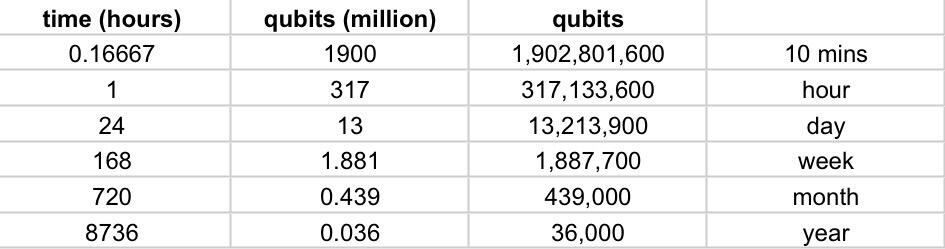
Quantum computers don't allow you to brute force hashes. Information is lost when you hash something larger than the hash function output. Quantum computers can't magically bring that data back.


How can anyone take this seriously.
The Council on Foreign Relations lecturing the world that it needs protection from Chinese economic coercion?
Cc: nostr:npub1trr5r2nrpsk6xkjk5a7p6pfcryyt6yzsflwjmz6r7uj7lfkjxxtq78hdpu for your amusement.

Small countries need to protect themselves from economic coercion by the US *and* China

US gov can't do legitimate proof of work, it only does theft


Myself and nostr:npub1kndtw0ejlpmt5n93a8lrhrexa9eny8sptjkwxlgp77e6getffrrsf2xf02 got one of those fancy world maps to fill in.
Country flag= we've both been there
Red flag= I've been there
Blue flag= she's been there

#mapswithoutnewzealand

How are you measuring "4th most wealthy country"?
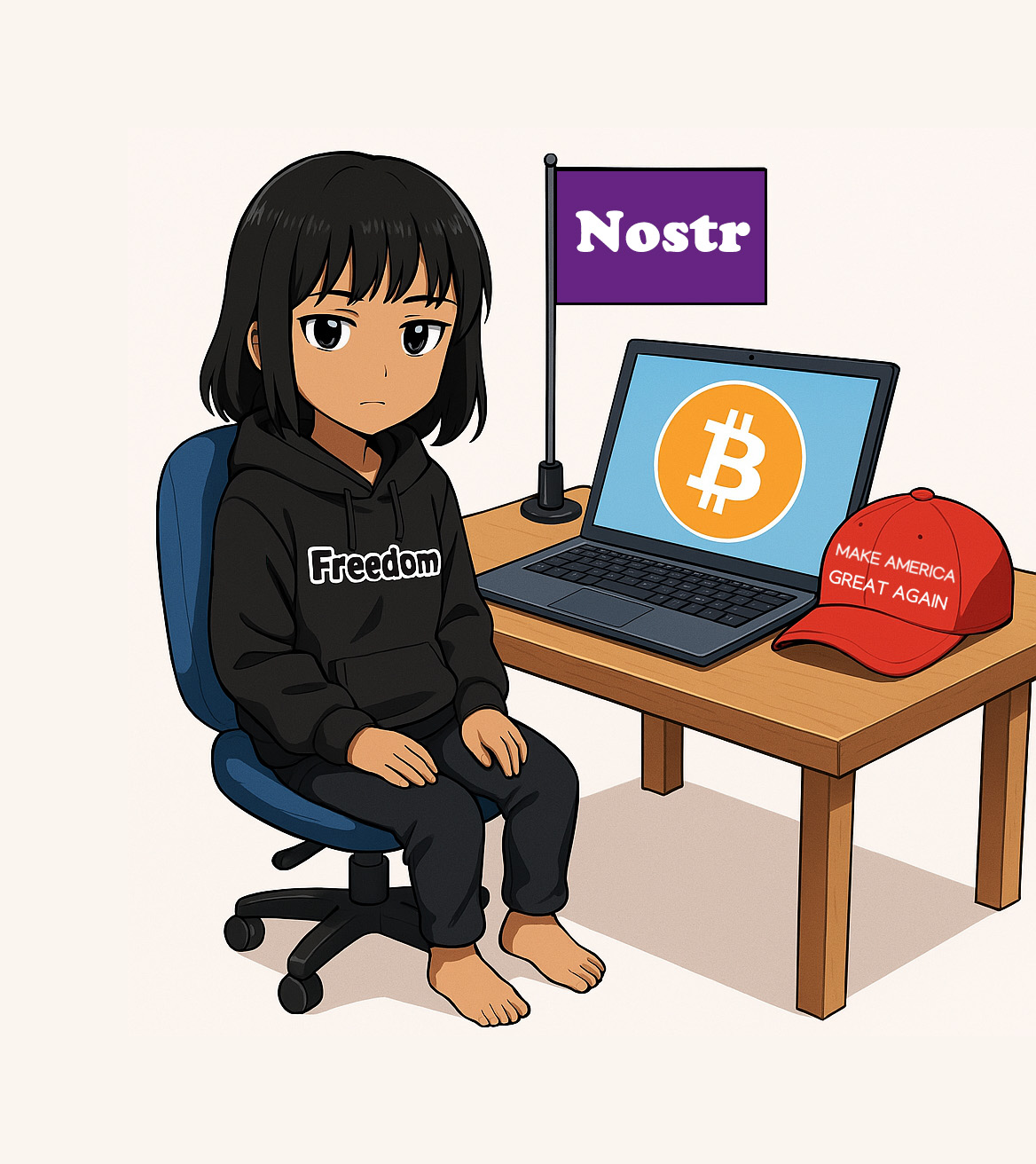
I hate email so much. Every time i make a new email. Eventually after a couple of years the spam begins.
Doesn't matter what email service you use. Eventually the spam will begin.
How do they get our emails? When sites get hacked. Our email will be leaked. Then the spammers just mass send emails. The spam filters cannot stop spam.
Bitcoin will stop spam.
My idea of charging 1 or 2 Satoshi every time you receive/send email will stop almost all spam.
Even if spammers have our emails. It will be too expensive to send mass emails.
I hope we see this in the near future. I'm tried of spam in my email and email service providers have not succeeded in stopping spam.
https://mar101xy.com/uploader/images/2024/11/29/outlook-protonmail-junk-mail.webp
#protonmail
#outlook
#spam
#bitcoin
Use simplelogin
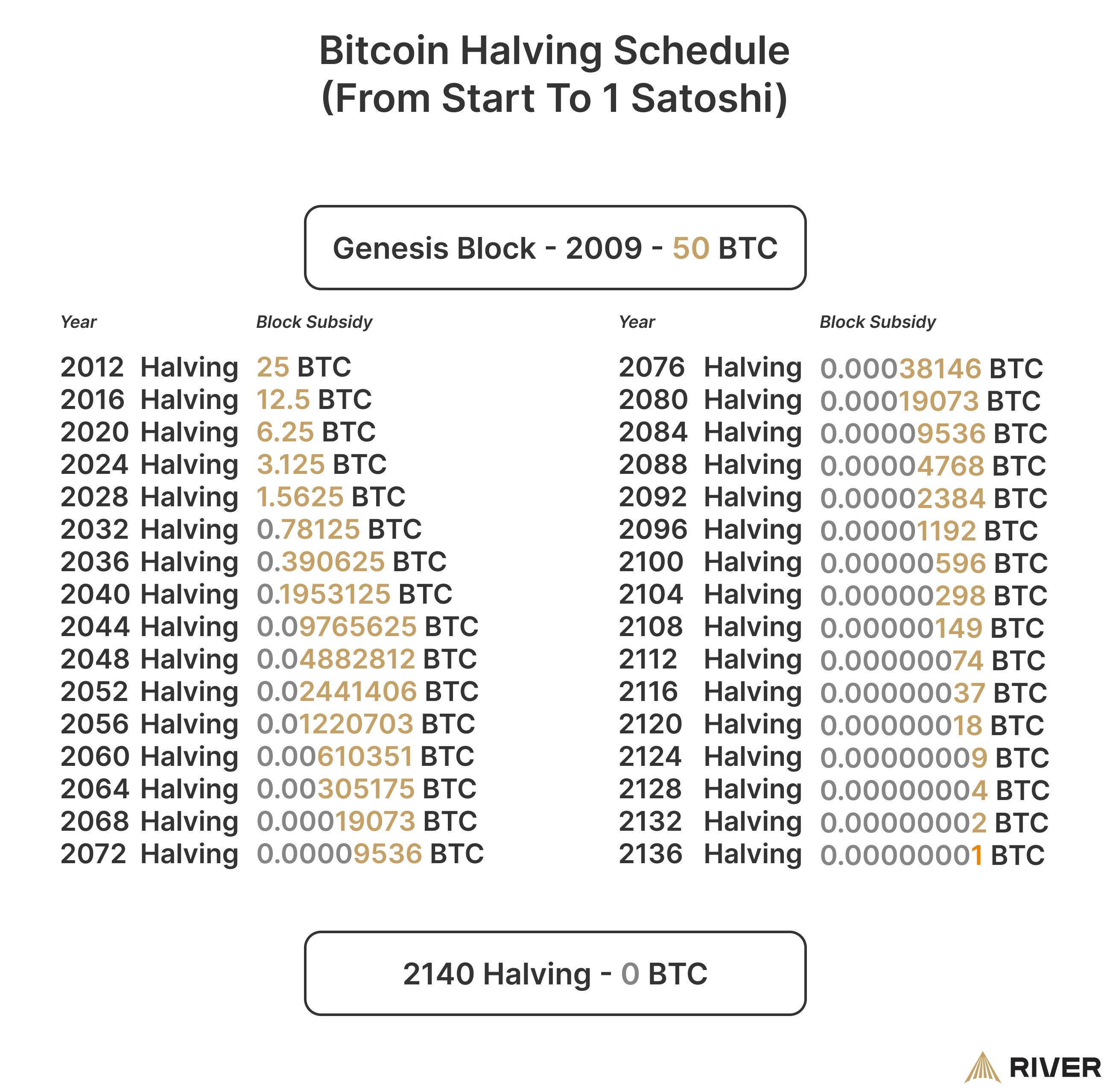
Not really, fees will probably be >1 bitcoin per block

It's probably a way to push the digital ID rollout: https://my.gov.au/en/about/help/digital-id
In this case I don't see what they have to gain, unless it's going to be used as a first step towards digital ID permissionsed internet access for the whole population?

But the point is they don't have the clout to impose rules globally the way the US does. It will be trivial to sidestep with VPNs even for the normie social media
They don't have the manpower to arrest everyone who is going to violate this. It's no different than torrenting in the early 2000s, eventually they just gave up.