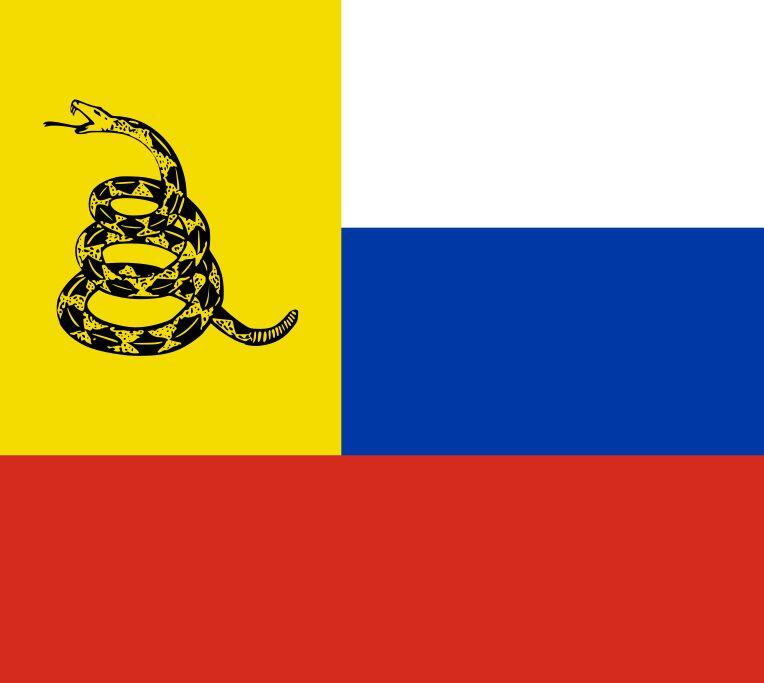


it's a fact i hate keynesians more than communists

The problem is that the state directively limits the IT market and lobbies for giants. Because of which YouTube remains the dominant service. Although the left may try to convince you that this is the fault of the market and its failure, in the face of network effects, but in reality, if there was an alternative to YouTube, I think users have long since left this degraded platform, but new ones, especially if they had new functionality
Так ли силен эффект масштаба на отраслях инфраструктурных "монополий" как его описывают? Однако, в реальности, чаще всего высокий эффект масштаба достигается искуственно, за счет государстенных дотаций, льгот, субсидий и высоких барьеров входа, что кроет значительную часть фиксированных затрат и финансирования НИОКР и крупных инфраструктурных проектов. Если бы не такая сильная государстенная поддержка, то эффекты масштаба могли стать умеренными и достаточными для конкуренции, более того исторически мы знаем, как "естестенные" монополии разваливались с появлением новых технологий и инноваций, что позволяли малым и средним фирмам конкурировать с традиционными крупными компаниями. Тоже можно наблюдать сейчас в самой "естественно" монопольной отрасли электроэнергии, с появлением небольших локальных электростанций и также альтернативной энергетикой, теперь отрасль становится все более открытой для фирм разных размеров. Также добавлю, что если бы не сильная гос поддержка крупных компаний в этих отраслях и если бы не высокие барьеры входа, то компании с других отраслей, которые имеют достаточный капитал, венчурные капиталисты, а также частные инвесторы используя краутинвестинг, имели бы гораздо более низкие риски и шанс умешно конкурировать, при заходе в эти отрасли, особенно вводя инновации и новые технологии, что могло подстегнуть их инвестировать туда, не боясь вылететь с рынка из за гос защиты монополиста что делает вход абсолютно проигрышным, в итоге вход этих новых компаний бы давил на монополию, что в дальнейшем делало вход ещё более доступным для новых игроков и в конечном итоге могло привести к вполне динамичному и конкурентному рынку. Также нужно сказать, что гос поддержка, как раз сдерживает новых конкурентов заходить на рынок и искать пути удешевления и введения новых технологий что способствует возможности конкуренции для малых и средних игроков, если бы не государственные интервенции, то такие технологии вероятно бы создавались в разы быстрее и рынки становились все более открытыми для конкуренции гораздо быстрее. Я уже молчу что издержки регулирования естественных монополий, часто перекрываю их общественную пользу, что делает регулирование абсолютно бесполезным. Что касается дублирования инфраструктуры, если даже это создаёт высокие издержки в краткосрочной перспективе и неудобства, это окупается в долгосрочной перспективе, благоря, новым технологиям, инновациям и выгодами конкуренции.

Okay, it was too racist for me as an ancap, but still I want to say that the culture of most African Americans is stupid, there are few adequately behaving African Americans
That's the culture of the damn niggers.
Are natural monopolies? No, and here's why, in reality this theory does not take into account the market dynamics factor, for example, innovation, optimization and more flexible business plans that are easier to change in new companies can reduce barriers to entry and help these companies cover the smaller effect of scale. Also, for example, economist Primo found out that in the conditions of a free electricity distribution market, duopolies would be more effective with an increase in the number of customers, with constant consumption, and less effective than monopolies with an unchanged number of customers and an increase in consumption, if we average the data, then a duopoly is on average no worse than a monopoly, but plus it eliminates x inefficiency in the long term due to competition and innovation. This is a strong argument in favor of introducing competition in these markets, and refutes the myth that LARC does not work in the electricity market, although it behaves quite unusually in different market conditions. Plus, the long-term benefits of competition and innovation also outweigh the costs and inconveniences of duplication in the short term. Let's look at another argument from the left, which is that a new company will not be able to enter the market because an established player can sharply reduce the price, and the company's sunk costs have not yet been covered. Firstly, this does not happen, a large player cannot instantly drop the price, this may take quite some time, in a free market, and the speed of entry of new players would be faster due to the lack of the need for licensing. Also, the absence of tariffs and licenses, the barriers to entry into a capital-intensive market were much lower, plus innovation, optimization and flexible business plans could also reduce the barriers, as I mentioned earlier, and a new company can be significantly supported by venture capitalists who provide the necessary capital and connections to finance innovation. Also, the ability to conclude a supply contract in advance could allow a new company to immediately cover all sunk costs plus make the attempts of an established player to oust it by dumping untenable. Baumel also wrote that to maintain competition in a natural monopoly market, it is enough that the barriers are low enough to give a new firm enough time to enter, and again the ability to strategically contract for supply in advance could effectively undermine the position of established players.
Are natural monopolies? No, and here's why, in reality this theory does not take into account the market dynamics factor, for example, innovation, optimization and more flexible business plans that are easier to change in new companies can reduce barriers to entry and help these companies cover the smaller effect of scale. Also, for example, economist Primo found out that in the conditions of a free electricity distribution market, duopolies would be more effective with an increase in the number of customers, with constant consumption, and less effective than monopolies with an unchanged number of customers and an increase in consumption, if we average the data, then a duopoly is on average no worse than a monopoly, but plus it eliminates x inefficiency in the long term due to competition and innovation. This is a strong argument in favor of introducing competition in these markets, and refutes the myth that LARC does not work in the electricity market, although it behaves quite unusually in different market conditions. Plus, the long-term benefits of competition and innovation also outweigh the costs and inconveniences of duplication in the short term. Let's look at another argument from the left, which is that a new company will not be able to enter the market because an established player can sharply reduce the price, and the company's sunk costs have not yet been covered. Firstly, this does not happen, a large player cannot instantly drop the price, this may take quite some time, in a free market, and the speed of entry of new players would be faster due to the lack of the need for licensing. Also, the absence of tariffs and licenses, the barriers to entry into a capital-intensive market were much lower, plus innovation, optimization and flexible business plans could also reduce the barriers, as I mentioned earlier, and a new company can be significantly supported by venture capitalists who provide the necessary capital and connections to finance innovation. Also, the ability to conclude a supply contract in advance could allow a new company to immediately cover all sunk costs plus make the attempts of an established player to oust it by dumping untenable. Baumel also wrote that to maintain competition in a natural monopoly market, it is enough that the barriers are low enough to give a new firm enough time to enter, and again the ability to strategically contract for supply in advance could effectively undermine the position of established players.

The fucking leftists need state social guarantees, they don’t even understand that the state will always absolutely, even the most democratic, strive for oppression, this is the essence of the state monopoly on violence
Socialism, or even more correctly, the state capitalism, which was called socialism, in Russia led only to a shortage and low quality of products, nepotism and bribery, and after that, when the communist elite degenerated, and the contradictions of the social system became insoluble, they sabotaged the already sophisticated deficit to finish off the current regime, which later due to the centralization of power under the soviets It led to predatory, uneven and opaque privatization, and now the current system cannot be called capitalist, but rather fascist, where all power and capital are centralized in the hands of a few Russian oligarchs and politicians in symbiosis with them.

Давайте вместе бороться против сбора наших личных данных корпарациям, а также манипулированием нашим контентом, который принадлежит только нам! Например не давно Адоб отличился невероятной наглостью, когда решил присвоить права на проекты пользователей своих продуктов. И такая наглость со стороны корпараций не редкость. Бороться нужно не только с государством, но и с машиной гига корпараций, с их награбленными через лоббизм капиталами и их влиянием и доминированием. Веб 3.0 при решении проблем масштабируемости может стать лучшец заменой традиционных централизованных платформ и приложений!
Давайте вместе бороться против сбора наших личных данных корпарациям, а также манипулированием нашим контентом, который принадлежит только нам! Например не давно адоб отличился невероятной наглостью, когда решил присвоить права на проекты пользователей своих продуктов. И такая наглость со стороны корпараций не редкость. Бороться нужно не только с государством но и с машиной гига корпараций, с их награьленными через лоббизм капиталами и их влиянием и доминированием. Веб 3.0 при решении проблем масштабируемости может стать лучшец заменой традиционных централизованных платформ и приложений!
As an ancap I will oppose both the state and the super corporations associated with them, acting as an accomplice and beneficiary of aggression 