
I have lots more tea, and I might share more at a later date.
I think one of the coolest things I have is a big engraving of a snake made of tea—meant to hang on a wall. It’s essentially a pu’ehr cake. But I don’t intend to ever drink that. It’s a keepsake for my daughter.
You see, she was born during the Year of the Snake.
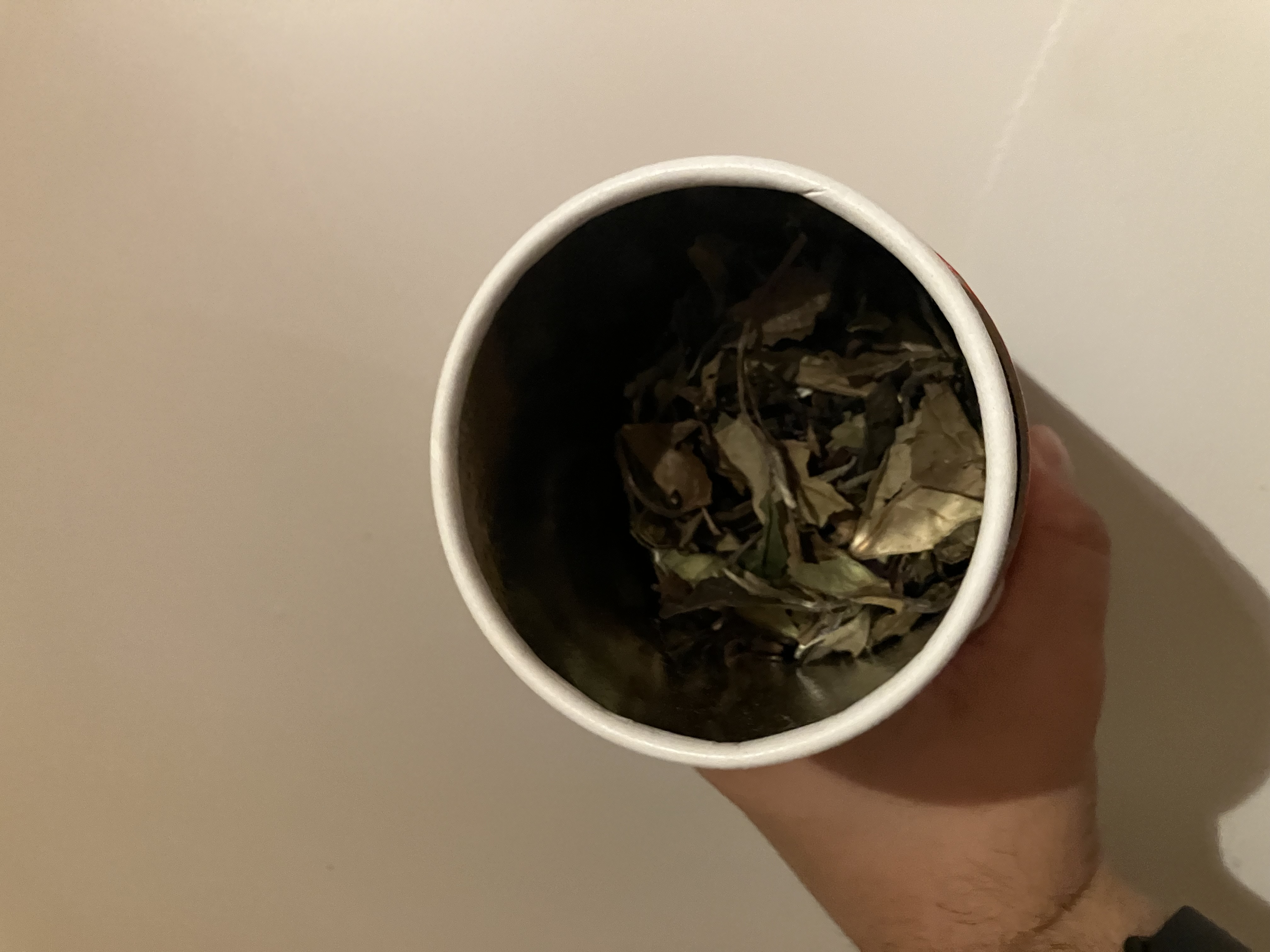
White peony tea from China. As good as it gets for white tea. Incredibly bright and exuberant. I have well over a kilogram of this stuff.
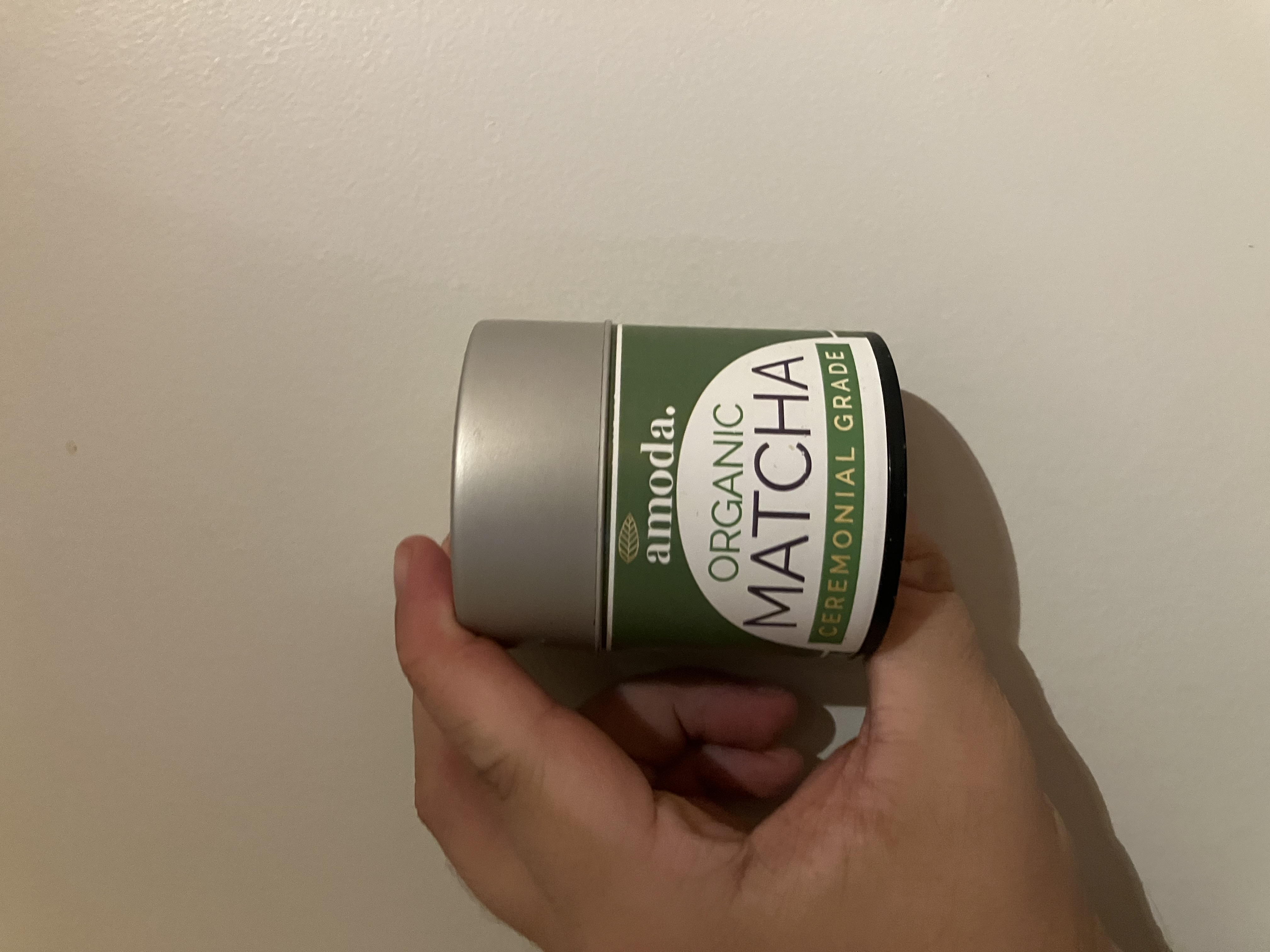
Ceremonial matcha from Japan. This is a fine green tea powder to be whisked in a bowl. Take my advice, only use a tiny amount. Otherwise the caffeine will really get to you. But it’s very vibrant, umami, and rich.
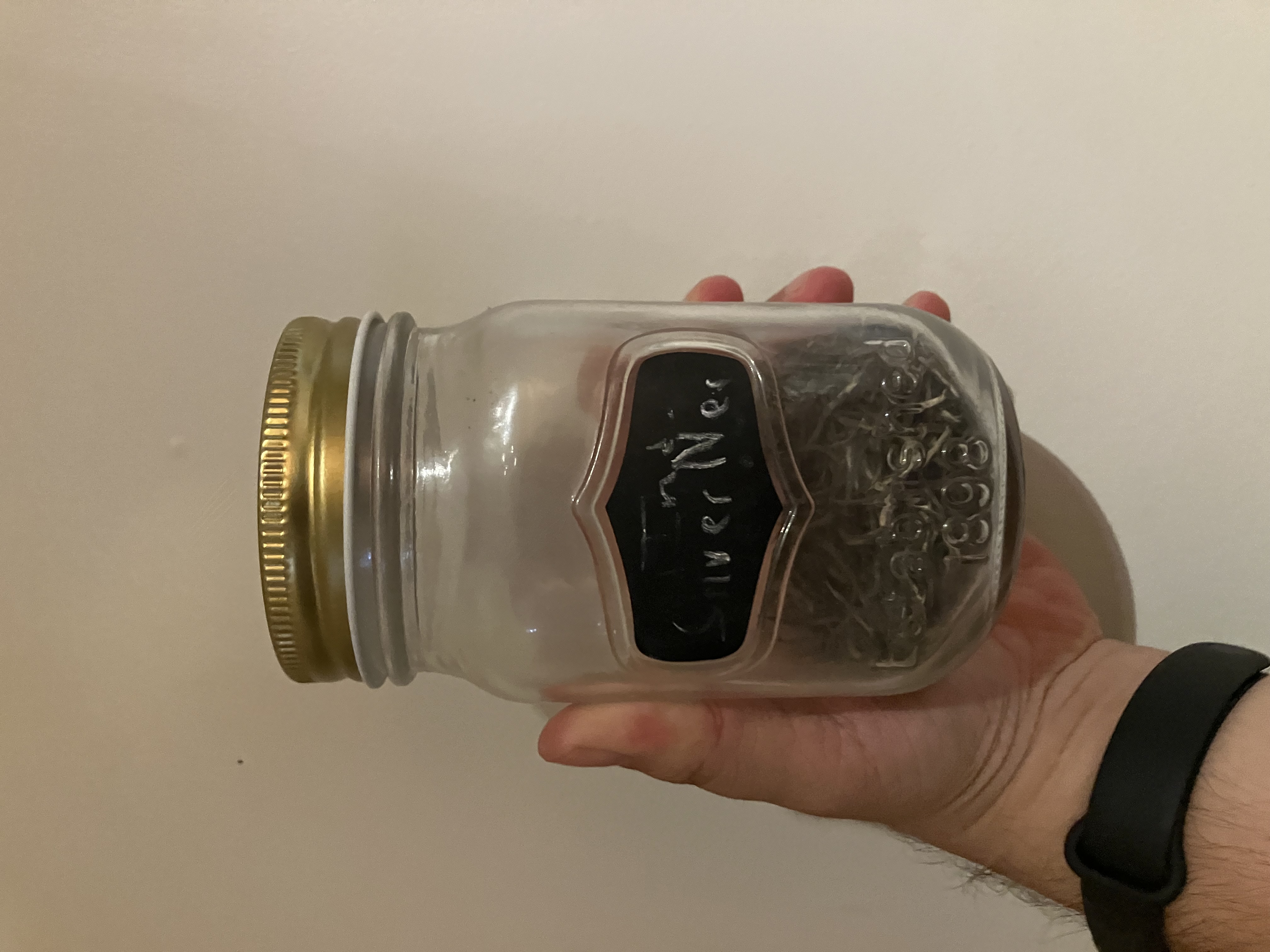
Silver Needle Nilgiri white tea. It’s intense and tastes quite different from Chinese silver needle. Nothing but good things to say about this one.
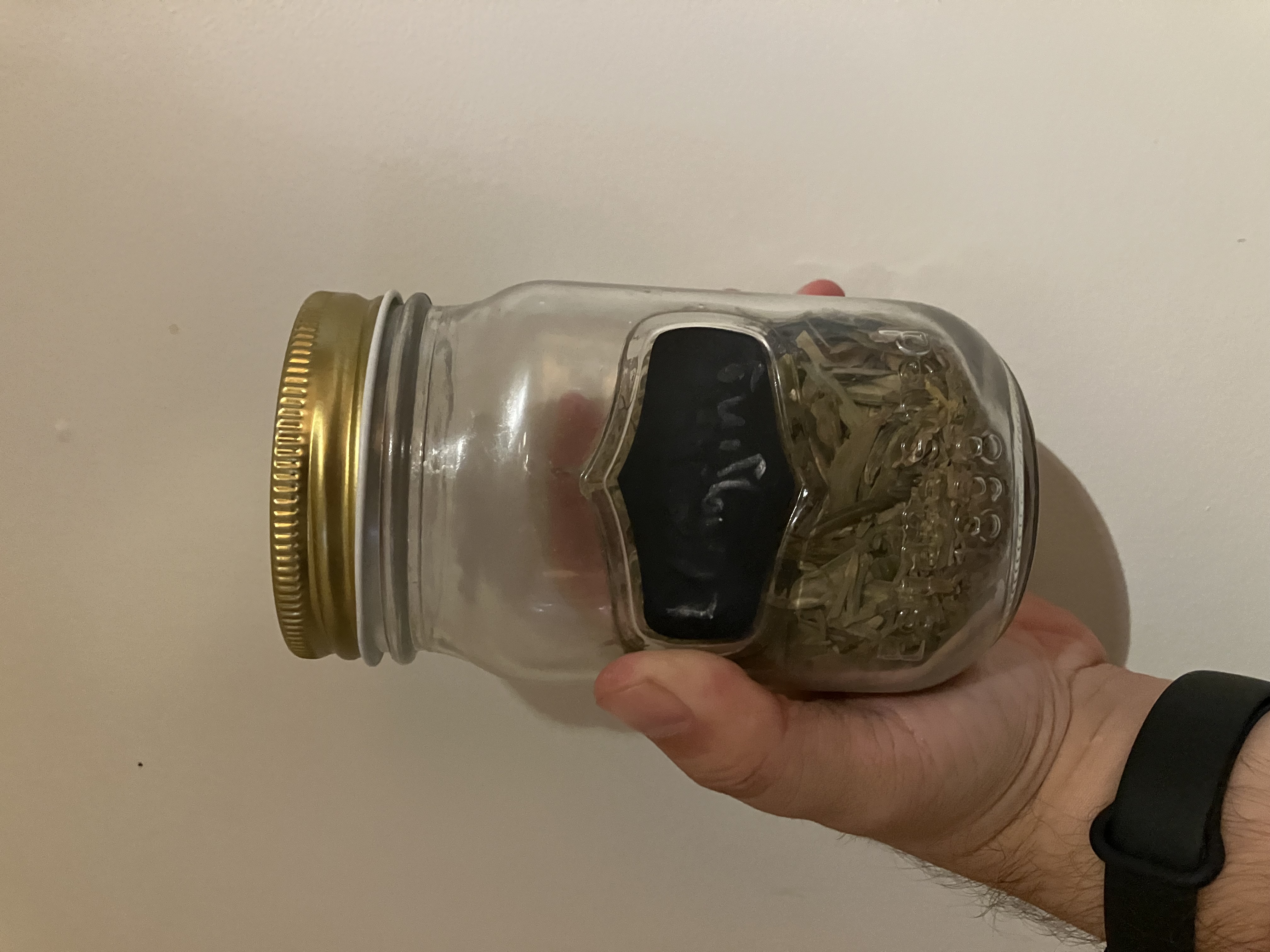
Longjing green tea from China. This is my favourite green tea period. I don’t even put it in a pot. I stick it directly in a cup at 75C, and eat the leaves. It’s naturally sweet and refreshing.
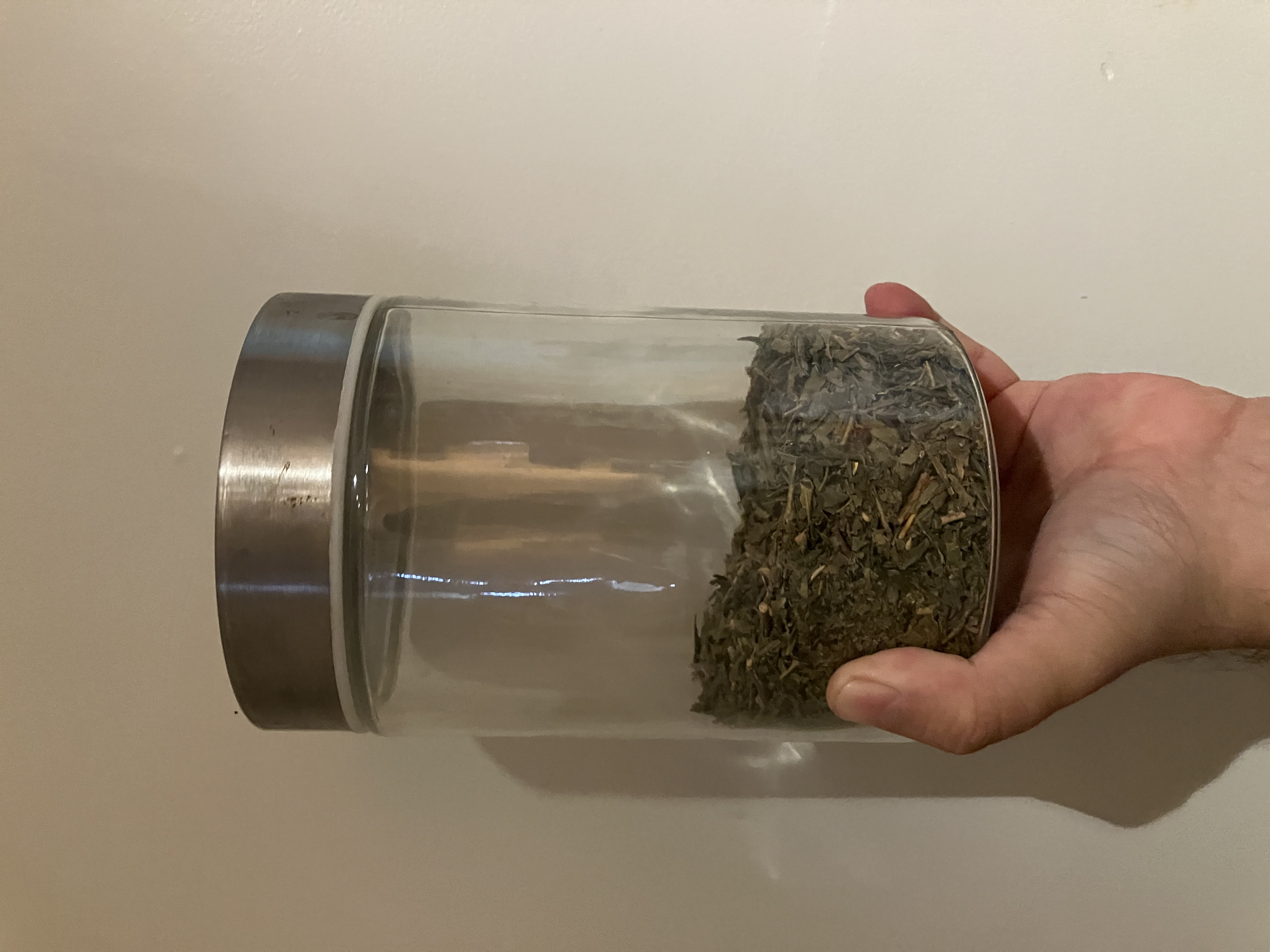
Bancha green tea from Japan. Not as reputable as sencha, but I like it more. It’s not as umami, but it’s got a grassier flavour. If you’re eating sushi or ramen, this is awesome.
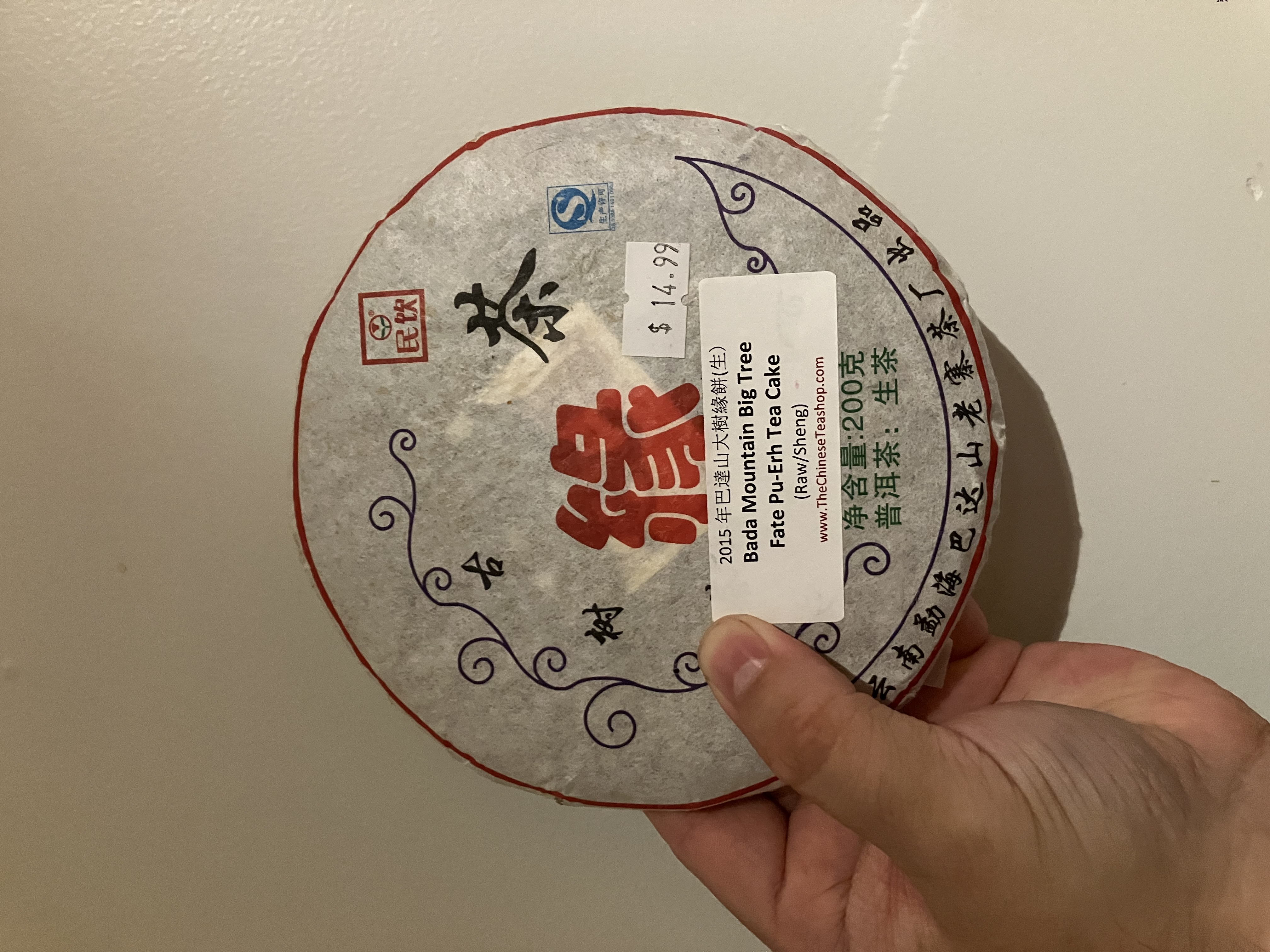
Bada Mountain Big Tree pu’ehr as a cake. This stuff is really rich. Not the only tea cake I own. Not even near the biggest. But it’s a treat.
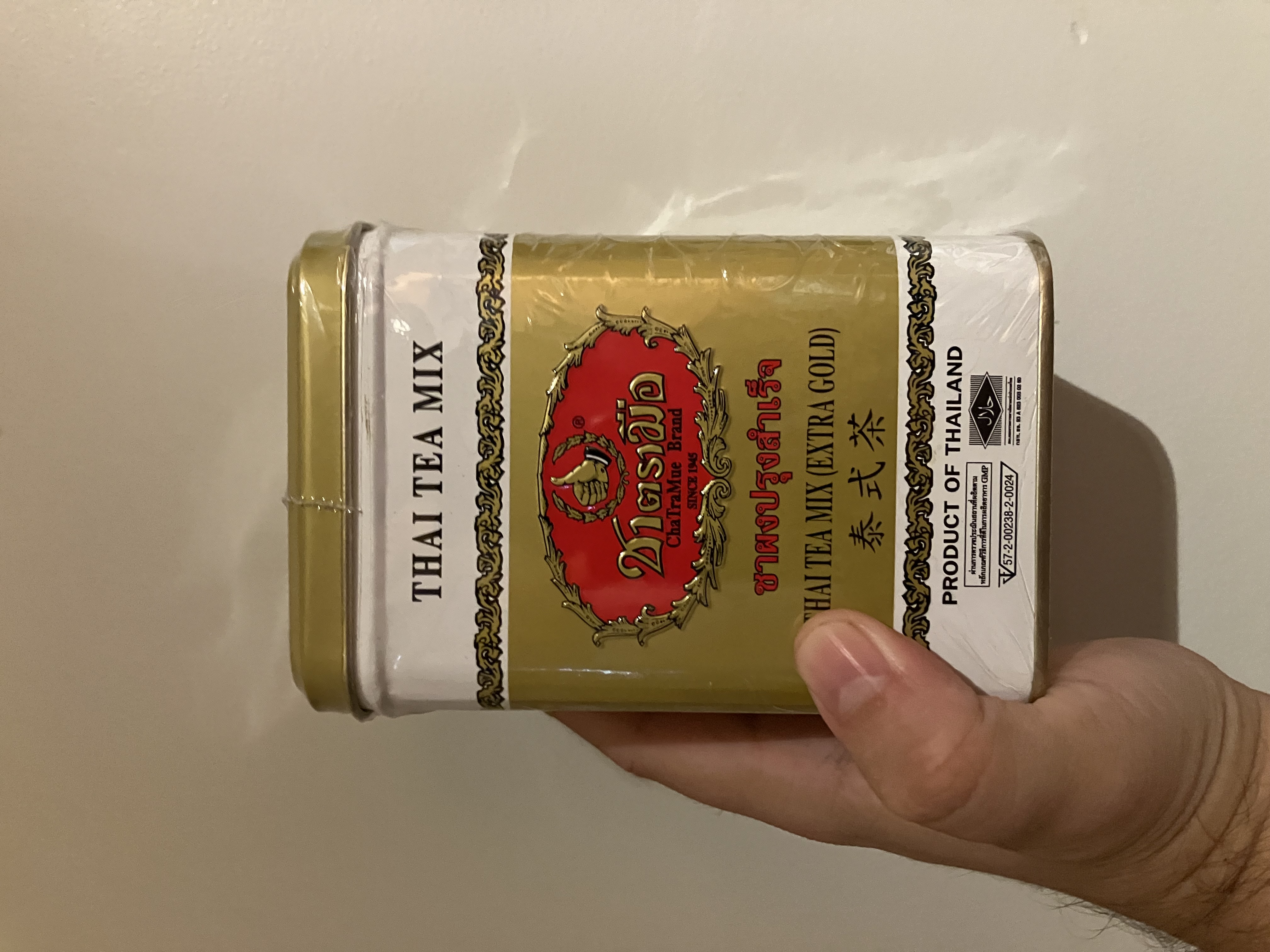
Thai Tea Mix. This is a powder with some sugar in it. It’s for making Thai milk teas. I personally add evaporated milk to make it more awesome. Sometimes I even cold brew it.
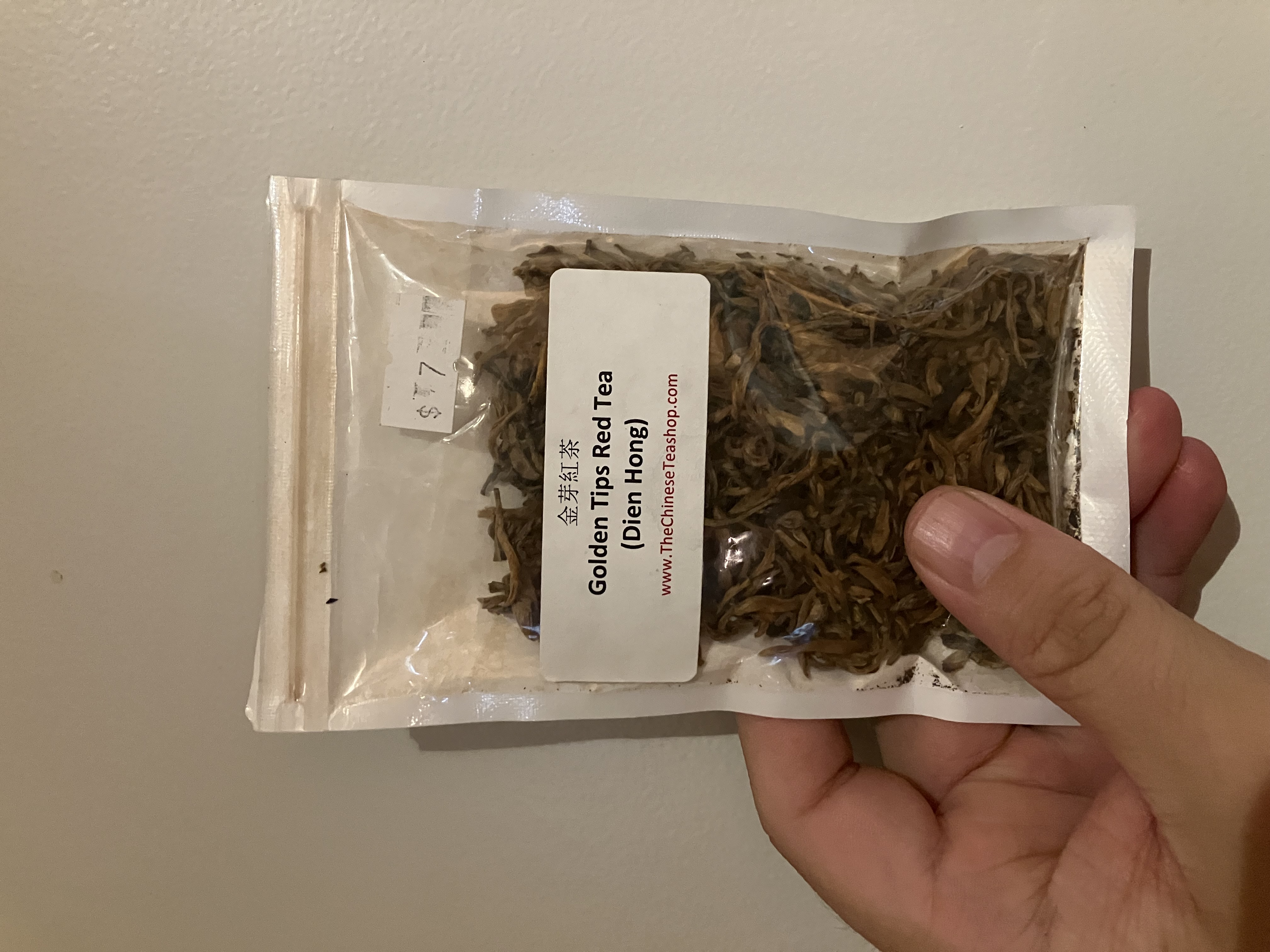
Golden Tips Dianhong from Yunnan province in China. This is my favourite black tea. I know the label says “red tea” but that’s because in China, our black tea is their red tea. This tea has a naturally sweet taste.
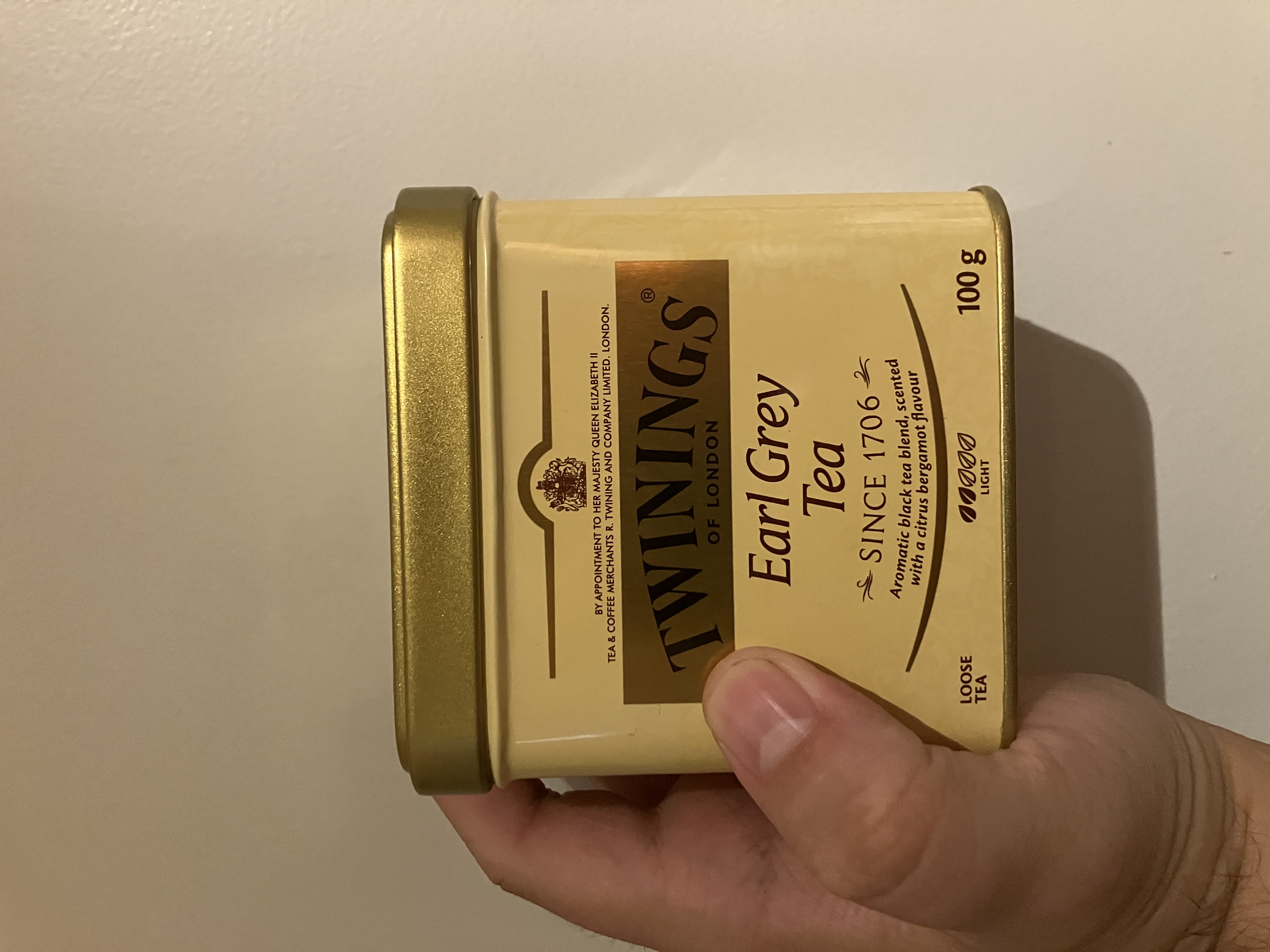
Here is Twinings Earl Grey. It’s very common and affordable. But in my opinion, it’s the best Earl Grey because they have got the balance of the bergamot done just right.
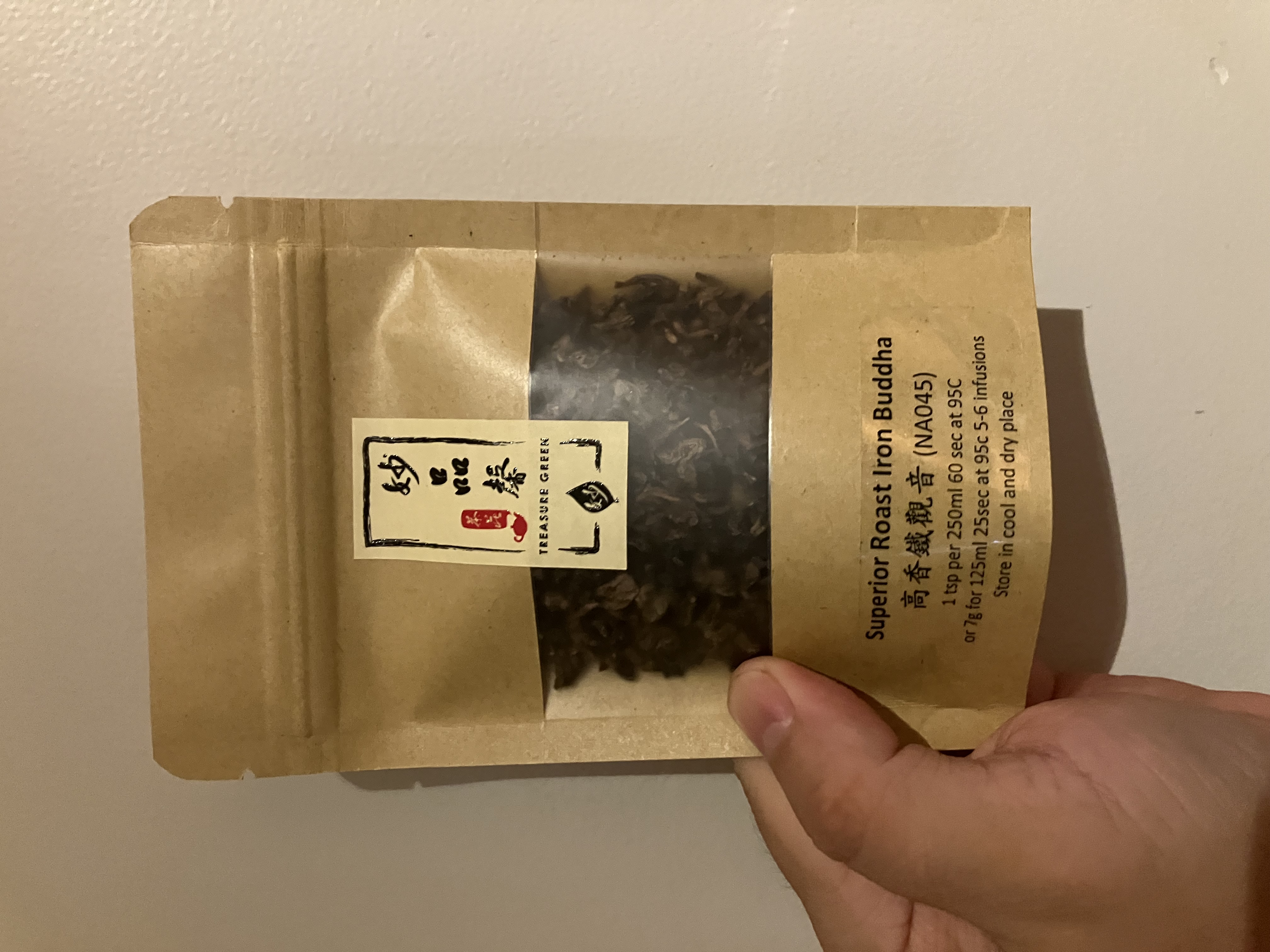
Here is superior roast Iron Buddha otherwise known as Tieguanyin. It’s an oolong with a very good reputation.
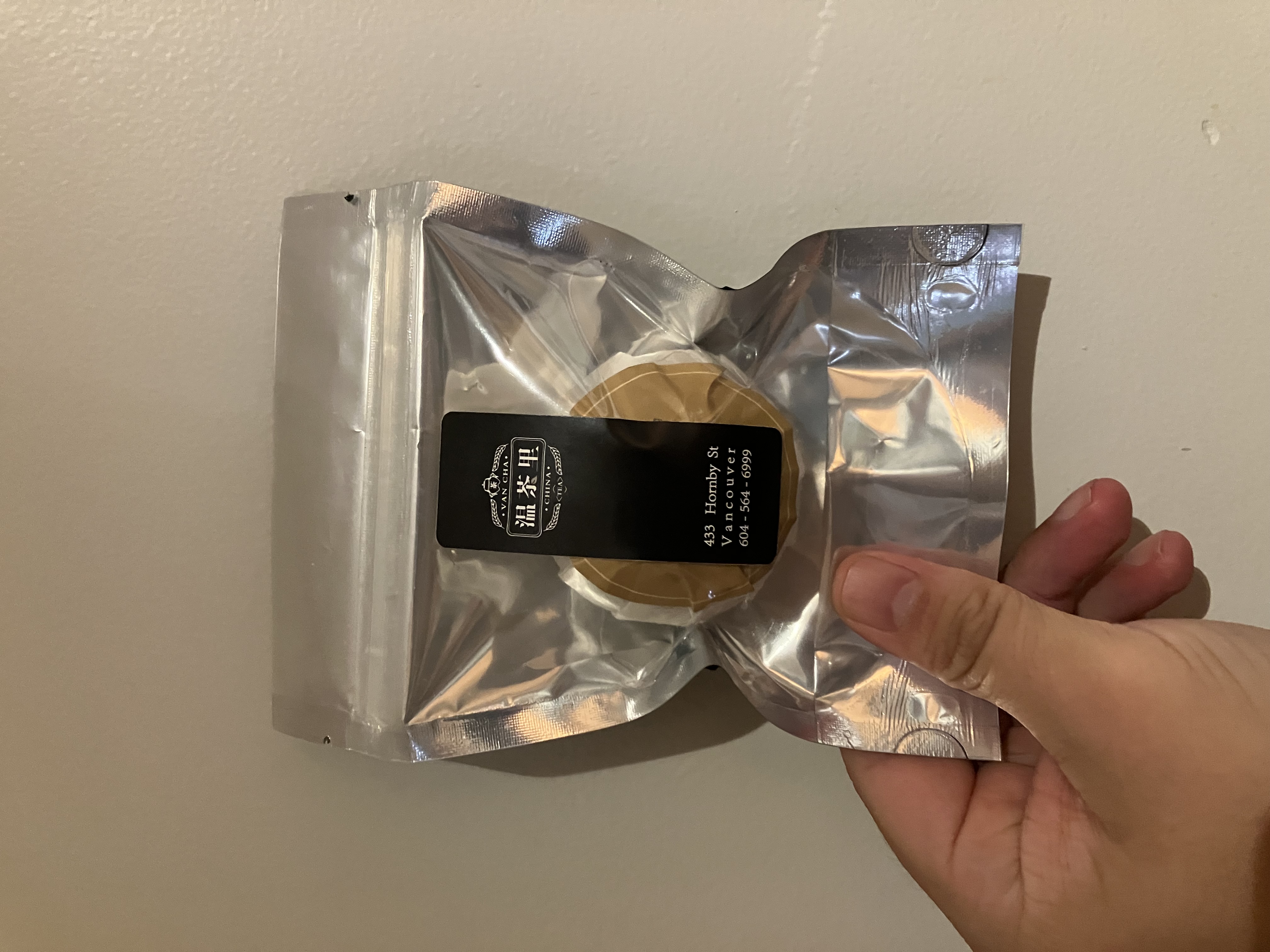
All right, time to share some of my unique tea treasures. Starting with ripe pu’ehr fermented in an orange peel. Don’t remove the tea from the orange peel. You’re supposed to brew it as is.
One thing I really love about Qimen black tea is that it really lingers for awhile. It really stays with you.
I really should share my tea collection. I have a lot. Too much, maybe.
Problem with being a tea head is that I actually agonize over what I will drink. But today, it’s Qimen black tea.
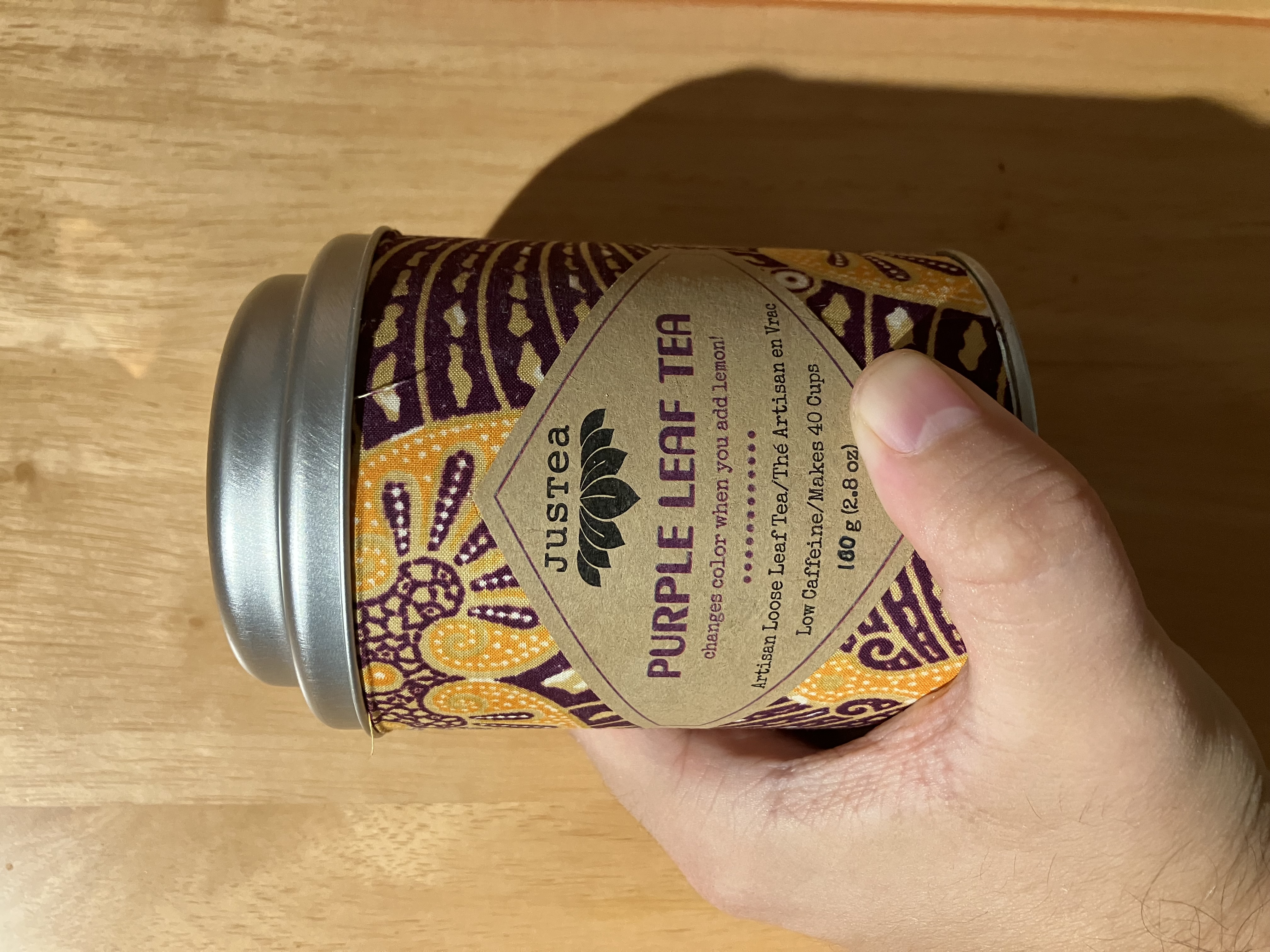
Oh yeah, here’s some Kenyan purple tea. Technically, it’s a green tea in terms of oxidation but the leaves are purple.
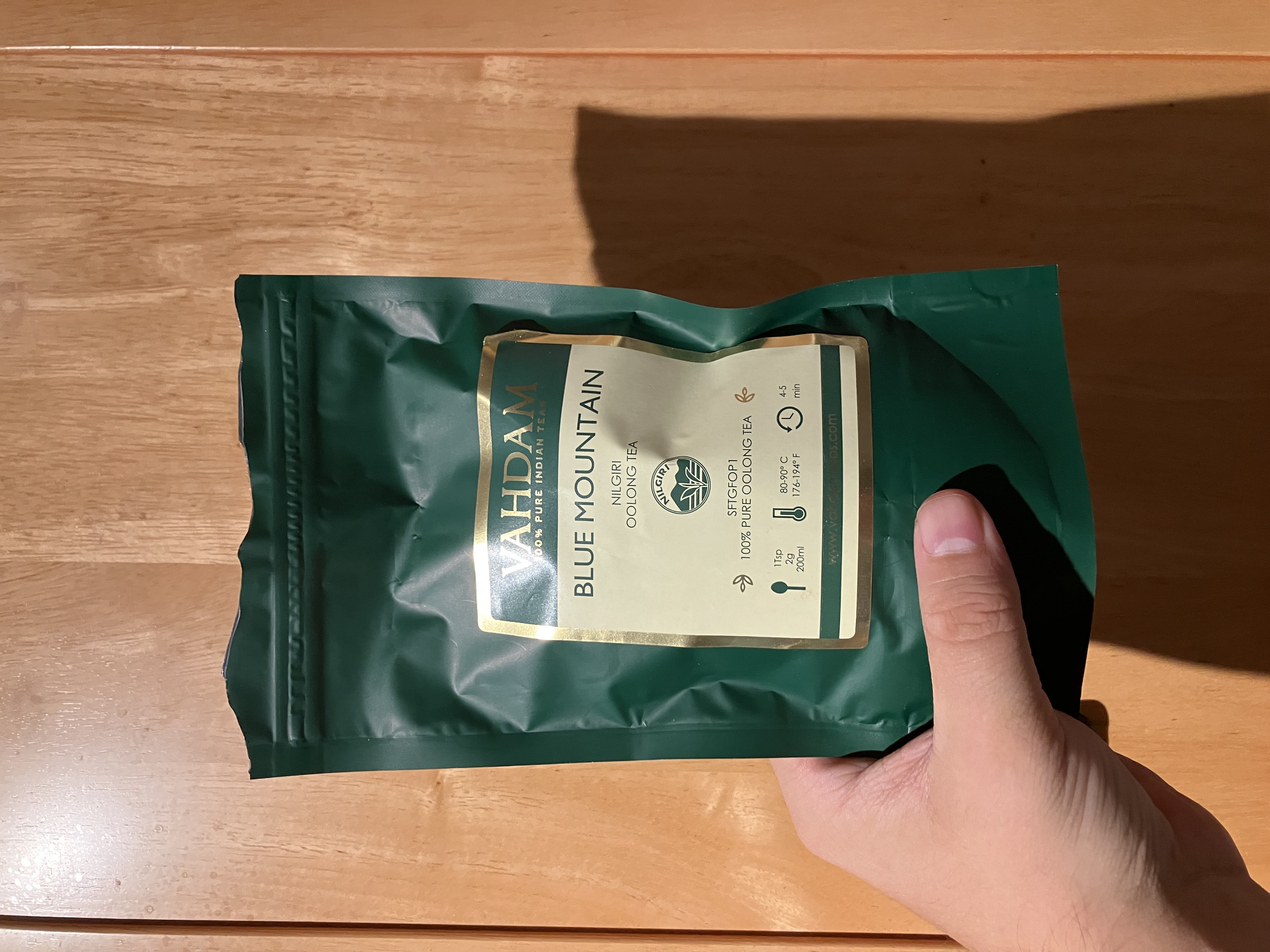
I take it back! Just realized I own Indian oolong. Specifically, it’s Nilgiri.
This is very hard to find.
Recently, Kenya has emerged as a new tea producing power. They’re not yet at the level of other tea producing nations yet, though they’re trying to differentiate themselves through purple tea.
Now purple tea does not refer to oxidation levels. It more refers to the anthocyanin content in the leaves which gives purple tea its unique colour.
It’s okay, but they need to do more work to produce quality. With time, I’m sure they’ll get there.
Taiwanese oolong is about on par with Chinese oolong, though I don’t think they have anything as good as Da Hong Pao. To me, that’s the high watermark for oolongs.
Also, Sun Moon Lake black tea is from Taiwan, and that’s made from a plant that’s a hybrid of Chinese and Assam tea.
Now Indian tea is very interesting because a subspecies of tea, very distinct from what’s grown in China, comes from there. I’m talking about Assam. It’s got a totally different flavour.
The problem is that Assam is almost always produced as a black tea, and usually CTC. Mind you, that’s beginning to change. I have tried green and white Assam teas before, and they’re incredible.
You won’t find yellow, oolong or pu’ehr Assam teas, though. I have never seen it.
Technically, Darjeeling could be an oolong, though I think it’s too fermented to be one. And funny enough, that’s not made from an Assam tea plant.
Japanese tea is good but they’re pretty much about green tea. You know, matcha, sencha, bancha, that kind of thing. And it’s all well done, affordable too.
But you’re rarely going to find white tea, yellow tea, oolong, black tea, pu’ehr from Japan. And if you do, it’s unlikely going to be as good as what’s made in China.