



Almost as good as Sigur Ros 😉

I've run into this issue with google voice number.
Only solution I've come up with is to give humans my VoIP number and give the robots guarding the bank the number my carrier gave me.

Experiencing the same conditions with PIA vpn service.
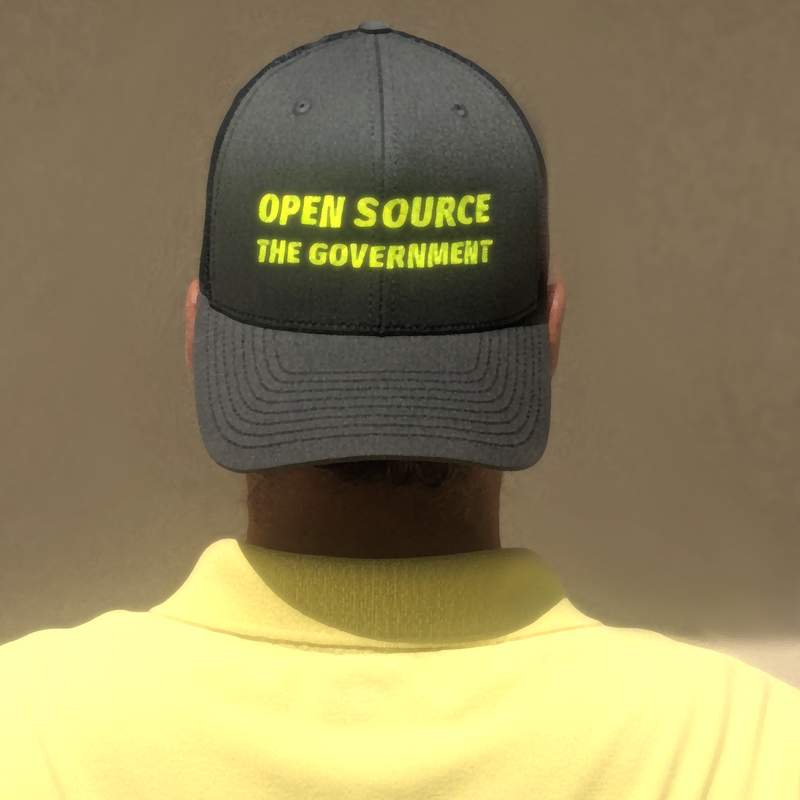
Yes, you have the right idea.
It's a protocol (I think) which would allow for "deriv[ing] some type of master identity system which could be used to generate new identities from a central key, like how bitcoin uses one key to generate many public addresses."
You'll see the most common use case demonstrated being a more secure website login replacement. You create a secret master identity and then derive unique usernames and login credentials for each website. This approach would be more secure than reusing the same email and password for all your logins.
There are more use cases but I brought it up because it seems like it would help facilitate nostr:npub1lnms53w04qt742qnhxag5d6awy7nz6055flnmjkr6jg39hm86dlq7arrnt advice on anonymous development accounts.

*batteries not included - 1987

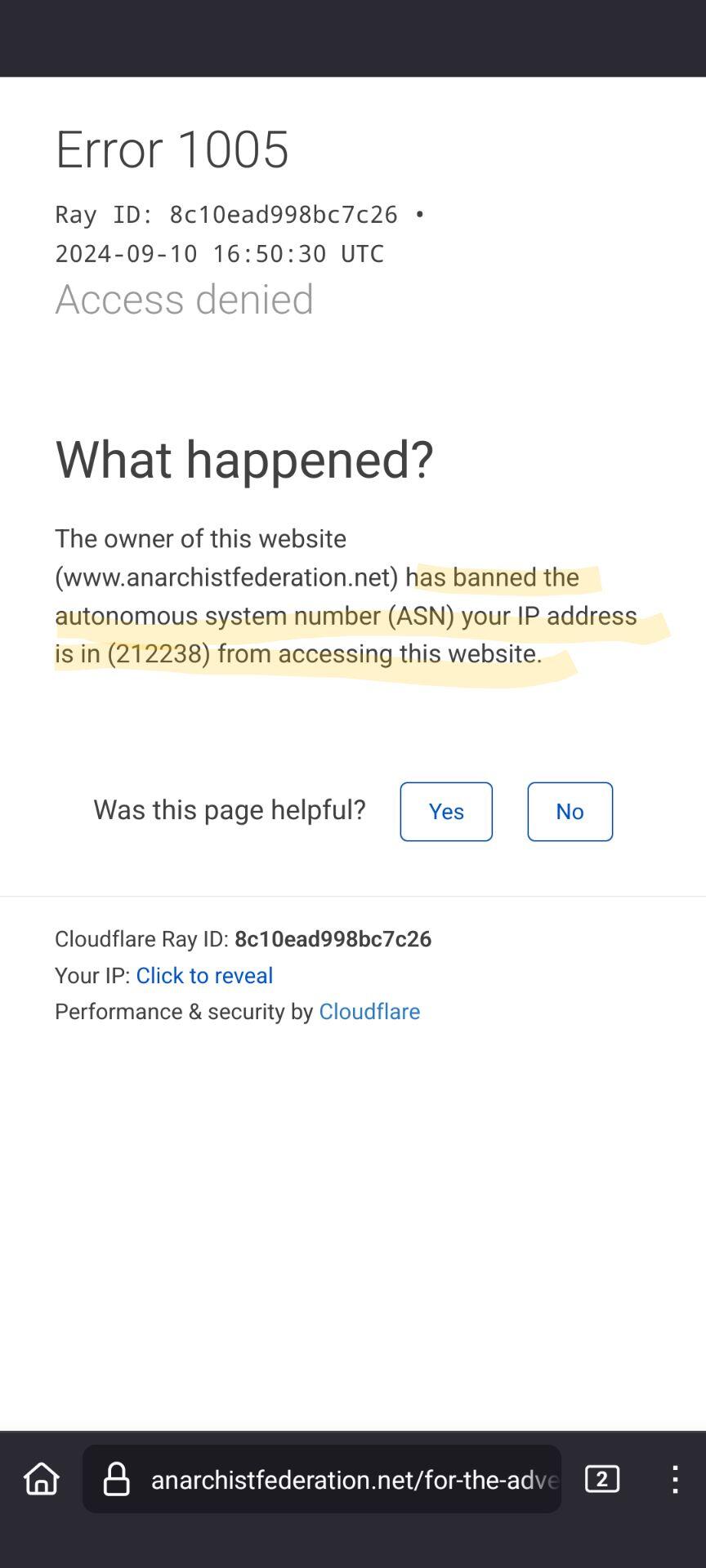
For the advent of a new libertarian mythology https://www.anarchistfederation.net/for-the-advent-of-a-new-libertarian-mythology/


Hard to argue with this photo but....
Dan Bongino is citing sources claiming, "There was no ladder at the scene."
7:33 minute mark in this video:


Security Now on the TWIT network. Steve Gibson is an og computer genius.


Agreed, so many analogies.
Lately I've been brainstorming how btc maxi's can avoid ending up irrelevant like Richard Stalman.
Been way into this song since you posted. Keep sharing.
Found this one because of it:


It boggles the mind to see a company using their own resources to advertise for a different company.

I haven’t seen too much analysis about it, but the new federal law requiring all LLCs to give FinCEN names and identifying details of their owners (updated Corporate Transparency Act) is a bad day for financial privacy (don’t really care about millionaires and billionaires, since they use strawman manager arrangements).
https://bankingjournal.aba.com/2018/04/what-you-may-not-know-about-the-beneficial-ownership-rule/
Ordinary middle-class Americans have used the privacy-preserving features of LLCs to protect their assets, investments, and property for years. If you wanted a modicum of privacy for your home or investments, whether from stalkers, tabloid press, or spiteful ex-partners, LLCs have always been ideal. These structures have been vital in the privacy community, and for good reason.
Beneficial owners have always had to report income to the IRS, but this new reporting mechanism is an additional step that will open up that information for all to view, as well as introduce new opportunities for your rights to be denied or abridged by other government agencies and companies they regulate.
Proponents (including the control whackos at FATF) say this is necessarily to deter crime and tax evasion. But court orders have always had the ability to unmask this information (especially with existing banking regulations). Not to mention the loathsome Bank Secrecy Act.
The vast majority of Americans are law-abiding and follow tax laws. Further reducing the financial privacy of 350 million people to “chase” the 0.5%-1% is a perilous path.
For many Americans abroad, the cruel reporting standards forced by the US government on banks abroad (#FATCA) already force many millions of US expats to use these LLCs in lieu of bank accounts where they live (namely because LLCs don’t require physical presence in the US). Getting a bank account as an American abroad is absurdly complicated (again because of US reporting standards imposed on foreign banks).
What we’re seeing here is a slow-roll attack on financial privacy for ordinary people. Again, the billionaires can easily route around this.
The ratcheting-up of KYCing every financial transaction or relationship (including bitcoin) is definitely part of a larger trend. And by any measure, it’s about reducing privacy for individuals, not broader concern for global crime.

There is no red.
There is no blue.
There is no State.
And there is only you.
